
When navigating the complex landscape of personal finance, few acronyms carry as much weight as APR, or the Annual Percentage Rate. Whether you are applying for your first credit card, financing a new vehicle, or signing the closing papers on a home mortgage, the APR is the primary metric that determines how much your debt will actually cost you over time. However, the definition of a “good” APR is not a static number; it is a moving target influenced by economic shifts, your personal financial history, and the specific type of credit you are seeking.
Understanding what constitutes a competitive rate is essential for building long-term wealth. Every percentage point shaved off an APR can result in thousands of dollars saved over the life of a loan. This guide explores the nuances of APR, providing a benchmark for various financial products and offering strategies to secure the best possible rates.
Understanding the Fundamentals: Why APR Matters More Than Interest Rates
To understand what a good APR is, one must first distinguish it from the “base” interest rate. While the two are often used interchangeably in casual conversation, they represent different financial realities.
The Difference Between Interest Rate and APR
The interest rate is the percentage of the principal amount charged by the lender for the use of its money. In contrast, the APR is a broader measure. It includes the interest rate plus other costs associated with the loan, such as broker fees, points, and certain closing costs. Because the APR reflects the total annual cost of borrowing, it is almost always higher than the base interest rate. For a borrower, the APR is the most accurate tool for “apples-to-apples” comparisons between different lenders.
The Mechanics of Compounding
While APR is an annual figure, most lenders—especially credit card companies—calculate interest daily. This leads to compounding, where you pay interest on the interest already accrued. A “good” APR helps mitigate the “snowball effect” of compounding debt. If you are carrying a balance, even a 2% difference in APR can mean the difference between paying off a balance in two years versus three.
Fixed vs. Variable APRs
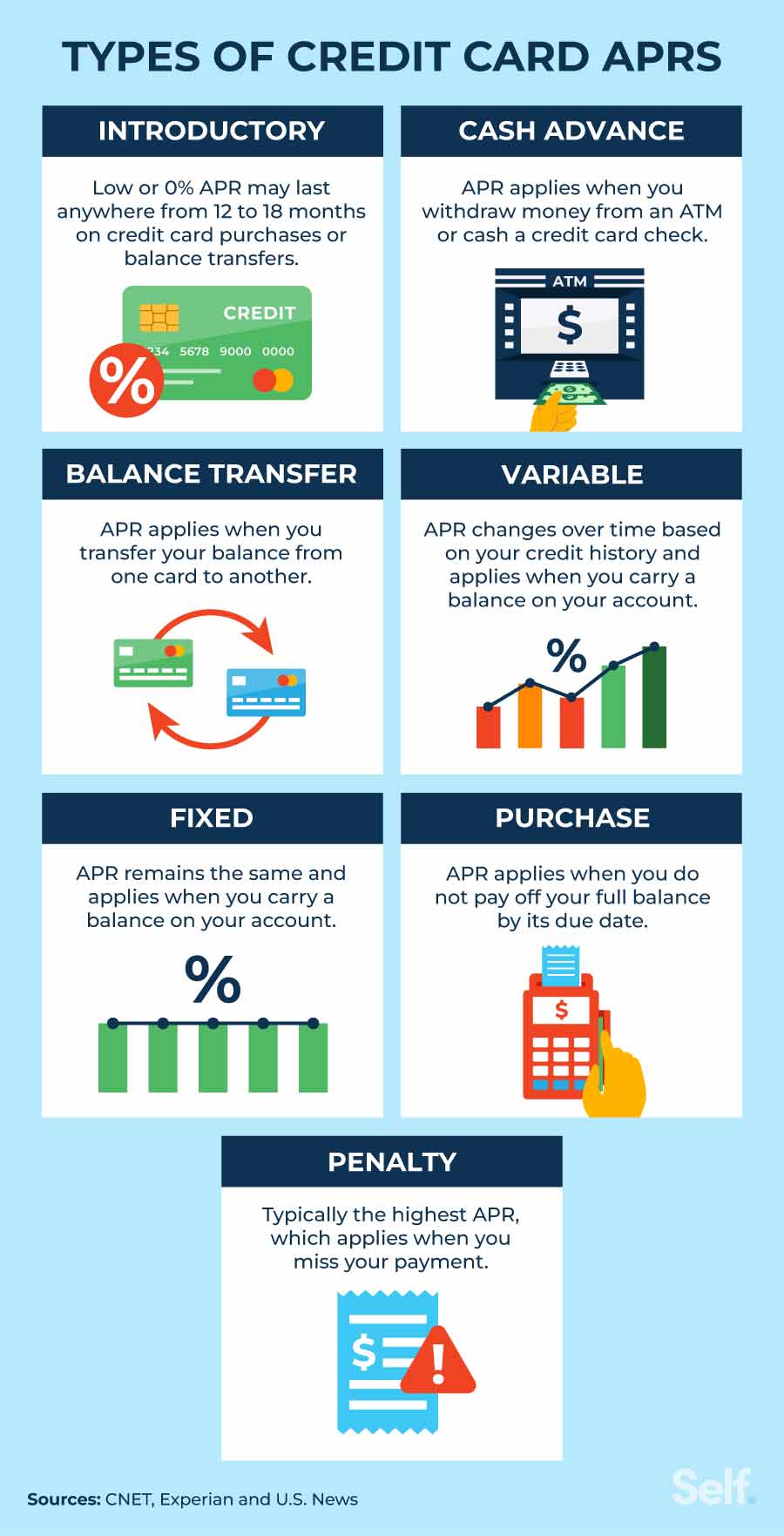
A critical distinction in the world of APR is the difference between fixed and variable rates. A fixed APR remains constant throughout the life of the loan, providing predictability for your monthly budget. A variable APR, common in credit cards and some mortgages, is tied to an index like the U.S. Prime Rate. When the Federal Reserve raises interest rates, variable APRs follow suit. Knowing whether your rate is fixed or variable is the first step in determining if your current rate remains “good” in a changing economic environment.
Factors That Define Your Personal “Good” Rate
A “good” APR is subjective and depends largely on your profile as a borrower. Lenders use a risk-based pricing model, meaning the less likely you are to default, the lower the rate they will offer.
The Role of Credit Scores
Your credit score is the single most influential factor in the APR you are offered. Scores typically range from 300 to 850. Borrowers with “Excellent” credit (740+) are eligible for the lowest market rates, often referred to as “prime” rates. Those with “Fair” or “Poor” credit (below 669) may find that a “good” rate for them is still significantly higher than the national average. For example, while an excellent-score borrower might see a 19% APR on a credit card, a subprime borrower might consider 29% a “good” offer because it is the only one available to them.
Market Conditions and the Federal Reserve
Individual lenders do not set rates in a vacuum. They are heavily influenced by the Federal Funds Rate set by the Federal Reserve. When the economy is “overheating” and inflation is high, the Fed raises rates to cool spending, which causes APRs across all sectors to rise. Conversely, in a sluggish economy, rates drop to encourage borrowing. Therefore, a “good” mortgage APR in 2021 (around 3%) would be viewed as an impossible dream in 2024, where 6.5% to 7% might be considered highly competitive.
Debt-to-Income Ratio (DTI)
Lenders also look at your DTI—the percentage of your gross monthly income that goes toward paying debts. Even with a high credit score, a high DTI suggests you are overextended. To compensate for this perceived risk, a lender might offer an APR slightly higher than the lowest advertised rate. Maintaining a DTI below 36% is generally the threshold for securing the best available APRs.
Benchmarking “Good” APRs Across Financial Products
Because different types of loans carry different levels of risk for the lender, a “good” APR for a mortgage is vastly different from a “good” APR for a credit card.
Credit Cards: The High-Interest Landscape
Credit cards are unsecured debt, meaning there is no collateral for the lender to seize if you don’t pay. Consequently, their APRs are among the highest.
- Good APR: 17% to 22%.
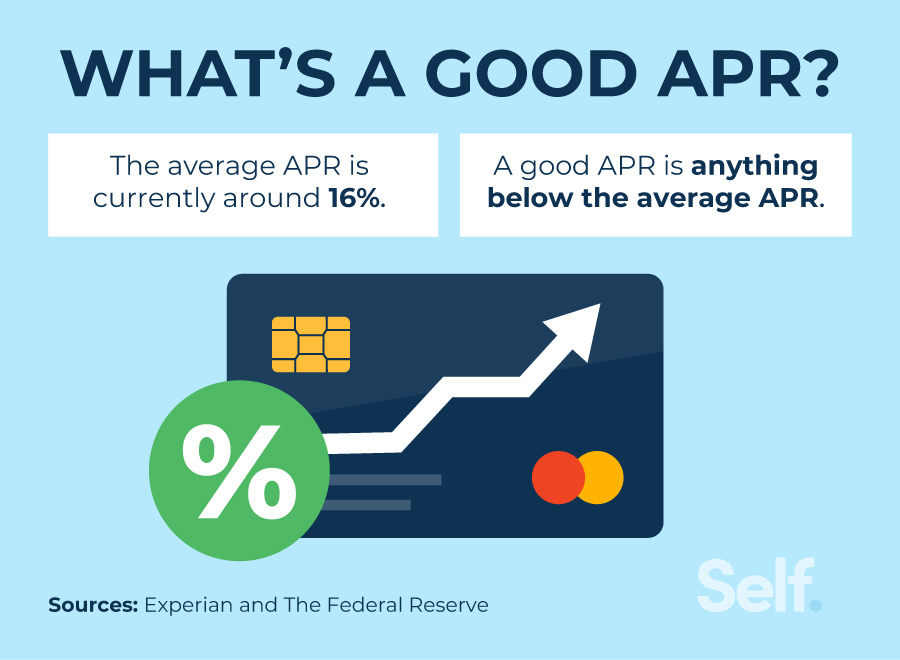
- Excellent APR: Under 16% (often found with credit union cards or specialized low-interest cards).
- Promotional APR: 0%. Many cards offer a 0% introductory APR for 12 to 21 months. For savvy consumers, this is the ultimate “good” rate, allowing for interest-free debt consolidation or large purchases.
Mortgages: The Anchor of Personal Finance
Mortgages are secured by the property itself, leading to much lower APRs than credit cards.
- Good APR: Generally within 0.25% to 0.5% of the current national average for 30-year fixed-rate loans.
- In the current economic climate, anything below 6.5% is often considered strong, though this fluctuates weekly based on bond market yields.
Auto Loans: Balancing New and Used
Auto loan rates vary based on whether the vehicle is new or used. Lenders prefer new cars because they have a higher resale value if repossessed.
- New Car Good APR: 5% to 8%.
- Used Car Good APR: 7% to 12%.
- Manufacturer-sponsored financing (captive lenders) sometimes offers 0% to 1.9% APR on new models to move inventory, which represents the gold standard for auto financing.
Personal Loans and Student Debt
Personal loans are often used for debt consolidation. A “good” rate here must be lower than the interest on the debt you are consolidating.
- Good Personal Loan APR: 10% to 15% for those with good credit.
- Student Loans: Federal student loan rates are set by Congress and are currently in the 5% to 8% range. Private student loans can vary wildly, and a “good” rate would be anything that beats the federal rate without sacrificing borrower protections.
Strategies to Secure and Maintain a Lower APR
Securing a good APR is not just about passive observation; it requires active financial management and negotiation.
Improving Your Credit Profile
The most effective way to lower your APR is to move into a higher credit tier. This involves:
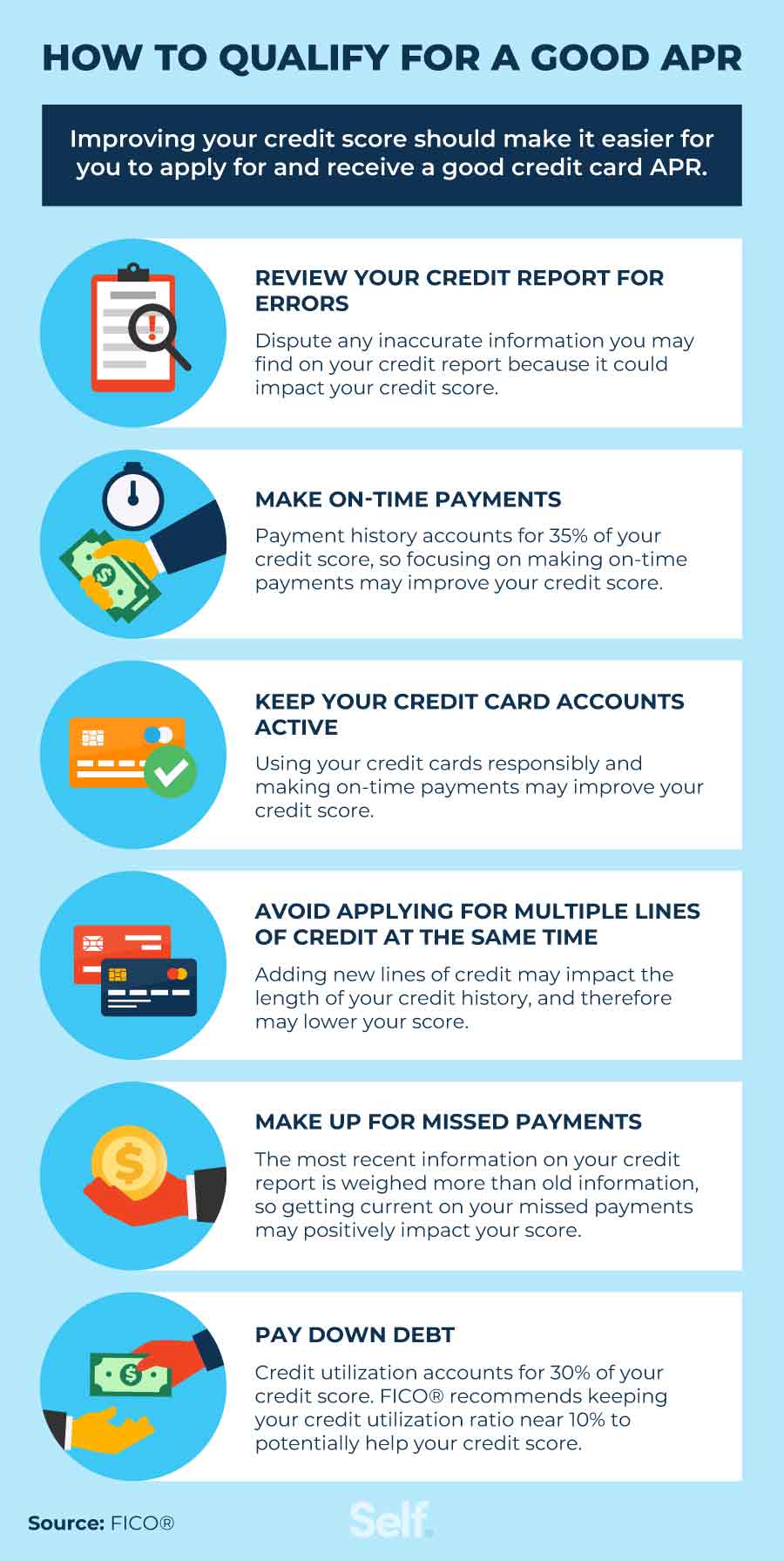
- Payment History: Ensuring 100% on-time payments, as this accounts for 35% of your FICO score.
- Credit Utilization: Keeping your credit card balances below 30% (and ideally below 10%) of your total limits.
- Monitoring: Regularly checking your credit report for errors that might be artificially dragging your score down.
The Power of Rate Shopping
Many consumers take the first loan offer they receive. However, for “hard” assets like homes and cars, the CFPB (Consumer Financial Protection Bureau) allows a “shopping window.” If you apply for multiple mortgages within a 14-to-45-day period, it typically counts as a single inquiry on your credit report. By getting quotes from a traditional bank, an online lender, and a credit union, you can leverage offers against each other to drive the APR down.
Negotiating with Existing Creditors
Many people do not realize that APRs on existing credit cards are often negotiable. If you have been a loyal customer for several years and your credit score has improved since you opened the account, call your issuer. Mention the lower-rate offers you are receiving from competitors. In many cases, the retention department has the authority to lower your APR by several percentage points to keep your business.
Refinancing in Favorable Markets
Financial management is a long game. If you took out a loan when rates were high or your credit was poor, you are not necessarily stuck with that APR forever. “Good” rates are often achieved through refinancing. When market rates drop or your credit score jumps from “Fair” to “Very Good,” refinancing a mortgage or an auto loan can significantly reduce your monthly obligations and the total interest paid over the life of the loan.
Conclusion: The Strategic Value of a Low APR
In the realm of money management, the APR is the ultimate indicator of borrowing efficiency. A “good” APR is one that allows you to leverage credit as a tool for growth—such as buying a home or starting a business—without allowing interest payments to cannibalize your ability to save and invest.
By staying informed about market benchmarks, aggressively protecting your credit score, and refusing to settle for the first offer on the table, you can ensure that you are always paying the lowest possible price for the capital you need. Ultimately, the quest for a good APR is about more than just numbers; it is about reclaiming your future income from lenders and putting that wealth back into your own pocket.
aViewFromTheCave is a participant in the Amazon Services LLC Associates Program, an affiliate advertising program designed to provide a means for sites to earn advertising fees by advertising and linking to Amazon.com. Amazon, the Amazon logo, AmazonSupply, and the AmazonSupply logo are trademarks of Amazon.com, Inc. or its affiliates. As an Amazon Associate we earn affiliate commissions from qualifying purchases.