
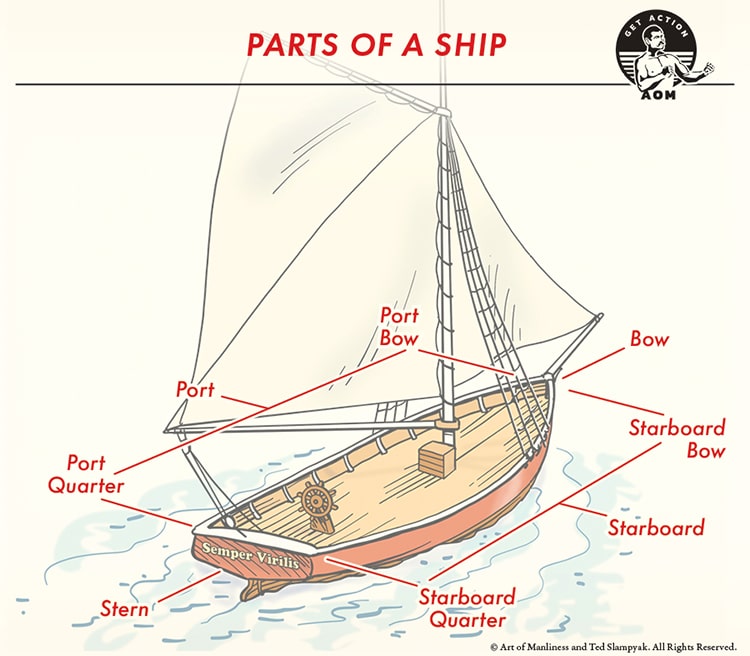
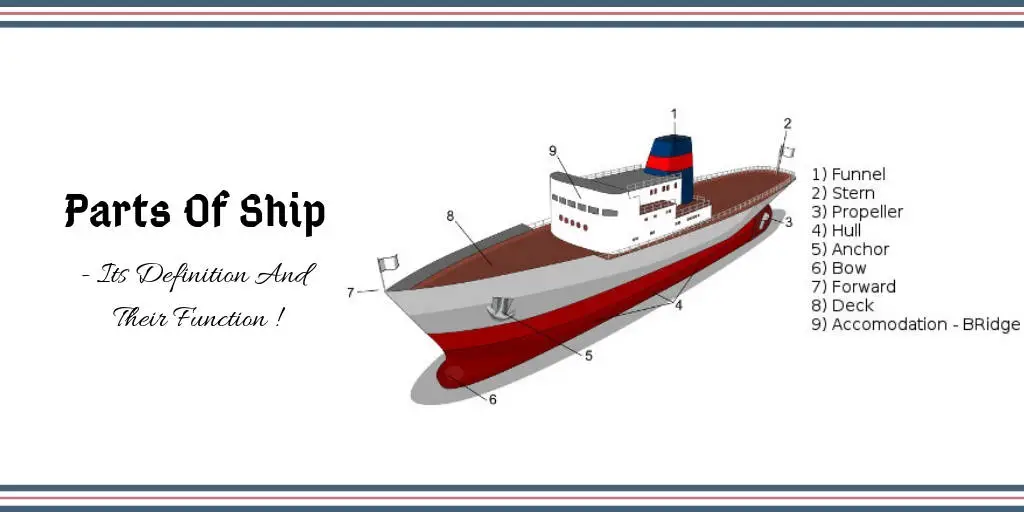
To the casual observer, the front of a ship is simply called the “bow.” It is the pointed end that cuts through the waves, a symbol of direction and momentum. However, in the world of modern maritime technology and naval architecture, the bow is far more than just a structural termination point. It is a sophisticated interface where fluid dynamics, advanced materials science, and cutting-edge sensor technology converge.
In the 21st century, “the front of the ship” has evolved into a high-tech laboratory. From autonomous navigation sensors to hydrodynamic “bulbous” protrusions designed by supercomputers, the bow represents the cutting edge of maritime engineering. This article explores the technological intricacies of the ship’s front, moving beyond simple terminology to understand the hardware and software that define modern nautical propulsion.
The Anatomy of the Bow: Engineering the Fluid Interface
The primary function of the bow is to manage the ship’s interaction with water, specifically the resistance created as the vessel moves. This is not merely a matter of being “sharp.” It involves complex calculations in fluid mechanics to minimize drag and maximize fuel efficiency.
The Bulbous Bow and Computational Fluid Dynamics (CFD)
One of the most recognizable features of modern large vessels is the bulbous bow—the protrusion just below the waterline at the front of the ship. While it may look counterintuitive, this technological innovation is essential for efficiency. The bulb works by creating a secondary wave system that cancels out the primary wave generated by the hull.
The design of these bulbs is no longer a matter of trial and error. Engineers utilize Computational Fluid Dynamics (CFD) software to simulate thousands of different shapes and sea conditions. By analyzing how water molecules flow around the bow at various speeds, software allows designers to reduce wave-making resistance by up to 15%. This technological optimization directly translates to massive reductions in fuel consumption and carbon emissions, making it a cornerstone of “Green Tech” in the shipping industry.
Materials Science: From Riveted Steel to Advanced Composites
The “front” of the ship experiences the highest physical stress of any part of the hull. It must withstand “slamming”—the force of the bow hitting the water after being lifted by a wave—as well as ice-breaking requirements in polar regions. Modern tech has moved beyond traditional mild steel.
Today, shipbuilders utilize high-tensile alloys and, in the case of high-speed or military vessels, carbon-fiber-reinforced polymers. These materials are chosen through algorithmic stress-testing models that predict fatigue life. Furthermore, the application of “Smart Coatings” at the bow is a burgeoning field of tech. These are nanotechnology-based paints that reduce friction (skin-friction drag) and prevent “biofouling” (the growth of barnacles and algae), which can be monitored via sensors to determine when the hull needs cleaning.
Navigation and Sensory Systems: The “Eyes” of the Vessel
If the engine is the heart of the ship, the bow is increasingly becoming its brain. In the era of digital transformation, the front of the ship is the primary mounting point for a suite of sophisticated sensors that allow for safe navigation through congested or hazardous waters.
Integrated Bridge Systems and Forward-Looking Sonar
While the “Bridge” (where the captain sits) is often located midship or aft, its “eyes” are located at the bow. Modern vessels are equipped with Forward-Looking Sonar (FLS). Unlike traditional sonar that looks down to measure depth, FLS scans the water column ahead of the vessel to detect underwater obstacles, reefs, or even lost shipping containers that float just beneath the surface.
This data is fed into an Integrated Bridge System (IBS), a software platform that aggregates radar, sonar, and GPS data into a single augmented reality display. This allows the crew to “see” through fog or darkness, using thermal imaging cameras mounted on the bow to identify the heat signatures of other vessels or icebergs.
LIDAR and Computer Vision in Modern Maritime Tech
As the industry moves toward autonomous shipping, the bow is being outfitted with LIDAR (Light Detection and Ranging) and high-definition computer vision arrays. These systems function similarly to those found in self-driving cars.
By utilizing machine learning algorithms, the ship’s onboard AI can categorize objects detected at the bow—distinguishing between a small fishing boat, a piece of debris, or a marine mammal. The “front” of the ship thus becomes a data-gathering hub, constantly streaming petabytes of environmental information to the ship’s central processing unit to make real-time navigational adjustments without human intervention.
The Future of the Front: Autonomous and Green Bow Designs
Innovation in maritime technology is currently focused on two major goals: total autonomy and zero-emission travel. The design of the ship’s front is changing radically to accommodate these shifts.
X-Bow Technology and Seakeeping Optimization
One of the most significant breakthroughs in bow tech is the Ulstein X-Bow, an inverted bow design. Unlike traditional bows that flare outward, the X-Bow curves inward. This engineering feat allows the ship to “pierce” waves rather than riding over them.
The tech behind this design focuses on “seakeeping”—the measure of how well a vessel handles at sea. By reducing the vertical acceleration of the ship (the “bouncing” motion), the X-Bow allows vessels to maintain higher speeds in rough weather while using less power. Software-driven motion sensors integrated into these bows provide real-time feedback to the bridge, allowing for automated trim adjustments to keep the ship at its most efficient angle of attack.
Energy Harvesting and Aerodynamic Foredeck Design
As we look toward the future, the front of the ship is being reimagined as a source of energy. Engineers are experimenting with “Bow Wings” or foil-based systems that harvest energy from the ship’s pitching motion in waves to generate auxiliary power.
Additionally, aerodynamic tech is being applied to the “foredeck” (the top part of the bow). On massive container ships, the front of the ship acts as a giant wind-block. Modern designs include “wind windshields” or aerodynamically contoured bows that reduce wind resistance. This is a crucial technological pivot as ships transition to hydrogen or electric propulsion, where every bit of energy conservation is vital for extending the vessel’s range.
Digital Twins and Maintenance: Protecting the Most Impacted Surface
The technological lifecycle of a ship’s bow doesn’t end at the shipyard. Once a vessel is at sea, the bow remains a focal point for “Digital Twin” technology and IoT (Internet of Things) integration.
Sensor Fusion for Structural Health Monitoring
The bow is the most vulnerable part of a ship in the event of a collision or extreme weather damage. To manage this risk, engineers install “Strain Gauges” and accelerometers throughout the bow’s internal framework. This creates a “Smart Hull.”
These sensors feed data into a “Digital Twin”—a virtual replica of the ship maintained on a server. By comparing real-world stress data from the bow to the digital model, shipping companies can use predictive analytics to identify structural weaknesses before they become critical failures. This tech-driven approach to maintenance moves the industry away from scheduled inspections toward “condition-based maintenance,” saving millions in dry-docking costs.
Smart Coatings and Anti-Fouling Tech
The very front of the ship is where the “stagnation point” occurs—the spot where water pressure is highest. This makes the bow particularly susceptible to the erosion of protective coatings. Recent tech developments have introduced ultrasonic anti-fouling systems. These devices are mounted to the inside of the bow’s hull and emit high-frequency sound waves that create microscopic vibrations. These vibrations make it impossible for marine life to attach to the hull, keeping the front of the ship smooth and hydrodynamically efficient without the use of toxic chemicals.
Conclusion: The Bow as a Beacon of Innovation
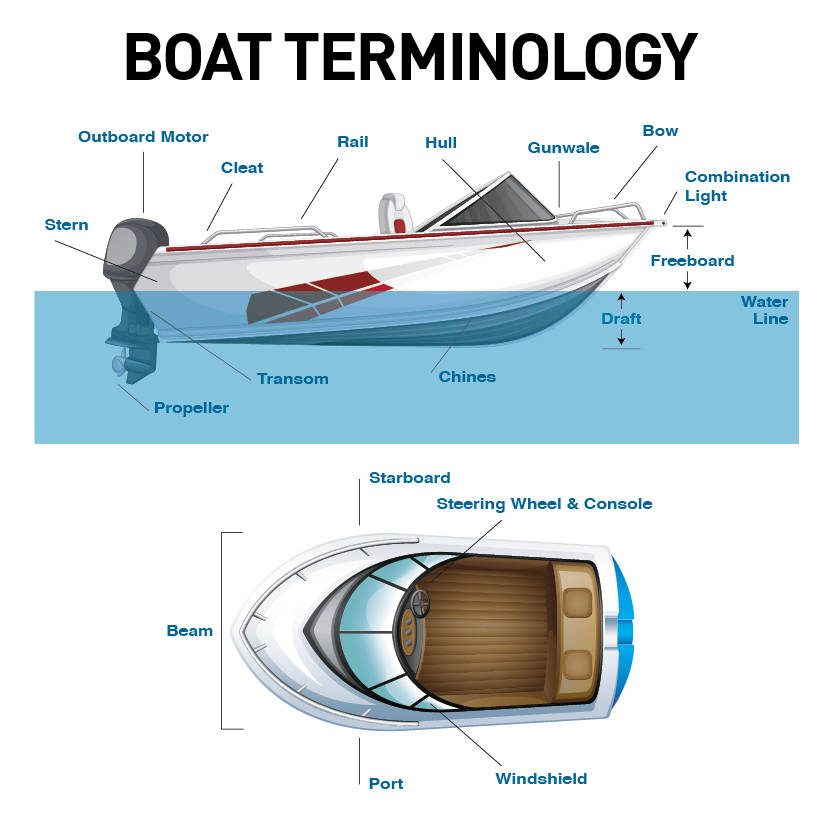
While the answer to “what is a front of a ship called” is technically “the bow,” the modern reality is far more complex. In the tech-heavy landscape of today’s maritime industry, the bow is a masterclass in engineering, a hub for AI-driven navigation, and a testing ground for futuristic materials.
From the CFD-optimized bulbous bow that saves thousands of tons of fuel, to the LIDAR sensors that pave the way for autonomous “ghost ships,” the front of the vessel is where maritime tradition meets the digital frontier. As we continue to push the boundaries of what is possible at sea, the technology located at the very front of the ship will remain the most critical factor in driving the industry toward a safer, faster, and more sustainable future.
aViewFromTheCave is a participant in the Amazon Services LLC Associates Program, an affiliate advertising program designed to provide a means for sites to earn advertising fees by advertising and linking to Amazon.com. Amazon, the Amazon logo, AmazonSupply, and the AmazonSupply logo are trademarks of Amazon.com, Inc. or its affiliates. As an Amazon Associate we earn affiliate commissions from qualifying purchases.