
For anyone navigating the complex world of real estate investment or homeownership, understanding the legal structure of land ownership is the most critical first step. Among the various types of property tenure, “freehold” stands as the gold standard—the most absolute form of property ownership available. When you purchase a freehold property, you are not merely buying the right to live in a building for a set period; you are acquiring the land itself and the structures upon it indefinitely.
Understanding the implications of freehold land is essential for long-term wealth building. Unlike leasehold arrangements, which involve a diminishing interest in property over time, freehold ownership offers security, autonomy, and the potential for long-term capital appreciation.

The Definition and Core Principles of Freehold Tenure
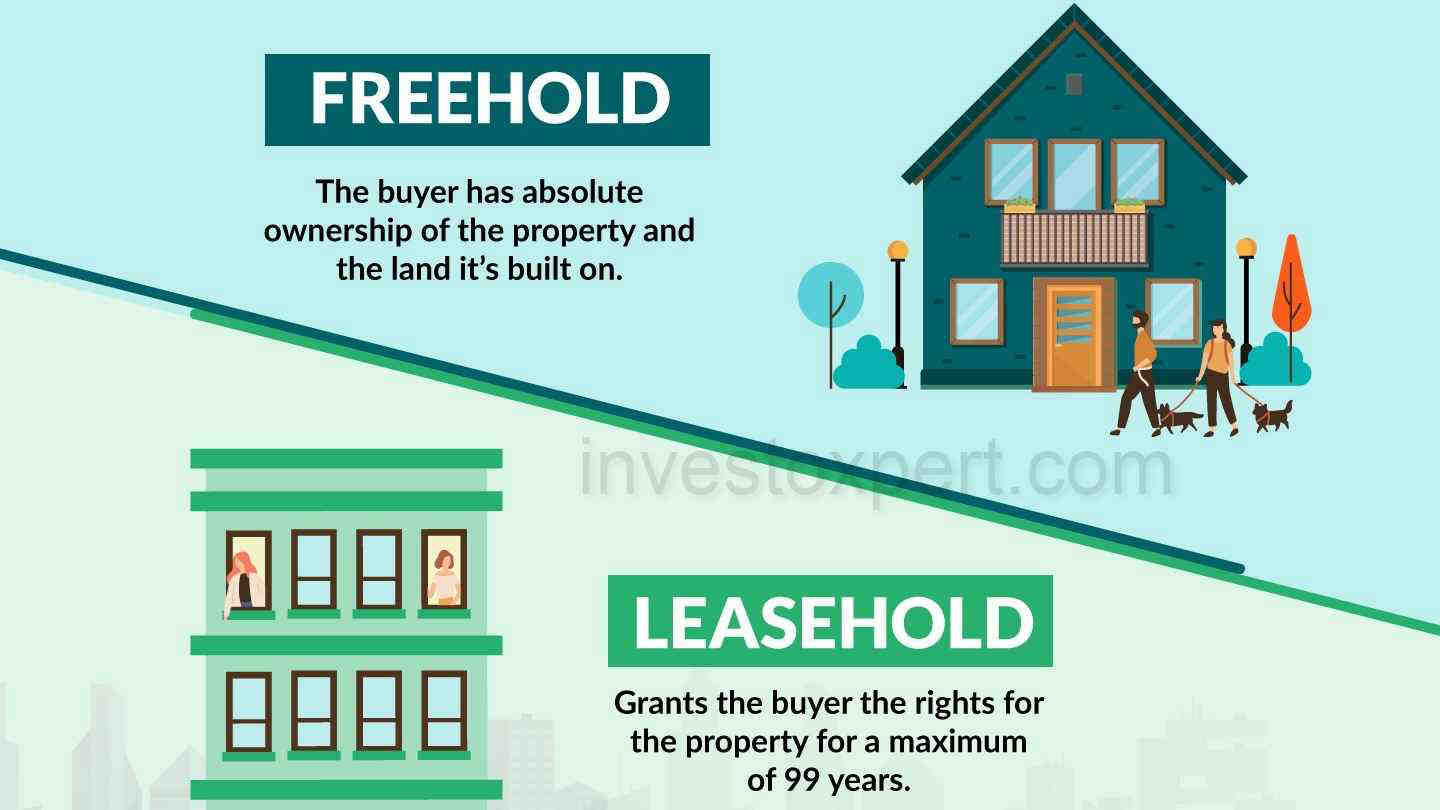
At its simplest, freehold land is a form of permanent and absolute tenure of real property. When you own land on a freehold basis, you are the “freeholder” or the “fee simple” owner. This status grants you full ownership rights, meaning you hold the title to both the land and any buildings constructed on that land for an unlimited duration.
Absolute Ownership
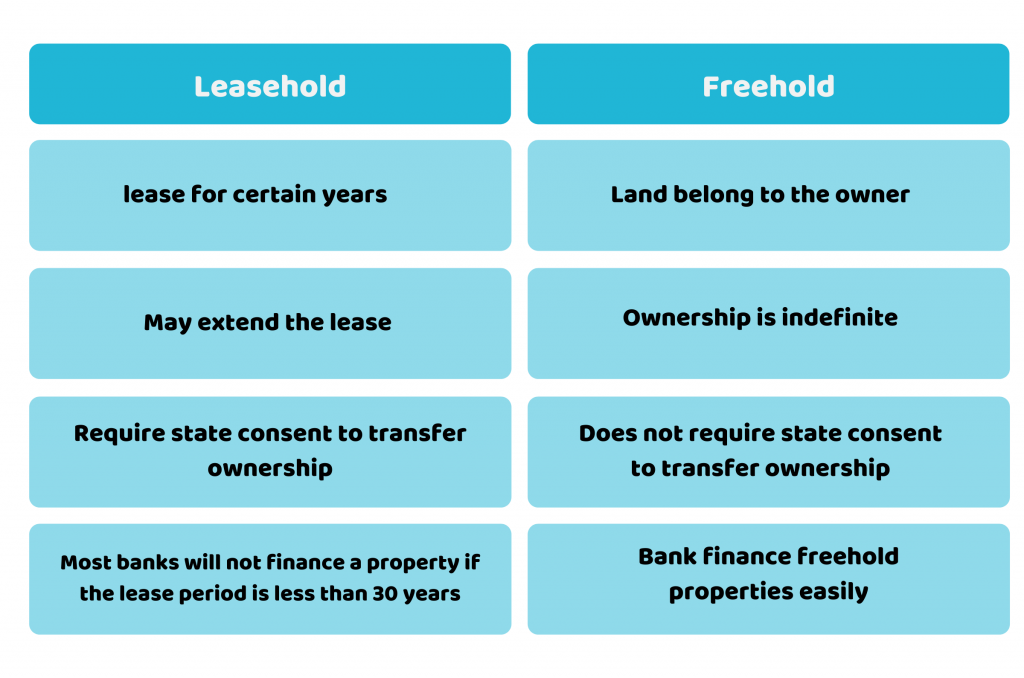
Unlike other forms of tenure where a third party (such as a landlord or the state) retains a residual interest in the land, freehold ownership is as close to total control as the law allows. You do not have an expiration date on your ownership. Unless you decide to sell the property, bequeath it to your heirs, or transfer it as a gift, the property remains legally yours in perpetuity.
Independence from Ground Rent
A significant advantage of freehold property is the absence of ground rent. In leasehold scenarios, homeowners are often required to pay annual fees to a freeholder simply for the privilege of existing on the land. Freehold owners, conversely, are not subject to these recurring costs, which improves the overall cash flow and financial efficiency of the asset.
The Right to Modify
Freehold ownership typically provides the owner with the greatest latitude to alter, renovate, or improve the property. While you must still adhere to local zoning laws, building codes, and municipal planning permissions, you do not need to seek the consent of a superior landlord to make structural changes. This autonomy is a major factor for investors looking to increase the value of their portfolio through renovations or expansions.
Financial Advantages of Freehold Investments
From a personal finance and investment perspective, freehold land is often considered the “blue chip” of real estate assets. The financial stability offered by this tenure is unmatched in the property market.
Asset Longevity and Capital Appreciation
Real estate is a cornerstone of a diversified investment portfolio. Because freehold land does not have a “lease term”—which typically runs for 99 or 999 years and depreciates in value as the expiration date approaches—it is a perpetual asset. As the land increases in value due to urban development, inflation, or scarcity, the owner captures 100% of that appreciation. There is no risk of the asset losing value simply because the underlying leasehold term is running out.
Higher Resale Value and Marketability
When it comes time to liquidate your real estate assets, freehold properties are consistently easier to sell. Potential buyers are naturally drawn to the security of freehold tenure because it removes the uncertainty of lease extensions, ground rent hikes, and administrative friction with freeholders. In a competitive market, a freehold title acts as a premium feature that justifies a higher asking price and attracts a broader pool of buyers.
Eliminating Third-Party Dependency
In leasehold arrangements, the owner is often at the mercy of the freeholder regarding maintenance costs, building insurance, and property management fees. This can lead to unexpected financial liabilities or “service charge traps.” Freehold ownership puts you in the driver’s seat. While you are responsible for the upkeep of the entire premises, you have total control over the budget, the choice of contractors, and the level of maintenance performed, allowing for better management of your long-term capital expenditure.
Distinguishing Freehold from Leasehold and Other Tenures
To fully appreciate the value of freehold land, it is necessary to contrast it with the alternative: leasehold tenure. Understanding the friction points of leasehold explains why freehold is so highly coveted by sophisticated investors.
The Depreciating Leasehold Asset
A leasehold property is essentially a long-term rental agreement. While a 99-year lease may seem like a lifetime, the value of the property begins to erode as the lease duration drops below 80 years. At this point, the cost of extending the lease becomes significantly more expensive, and lenders become increasingly hesitant to provide mortgages for such properties. This creates a “leaking bucket” effect for the investor, where time works against the value of the asset.
The Role of the “Superior Landlord”
In a leasehold situation, the building and land are owned by a freeholder, and the occupant is merely a tenant. This creates a power imbalance. The freeholder can set rules regarding sub-letting, pet ownership, or physical alterations to the unit. Furthermore, if the leaseholder fails to comply with the terms of the lease or falls behind on service charges, they risk the forfeiture of their property. Freehold owners avoid this institutional risk entirely.
Commonhold and Strata Title
In some jurisdictions, the concept of “commonhold” or “strata title” exists, particularly for apartment buildings or multi-unit dwellings. While these systems allow for individual unit ownership, they often involve a homeowners’ association (HOA) or a body corporate that manages common areas. While this differs from traditional freehold, it represents a shift toward collective ownership that mitigates some of the downsides of leasehold, yet it still does not offer the same absolute, solitary control provided by a true freehold plot of land.
Strategic Considerations for the Real Estate Investor
For those looking to build wealth through real estate, the decision to seek out freehold properties should be a primary pillar of your acquisition strategy. However, freehold does not automatically equate to a perfect investment. There are practical factors to consider before committing capital.
Zoning and Planning Restrictions
Even as a freeholder, you are not immune to governmental regulations. Zoning laws determine what you can do with your land—whether it is residential, commercial, or mixed-use. Before purchasing, it is critical to investigate the local planning master plan to ensure that the land can be utilized for your intended investment strategy. A freehold title is a powerful legal instrument, but it is still subject to the broader framework of municipal law.
Maintenance Responsibility
With great power comes great responsibility. The flip side of freehold freedom is that all maintenance costs fall squarely on your shoulders. If a roof needs replacing or a sewage line breaks, there is no building manager or freeholder to call to share the expense. Successful investors factor these potential costs into their financial modeling by maintaining a capital reserve fund specifically for property maintenance.
Geographic Scarcity
In many urban centers, freehold land is becoming increasingly rare. Developers often prefer to sell properties on a leasehold basis to retain ownership of the land and generate recurring revenue through ground rents. This scarcity can drive up the entry price for freehold properties. Investors must balance the higher initial investment against the long-term benefits of not having to pay ground rent and the superior resale potential of the asset.
Conclusion: The Ultimate Goal for Property Wealth
Freehold land represents the pinnacle of property ownership. It provides the legal bedrock for wealth preservation and growth, shielding the investor from the administrative burdens and financial uncertainties inherent in leasehold arrangements. By owning the land outright, you ensure that your investment is protected from the corrosive effect of time, providing a legacy asset that can be leveraged, developed, and held indefinitely.
For the serious investor, the objective should always be to prioritize freehold titles whenever the market allows. While the initial capital outlay may be higher, the long-term financial freedom and control over your asset provide a superior return on investment. In the world of real estate, ownership is the goal, but freehold is the gold standard that ensures your ownership is truly yours, forever.
aViewFromTheCave is a participant in the Amazon Services LLC Associates Program, an affiliate advertising program designed to provide a means for sites to earn advertising fees by advertising and linking to Amazon.com. Amazon, the Amazon logo, AmazonSupply, and the AmazonSupply logo are trademarks of Amazon.com, Inc. or its affiliates. As an Amazon Associate we earn affiliate commissions from qualifying purchases.