
In the world of global commerce, few items represent the power of brand association more effectively than the fortune cookie. To the casual observer, it is a simple, crisp wafer made of flour, sugar, vanilla, and oil. However, from a brand strategy perspective, the fortune cookie is a masterclass in experiential marketing, psychological engagement, and the art of the “value-add.”
Despite its name and its ubiquitous presence in Chinese restaurants across the Western world, the fortune cookie is not a traditional Chinese creation. Instead, it is a brilliant example of how a product can be branded and repositioned to fit a specific market niche, eventually becoming a cultural icon that transcends its physical form. This article explores the fortune cookie through the lens of brand strategy, examining how a simple snack evolved into a global symbol of anticipation and engagement.
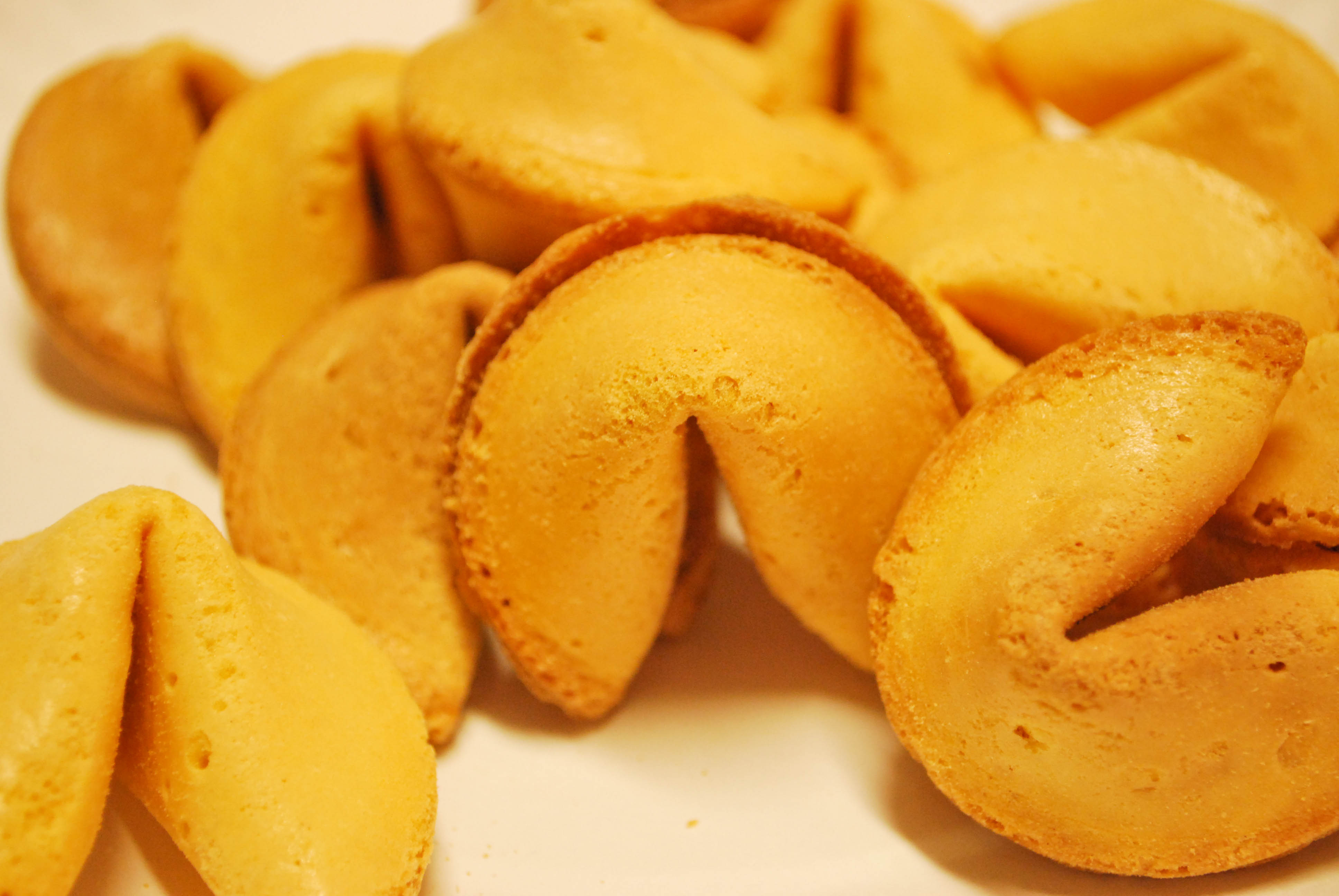
The Anatomy of a Brand Icon: Beyond the Flour and Sugar
To understand what a fortune cookie is, one must look past the ingredients. In branding, the “product” is what you sell, but the “brand” is how the consumer feels. The fortune cookie is rarely consumed for its culinary excellence; rather, it is consumed for the experience of the reveal.
The Power of Ritual in Consumer Behavior
The fortune cookie leverages a powerful branding tool: the ritual. Successful brands like Oreo (twist, lick, dunk) or Guinness (the two-part pour) create rituals that embed their products into the consumer’s lifestyle. The fortune cookie follows a strict ritualistic sequence: the crack of the shell, the retrieval of the slip, and the reading of the message. This sequence creates a dopaminergic loop of anticipation and reward. For a brand, creating a ritual means you are no longer selling a commodity; you are selling a moment in time.
Sensory Branding: The Snap and the Paper
Great brands engage multiple senses. The fortune cookie is designed for tactile and auditory feedback. The specific “snap” of the dry wafer is a sensory cue that signals freshness and the start of the “game.” The physical act of unfolding a small piece of paper adds a layer of intimacy to the brand interaction. In a world of digital noise, the physical, tactile nature of the fortune cookie remains a potent branding lesson: physical touchpoints create lasting memories.
Origin Stories and Brand Authenticity: The Great Debate
One of the most fascinating aspects of the fortune cookie brand is its identity crisis—or rather, its successful “rebranding” of history. While most consumers associate the cookie with China, historical evidence suggests its origins lie in 19th-century Japan, with its modern iteration popularized by Japanese immigrants in California.
The Japanese-American Roots of a “Chinese” Symbol
The tsujiura senbei was a darker, savory cracker sold in Kyoto long before the fortune cookie appeared in San Francisco or Los Angeles. When Japanese confectioners moved to the United States, they adapted the recipe to suit Western palates, making it sweeter and lighter. However, the “brand” truly took off when it was adopted by Chinese restaurant owners. This shift represents a strategic pivot: the product found its “Product-Market Fit” not in its culture of origin, but as a post-meal palate cleanser and entertainment piece in a different culinary context.
How Misattribution Became a Marketing Strength
In traditional branding, authenticity is often seen as the ultimate goal. However, the fortune cookie proves that “perceived authenticity” can be just as powerful. By becoming synonymous with the Chinese dining experience in America, the fortune cookie gained a massive, built-in distribution network. It became a “category brand.” Today, the lack of traditional Chinese roots doesn’t hurt the brand; instead, the cookie has become an authentic artifact of the Chinese-American experience, illustrating how brands can evolve and claim new identities through consistent market association.
The Fortune as a Micro-Content Strategy
If we view the fortune cookie as a platform, the slip of paper inside is the “content.” Long before Twitter or Instagram, the fortune cookie was delivering “micro-content” designed to be shared.
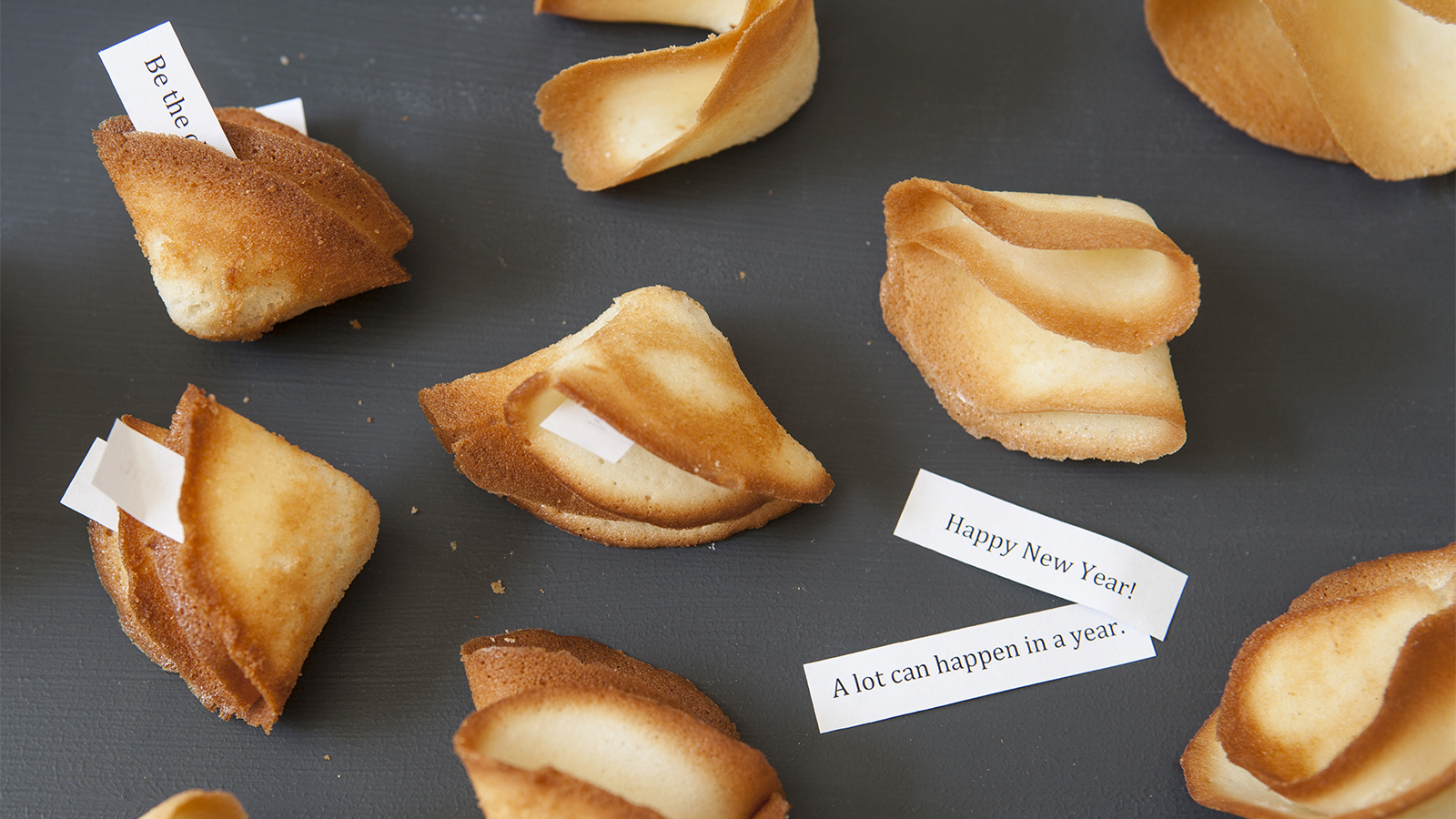
Engagement Through Personalization
The genius of the fortune is its ambiguity. Much like a horoscope, a fortune is written to be broad enough to apply to anyone but specific enough to feel personal. This is a classic “Barnum Effect” marketing tactic. When a customer reads a fortune that says, “A bold move will bring you success,” they immediately apply it to their own lives. This level of personal engagement is what modern digital brands strive for through AI-driven personalization. The fortune cookie achieved this decades ago with simple ink and paper.
Viral Marketing Before the Internet: The Social Nature of the Cookie
Branding is most effective when it encourages social interaction. Fortune cookies are rarely opened in isolation; they are opened at the end of a group meal. The reading of the fortunes aloud transforms a solitary act of eating into a social event. This “social currency” is the precursor to viral marketing. Guests share their fortunes, laugh at the “in bed” jokes, and compare “lucky numbers.” By facilitating a social moment, the fortune cookie ensures that the brand (the restaurant and the cookie itself) is associated with positive social reinforcement.
Scaling a Niche Product into a Global Commodity
From a corporate identity and logistics perspective, the story of the fortune cookie is a story of industrial scaling. What started as a handmade artisanal product in small bakeries has become a multi-billion-unit industry.
Wonton Food Inc. and the Monopoly of Distribution
The branding of the fortune cookie is supported by a massive B2B (business-to-business) infrastructure. Wonton Food Inc., based in Brooklyn, is the world’s largest manufacturer, producing millions of cookies every day. For a brand to achieve global ubiquity, it needs a seamless supply chain. Wonton Food and its competitors have turned the fortune cookie into a “default” brand. It is the only product in the food industry that is expected to be given away for free, yet it is so essential to the “Chinese food” brand identity that restaurants cannot afford not to provide it.
B2B Branding: Why Every Restaurant Needs Them
For the restaurant owner, the fortune cookie is a low-cost marketing tool. It serves as a “thank you” note to the customer. It provides a final, positive touchpoint that can mask a mediocre meal or enhance a great one. This is a vital lesson in brand strategy: sometimes the most important part of your brand is the “extra” that the customer didn’t pay for. It builds goodwill and completes the brand narrative of hospitality and mystery.
Modern Iterations: Personal Branding and the Future of the Medium
As we move further into the 21st century, the fortune cookie is being reinvented by new players who see it not just as a dessert, but as a customizable marketing medium.
Customization as a Premium Brand Service
Modern companies are now using fortune cookies for corporate events, weddings, and product launches. By allowing customers to write their own fortunes, these manufacturers are turning the cookie into a “White Label” product. Brands like Google or Coca-Cola have used custom fortune cookies to deliver marketing messages or discount codes. This shift from “generic mystery” to “targeted messaging” shows the versatility of the format. It proves that the medium (the cookie) is strong enough to carry any message while maintaining its inherent charm.
Lessons for Modern Marketers
What can modern brand strategists learn from the fortune cookie?
- Mystery Wins: Leaving a little to the imagination can drive more engagement than being overly literal.
- The End Matters: The last impression is often the most lasting. The fortune cookie ensures the “final act” of a meal is memorable.
- Low Cost, High Value: You don’t need an expensive product to create a premium experience. Value is often found in the emotional connection, not the material cost.
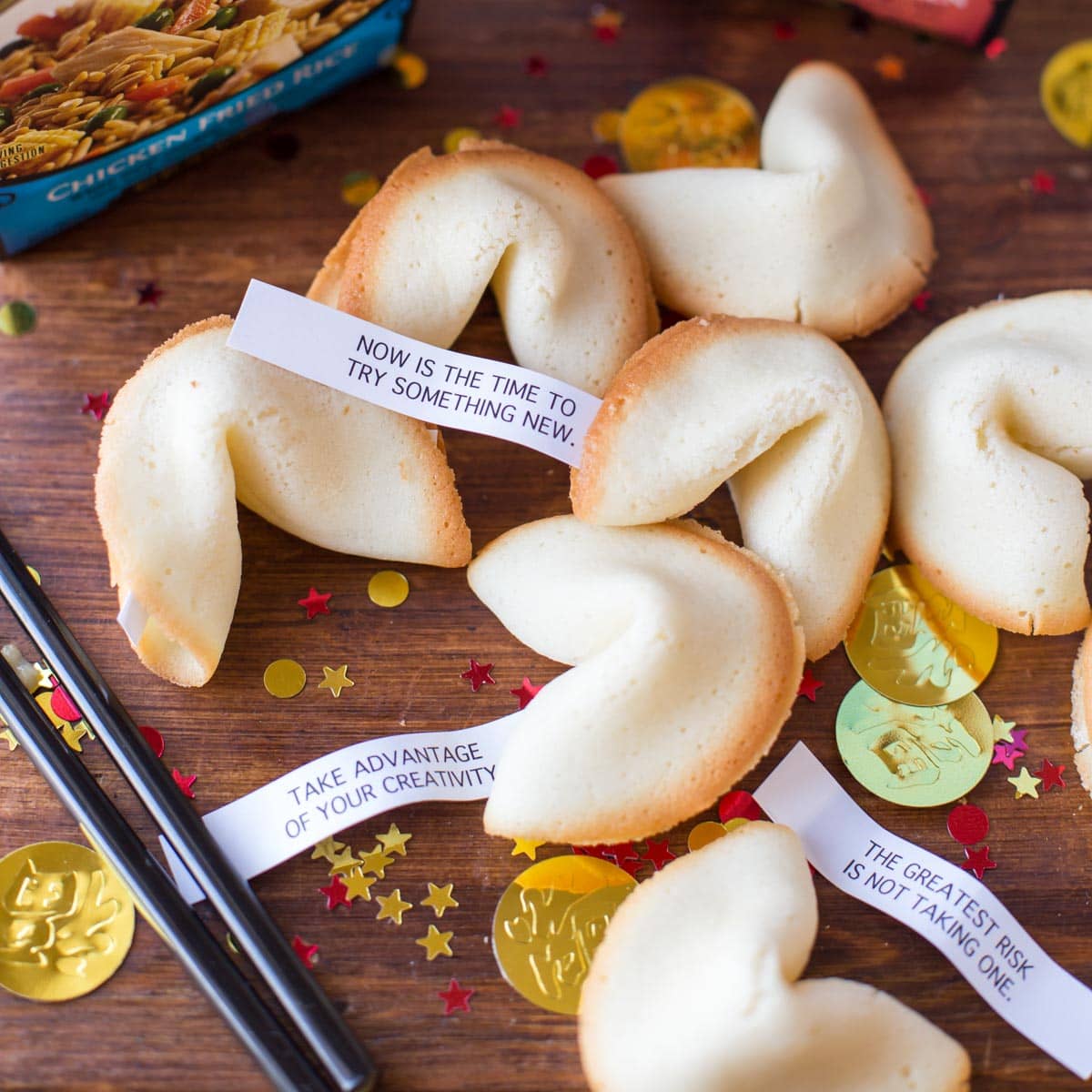
Conclusion: The Ultimate Brand Legacy
In summary, a fortune cookie is far more than a post-meal snack; it is a sophisticated branding vehicle that has survived for over a century by mastering the art of the “reveal.” It has successfully navigated cultural shifts, geographical moves, and the transition from handmade craft to industrial commodity.
By understanding the fortune cookie as a brand strategy, we see the importance of ritual, the value of micro-content, and the power of emotional engagement. Whether it’s providing “lucky numbers” for a lottery player or a moment of reflection for a diner, the fortune cookie remains a testament to the idea that the best brands aren’t just seen—they are experienced, cracked open, and shared. In the grand menu of marketing history, the fortune cookie remains the most successful “surprise and delight” tactic ever devised.
aViewFromTheCave is a participant in the Amazon Services LLC Associates Program, an affiliate advertising program designed to provide a means for sites to earn advertising fees by advertising and linking to Amazon.com. Amazon, the Amazon logo, AmazonSupply, and the AmazonSupply logo are trademarks of Amazon.com, Inc. or its affiliates. As an Amazon Associate we earn affiliate commissions from qualifying purchases.