
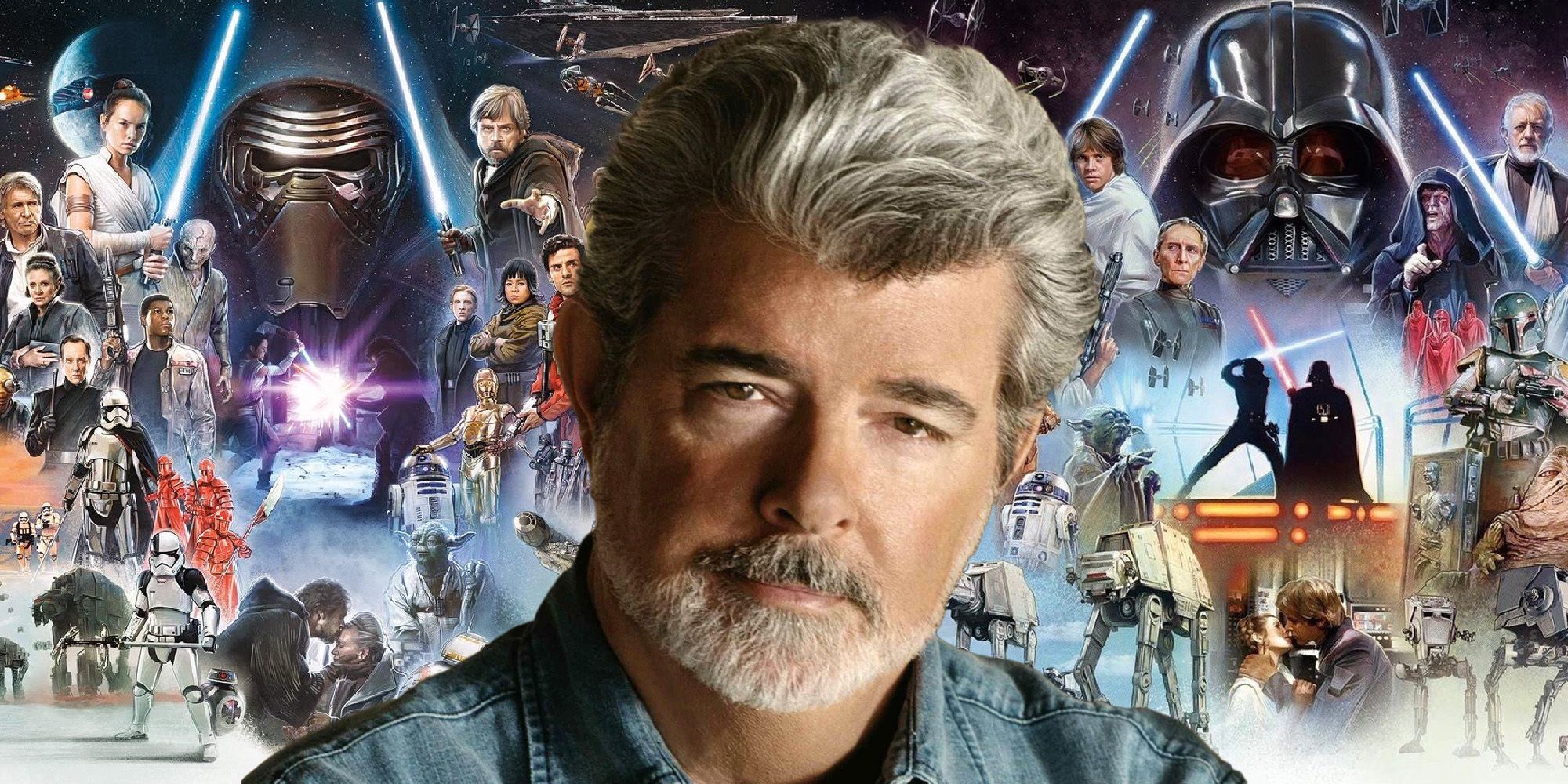
The acquisition of Lucasfilm by The Walt Disney Company in 2012 for $4.05 billion remains one of the most significant brand transitions in modern entertainment history. For George Lucas, the creator of the Star Wars galaxy, the sale was more than a financial exit; it was a transfer of stewardship over a cultural phenomenon he had meticulously cultivated for nearly four decades. However, the subsequent release of the Sequel Trilogy—The Force Awakens, The Last Jedi, and The Rise of Skywalker—revealed a profound divergence between Lucas’s original brand vision and Disney’s corporate strategy. Analyzing Lucas’s perspective offers a masterclass in brand identity, the complexities of intellectual property (IP) management, and the friction that occurs when a founder’s legacy meets a global conglomerate’s bottom line.
The Stewardship Challenge: Passing the Torch of a Global Identity
When George Lucas handed over the keys to Lucasfilm, he wasn’t just selling a film studio; he was selling a brand identity that was synonymous with his personal creative philosophy. In the world of brand strategy, this is known as a “Founder-Centric Brand.” Such brands are often difficult to decouple from their creators because every aesthetic choice and narrative beat is an extension of the founder’s psyche.
The 4 Billion Dollar Handover
The sale was predicated on the idea that Lucas would serve as a “creative consultant.” In his mind, this meant his story treatments for Episodes VII, VIII, and IX would serve as the roadmap for the new trilogy. From a brand management perspective, Lucas viewed himself as the Chief Creative Officer Emeritus, ensuring the brand’s core values—innovation, mythological resonance, and technical boundary-pushing—remained intact.
However, Disney’s CEO at the time, Bob Iger, and Lucasfilm President Kathleen Kennedy had a different strategic objective. Their goal was to maximize the return on a $4 billion investment. This required a brand pivot toward a “safe” and “recognizable” identity that would appeal to the broadest possible global audience, particularly those who felt alienated by Lucas’s own Prequel Trilogy.
Brand DNA: The “Whitelighter” Vision vs. Corporate Reality
Lucas famously referred to the Star Wars films as his “children.” In a 2015 interview with Charlie Rose, he expressed a sense of betrayal that Disney wasn’t interested in his ideas for the sequels. He characterized the new owners as “white slavers” (a comment for which he later apologized), but the underlying sentiment remained: the brand’s DNA was being altered.
To Lucas, the Star Wars brand was about “rhyming”—narrative cycles that explored father-son dynamics and the dangers of political decay. To Disney, the brand was a franchise engine. This fundamental disagreement on what the brand was (a singular artistic vision versus a multi-platform ecosystem) created an immediate rift between the architect and the empire.
Creative Conflict and Brand Integrity
The primary criticism George Lucas leveled against the Sequel Trilogy centered on a lack of innovation. In brand strategy, a product can fail if it becomes “derivative”—repeating old successes rather than offering new value. Lucas had built the Star Wars brand on the principle of showing the audience something they had never seen before.
“Retrogression” and the Nostalgia Trap
Upon seeing The Force Awakens, Lucas’s reaction was reportedly one of disappointment. According to Bob Iger’s memoir, The Ride of a Lifetime, Lucas felt there was “nothing new” in the film. He noted that in every one of his films, he worked to show new planets, new technologies, and new ways of storytelling.
Disney’s strategy, however, was “Brand Restoration.” They believed the Star Wars brand had been damaged by the CGI-heavy, politically dense Prequels. Their solution was to lean heavily into nostalgia—bringing back X-wings, TIE fighters, and the original cast. While this was a massive commercial success, Lucas viewed it as a “retro” move that lacked the visionary courage necessary to keep a brand vital in the long term. From a strategic standpoint, Disney chose “brand familiarity” over “brand evolution,” a common tension when legacy IPs are revived.
The Clash of Storytelling Philosophies
Lucas’s sequels would have reportedly delved into the “Whills”—a microscopic level of the Force involving the Midi-chlorians. This would have been a high-risk brand extension, likely divisive among fans but consistent with Lucas’s desire to expand the lore. Disney, sensing the brand risk, opted for a more traditional “good vs. evil” narrative.
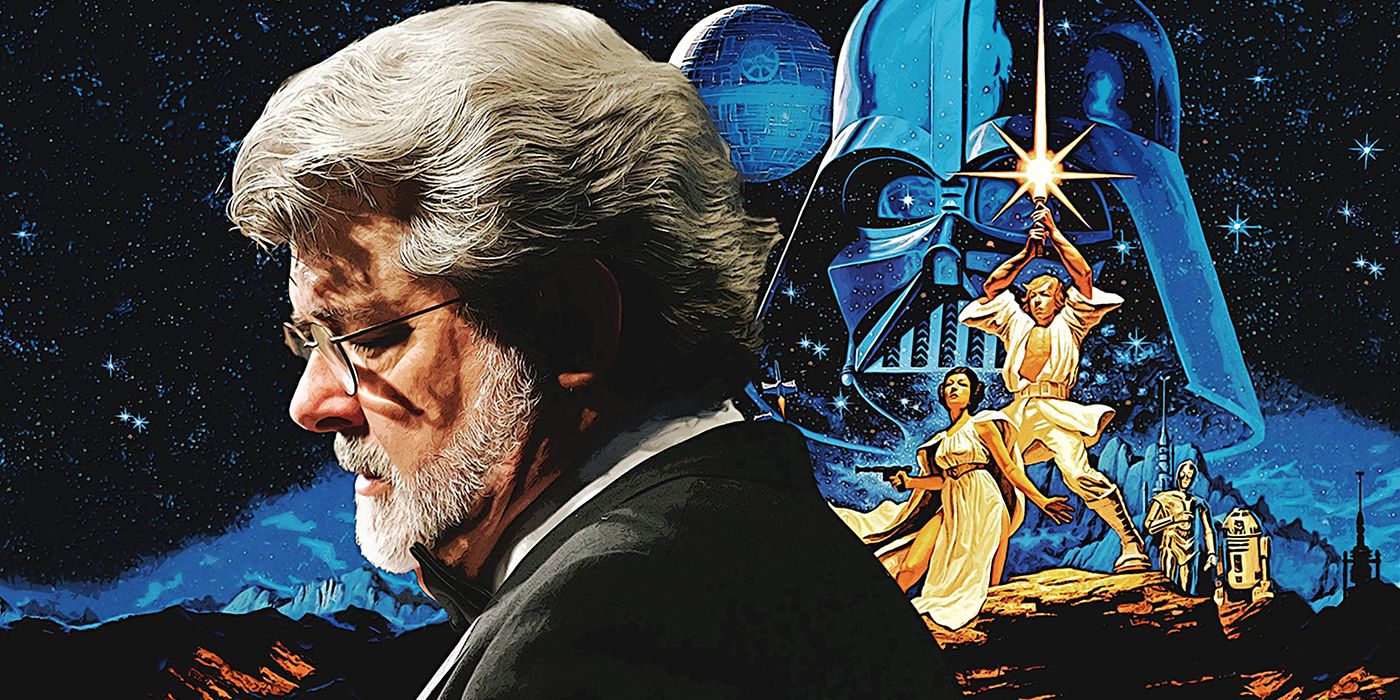
This highlights a key lesson in brand management: the founder often prioritizes the integrity of the concept, while the corporate steward prioritizes the accessibility of the brand. Lucas felt the sequels lacked the “feeling” of his films because they were built by a committee of writers and directors rather than being guided by a singular, unified brand voice.
The Marketing Pivot: From Experimental Epic to Safest Bet
Under Lucas, Star Wars was an experimental brand. He used his own money to fund projects, allowing him to take massive creative risks (such as the digital cinematography of the early 2000s). Once the brand moved to Disney, the financial stakes shifted. Every decision was filtered through marketing departments and consumer data.
Brand Dilution vs. Brand Expansion
Lucas has often spoken about the “commercialization” of his work, which is ironic given his own mastery of merchandising. However, there is a distinction between a brand that sells toys and a brand that is built to sell toys. Lucas felt that Disney’s approach to the sequels was overly focused on fan service—giving the audience exactly what it wanted rather than what it needed.
In the world of luxury or high-end branding, giving the customer exactly what they want can actually lead to brand dilution. A brand loses its “prestige” if it stops leading and starts following. Lucas’s dissatisfaction stems from the feeling that Star Wars moved from being a trend-setter to a trend-follower. The sequels mirrored the structure of the Original Trilogy so closely that they risked becoming a “tribute act” rather than a continuation of the brand’s history.
Lessons in IP Management: The Founder’s Remorse
The “Founder’s Remorse” experienced by Lucas is a common case study in corporate acquisitions. When a brand is so closely tied to an individual’s identity, the sale of that brand often leads to a public struggle for “soul ownership.” Lucas has been described as a “divorced father” watching someone else raise his children.
From a brand strategy perspective, Disney succeeded in the short term by generating billions in revenue and revitalizing the brand’s presence in theme parks and streaming. However, the lack of a cohesive “Lucas-like” vision led to a fractured fan base and a decline in box office returns by the end of the trilogy (The Rise of Skywalker). This suggests that while a corporate entity can manage a brand’s assets, it is much harder to replicate a brand’s inspiration.
Redefining the Star Wars Brand for the Post-Lucas Era
Ultimately, George Lucas’s opinion of the sequels serves as a cautionary tale for any brand undergoing a transition of leadership. It highlights the necessity of balancing a brand’s heritage with its future growth.
Legacy Maintenance as a Business Strategy
Disney has since adjusted its brand strategy, moving away from the “nostalgia-only” approach of the sequels to the more nuanced “Expanded Universe” approach seen in The Mandalorian and Andor. These projects have found a middle ground—respecting the aesthetic “brand guidelines” established by Lucas while introducing new characters and tones.
Interestingly, Lucas has been seen visiting the sets of these newer shows, suggesting he is more comfortable with a brand that explores new corners of his galaxy rather than one that simply rehashes his greatest hits. For Disney, the lesson was clear: to maintain the Star Wars brand, they needed to respect the founder’s “spirit of innovation” even if they didn’t use his specific scripts.
The Verdict: A Brand Divided?
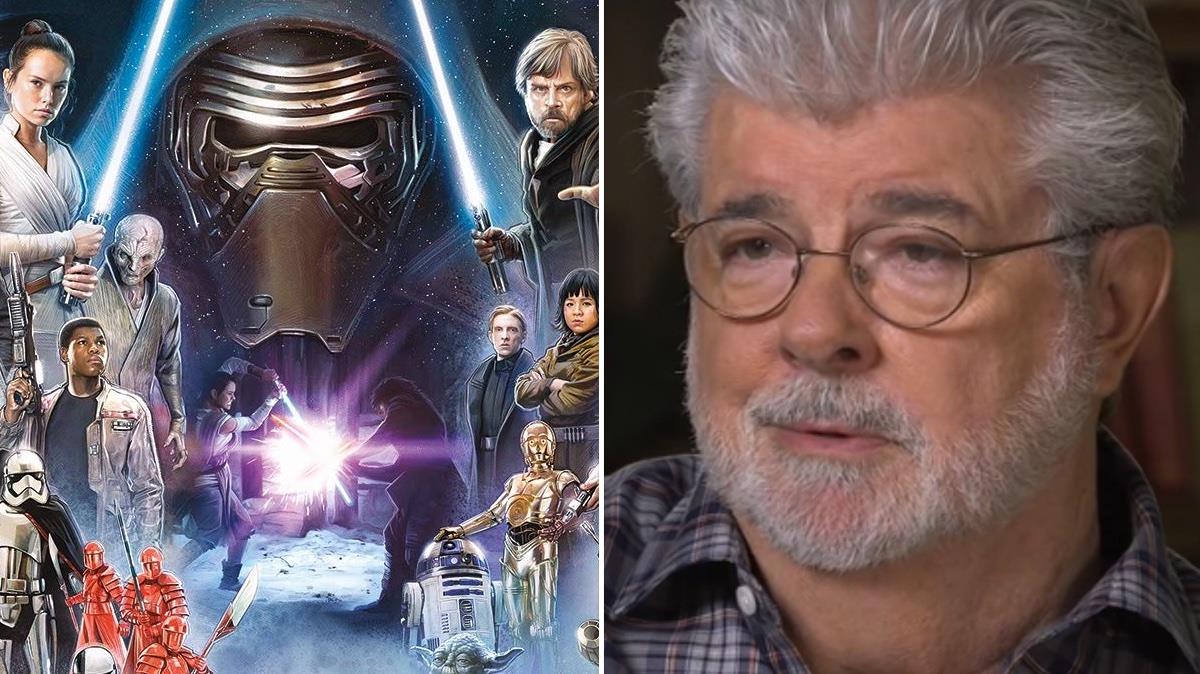
What does George Lucas think of the sequels? He thinks they are technically proficient but creatively hollow. He views them as a missed opportunity to push the medium of cinema forward. In his view, the Star Wars brand should be a beacon of experimentalism, not a curated collection of nostalgic tropes.
From a brand equity standpoint, the sequels were a success; they introduced Star Wars to a new generation and solidified its place in the Disney ecosystem. But from a brand vision standpoint, they represent a departure from the singular, auteur-driven identity that Lucas created. The friction between Lucas and the sequels is a reminder that in the world of global brands, the most valuable asset isn’t just the logo or the characters—it’s the “why” behind the creation. As Disney continues to navigate the post-Lucas era, the challenge remains: how to grow a multi-billion dollar brand without losing the “force” that made it legendary in the first place.
aViewFromTheCave is a participant in the Amazon Services LLC Associates Program, an affiliate advertising program designed to provide a means for sites to earn advertising fees by advertising and linking to Amazon.com. Amazon, the Amazon logo, AmazonSupply, and the AmazonSupply logo are trademarks of Amazon.com, Inc. or its affiliates. As an Amazon Associate we earn affiliate commissions from qualifying purchases.