
A “fasting lab,” in its most common and clinically relevant interpretation, refers to a series of diagnostic medical tests performed after a period of abstinence from food and drink (except water). These tests are critical for accurately assessing various biomarkers in the body, which can fluctuate significantly post-prandially. From a financial perspective, understanding these labs involves not just the direct cost of the tests but also their broader impact on personal finance, long-term health investment, and even potential business ventures in the wellness sector.
Understanding the Financial Implications of Diagnostic Fasting Labs
The decision to undergo a fasting lab is often driven by medical necessity or preventative health goals, but it invariably carries financial considerations. These can range from the direct costs of the tests to the potential savings from early disease detection and management.
The Core Concept: Diagnostic Tests Requiring Fasting
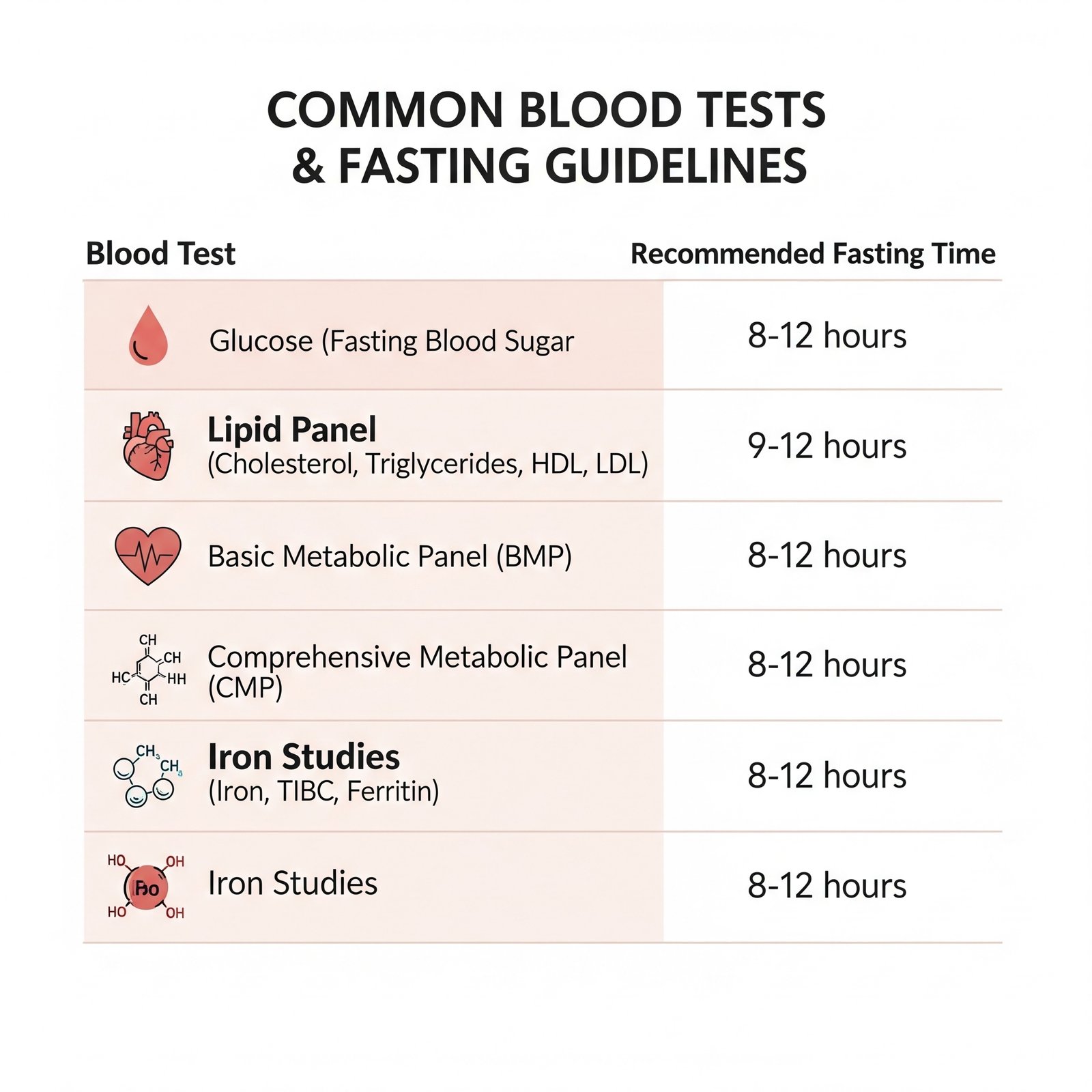
At its heart, a fasting lab refers to the requirement for a patient to fast, typically for 8-12 hours, before blood or urine samples are collected. This preparation is crucial because the intake of food and beverages, particularly those containing sugars and fats, can dramatically alter blood concentrations of various substances. For instance, consuming a meal before a glucose test would provide an artificially high reading, masking true underlying metabolic conditions. Therefore, a “fasting lab” isn’t a single physical location distinct from other labs, but rather a specific protocol applied to a range of common diagnostic procedures within a standard clinical laboratory setting.
Typical Fasting Lab Tests and Their Costs
Several common blood tests necessitate fasting to ensure accurate results. Understanding the typical costs associated with these can help individuals budget for their healthcare needs.
- Fasting Blood Glucose (FBS): This test measures blood sugar levels after a fast and is primary for diagnosing and monitoring diabetes and prediabetes. The cost can range from $10 to $50 without insurance, though it’s often included in broader panels.
- Lipid Panel (Cholesterol Test): This comprehensive test measures total cholesterol, LDL (bad) cholesterol, HDL (good) cholesterol, and triglycerides. Fasting is essential for accurate triglyceride measurement. Prices typically range from $30 to $100.
- Basic Metabolic Panel (BMP) and Comprehensive Metabolic Panel (CMP): These panels assess various aspects of metabolism, including glucose, electrolytes, kidney function (BUN, creatinine), and liver function (CMP adds proteins and liver enzymes). While some components don’t strictly require fasting, doing so provides a more consistent baseline. Costs can range from $20 for a BMP to $150 for a CMP.
- Gamma-Glutamyl Transferase (GGT): This liver enzyme test is often part of a liver panel and may require fasting.
- Iron Studies: For accurate assessment of iron levels, especially Total Iron Binding Capacity (TIBC) and transferrin saturation, fasting is often recommended.
These figures represent cash prices and can vary significantly based on the lab provider (e.g., Quest Diagnostics, LabCorp, independent labs), geographic location, and whether they are part of a larger bundled service. With insurance, the out-of-pocket cost will depend on the plan’s deductible, co-pay, and co-insurance.
Investing in Your Health: The Long-Term Financial Value of Fasting Labs
While there’s an immediate cost associated with fasting labs, viewing them as a crucial component of preventative healthcare highlights their significant long-term financial value. Early detection and management of conditions can avert more costly interventions down the line.
Preventative Care as a Financial Strategy
Regular health screenings, including fasting labs, are a cornerstone of preventative health. Detecting conditions like prediabetes, high cholesterol, or early kidney disease before they manifest into chronic, debilitating illnesses can save substantial sums. For example, managing prediabetes through lifestyle changes is far less expensive than managing full-blown Type 2 diabetes, which can incur annual medical costs thousands of dollars higher, not to mention indirect costs like lost productivity. Similarly, controlling cholesterol can prevent heart attacks and strokes, conditions that demand extensive and costly medical procedures, rehabilitation, and long-term medication. Investing a modest amount in regular fasting labs is, therefore, a shrewd financial strategy for safeguarding future wealth and quality of life.
Insurance Coverage and Out-of-Pocket Expenses
Most health insurance plans, under the Affordable Care Act (ACA) or employer-sponsored benefits, cover a range of preventative services, including many routine fasting lab tests. However, the extent of coverage varies:
- Preventative vs. Diagnostic: If a fasting lab is ordered as part of an annual wellness check-up (preventative), it may be covered 100% without counting towards the deductible. If it’s ordered to diagnose or monitor an existing condition (diagnostic), it may be subject to co-pays, co-insurance, or the deductible.
- In-Network vs. Out-of-Network: Utilizing in-network labs is crucial for minimizing costs, as out-of-network services often incur significantly higher out-of-pocket expenses.
- Deductibles and Co-insurance: Many plans have high deductibles that must be met before insurance begins to pay a larger share. After the deductible, co-insurance (a percentage of the cost) may apply until an out-of-pocket maximum is reached.
Understanding your specific insurance plan’s benefits is essential for anticipating and managing the financial aspect of fasting labs.
Navigating High Deductibles and HSAs
For individuals with high-deductible health plans (HDHPs), managing the cost of diagnostic tests like fasting labs requires careful planning. Health Savings Accounts (HSAs) can be invaluable tools in this scenario. Contributions to an HSA are tax-deductible, the money grows tax-free, and withdrawals for qualified medical expenses (including lab tests) are also tax-free. This triple tax advantage makes HSAs an excellent financial vehicle for saving and paying for medical expenses, including those incurred before meeting a deductible. By contributing regularly to an HSA, individuals can effectively pre-pay for routine or unexpected medical costs, significantly cushioning the financial impact of fasting labs and other healthcare services.
The Business of Wellness: Fasting Labs as an Entrepreneurial Venture
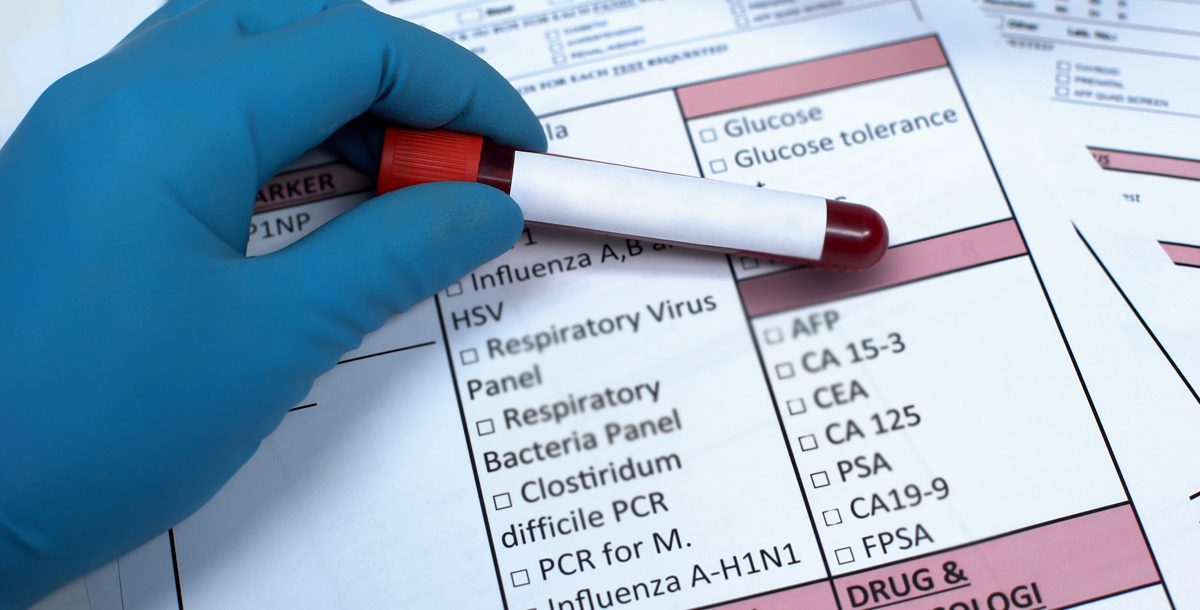
Beyond personal finance, the concept of a “Fasting Lab” can also be viewed through an entrepreneurial lens. With a growing focus on personalized health, preventative care, and metabolic wellness, specialized services around diagnostic testing, particularly those requiring specific preparations like fasting, represent a viable business model.
Startup Costs and Operational Overheads
Establishing a diagnostic lab, even one specializing in a specific set of tests like fasting panels, involves substantial startup capital. Key expenses include:
- Real Estate: Lease or purchase of suitable commercial space.
- Equipment: Specialized analytical instruments (e.g., automated chemistry analyzers, immunoassay systems), centrifuges, microscopes, refrigeration units, safety equipment. These can range from tens of thousands to hundreds of thousands of dollars.
- Licensing and Accreditation: Obtaining necessary state and federal licenses (e.g., CLIA certification in the U.S.), adhering to safety regulations, and potentially seeking accreditation from bodies like CAP (College of American Pathologists) are costly and time-consuming.
- Staffing: Hiring qualified medical technologists, phlebotomists, administrative staff, and potentially a medical director. Salaries and benefits constitute a significant ongoing operational cost.
- Supplies: Consumables like reagents, test tubes, needles, and PPE.
- Software: Laboratory Information Management Systems (LIMS) for managing samples, results, and reporting.
Operational overheads include rent, utilities, insurance, equipment maintenance, quality control programs, and ongoing staff training. A detailed business plan and robust financial projections are critical for any entrepreneur considering this space.
Revenue Models and Market Demand
The revenue model for a fasting lab typically revolves around charging for individual tests or bundled panels. Key drivers of market demand include:
- Physician Referrals: Collaborating with local physicians and healthcare systems for patient referrals.
- Direct-to-Consumer (DTC) Testing: With increasing consumer interest in proactive health management, offering DTC services (where permissible by state law) allows individuals to order their own tests. This requires robust online platforms and clear result interpretation.
- Corporate Wellness Programs: Partnering with businesses to offer health screenings for employees as part of wellness initiatives.
- Niche Specialization: Focusing on specific areas like metabolic health, hormone balance, or nutritional deficiencies, where fasting labs are particularly relevant.
Pricing strategies must balance competitive market rates with the high cost of operations and the value provided to patients.
Scaling and Investment Opportunities
For a successful fasting lab business, scaling opportunities often involve:
- Expanding Service Offerings: Introducing new or more advanced diagnostic tests.
- Geographic Expansion: Opening multiple lab locations or establishing mobile phlebotomy services.
- Technology Integration: Investing in advanced automation, AI-driven analytics, or telemedicine platforms to enhance efficiency and reach.
- Partnerships: Forming alliances with health tech companies, nutritionists, or fitness centers to offer integrated wellness solutions.
Investment opportunities in this sector can attract venture capitalists interested in health tech, diagnostic services, or the broader wellness economy. Demonstrating profitability, scalability, and a clear market advantage is essential for securing external funding.
Financial Tools and Planning for Fasting Lab Services
Effective financial planning is paramount for individuals and businesses engaging with fasting labs. Leveraging available tools and strategies can optimize costs and maximize value.
Budgeting for Preventative Health
Integrating preventative health costs, including regular fasting labs, into a personal or family budget is a proactive financial move. Allocating a specific amount monthly or annually for health screenings, doctor visits, and wellness activities ensures that these vital services are not neglected due to perceived high costs. This budget line item should consider potential co-pays, co-insurance, and amounts needed to meet deductibles. For businesses, meticulous budgeting for lab supplies, equipment maintenance, and personnel is critical for sustainable operations.
Leveraging Employer Wellness Programs
Many employers offer wellness programs that include free or discounted health screenings, often encompassing fasting lab tests. These programs are designed to promote employee health, reduce absenteeism, and control healthcare costs. Employees should actively inquire about and participate in these programs, as they can represent a significant financial benefit, allowing access to valuable diagnostic information without direct out-of-pocket costs. Businesses operating fasting labs can also seek partnerships with corporations to become preferred providers for such wellness initiatives.

Comparing Providers and Negotiating Costs
For individuals paying out-of-pocket or with high deductibles, comparing prices among different lab providers can yield substantial savings. Websites and apps exist that allow users to compare cash prices for common lab tests. Additionally, some independent labs or direct-to-consumer services offer bundled panels at a lower cost than individual tests. In certain situations, it might be possible to negotiate prices directly with labs or billing departments, especially for uninsured patients or large test orders. Always confirm what specific tests are included in a panel and whether all necessary follow-up services (e.g., physician review of results) are accounted for in the quoted price. For businesses, negotiating bulk rates with suppliers for reagents and consumables can significantly impact profitability.
aViewFromTheCave is a participant in the Amazon Services LLC Associates Program, an affiliate advertising program designed to provide a means for sites to earn advertising fees by advertising and linking to Amazon.com. Amazon, the Amazon logo, AmazonSupply, and the AmazonSupply logo are trademarks of Amazon.com, Inc. or its affiliates. As an Amazon Associate we earn affiliate commissions from qualifying purchases.