
In countless industries, from construction and telecommunications to manufacturing and maintenance, working at height is an inherent part of the job. While essential, elevated work platforms, scaffolding, roofs, and even ladders present significant risks, chief among them being the danger of falling. A fall can lead to severe injury, permanent disability, or even death, not to mention the immense financial and reputational repercussions for businesses. This is where a fall arrest system becomes not just a piece of equipment, but a critical line of defense, a legal necessity, and a testament to an organization’s commitment to safety and employee well-being.
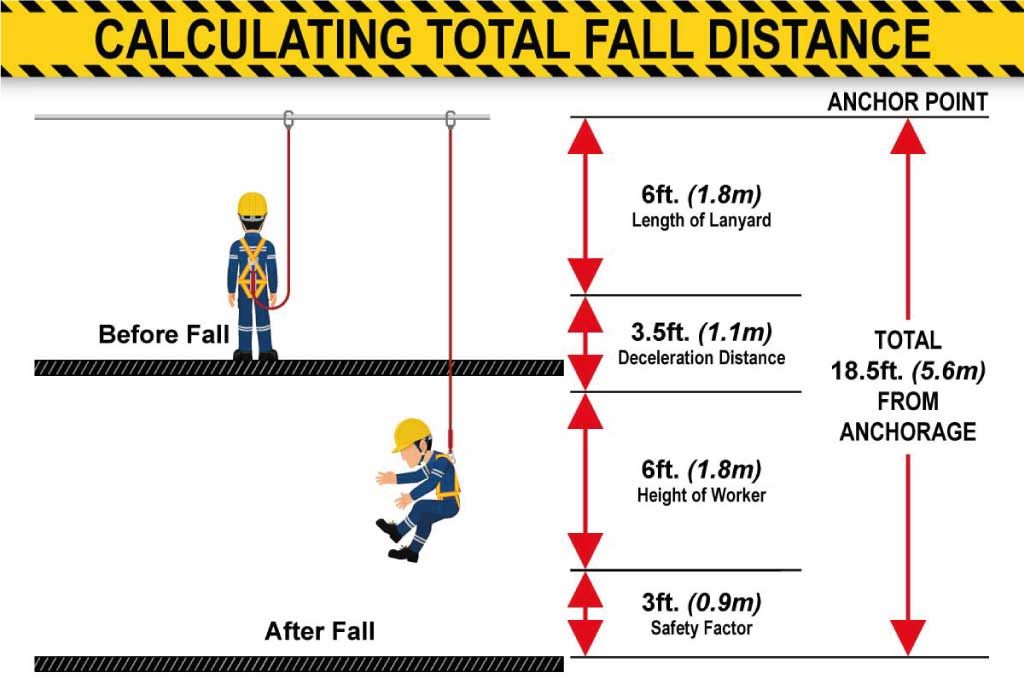
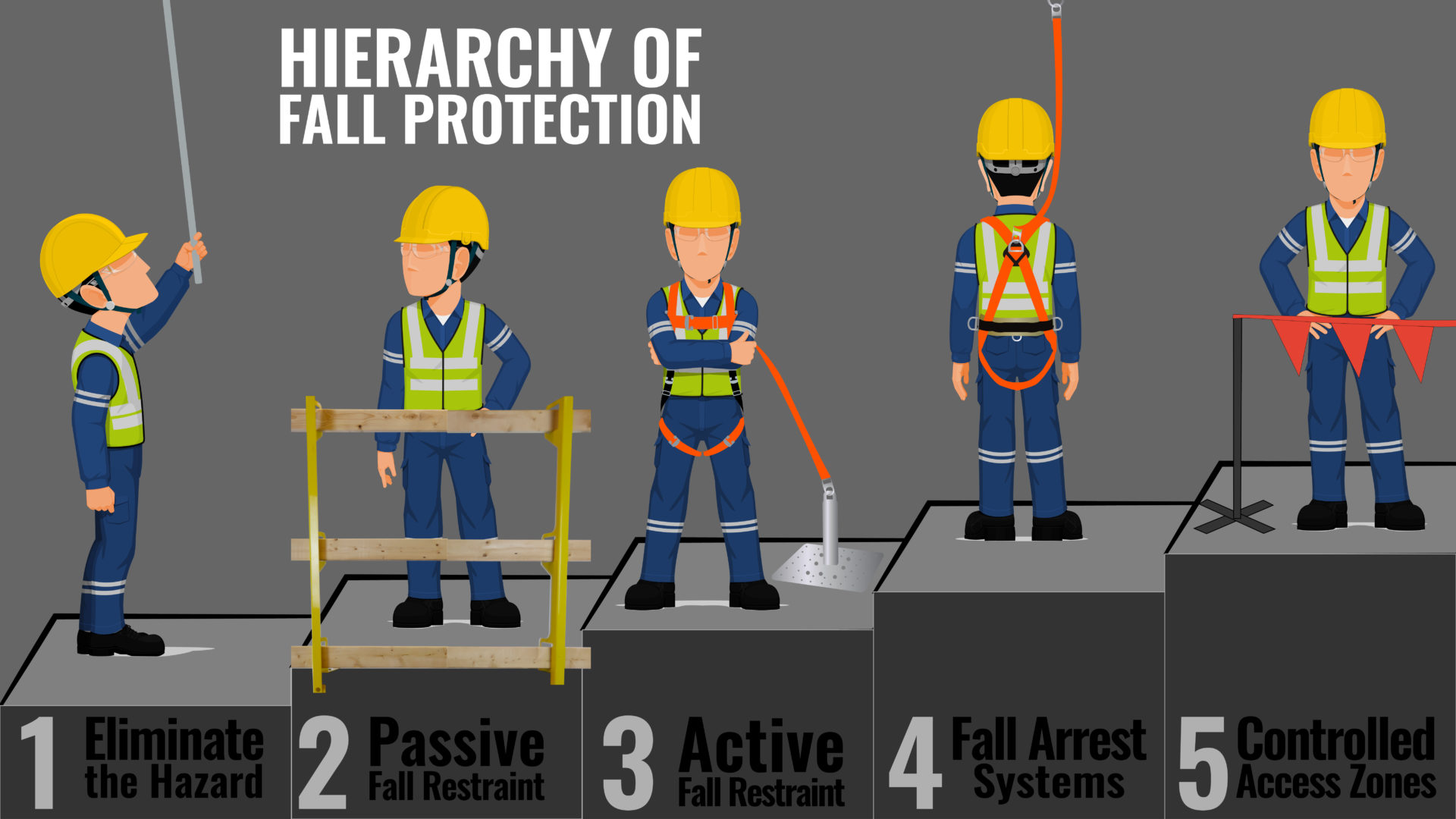
At its core, a fall arrest system is a personal protective system designed to safely stop a worker from hitting the ground or lower level after an accidental fall. Unlike fall prevention systems, which aim to stop a fall from occurring in the first place (e.g., guardrails), a fall arrest system activates after a fall has initiated. Its purpose is to arrest the fall safely, minimizing the force exerted on the worker’s body and allowing for subsequent rescue. Far from a single item, it is a comprehensive system of interconnected components, each playing a vital role in the overarching goal of saving lives and mitigating injuries. Understanding these components, alongside the technological innovations, brand implications, and financial considerations, reveals why fall arrest systems are indispensable in modern high-risk work environments.
The Core Components: A System of Safety
A fall arrest system is not merely a harness; it’s an integrated assembly of specialized equipment working in concert. Industry standards, such as those set by OSHA (Occupational Safety and Health Administration) in the United States or EN standards in Europe, mandate specific requirements for these components to ensure their efficacy and safety. A complete and compliant system typically comprises three fundamental elements, often referred to as the “ABC’s,” along with critical supplementary devices.
The ABCs: Anchorage, Body Support, Connecting Device
-
Anchorage (A): The anchor point is the secure point to which the rest of the fall arrest system is attached. It is arguably the most critical component, as its failure would render the entire system useless. An anchorage connector must be capable of supporting a substantial amount of weight – typically 5,000 pounds (22.2 kN) per worker attached, or engineered to support twice the maximum anticipated impact load. Anchor points can be permanent structures like steel I-beams, specially designed anchor devices that clamp onto structures, or temporary anchors that are installed for specific tasks. Their placement is crucial, ideally positioned directly overhead to minimize swing fall hazards.
-
Body Support (B): This is the component worn by the worker, designed to distribute fall arrest forces safely across the body. The most common form of body support is the full-body harness. Unlike older safety belts that focused force around the waist (which could lead to severe internal injury in a fall), a full-body harness distributes the impact force across the shoulders, chest, and legs. It features straps that wrap around the torso and legs, connected by buckles and D-rings. The dorsal D-ring (on the back, between the shoulder blades) is the primary attachment point for fall arrest purposes, chosen to keep the worker upright after a fall, reducing the risk of further injury.
-
Connecting Device (C): This is the link between the body harness and the anchorage point. The most common connecting devices are lanyards and self-retracting lifelines (SRLs).
- Lanyards: A lanyard is a flexible line of rope, wire rope, or webbing with connectors on each end. For fall arrest, a lanyard must incorporate an energy absorber, which is a specialized component designed to dissipate the forces generated during a fall. This absorber extends or tears to gradually slow the worker down, limiting the force transmitted to the body to safe levels (typically below 1,800 lbs or 8 kN). Lanyards come in fixed lengths, often 6 feet, meaning they are best suited for situations where the fall distance is limited.
- Self-Retracting Lifelines (SRLs): Often referred to as “fall limiters,” SRLs function similarly to a car’s seatbelt. They allow the worker a greater range of movement by automatically extending and retracting with the worker’s motion. In the event of a fall, an internal braking mechanism locks the line, arresting the fall within a very short distance. SRLs are highly effective in reducing fall distances and minimizing swing fall hazards due to their constant tension.
Deceleration and Rescue: Completing the Picture
Beyond the ABCs, other crucial elements contribute to a safe fall arrest system:
- Deceleration Devices: While often integrated into lanyards and SRLs, understanding their function is key. Their sole purpose is to reduce the impact force of a fall by extending the deceleration distance and absorbing energy, protecting the worker from sudden, jarring stops.
- Rescue Plan and Equipment: A fall arrest system only solves half the problem. Once a fall has been arrested, the worker is left suspended. Prolonged suspension can lead to “suspension trauma” (also known as orthostatic intolerance or harness hang syndrome), a life-threatening condition where blood pools in the legs, reducing return flow to the heart and brain. Therefore, a comprehensive rescue plan is mandatory, outlining how a suspended worker will be promptly and safely retrieved. This often involves specific rescue equipment, such as retrieval systems, descent devices, and trained rescue personnel.
The “Tech” Edge: Innovating Fall Safety
The world of fall arrest systems is far from static. Like many industrial sectors, it is increasingly influenced by technology trends, leveraging AI tools, IoT gadgets, and software solutions to enhance safety, improve compliance, and boost productivity. This integration of technology is transforming how fall protection is designed, implemented, and managed, pushing the boundaries of what’s possible in workplace safety.
Smart Systems: IoT, Sensors, and Real-time Monitoring
The advent of the Internet of Things (IoT) is revolutionizing personal protective equipment (PPE). Modern fall arrest harnesses and connecting devices can now be equipped with embedded sensors. These smart components can monitor various parameters in real-time:
- Impact Detection: Sensors can register a fall event, sending immediate alerts to supervisors or emergency services.
- Usage Monitoring: Tracking how often equipment is used, if it’s being worn correctly, or if it has sustained an impact, which is vital for maintenance and compliance.
- Location Tracking: GPS or other localization technologies can pinpoint a fallen worker’s exact position, significantly speeding up rescue efforts, especially in large or complex work sites.
- Environmental Sensing: Some advanced systems can even incorporate sensors for hazardous gases or extreme temperatures, providing a more holistic safety picture.
This data can be wirelessly transmitted to a central dashboard or mobile app, providing supervisors with unprecedented oversight and enabling proactive interventions.
AI & Predictive Analytics: Beyond Reactive Safety
The data collected by smart fall arrest systems feeds into powerful AI algorithms and predictive analytics. This isn’t just about reacting to a fall; it’s about anticipating and preventing them. AI can analyze usage patterns, inspection logs, environmental data, and incident reports to:
- Predict Equipment Failure: Identifying components nearing their end-of-life or showing signs of excessive wear before they become dangerous.
- Identify High-Risk Zones/Activities: Pinpointing specific areas or tasks where falls are more likely, allowing for targeted safety interventions or additional training.
- Optimize Training Programs: Tailoring training based on common errors or deficiencies observed through smart system data.
- Simulate Scenarios: Using AI-powered VR/AR tutorials to create realistic fall scenarios, allowing workers to practice procedures and experience the forces of a fall arrest in a safe, controlled environment, thereby enhancing muscle memory and appropriate responses.
Digital Tools for Compliance and Training: Apps and VR
Beyond the hardware, software plays a crucial role. Dedicated apps and platforms are emerging for:
- Digital Inspections: Replacing paper checklists with digital forms for pre-use inspections, enabling immediate reporting of defects, photo capture, and digital sign-offs. This streamlines compliance and creates an auditable trail.
- Asset Management: Tracking individual pieces of equipment, their service history, inspection dates, and certifications. This is critical for managing large inventories of safety gear.
- Worker Training and Certification: Managing training records, issuing digital certificates, and providing access to online safety modules. Virtual Reality (VR) and Augmented Reality (AR) are increasingly used for immersive training experiences, allowing workers to safely practice donning harnesses, connecting to anchors, and simulating rescue procedures without actual exposure to risk. These gadgets make safety training more engaging, effective, and accessible.
Advanced Materials and Ergonomics: Comfort Meets Strength
Technological advancements aren’t just in electronics. Advanced materials are making fall arrest systems lighter, stronger, and more durable. High-performance polymers, specialized webbing, and corrosion-resistant alloys contribute to equipment that can withstand harsher environments and longer lifespans. Simultaneously, ergonomic design principles are paramount. A comfortable harness is more likely to be worn correctly and consistently. Innovations in padding, breathable fabrics, and adjustable features enhance worker comfort, thereby improving compliance and reducing fatigue, which indirectly contributes to safety and productivity.
The “Brand” Impact: Safety as a Cornerstone of Reputation
In today’s interconnected business world, a company’s brand is its most valuable asset. For industries where working at height is common, a robust and technologically advanced fall arrest system isn’t just about regulatory compliance; it’s a powerful statement about a company’s values, directly impacting its brand strategy, corporate identity, and reputation.
Employer Branding and Talent Attraction
Companies with demonstrably strong safety cultures, often evidenced by investment in cutting-edge fall arrest systems and comprehensive safety protocols, are significantly more attractive to prospective employees. In competitive labor markets, particularly for skilled trades, workers seek employers who prioritize their well-being. A reputation for safety translates into a strong employer brand, helping companies attract and retain top talent. Conversely, a poor safety record can lead to difficulties in recruitment, higher employee turnover, and a negative perception in the industry, ultimately damaging the company’s ability to compete.
Manufacturer Branding: Trust, Innovation, and Design
For the manufacturers of fall arrest systems, branding is all about establishing trust, demonstrating innovation, and emphasizing quality. A manufacturer’s brand is built on:
- Reliability: Their products must perform flawlessly when it matters most.
- Innovation: Continuously developing new tech solutions, like smart sensors or advanced materials, positions them as industry leaders.
- Certifications and Compliance: Adherence to international safety standards (e.g., ANSI, CE) is non-negotiable and builds confidence.
- Design and Ergonomics: User-friendly and comfortable equipment enhances worker acceptance and correct usage.
- Case Studies: Showcasing successful implementations and positive safety outcomes in various industries reinforces their expertise and product effectiveness.
Effective marketing from manufacturers focuses on communicating these values, highlighting their commitment to worker safety, and showcasing how their products not only meet but exceed safety expectations.
Corporate Social Responsibility and Ethical Operations
Investing in advanced fall arrest systems and prioritizing worker safety is a clear manifestation of Corporate Social Responsibility (CSR). It demonstrates an ethical commitment to the well-being of employees beyond legal minimums. Companies that prioritize safety are seen as responsible corporate citizens, which can enhance their standing with investors, customers, and the public. This positive perception can open doors to new business opportunities, particularly with clients who prioritize ethical sourcing and responsible contractors. Safety initiatives can become a core pillar of a company’s corporate identity and an integral part of its sustainability report.
Protecting Reputation and Minimizing Risk
A single fall accident can shatter a company’s reputation overnight. News spreads rapidly, especially with social media. The public, media, and regulatory bodies scrutinize companies involved in workplace incidents. Such events can lead to:
- Negative Publicity: Undermining years of brand-building efforts.
- Loss of Trust: From clients, partners, and the community.
- Regulatory Scrutiny: Increased inspections and potential sanctions.
- Investor Concern: Doubts about management’s ability to mitigate risks.
By proactively implementing comprehensive and technologically advanced fall arrest systems, companies demonstrate due diligence and a commitment to risk management. This acts as a protective shield for their brand, mitigating the fallout if an unfortunate incident does occur, and more importantly, drastically reducing the likelihood of such incidents in the first place.
The “Money” Angle: Investing in Safety, Reaping Returns
While the primary motivation for implementing fall arrest systems is the moral imperative to protect human life, the financial implications are profound. From an organizational finance perspective, robust safety programs, including state-of-the-art fall arrest systems, are not merely an expense but a critical investment with a significant return on investment (ROI). Companies ignoring this aspect do so at their peril, facing potentially devastating business finance consequences.
The High Cost of Falls: Fines, Lawsuits, and Lost Productivity
The financial toll of workplace falls is staggering. When a fall occurs, companies face a cascade of direct and indirect costs:
- Regulatory Fines: OSHA and other regulatory bodies impose hefty fines for safety violations, especially those leading to serious injury or fatality. These fines can range from thousands to hundreds of thousands of dollars per incident.
- Legal Fees and Lawsuits: Injured workers, or their families in case of fatality, can pursue civil litigation, leading to costly legal battles, settlements, and damage awards that can run into the millions.
- Workers’ Compensation Premiums: A poor safety record directly leads to higher workers’ compensation insurance premiums, a recurring and substantial business expense.
- Lost Productivity: Injured workers are off the job, leading to lost output. This necessitates hiring temporary staff, overtime for existing employees, or delays in project completion, all of which incur additional costs.
- Investigation Costs: Internal and external investigations into accidents are time-consuming and expensive.
- Reputational Damage: As discussed, a tarnished brand can lead to lost contracts, difficulty in securing new business, and a decline in investor confidence, impacting long-term financial health.
- Morale and Turnover: Accidents can severely impact employee morale, leading to reduced productivity among remaining workers and increased employee turnover, requiring costly recruitment and training.
ROI of Proactive Safety: Reduced Premiums and Enhanced Efficiency
Conversely, investing in high-quality fall arrest systems and comprehensive safety programs yields a strong ROI. The benefits include:
- Reduced Insurance Premiums: Companies with excellent safety records are eligible for lower workers’ compensation and general liability insurance premiums, representing direct savings.
- Increased Productivity: Workers who feel safe and protected are more confident and productive. They are less prone to distraction or hesitation, knowing their employer has invested in their well-being. Smart fall arrest systems, with their comfort and ease of use, further contribute to efficiency.
- Avoided Costs of Accidents: The most significant ROI comes from avoiding the catastrophic costs associated with falls—fines, lawsuits, lost workdays, and reputational damage. An ounce of prevention is truly worth a pound of cure.
- Enhanced Employee Morale and Retention: A safe workplace fosters a positive work environment, leading to happier, more loyal employees and reduced turnover costs.
- Competitive Advantage: Companies with superior safety records are often preferred by clients, particularly in large-scale projects, translating into increased revenue and market share.
Budgeting for Safety: A Strategic Financial Allocation
For sound business finance, the cost of fall arrest systems—including initial purchase, regular inspection, maintenance, and training—must be factored into the operational budget as a strategic investment. This involves:
- Capital Expenditure: Allocating funds for the purchase of high-quality harnesses, lanyards, SRLs, and anchor points. While upfront costs for advanced, tech-enabled systems might be higher, their longer lifespan, enhanced safety features, and data capabilities often justify the investment through long-term savings.
- Operational Expenditure: Budgeting for ongoing inspection, repair, certification, and replacement of equipment. Regular maintenance prevents premature failures and extends the life of assets.
- Training Costs: Investing in comprehensive and recurrent training programs for all workers using fall arrest systems, including hands-on practice and potentially VR simulations. This is a critical investment in human capital.
- Financial Tools: Utilizing financial tools and software to track safety expenditure, calculate ROI, and demonstrate the financial benefits of safety investments to stakeholders. This data-driven approach strengthens the case for continued and increased safety spending.

Insurance, Compliance, and Long-term Financial Health
Adherence to safety regulations and the use of approved fall arrest systems are crucial for maintaining insurable status and avoiding penalties. Non-compliance can lead to voided insurance policies, leaving a company fully exposed to the financial liabilities of an accident. From a long-term financial health perspective, investing in safety is about building a resilient, sustainable business that protects its most valuable assets: its people and its reputation. This foresight contributes to a stable financial outlook, reduced risk profiles for investors, and sustained profitability, distinguishing responsible enterprises in a competitive global economy.
In conclusion, a fall arrest system is much more than a collection of ropes and straps. It is a sophisticated, technologically evolving solution at the intersection of worker protection, corporate responsibility, and sound financial management. Its implementation reflects not just compliance, but a deep-seated commitment to human well-being, a strategic enhancement of a company’s brand, and a wise investment that generates significant financial returns by preventing costly tragedies. As technology continues to advance, these systems will only become more intelligent, more effective, and more central to ensuring that every worker who steps off the ground can return home safely.
aViewFromTheCave is a participant in the Amazon Services LLC Associates Program, an affiliate advertising program designed to provide a means for sites to earn advertising fees by advertising and linking to Amazon.com. Amazon, the Amazon logo, AmazonSupply, and the AmazonSupply logo are trademarks of Amazon.com, Inc. or its affiliates. As an Amazon Associate we earn affiliate commissions from qualifying purchases.