
In the modern era of computing, the optical drive has largely become a relic of the past. As laptops become thinner and desktop cases prioritize airflow and aesthetics over legacy hardware, the method of installing operating systems has shifted entirely toward the Universal Serial Bus (USB). Installing Windows from a USB drive—often referred to as “booting from USB”—is not only faster than using traditional DVDs but also more reliable and versatile. Whether you are building a new high-end gaming rig, upgrading an aging workstation, or performing a clean install to reclaim system performance, mastering the art of the USB installation is a fundamental skill for any tech enthusiast.
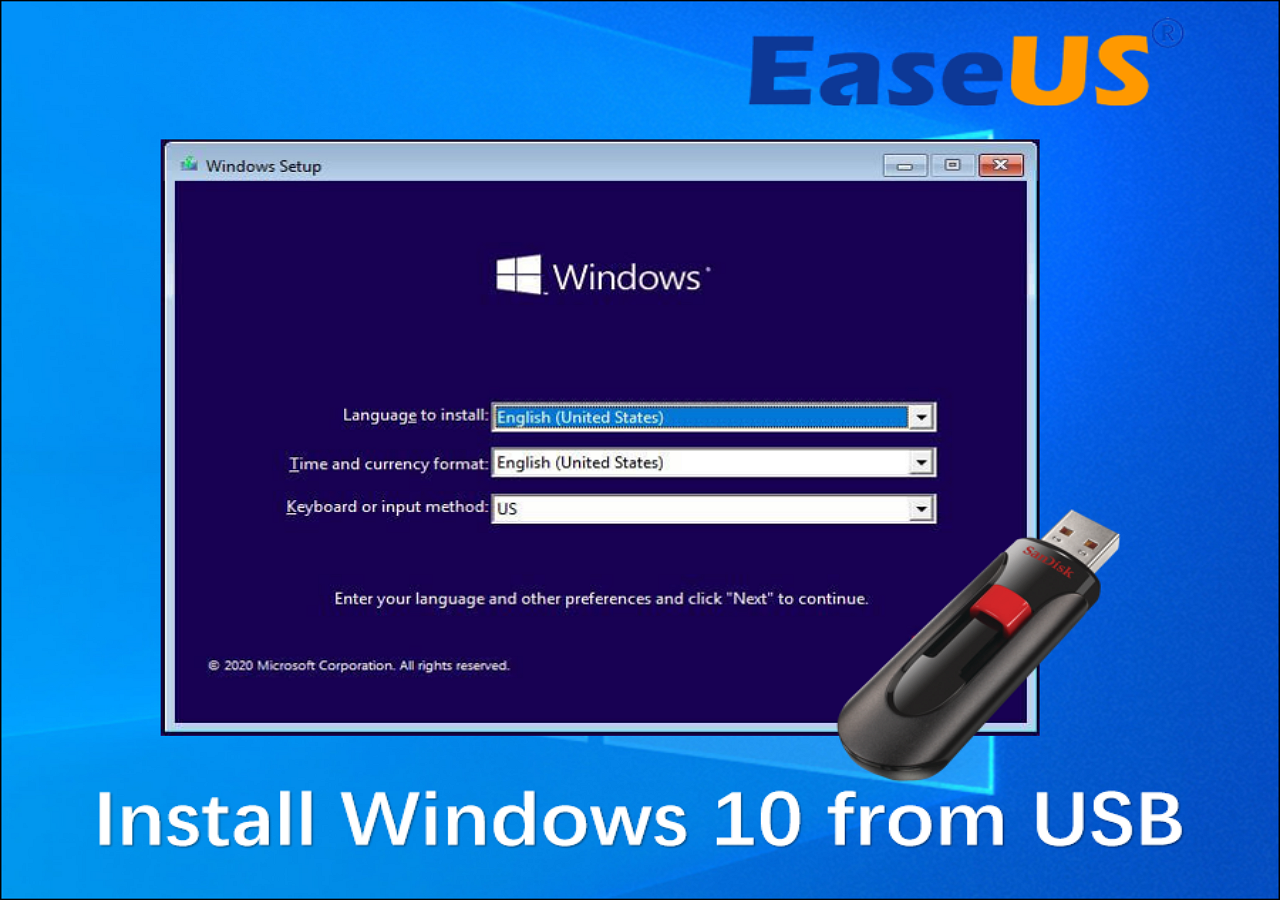
This guide provides a professional, deep-dive walkthrough of the entire process, from preparing the installation media to configuring the system firmware and finalizing the software environment.
Understanding the Prerequisites and Preparation
Before diving into the technical execution, it is imperative to ensure that your hardware and data are ready for the transition. A “clean install” involves wiping the primary partition of your storage drive, which means any oversight in preparation can lead to data loss or hardware incompatibility.
Hardware Requirements and System Compatibility
The first step is verifying that the target machine meets the minimum requirements for the version of Windows you intend to install. For Windows 11, this includes a compatible 64-bit processor, at least 4GB of RAM, 64GB of storage, and—most critically—a Trusted Platform Module (TPM) version 2.0 and UEFI Secure Boot capability. Windows 10 is more forgiving but still requires a minimum of 2GB of RAM for the 64-bit version.
Choosing the Right USB Flash Drive
Not all USB drives are created equal. For a Windows installation, you require a drive with at least 8GB of capacity. However, for a smoother experience, a USB 3.0 or 3.1 drive is highly recommended. The read/write speeds of USB 3.0 significantly reduce the time spent in the “Expanding Windows Files” stage of the installation. Note that the creation process will completely format the drive, so ensure the USB itself contains no critical data.
Backing Up Your Essential Data
If you are reinstalling Windows on an existing machine, backup is non-negotiable. While Windows offers an “Upgrade” path that keeps files, a “Custom” install (which provides the best performance) deletes existing applications and system settings. Use an external hard drive or a cloud service like OneDrive or Google Drive to secure your documents, browser profiles, and specialized software configurations before proceeding.
Creating a Bootable Windows Installation Media
Once your hardware is ready, you must transform a standard USB flash drive into a “bootable” device. This involves more than just dragging and dropping an ISO file; the drive must be formatted with a specific boot sector that the motherboard’s firmware can recognize.
Using the Official Media Creation Tool
Microsoft provides a proprietary Media Creation Tool (MCT) for both Windows 10 and Windows 11. This is the most straightforward method for most users. After downloading the tool from Microsoft’s official website, you select “Create installation media for another PC.” The tool then handles the downloading of the latest build, the formatting of the USB drive to the FAT32 file system (required for UEFI boot), and the extraction of the installation files.
Utilizing Third-Party Tools like Rufus for Advanced Users
For power users or those dealing with specific hardware constraints, Rufus is the industry-standard alternative. Rufus allows for greater granularity, such as choosing between GPT (GUID Partition Table) for modern UEFI systems or MBR (Master Boot Record) for older BIOS systems. Furthermore, Rufus can bypass certain Windows 11 requirements, such as the TPM 2.0 or mandatory Microsoft Account login, by modifying the installation image during the flash process.
Verifying the ISO Integrity
If you choose to download an ISO file directly rather than using the MCT, it is a best practice to verify the SHA-256 hash of the file. This ensures that the download was not corrupted and has not been tampered with, providing a layer of digital security before you introduce the software to your hardware’s root level.

Configuring Your BIOS/UEFI for USB Booting
With the bootable USB drive in hand, the next hurdle is the computer’s firmware. The BIOS (Basic Input/Output System) or the more modern UEFI (Unified Extensible Firmware Interface) controls which device the computer initializes upon startup.
Accessing the Boot Menu or BIOS Interface
To redirect the boot sequence, you must enter the firmware interface immediately after powering on the PC. This is typically achieved by repeatedly pressing a specific key—usually F2, F12, Del, or Esc—before the Windows logo appears. The exact key varies by motherboard manufacturer (e.g., F2 for Dell/ASUS, F10 for HP).
Disabling Secure Boot and Adjusting Boot Priority
Within the BIOS/UEFI settings, navigate to the “Boot” tab. You have two primary options:
- Boot Override/Menu: This allows you to select the USB drive for a one-time boot without changing permanent settings.
- Boot Priority: You can move the USB drive to the top of the list, ensuring the PC looks at the USB before the internal hard drive.
For modern Windows 11 installations, ensure that “UEFI Mode” is enabled. While “Legacy” or “CSM” (Compatibility Support Module) was common a decade ago, modern hardware performs best—and often requires—the UEFI standard for security and speed.
The Step-by-Step Installation Process
Once the PC successfully boots from the USB, you will be greeted by the Windows Setup environment. This is the core of the installation process.
Navigating the Windows Setup Wizard
The initial screens will ask for your language, time zone, and keyboard layout preferences. After clicking “Install Now,” you will be prompted for a product key. If you are reinstalling on a machine that previously had Windows activated, you can select “I don’t have a product key”; the system will automatically reactivate via a digital license once it connects to the internet.
Partitioning Your Hard Drive or SSD
This is the most critical technical step. When asked “Which type of installation do you want?”, select Custom: Install Windows only (advanced). You will see a list of drives and partitions. For a truly clean install on a single-drive system, delete all existing partitions until you see “Drive 0 Unallocated Space.” Select this space and click “Next.” Windows will automatically create the necessary system partitions (EFI, MSR, and Primary) and begin copying files.
Finalizing Settings and Driver Updates
After the files are copied, the system will reboot (at this point, you can safely remove the USB drive). You will then enter the Out-of-Box Experience (OOBE). Here, you will set up your user account, privacy settings, and regional preferences. Tech-savvy users often recommend disabling unnecessary telemetry options at this stage to enhance privacy.
Post-Installation Best Practices and Security
The appearance of the desktop does not mean the job is finished. A professional setup requires post-installation optimization to ensure the longevity and security of the OS.
Activating Windows and Security Patching
Immediately connect to the internet and navigate to Settings > Windows Update. Run all available updates. This is crucial because the installation media may be several months old, and critical security patches or “Zero Day” fixes may have been released in the interim. Simultaneously, Windows will attempt to activate your license against Microsoft’s servers.
Driver Management and System Optimization
While Windows Update is excellent at finding generic drivers, it often misses the latest optimizations for specialized hardware. Visit the manufacturers’ websites for your Motherboard (Chipset), GPU (Nvidia/AMD/Intel), and specialized peripherals (Audio interfaces, NVMe controllers) to download the latest versions. This ensures maximum stability and performance, particularly in high-demand scenarios like video editing or gaming.
Implementing a Security Baseline
Finally, verify that Windows Security (formerly Windows Defender) is active and updated. In a professional tech environment, this is also the time to set up a non-administrative user account for daily tasks to mitigate the impact of potential malware. By following these structured steps, you transform a simple USB drive into a powerful tool for system deployment, ensuring a clean, fast, and secure computing environment.
aViewFromTheCave is a participant in the Amazon Services LLC Associates Program, an affiliate advertising program designed to provide a means for sites to earn advertising fees by advertising and linking to Amazon.com. Amazon, the Amazon logo, AmazonSupply, and the AmazonSupply logo are trademarks of Amazon.com, Inc. or its affiliates. As an Amazon Associate we earn affiliate commissions from qualifying purchases.