
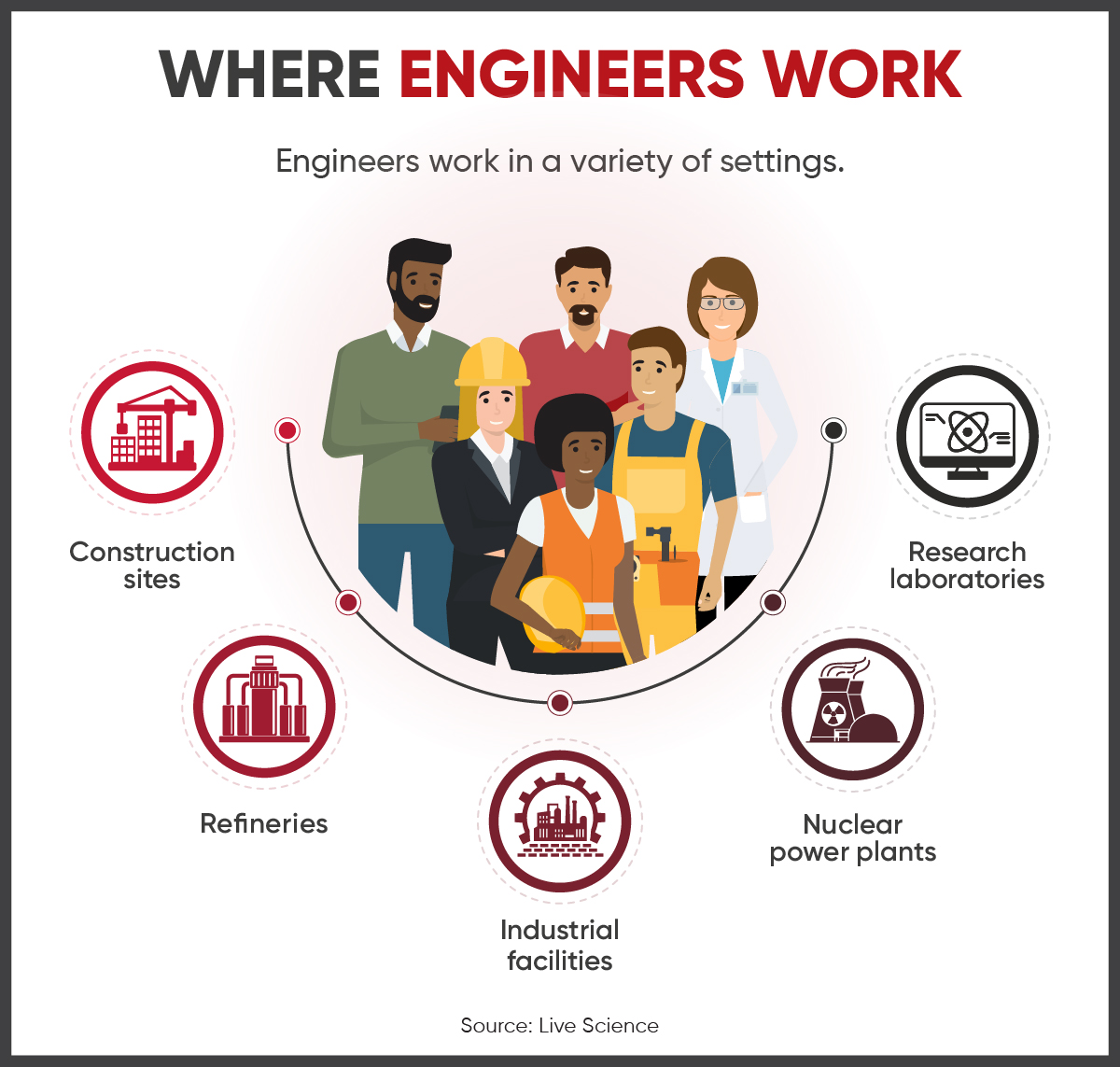
In the contemporary landscape of innovation, the term “engineer” has evolved far beyond its industrial roots. While the image of an individual wearing a hard hat on a construction site remains iconic, the digital revolution has birthed a new breed of professional: the tech engineer. These individuals are the invisible architects of our modern existence, designing the complex systems, software, and infrastructures that power everything from global financial markets to the smartphone in your pocket. To understand what a tech engineer does is to understand the skeletal structure of the digital age.
The Evolution of Engineering in the Digital Era
Traditionally, engineering was defined by the application of science and mathematics to design, build, and maintain structures, machines, and systems. In the realm of technology, this definition holds true, but the medium has shifted from physical materials like steel and concrete to intangible assets like code, data, and logic.
From Hardware to Software
The journey of the modern engineer often begins with the transition from hardware to software. In the early days of computing, engineers were primarily concerned with the physical assembly of circuits and transistors. Today, while hardware engineering remains a vital field, the majority of tech engineers focus on the layer of abstraction above the machine: the software. A software engineer does not just “write code”; they apply engineering principles to software development to ensure reliability, scalability, and maintainability. This shift signifies a move from building static objects to cultivating dynamic, evolving systems.
The Rise of Systems Thinking
Modern tech engineering is characterized by systems thinking. An engineer today rarely works on an isolated component. Instead, they must understand how a single microservice interacts with a global database, how a mobile application communicates with an API, and how user data is secured across multiple cloud environments. What an engineer does is manage complexity. They take a chaotic set of requirements and transform them into a cohesive, functioning ecosystem where every part serves the whole.
Core Responsibilities of a Software and Systems Engineer
At its heart, the role of a tech engineer is centered on problem-solving. However, the “problems” they solve are multifaceted, involving logic, efficiency, and human-centric design. Their daily tasks are a blend of creative synthesis and rigorous technical execution.
Problem Solving and Algorithmic Thinking
The primary output of an engineer is not actually code; it is a solution. When faced with a challenge—such as how to process millions of transactions per second—an engineer utilizes algorithmic thinking. They break down the problem into smaller, manageable pieces and design a step-by-step logic to solve it. This involves selecting the right data structures and ensuring that the solution is optimized for performance. An engineer’s job is to find the most efficient path between a problem and its resolution.
Code Quality and Documentation
A significant portion of an engineer’s time is spent ensuring that their work is sustainable. In the tech niche, this is known as “clean code.” An engineer writes code not just for the machine to execute, but for other humans to read and maintain. This involves rigorous documentation and adhering to industry standards. Without high-quality code and clear documentation, a software product becomes “technical debt”—a messy system that is expensive and difficult to fix later. Engineers act as the guardians of a product’s long-term health.
Collaborative Development and Version Control
Engineering is rarely a solo endeavor. In a modern tech environment, engineers work in large teams across various time zones. They use version control systems, such as Git, to manage changes to the codebase. This allows multiple people to work on the same project simultaneously without overwriting each other’s work. What an engineer does in this context is negotiate technical trade-offs with their peers, participate in “code reviews” to catch errors, and ensure that new features integrate seamlessly with existing systems.
Specialized Engineering Roles within the Tech Landscape

The field of technology is too vast for any one person to master entirely. Consequently, the profession is divided into several specialized niches, each requiring a unique set of skills and a specific focus.
AI and Machine Learning Engineers
In the current era of artificial intelligence, AI and Machine Learning (ML) engineers have become pivotal. These professionals do not just write standard logic; they build models that allow computers to learn from data. An ML engineer designs neural networks and data pipelines that can predict consumer behavior, recognize speech, or drive autonomous vehicles. Their work is at the intersection of high-level mathematics, data science, and traditional software engineering.
Cloud and Infrastructure Engineering
As businesses move away from physical servers toward the cloud, the role of the Cloud Engineer (or DevOps Engineer) has grown in importance. These engineers are responsible for the “plumbing” of the internet. They manage environments on platforms like AWS, Google Cloud, or Microsoft Azure. Their goal is to ensure that applications are “highly available,” meaning they never go down, and “scalable,” meaning they can handle a sudden influx of thousands of users without crashing.
Cybersecurity and Systems Integrity
With the rise of digital threats, cybersecurity engineers have become the frontline defenders of the tech world. These engineers focus exclusively on identifying vulnerabilities within a system and building layers of protection to thwart hackers. They engage in “penetration testing” (simulated attacks) and implement encryption protocols. Their role is to ensure that while a system is functional, it is also impenetrable to unauthorized users.
The Engineering Process: From Concept to Deployment
An engineer’s work follows a structured lifecycle. This process ensures that the final product is not only functional but also meets the needs of the end-user while remaining stable under pressure.
The Agile Methodology and Iterative Design
Most tech engineers work within an “Agile” framework. This means they don’t build a massive project in one go and hope it works. Instead, they work in short cycles called “sprints.” They build a small feature, test it, get feedback, and then iterate. This approach allows engineers to be flexible and responsive to changes in technology or market demands. What an engineer does here is manage the balance between speed of delivery and the stability of the system.
Testing, Quality Assurance, and Continuous Integration
A critical, though often overlooked, part of engineering is testing. Before a single line of code reaches a user, it must pass through various stages of Quality Assurance (QA). Engineers write automated tests that check if the code behaves as expected. They utilize Continuous Integration and Continuous Deployment (CI/CD) pipelines, which automatically build and test the software every time a change is made. This ensures that errors are caught early and that the software remains in a “deployable” state at all times.
The Future of the Profession: AI as a Co-Pilot
The role of the engineer is currently undergoing its most significant transformation yet, driven by the very technology engineers helped create: Artificial Intelligence.
The Rise of AI-Assisted Engineering
Tools like GitHub Copilot and other AI-driven IDEs (Integrated Development Environments) are changing the daily workflow of engineers. AI can now generate boilerplate code, suggest fixes for bugs, and even explain complex codebases to new developers. However, this does not make the engineer obsolete. Instead, it shifts their focus. The engineer of the future will spend less time on the syntax of code and more time on high-level architecture, system security, and ethical considerations.

From Coder to Architect
As AI takes over the repetitive tasks of coding, the engineer’s role is evolving into that of a “Digital Architect.” The focus is shifting toward “Prompt Engineering” and overseeing AI agents. The engineer’s value will increasingly lie in their ability to understand the “why” behind a system, rather than just the “how.” They will be responsible for ensuring that AI-generated systems are ethical, unbiased, and aligned with human needs.
In summary, when we ask “what does an engineer do” in the tech sector, the answer is a blend of builder, problem-solver, and visionary. They are the individuals who translate human needs into the digital languages that define our modern world. Whether they are training a machine learning model, securing a cloud database, or architecting a new mobile app, tech engineers are the essential craftsmen of the 21st century, turning the abstract possibilities of science into the functional realities of our daily lives.
aViewFromTheCave is a participant in the Amazon Services LLC Associates Program, an affiliate advertising program designed to provide a means for sites to earn advertising fees by advertising and linking to Amazon.com. Amazon, the Amazon logo, AmazonSupply, and the AmazonSupply logo are trademarks of Amazon.com, Inc. or its affiliates. As an Amazon Associate we earn affiliate commissions from qualifying purchases.