
The concept of giving is a profound and recurring theme throughout the Bible, touching upon various aspects of human experience and spiritual understanding. While the immediate association for many might be with monetary contributions to religious institutions, a deeper exploration reveals a far richer and more expansive understanding of giving, encompassing not just wealth, but also time, talents, compassion, and even one’s very self. This article delves into the biblical perspective on giving, examining its motivations, principles, and manifold expressions, and ultimately, how it can transform both the giver and the recipient, fostering a more generous and spiritually attuned life.
The Foundational Principle: Generosity as a Divine Attribute
At its core, the biblical understanding of giving is rooted in the character of God Himself. The Bible consistently portrays God as the ultimate giver, the source of all blessings and provisions. Understanding this divine generosity serves as the bedrock for any human act of giving.
God as the Ultimate Giver
The narrative of creation itself is an act of divine giving. God gave humanity dominion over the earth, abundant resources, and the breath of life. Throughout Scripture, God freely gives forgiveness, grace, wisdom, and eternal life. John 3:16 famously declares, “For God so loved the world that he gave his one and only Son, that whoever believes in him shall not perish but have eternal life.” This supreme act of sacrifice underscores the selfless and boundless nature of God’s giving. Recognizing God as the prime example of a giver naturally inspires a desire to emulate His character.
The Motivation for Giving: Love and Gratitude
The primary motivation for giving, according to biblical teachings, is love – both love for God and love for one’s neighbor. Jesus Himself emphasized the second greatest commandment: “Love your neighbor as yourself” (Mark 12:31). This love compels us to share what we have with those in need. Furthermore, giving is often an expression of gratitude for the blessings we have received. When we acknowledge that all we possess ultimately comes from God, we are moved to share those blessings as a testament to our thankfulness. The Apostle Paul writes in 2 Corinthians 9:7, “Each of you should give what you have decided in your heart to give, not reluctantly or under compulsion, for God loves a cheerful giver.” This emphasizes that giving should stem from a willing heart, a joyful response to God’s abundance.
The Spiritual Significance of Giving
Giving is not merely a transactional act; it carries significant spiritual weight. It is seen as an act of worship, a tangible expression of faith, and a means of spiritual growth. When we give, we are actively participating in God’s redemptive work in the world. It fosters humility, reduces materialism, and cultivates dependence on God rather than worldly possessions. Jesus Himself taught, “It is more blessed to give than to receive” (Acts 20:35), highlighting the profound spiritual fulfillment that comes from selfless generosity.
Diverse Expressions of Biblical Giving
While monetary contributions are a significant aspect, the Bible outlines a spectrum of giving that extends far beyond financial donations. True biblical giving involves the offering of oneself and one’s resources in a holistic manner.
Financial Stewardship and Tithes
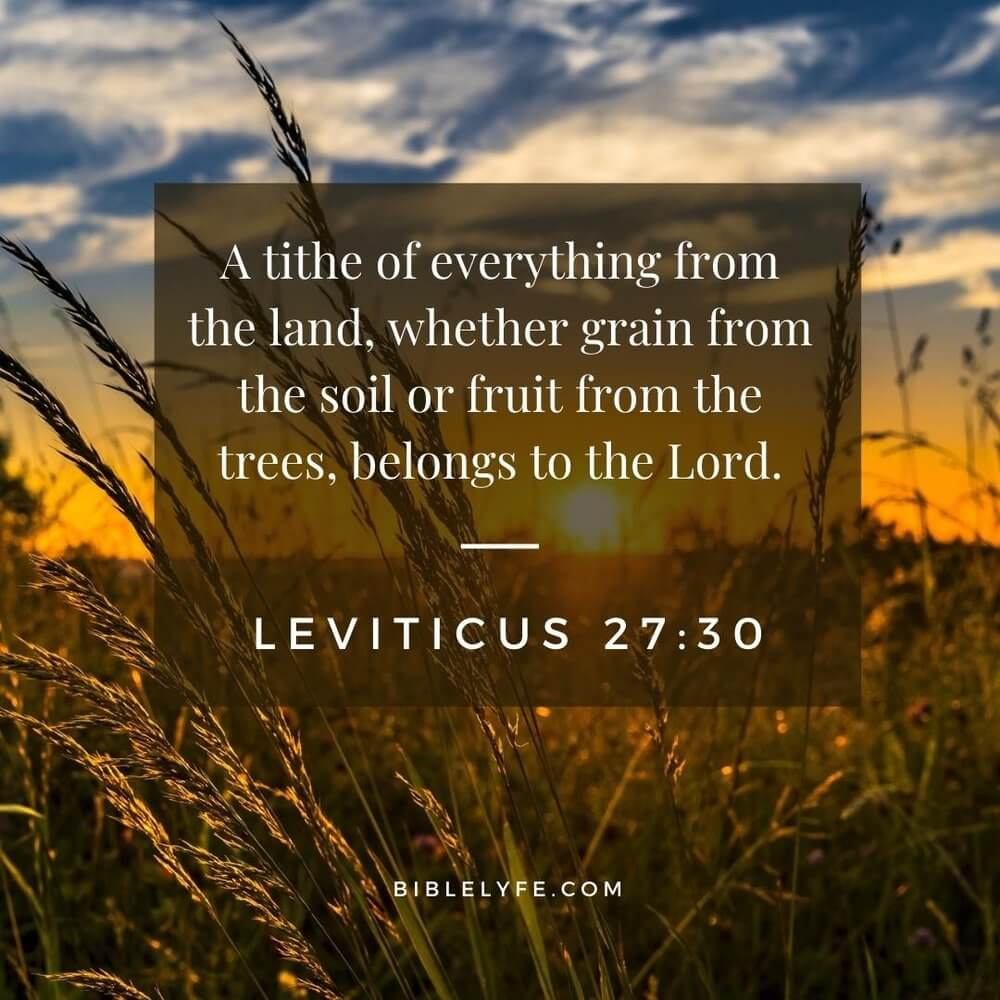
The concept of financial stewardship is central to biblical giving. Christians are called to manage their resources wisely, recognizing that they are stewards of God’s provisions. This includes the practice of tithing – giving a tenth of one’s income back to God, typically through a local church or religious organization. The Old Testament law established tithing as a way to support the Levitical priesthood and care for the poor. While the New Testament doesn’t mandate tithing in the same legalistic way, the principle of generous, proportionate giving remains. Malachi 3:10 encourages, “Bring the whole tithe into the storehouse, that there may be food in my house. Test me in this,” says the Lord Almighty, “and see if I will not throw open the floodgates of heaven and pour out so much blessing that there will not be room enough to store it.” This promise highlights the potential for divine blessing associated with faithful giving. Beyond tithes, the Bible also encourages freewill offerings and sacrificial giving, responding to needs as they arise.
The Gift of Time and Talents
Beyond finances, the Bible places immense value on the giving of time and talents. These are seen as precious resources that can be used to serve God and others. Jesus’ ministry was characterized by His tireless dedication to serving people, often at the expense of His own comfort and rest. The Apostle Paul encourages believers to use their spiritual gifts for the building up of the church and the advancement of God’s kingdom. Romans 12:6-8 lists various gifts, such as prophecy, serving, teaching, and mercy, urging believers to use them according to the grace given to them. Offering our time to volunteer, to mentor, to comfort the afflicted, or to teach others are all powerful acts of biblical giving. These actions demonstrate a commitment to practical love and service, mirroring Christ’s own example.
Giving of Oneself: Compassion and Service

Perhaps the most profound form of biblical giving is the giving of oneself – the offering of our compassion, empathy, and sacrificial service. Jesus’ parable of the Good Samaritan (Luke 10:25-37) illustrates the expansive nature of “neighborly” love, urging us to look beyond societal divisions and offer help to anyone in need. This involves actively seeking out the marginalized, the oppressed, and the suffering, and responding with genuine care and practical assistance. This can manifest in tangible ways such as visiting the sick, feeding the hungry, clothing the naked, and welcoming the stranger. The emphasis is on selfless action motivated by the love of Christ. 1 John 3:17-18 states, “If anyone has material possessions and sees a brother or sister in need but has no pity on them, how can the love of God be in that person? Dear children, let us not love with words or speech but with actions and in truth.” This passage powerfully calls for tangible expressions of love through giving.
Principles of Generous Giving
The Bible provides clear principles that should guide our approach to giving, ensuring that our actions are pleasing to God and impactful in the lives of others.
Giving with a Right Motive
As mentioned earlier, the motivation behind giving is paramount. Giving out of obligation, for recognition, or with a desire to earn favor from God is not the biblical ideal. True biblical giving flows from a heart of love, gratitude, and obedience to God. It is a response to God’s own generosity and a desire to be His hands and feet in the world. When our motives are pure, our giving becomes a spiritual discipline that strengthens our faith and deepens our relationship with God.
Giving Proportionately and Regularly
The Bible encourages giving that is proportionate to one’s means. While tithing is a common benchmark, the emphasis is on each individual giving “as he may prosper” (1 Corinthians 16:2). This means that the amount given should reflect the blessings received. Furthermore, giving should ideally be a regular practice, not an occasional act. Consistent giving ensures ongoing support for ministries and consistent spiritual discipline for the giver. The regularity of giving allows for consistent impact and fosters a sustainable culture of generosity.
Giving Sacrificially
Biblical giving often involves sacrifice. This doesn’t necessarily mean giving until one is destitute, but rather giving to the point where it requires a conscious choice and perhaps a measure of personal adjustment. Jesus commended the poor widow who gave her last two coins, noting that she gave more than all the others who gave out of their abundance (Luke 21:1-4). This highlights that the value of a gift is often measured by the sacrifice it entails. True generosity often involves stepping outside of our comfort zone and prioritizing the needs of others above our own immediate desires.
The Transformative Power of Giving
The act of giving, when rooted in biblical principles, has a profound and transformative impact on both the giver and the recipient. It is a catalyst for spiritual growth, community building, and the furtherance of God’s kingdom.
Transformation of the Giver
For the giver, consistent and selfless giving leads to spiritual maturity. It cultivates humility, breaks the bondage of materialism, and fosters a deeper trust in God’s provision. As we learn to release our grip on material possessions, we become more receptive to God’s guidance and more attuned to His purposes. The act of giving shifts our focus from ourselves to others and to God’s will, fostering a more Christ-like character. It reinforces the understanding that true wealth is not in accumulation but in abundance of love and service.
Impact on the Recipient and Community
On the receiving end, biblical giving provides essential support for individuals and communities. It meets practical needs, offers tangible hope, and demonstrates God’s love in tangible ways. Churches and faith-based organizations often rely on the generosity of their members to fund ministries that feed the hungry, house the homeless, educate children, and spread the Gospel. This generosity fosters a sense of community, interdependence, and shared responsibility, creating a network of support that strengthens society as a whole. When needs are met through the generous acts of believers, it bears powerful witness to the transformative power of faith.

Advancing the Kingdom of God
Ultimately, biblical giving is instrumental in advancing the Kingdom of God on earth. Every act of generosity, whether financial, temporal, or relational, contributes to the spread of the Gospel and the fulfillment of God’s redemptive purposes. By supporting missions, evangelism, and works of mercy, believers participate in God’s grand plan to bring healing, hope, and reconciliation to a broken world. The cumulative effect of countless acts of giving creates a ripple effect of good that extends far beyond the immediate beneficiaries, impacting lives for generations to come.
In conclusion, the Bible presents a rich tapestry of principles and examples concerning giving. It is an integral aspect of the Christian life, motivated by divine love, expressed through diverse means, and guided by fundamental principles. By embracing a spirit of generosity, we not only bless others but also experience profound personal transformation, aligning ourselves with the very heart of God and participating in His ongoing work of redemption in the world.
aViewFromTheCave is a participant in the Amazon Services LLC Associates Program, an affiliate advertising program designed to provide a means for sites to earn advertising fees by advertising and linking to Amazon.com. Amazon, the Amazon logo, AmazonSupply, and the AmazonSupply logo are trademarks of Amazon.com, Inc. or its affiliates. As an Amazon Associate we earn affiliate commissions from qualifying purchases.