
The allure of skydiving, with its promise of unparalleled freedom and breathtaking views, attracts thousands annually. Yet, beneath the clear blue skies, a less romantic, financially impactful phenomenon can emerge: the dust devil. While often seen as a minor curiosity in a field, in the context of a skydiving dropzone, these localized, rapidly rotating columns of air can transform into significant financial liabilities, impacting everything from operational costs and insurance premiums to long-term revenue and business viability. Understanding a dust devil in skydiving isn’t just about atmospheric physics; it’s about comprehending a critical business risk that demands astute financial management and strategic foresight.

Understanding the Phenomenon: More Than Just Swirling Dust
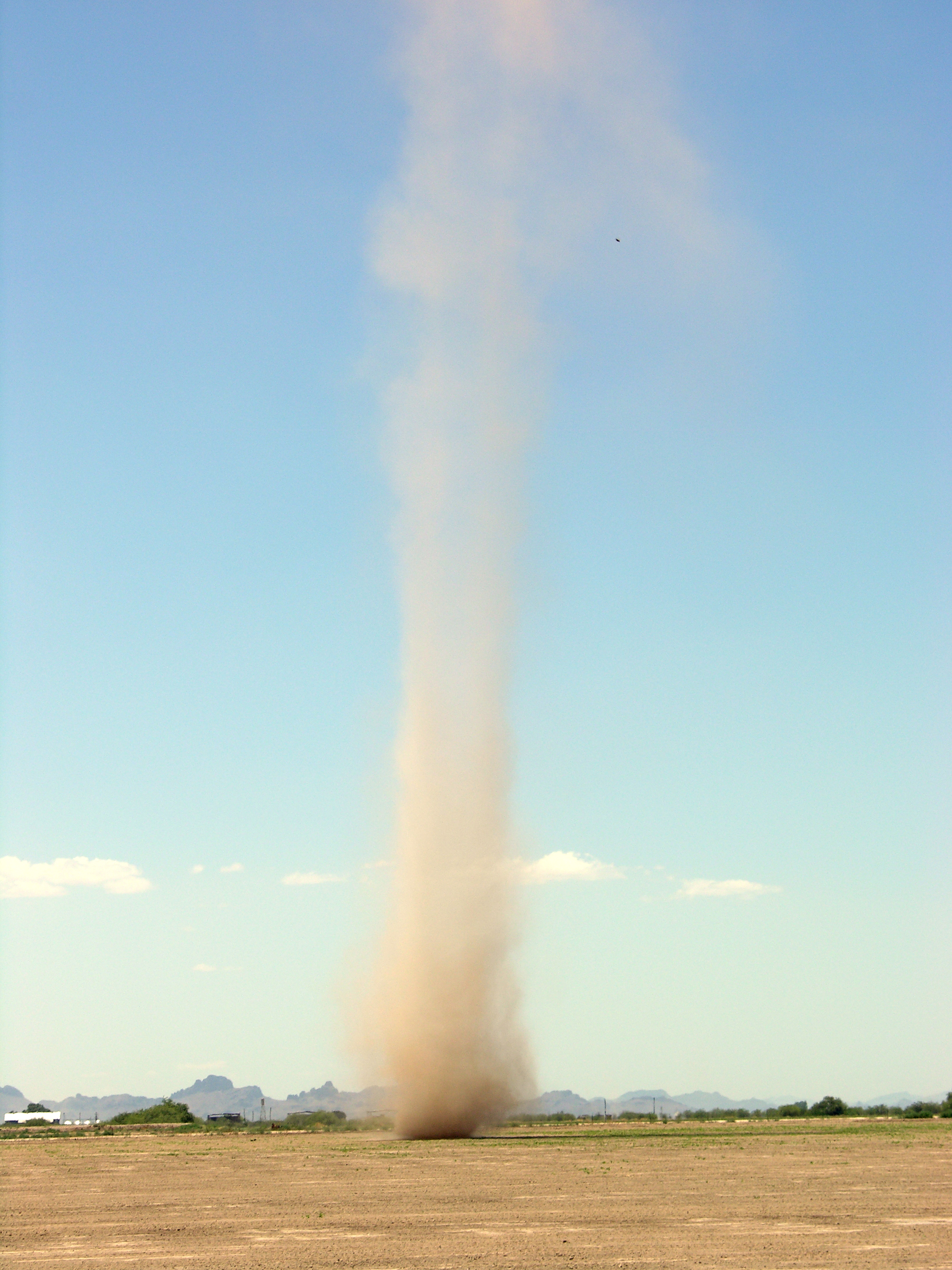
A dust devil is a vigorous, well-formed, and short-lived whirlwind, ranging from small (half a meter wide and a few meters tall) to large (more than 10 meters wide and over 1,000 meters tall). Unlike a tornado, which forms from a thunderstorm, dust devils typically form on clear, hot days with light winds, as a result of strong surface heating creating unstable air. The ground heats rapidly, warming the air directly above it. This warmer, lighter air begins to rise through cooler, denser air, creating an updraft. If this updraft begins to rotate due to wind shear or other atmospheric disturbances, a dust devil is born, drawing loose dust and debris upwards.
In a skydiving environment, particularly on an open airfield, these conditions are frequently met. The danger arises when these seemingly innocuous whirlwinds interact with skydiving operations. They can pick up and toss light equipment, shift landing patterns unexpectedly, or, most critically, catch a descending parachute, causing collapses, entanglements, or hard landings. The financial implications stemming from such incidents can be substantial, touching every aspect of a dropzone’s financial health.
The Immediate Financial Threats to Dropzone Operations
For a skydiving business, a dust devil is more than a weather anomaly; it’s a potential financial disruptor.
Firstly, equipment damage is a direct and often immediate cost. Parachutes, once deployed, present a large surface area susceptible to being caught and dragged. A powerful dust devil can rip canopy fabric, snap lines, or damage intricate rigging systems. Tandem rigs, student gear, and even personal equipment belonging to experienced skydivers can sustain damage. Replacing a main canopy can cost upwards of $3,000 to $5,000, while a reserve parachute, often requiring professional packing and certification after any incident, adds another layer of expense. Repair costs, even for minor damage, quickly accumulate, impacting the maintenance budget and operational readiness.
Secondly, operational downtime translates directly into lost revenue. If dust devils are prevalent or forecasted, a dropzone may be forced to suspend operations, cancel jumps, and ground aircraft. Each cancelled tandem skydive represents hundreds of dollars in lost income. For student training programs, cancellations delay progression and can lead to refunds or rescheduled jumps, tying up resources without immediate profit. This direct loss of sales, compounded by fixed costs like aircraft fuel, staff wages, and hangar rent, can severely erode daily profitability.
Thirdly, increased insurance premiums are an inevitable long-term consequence of dust devil-related incidents. Every accident, injury claim, or significant equipment damage claim filed against a dropzone’s liability or property insurance policy contributes to its risk profile. Over time, a history of such claims will lead to higher premiums, a significant recurring expense for any skydiving business. In extreme cases, repeated incidents could even lead to difficulty securing adequate coverage.
Personal Financial Stakes for Skydivers
The financial ramifications extend beyond the dropzone’s balance sheet to the individual skydiver. For recreational skydivers, personal gear damaged by a dust devil can lead to significant out-of-pocket expenses if not covered by their own insurance (which many do not have for specific gear damage). Medical bills resulting from injuries sustained during a dust devil encounter, even if initially covered by personal health insurance, can lead to deductibles, co-pays, and lost wages from recovery time.
For professional skydivers—instructors, coaches, camera flyers, and professional competitors—the financial impact can be even more severe. Injury means lost workdays, directly impacting their income. Damaged personal equipment (camera gear, specialized competition rigs) can be incredibly expensive to replace or repair, often costing tens of thousands of dollars. Furthermore, a professional’s reputation can be tied to their ability to mitigate risks; an incident, regardless of fault, can sometimes affect future opportunities or endorsements.
Risk Management: Financial Strategies for Mitigating Dust Devil Impact
Proactive financial management is crucial for skydiving operations aiming to weather the literal and figurative storms presented by dust devils. This involves a multi-pronged approach that blends insurance, operational investments, and strategic financial planning.
Insurance: The First Line of Financial Defense
Adequate and comprehensive insurance coverage is paramount. Dropzones require robust liability insurance to cover potential claims from injured skydivers or third parties, and property insurance to protect against damage to aircraft, ground equipment, and facilities. When negotiating policies, understanding the specific clauses related to weather-induced events like dust devils is critical. Ensuring that policies cover:
- Equipment damage: Including parachutes, rigging, student gear, and specialized camera equipment.
- Business interruption: To compensate for lost revenue during mandatory operational halts due to weather.
- Medical expenses and personal injury claims: Crucial for managing the aftermath of accidents.
While higher coverage might mean increased premiums, the financial protection offered against a multi-million dollar lawsuit or the complete loss of an aircraft far outweighs the marginal increase in annual costs. Dropzones must regularly review their policies with specialized aviation insurance brokers to ensure they are adequately protected against the unique risks of their operation, including meteorological phenomena specific to their geographic location.
Operational Investments: Technology and Training
Investing in safety and prevention is a financial decision with a clear return on investment.
Weather monitoring technology can provide early warnings. While dust devils are notoriously localized and difficult to predict with pinpoint accuracy, advanced meteorological tools, localized wind sensors, and even simple wind socks strategically placed around the dropzone can offer critical real-time data. Data from these tools can inform the decision to pause operations, potentially preventing costly incidents. The upfront cost of such systems is dwarfed by the potential savings from avoiding a single serious accident.
Comprehensive staff training is another vital investment. Training manifest staff, ground crew, and instructors to recognize the conditions conducive to dust devil formation, understand their behavior, and implement immediate safety protocols (e.g., calling for a hold, ensuring gear is secured) can prevent major financial losses. This includes regular refresher courses and drills. While staff training has an associated cost in terms of time and resources, it directly enhances risk mitigation and reduces the likelihood of financially impactful incidents. A well-trained team is a business’s most valuable asset in preventing unforeseen financial drains.
Economic Ripple Effects: Beyond the Immediate Incident
The financial consequences of a dust devil incident extend far beyond immediate repair bills and insurance claims. They can create economic ripple effects that threaten the long-term viability of a skydiving business.
Reputation, Trust, and Long-Term Revenue
In an experience-based industry like skydiving, reputation is currency. An incident involving a dust devil, particularly one resulting in injury or significant equipment loss, can severely damage a dropzone’s standing within the skydiving community and among potential customers. Negative press, online reviews, or word-of-mouth reports can deter new customers and erode the trust of loyal patrons.
The financial impact is direct: fewer bookings, reduced student enrollment, and a decline in experienced skydiver visits. Rebuilding a tarnished reputation requires substantial marketing efforts, often involving costly public relations campaigns and renewed investment in safety promotion. This prolonged period of reduced revenue and increased expenditure can be financially crippling, especially for smaller operations. Maintaining an impeccable safety record, even against unpredictable natural phenomena, is a crucial component of a dropzone’s financial health strategy.
Regulatory Compliance and Associated Costs
Following an incident, skydiving operations may face scrutiny from aviation authorities (e.g., FAA in the US) and other regulatory bodies. Investigations can be lengthy, leading to further operational downtime and associated financial losses. Furthermore, findings from such investigations might mandate new safety procedures, equipment upgrades, or additional training, all of which come with direct financial costs. Non-compliance, or a history of safety issues, can lead to fines, sanctions, or even the revocation of operating licenses, representing the ultimate financial and existential threat to the business. Proactive adherence to safety standards and robust internal incident reporting, even for minor dust devil encounters, can help demonstrate due diligence and mitigate regulatory financial penalties.
Cost-Benefit Analysis: Investing in Prevention vs. Paying for Consequences
Ultimately, a dust devil incident forces a skydiving business into a stark cost-benefit analysis: the costs of prevention versus the costs of consequence. Investing in robust weather monitoring systems, comprehensive insurance, ongoing staff training, and meticulous equipment maintenance requires upfront capital expenditure and ongoing operational costs. However, these investments are typically dwarfed by the potential financial fallout from a single severe incident.
Consider a scenario where an investment of $10,000 in advanced weather sensors and specialized training prevents an accident that would have resulted in a $50,000 canopy replacement, $20,000 in medical bills (deductibles/co-pays not covered by personal insurance), $15,000 in lost revenue from operational shutdown, and an intangible but significant blow to reputation. The preventative investment clearly pays for itself many times over.
The strategic financial decision-making for any skydiving operation must, therefore, incorporate a thorough understanding of environmental risks like dust devils. It’s not just about budgeting for operations and marketing; it’s about allocating capital to minimize exposure to risks that can derail profitability, damage reputation, and ultimately threaten the very existence of the business. By approaching dust devils not just as a weather phenomenon but as a quantifiable financial risk, dropzone owners can implement robust strategies that protect their assets, their people, and their bottom line, ensuring the sport remains thrillingly safe and financially sustainable.
aViewFromTheCave is a participant in the Amazon Services LLC Associates Program, an affiliate advertising program designed to provide a means for sites to earn advertising fees by advertising and linking to Amazon.com. Amazon, the Amazon logo, AmazonSupply, and the AmazonSupply logo are trademarks of Amazon.com, Inc. or its affiliates. As an Amazon Associate we earn affiliate commissions from qualifying purchases.