
The term “dry cleaner” can evoke images of specialized machinery, chemical solvents, and a distinct scent. While these are all components of the process, a dry cleaner is fundamentally a service business that offers a sophisticated method for cleaning garments and textiles without the use of water. This method is crucial for items that are delicate, prone to shrinkage, or have intricate embellishments that could be damaged by traditional wet washing. Dry cleaning is a vital part of the textile care industry, preserving the longevity and appearance of clothing and household fabrics.
The “dry” in dry cleaning is a bit of a misnomer. While water is not used, the cleaning process involves a liquid solvent. This solvent is the key differentiator from aqueous washing. Instead of water, a chemical solvent, most commonly perchloroethylene (often abbreviated as “perc”), is used to dissolve and lift away oils, greases, and other insoluble stains from fabrics. The process mimics the action of water in traditional washing by suspending dirt and oils, but with the added benefit of being less harsh on many materials and preventing shrinkage or color loss that can occur with water-based cleaning.

The sophistication of dry cleaning lies not only in the solvents used but also in the specialized equipment and the expertise of the professionals who operate it. It’s a multi-step process that requires careful handling of garments, precise control of temperature and agitation, and effective solvent recovery and purification. This article will delve into the intricacies of what a dry cleaner is, exploring the technology and science behind the process, the business operations and strategies that define it, and the financial considerations that make it a unique segment of the service economy.
The Technological Backbone of Modern Dry Cleaning
The perception of dry cleaning as simply a place to drop off and pick up clothes often overlooks the significant technological infrastructure and scientific principles at play. Modern dry cleaners are equipped with advanced machinery designed for efficiency, effectiveness, and environmental responsibility. The core of this technology lies in the dry cleaning machines themselves, which are sophisticated pieces of engineering.
The Dry Cleaning Machine: A Symphony of Solvent and Mechanics
At the heart of every dry cleaning establishment is the dry cleaning machine, a complex apparatus that automates the entire cleaning cycle. These machines are far more than just glorified washing machines. They are designed to handle flammable or volatile solvents safely and efficiently, performing multiple functions within a single unit.
Solvent Circulation and Filtration: The Lifeblood of the Process
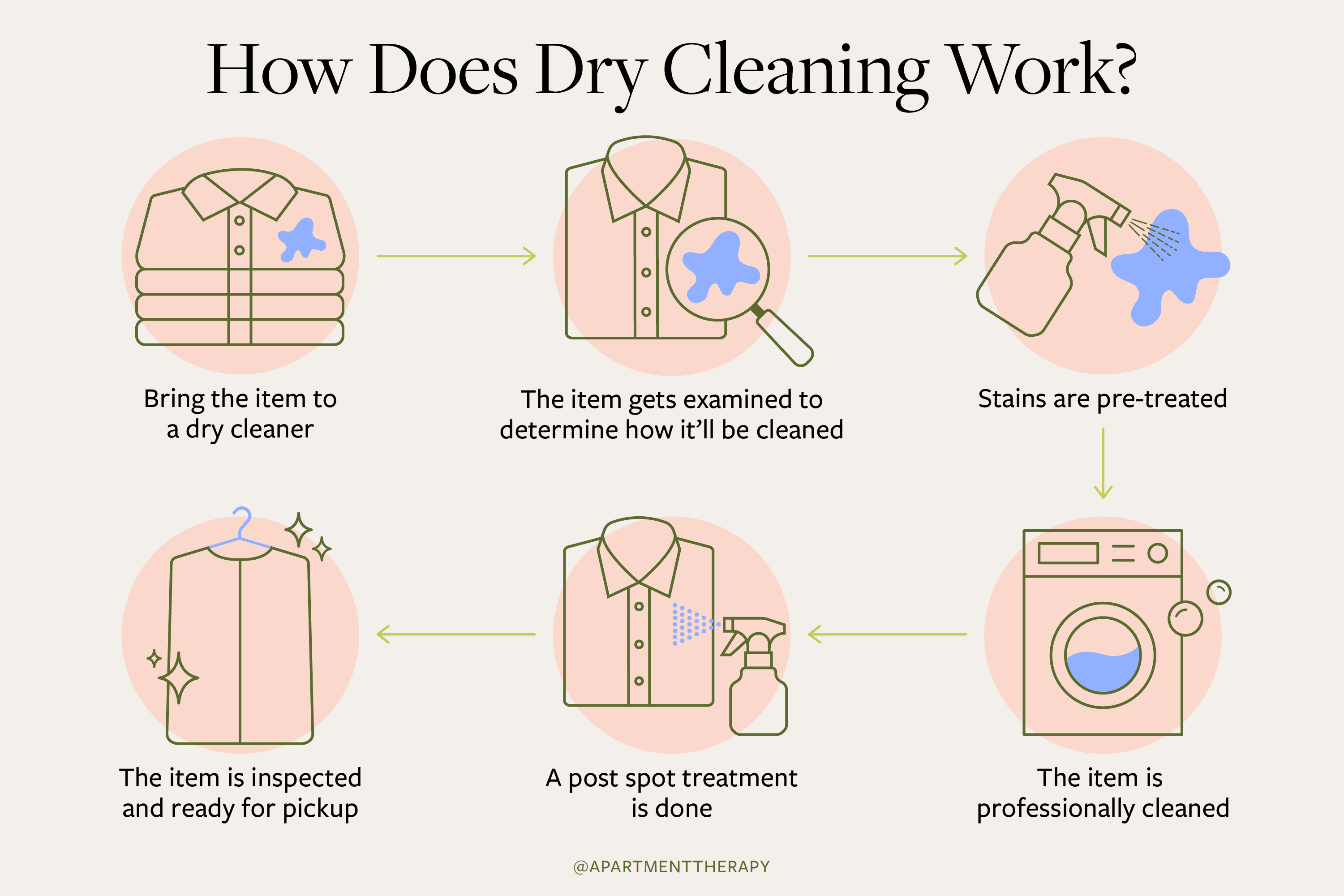
The process begins with the loading of garments into a large rotating drum, similar to a washing machine. However, instead of water, a liquid solvent is introduced. This solvent circulates through the drum, loosening and dissolving oils, greases, and other hydrophobic (water-repelling) soils. The effectiveness of the cleaning heavily relies on the solvent’s ability to penetrate fabric fibers and lift away these types of stains, which are often difficult to remove with water alone.
Following the wash cycle, the solvent, now laden with dirt and debris, is drained and sent through a rigorous filtration system. This is a critical step for both the quality of the cleaning and environmental sustainability. High-quality filters remove particulate matter, while distillation processes vaporize the solvent, leaving behind contaminants. The purified solvent is then cooled back into a liquid state and recirculated for subsequent loads. This closed-loop system minimizes solvent loss and reduces the need for frequent solvent replacement, which has both economic and ecological benefits.
Extraction and Drying: Completing the Cycle
After the solvent has been filtered, the garments are spun at high speeds in the drum to extract as much of the liquid solvent as possible. This extraction process is crucial for minimizing the amount of solvent that needs to be evaporated in the drying phase. The drying itself is typically achieved by circulating heated air through the drum. The temperature and airflow are carefully controlled to evaporate the remaining solvent without damaging the delicate fibers of the garments. The evaporated solvent is then condensed and recovered, further contributing to the closed-loop system.
Modern dry cleaning machines are also equipped with sophisticated control panels and computer systems. These allow operators to program specific cycles based on fabric type, soil level, and desired cleaning intensity. This technological advancement ensures a higher degree of precision and consistency in the cleaning process, minimizing the risk of damage and optimizing results for a wide range of materials.
Specialized Equipment for Garment Care
Beyond the main dry cleaning machine, several other pieces of technology are essential for a comprehensive dry cleaning operation. These include:
- Pressing and Finishing Equipment: After cleaning and drying, garments often require pressing to restore their shape, remove wrinkles, and impart a crisp finish. This involves specialized presses, steam irons, and vacuum tables. Advanced pressing machines can be automated or semi-automated, allowing for precise application of heat and steam to different fabric types.
- Spotting Stations: Even with the best dry cleaning solvents, some stains may require pre-treatment. Spotting stations are equipped with specialized cleaning agents and tools, often under magnification, to tackle stubborn stains that require individual attention. Professionals at these stations use a combination of chemical knowledge and manual dexterity to remove stains without affecting the surrounding fabric.
- Bagging and Tagging Systems: While seemingly mundane, efficient tagging and bagging systems are crucial for customer service and inventory management. Digital tagging systems, often integrated with point-of-sale software, track garments throughout the cleaning process, ensuring that each item is returned to its rightful owner. Automated bagging machines also speed up the turnaround time for customer orders.
The technology employed by dry cleaners is constantly evolving, with a growing emphasis on environmentally friendly solvents and energy-efficient machinery. Innovations in solvent chemistry are leading to safer and more effective alternatives to traditional perc, further enhancing the appeal and sustainability of the dry cleaning industry.
The Brand and Marketing Imperative in Dry Cleaning
In a competitive service industry, the “what” of dry cleaning extends beyond the technical process to encompass the “how” of customer perception and business success. For dry cleaners, establishing a strong brand and employing effective marketing strategies are paramount to attracting and retaining a loyal customer base. This involves cultivating an identity that speaks to quality, reliability, and perhaps even a touch of luxury or convenience.
Building a Trustworthy Corporate Identity
A dry cleaner’s brand is not just a logo; it’s the sum of its reputation, its customer service, and its overall presentation. In a sector where trust is crucial – customers are entrusting valuable garments to a business – a solid corporate identity is a powerful asset.
The Logo and Visual Identity: First Impressions Matter
The visual elements of a dry cleaner’s brand are the first point of contact for many potential customers. A well-designed logo that conveys professionalism, cleanliness, and perhaps a hint of sophistication can significantly influence perception. Color palettes, typography, and the overall aesthetic of signage, uniforms, and marketing materials all contribute to this identity. For example, a crisp, clean font and a palette of blues, whites, or greens might evoke feelings of freshness and purity.
Service Standards and Customer Experience: The Core of the Brand
Beyond the aesthetics, the actual customer experience is the bedrock of a dry cleaner’s brand. This includes:
- Friendliness and Professionalism: Courteous and knowledgeable staff who greet customers warmly and can answer questions about fabric care build immediate trust.
- Turnaround Time and Reliability: Consistently meeting or exceeding promised turnaround times is crucial. A dry cleaner known for being reliable builds a reputation that customers can count on.
- Quality of Cleaning: The ultimate product of a dry cleaner is the impeccably cleaned garment. Consistent high-quality results are the most potent form of brand reinforcement.
- Care and Attention to Detail: Customers notice when a garment is returned perfectly folded, buttons are secured, and any minor repairs (like a loose thread) have been addressed. This attention to detail elevates the perceived value of the service.
- Transparency and Communication: Clear pricing, honest assessments of garment condition, and proactive communication about any potential issues (like a stain that may not fully come out) foster customer confidence.
Specialization and Niche Marketing: Defining a Unique Selling Proposition
Many successful dry cleaners differentiate themselves by specializing. This could include:
- High-End Garment Care: Focusing on designer clothing, silks, or delicate fabrics, requiring advanced techniques and specialized knowledge.
- Eco-Friendly Cleaning: Marketing the use of alternative solvents or water-saving technologies, appealing to environmentally conscious consumers.
- Specialized Services: Offering services like wedding dress cleaning and preservation, leather and suede cleaning, or alterations.
By clearly defining their niche, dry cleaners can target specific customer segments and tailor their marketing messages effectively.
Marketing Strategies for Visibility and Engagement
Once a strong brand identity is established, effective marketing strategies are needed to reach potential customers and maintain engagement with existing ones.
Digital Presence: The Modern Front Door

In today’s digital age, a strong online presence is non-negotiable. This typically includes:
- A Professional Website: This should clearly outline services, pricing, location, hours, and contact information. It’s also an ideal place to showcase testimonials, discuss fabric care, and highlight any special offers or unique selling propositions.
- Search Engine Optimization (SEO): Optimizing the website and online listings to appear high in search results for terms like “dry cleaner near me” or “best dry cleaning services” is crucial for attracting local customers.
- Social Media Marketing: Platforms like Facebook and Instagram can be used to share cleaning tips, highlight customer success stories, announce promotions, and engage with the local community. Visual content, such as before-and-after photos of challenging stains or beautiful garments, can be particularly effective.
- Online Reviews and Reputation Management: Actively encouraging satisfied customers to leave reviews on platforms like Google, Yelp, and others, and responding professionally to all feedback (positive and negative), is vital for building and maintaining a positive online reputation.
Traditional Marketing and Community Engagement
While digital marketing is essential, traditional methods can still be highly effective, especially for local businesses.
- Local Advertising: Placing ads in local newspapers, community newsletters, or on local radio stations can reach a broad demographic.
- Direct Mail: Targeted mailings to local households offering introductory discounts or seasonal specials can be effective.
- Partnerships: Collaborating with complementary businesses, such as bridal boutiques, tuxedo rental shops, or corporate offices, can create valuable referral streams.
- Community Involvement: Sponsoring local events, participating in community clean-up days, or offering discounts to local employees can build goodwill and brand recognition within the community.
The brand and marketing efforts of a dry cleaner are about more than just getting clothes cleaned; they are about building a relationship of trust and reliability with customers, ensuring that their garments are cared for expertly and conveniently, and establishing the business as a valued part of the local landscape.
The Financial Landscape of Dry Cleaning: Business Models and Profitability
The operation of a dry cleaner, like any business, is underpinned by financial considerations. Understanding the revenue streams, cost structures, and potential profitability is key to its success. The dry cleaning industry operates on a service-based business model, where revenue is generated by providing a specialized cleaning service to consumers and businesses.
Revenue Streams: More Than Just Cleaning Clothes
While the primary revenue source for a dry cleaner is the cleaning of garments, there are often ancillary services that contribute to the overall financial health of the business.
Core Cleaning Services: The Bread and Butter
The most significant revenue comes from the cleaning of everyday wear like suits, shirts, dresses, and trousers. The pricing for these services is typically based on the type of garment, the fabric, and the complexity of the cleaning required. For instance, a simple cotton shirt will be priced differently than a silk blouse with intricate detailing.
Specialized Services: Adding Value and Profit
Many dry cleaners expand their offerings to include higher-margin specialized services. These often require additional equipment, training, or specific expertise, allowing for premium pricing. These can include:
- Wedding Dress Cleaning and Preservation: This is a high-value service that requires meticulous care and often involves specialized preservation techniques to protect the dress for long-term storage.
- Leather and Suede Cleaning: These materials require different solvents and processes than traditional fabrics, making them a distinct revenue stream.
- Alterations and Repairs: Offering basic tailoring services, such as hemming pants, replacing zippers, or mending seams, adds convenience for customers and creates an additional revenue source.
- Household Item Cleaning: This can include cleaning draperies, comforters, blankets, and tablecloths, which often require larger machinery and different cleaning protocols.
- Corporate Accounts: Establishing contracts with hotels, restaurants, or other businesses that require regular cleaning of uniforms or linens can provide a steady and predictable income stream.
Cost Structure: Managing Expenses for Profitability
The financial success of a dry cleaner depends heavily on effective management of its operational costs. These can be broadly categorized into fixed and variable costs.
Fixed Costs: The Essential Investments
These are expenses that remain relatively constant regardless of the volume of business.
- Rent and Utilities: Securing a prime location often involves significant rent costs. Utilities, including electricity, water, and gas, are also substantial ongoing expenses, particularly for running cleaning machinery and heating/cooling the premises.
- Equipment Purchase and Maintenance: The initial investment in dry cleaning machines, pressing equipment, and other specialized tools is substantial. Ongoing maintenance and repair costs are also critical to ensure operational efficiency and prevent costly breakdowns.
- Salaries and Wages: For businesses with employees, staff salaries represent a significant fixed cost. This includes skilled technicians, counter staff, and management.
- Insurance: Business insurance, including liability, property, and workers’ compensation, is a necessary fixed expense.
- Software and Technology: Investments in point-of-sale systems, inventory management software, and digital marketing tools contribute to fixed operational costs.
Variable Costs: Expenses Tied to Service Volume
These costs fluctuate directly with the amount of cleaning services provided.
- Cleaning Solvents and Chemicals: The purchase of perchloroethylene or alternative cleaning solvents is a primary variable cost. The price and efficiency of solvent usage directly impact profitability.
- Supplies: This includes items like garment bags, hangers, tags, spotting chemicals, and cleaning agents used in specialized treatments.
- Water and Energy Consumption (in some processes): While dry cleaning uses less water than traditional washing, water is still used in some ancillary processes and for steam generation. Energy consumption for machinery also varies with usage.
- Marketing and Advertising: While some marketing might be part of a fixed budget, specific campaigns or promotions can be considered variable costs.
Profitability and Growth Strategies
The profitability of a dry cleaning business is influenced by several factors, including location, service offerings, efficiency of operations, and the ability to attract and retain customers.
Pricing Strategies: Balancing Value and Competitiveness
Effective pricing is crucial. Dry cleaners must price their services competitively while also ensuring they cover their costs and generate a profit. This often involves tiered pricing based on garment type and complexity, offering loyalty programs, and providing discounts for bulk orders or corporate clients.
Operational Efficiency: Streamlining for Savings
Streamlining operations is key to reducing variable costs and improving overall efficiency. This includes:
- Optimized Workflow: Designing the layout of the cleaning facility to minimize movement and maximize efficiency.
- Solvent Management: Implementing best practices for solvent recovery and purification to minimize consumption and disposal costs.
- Staff Training: Ensuring staff are well-trained in efficient operating procedures and proper garment handling to reduce errors and re-cleaning.
- Technology Adoption: Utilizing modern machinery with advanced controls can lead to energy savings and more consistent results, reducing waste.
Diversification and Expansion: A Path to Growth
To enhance profitability and ensure long-term growth, many dry cleaners explore diversification strategies:
- Expanding Service Offerings: Introducing new services like shoe repair, key cutting, or specialty fabric care can attract new customer segments and increase revenue per customer.
- Opening New Locations: Strategic expansion into underserved areas can capture new markets and build brand presence.
- Franchising: For established and successful brands, franchising can be a model for rapid growth by leveraging the investment and operational expertise of franchisees.
- Focusing on Sustainability: Embracing eco-friendly cleaning methods and marketing this as a key differentiator can attract a growing segment of environmentally conscious consumers, potentially commanding premium pricing.
In essence, the financial landscape of dry cleaning is a delicate balance of managing significant upfront investments in technology, controlling ongoing operational costs, and strategically pricing services to meet customer needs and market demands. Businesses that excel in these areas are well-positioned for sustained profitability and growth within this essential service industry.
aViewFromTheCave is a participant in the Amazon Services LLC Associates Program, an affiliate advertising program designed to provide a means for sites to earn advertising fees by advertising and linking to Amazon.com. Amazon, the Amazon logo, AmazonSupply, and the AmazonSupply logo are trademarks of Amazon.com, Inc. or its affiliates. As an Amazon Associate we earn affiliate commissions from qualifying purchases.