
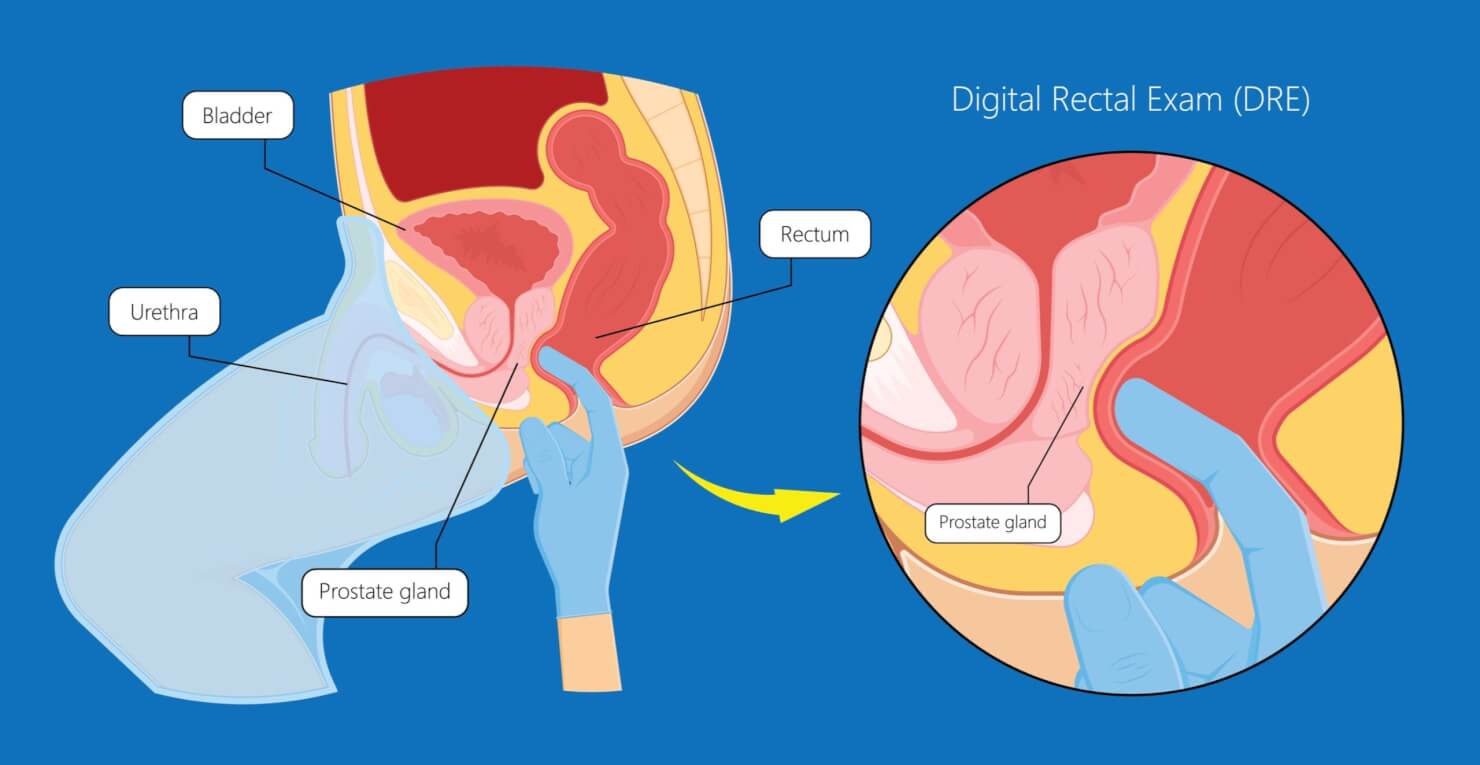
When the acronym DRE comes up in conversation, many instinctively think of its well-known medical application: the Digital Rectal Exam. However, in an increasingly digital world where perception is power and online presence dictates much of one’s professional and commercial success, a new, equally critical interpretation of DRE has emerged—one vital to brand strategy and individual career trajectories. Here, DRE stands for Digital Reputation Enhancement.
In an era defined by instant information and perpetual connectivity, your digital footprint is your de facto brand ambassador. It’s the sum total of how you, your business, or your product is perceived online, influenced by everything from social media posts and professional profiles to news articles, customer reviews, and search engine results. Digital Reputation Enhancement is the strategic, ongoing process of cultivating, protecting, and optimizing this online persona to ensure it accurately reflects your values, expertise, and offerings. It’s not merely about damage control; it’s about proactive construction, diligent management, and strategic amplification of a positive, credible, and influential online identity. For individuals, robust DRE can open doors to new career opportunities, speaking engagements, and collaborative ventures. For businesses, it translates directly into consumer trust, market share, and sustained growth. Ignoring DRE is akin to launching a product without marketing it—it leaves your brand vulnerable, misunderstood, or worse, invisible. This article will delve into the critical aspects of Digital Reputation Enhancement, exploring its foundational pillars, strategic imperatives, and the continuous effort required to maintain a pristine and powerful online presence.

The Imperative of Digital Reputation in the Modern Era
In today’s interconnected world, the distinction between “online” and “offline” reputation has all but vanished. Every search query, every social media interaction, and every online review contributes to a mosaic that forms a brand’s public identity. Understanding and actively managing this digital mosaic is no longer a luxury but an absolute necessity for survival and growth.
Defining Digital Reputation
Digital reputation encompasses the collective perception of an individual or organization formed by their online presence. This includes, but is not limited to:
-
Search Engine Results: What appears when your name or brand is Googled. This is often the first impression.
-
Social Media Profiles and Activity: Content, interactions, followers, and overall tone across platforms like LinkedIn, X (formerly Twitter), Facebook, Instagram, and TikTok.
-
Online Reviews and Ratings: Feedback on products, services, or professional conduct found on sites like Yelp, Google My Business, Glassdoor, or industry-specific review platforms.
-
News Articles and Press Mentions: Coverage by traditional media outlets, online publications, and blogs.
-
Forums and Discussion Boards: Mentions and discussions in industry-specific or general online communities.
-
Professional Profiles: LinkedIn, academic databases, or other industry-specific platforms showcasing expertise and experience.
-
Personal Websites and Blogs: Content created and controlled directly by the individual or organization.
These myriad sources converge to create a complex, multi-faceted public image that can be both powerful and fragile.
Why DRE is No Longer Optional
The reasons why Digital Reputation Enhancement has become non-negotiable are manifold and deeply ingrained in modern societal and business practices:
-
Immediate Accessibility of Information: With a few clicks, anyone can find extensive information about a brand or individual. This transparency means reputations can be built or shattered in an instant.
-
Consumer Trust and Purchasing Decisions: A vast majority of consumers consult online reviews and digital feedback before making purchasing decisions. A strong digital reputation builds trust, directly influencing sales and customer loyalty.
-
Employer and Investor Scrutiny: Employers routinely vet candidates’ online presences. Similarly, investors scrutinize a company’s digital footprint for signs of stability, market perception, and ethical practices. A negative online reputation can derail career prospects or investment opportunities.
-
Crisis Management and Resilience: A well-managed digital reputation provides a buffer against unforeseen crises. Proactive DRE builds goodwill and a loyal following, making it easier to weather storms and recover from negative publicity.
-
Competitive Advantage: In crowded markets, a superior digital reputation can be a significant differentiator, attracting top talent, discerning customers, and valuable partnerships.
The Double-Edged Sword of Digital Presence
While the digital realm offers unprecedented opportunities for brand building and global reach, it also presents significant risks. The same platforms that allow for viral marketing can also be avenues for damaging misinformation, unfounded criticism, or accidental gaffes that escalate rapidly. A single negative review, an ill-advised social media post, or a security breach can propagate globally within hours, eroding years of careful brand building. Effective DRE recognizes this duality, focusing not only on leveraging opportunities but also on implementing robust strategies to mitigate potential harm and ensure resilience in the face of adversity.
Core Pillars of a Robust Digital Reputation Enhancement Strategy
Building and maintaining a strong digital reputation is a continuous journey that rests upon several critical pillars. These foundational elements work in concert to ensure that your online presence is not only positive but also authentic, authoritative, and resilient.
Proactive Content Management
At the heart of DRE is the deliberate creation and curation of high-quality, relevant content that reflects your brand’s desired image.
-
Website Optimization and Authority: Your official website is your digital home base. It must be professionally designed, user-friendly, and optimized for search engines (SEO) to ensure it ranks highly for relevant keywords. Populating it with insightful articles, case studies, and engaging multimedia establishes authority and provides valuable information.
-
Strategic Social Media Engagement: Each social media platform offers unique opportunities. Develop a coherent strategy for each, focusing on consistent messaging, genuine engagement with your audience, and building vibrant online communities. Share valuable insights, respond to comments, and participate in relevant discussions.
-
Thought Leadership and Expertise: Position yourself or your brand as an expert in your field. This can involve writing blog posts, publishing articles in industry publications, participating in webinars, or contributing to podcasts. Sharing knowledge not only builds credibility but also generates positive organic search results.
Monitoring and Listening
You cannot manage what you do not know. Active monitoring of your online presence is crucial for understanding public perception and identifying potential issues before they escalate.
-
Comprehensive Tracking Tools: Utilize tools like Google Alerts, social listening platforms (e.g., Brandwatch, Sprout Social, Hootsuite), and review monitoring services (e.g., Trustpilot, Yelp for Business) to track mentions of your name, brand, products, or key personnel.
-
Sentiment Analysis: Beyond just tracking mentions, analyze the sentiment behind them. Are people generally positive, negative, or neutral? Understanding sentiment helps gauge the overall health of your digital reputation and identify areas for improvement.
-
Competitive Intelligence: Monitor your competitors’ online reputations. What are they doing well? Where are their weaknesses? This can provide valuable insights for refining your own DRE strategy.

Engagement and Responsiveness
A digital reputation is not static; it thrives on interaction. How you engage with your audience, particularly when faced with feedback, is paramount.
-
Prompt and Professional Response to Feedback: Respond to all reviews and comments, both positive and negative. Thank customers for positive feedback and address negative comments promptly, professionally, and empathetically. Offer solutions or take the conversation offline if necessary.
-
Crisis Communication Planning: Develop a clear crisis communication plan. This includes identifying potential risks, establishing internal protocols for rapid response, drafting pre-approved statements, and designating spokespeople. Being prepared can significantly mitigate damage during a PR crisis.
-
Building Genuine Connections: Go beyond transactional interactions. Engage with your audience authentically, show appreciation for their loyalty, and foster a sense of community. This builds a reservoir of goodwill that can be invaluable in challenging times.
Navigating Challenges and Mitigating Risks in DRE
Even with the most meticulous planning, the digital landscape is fraught with potential pitfalls. Effectively managing digital reputation means being prepared for challenges, understanding how to mitigate risks, and adapting to an ever-changing environment.
Managing Negative Feedback and Online Attacks
Negative feedback is an inevitable part of online presence. The key lies in how it’s handled.
-
Strategic Response to Criticism: Differentiate between legitimate criticism and malicious attacks. For valid critiques, acknowledge the issue, apologize if appropriate, explain steps being taken to resolve it, and offer to communicate directly. Always maintain a professional and calm demeanor.
-
Addressing Malicious Attacks and Disinformation: When confronted with false accusations, defamation, or targeted attacks, a different strategy is required. This may involve politely correcting misinformation with facts, reporting abusive content to platform administrators, or, in severe cases, seeking legal counsel to protect your brand or personal integrity. Avoid getting into public online arguments, which often amplify the negativity.
-
Building a Buffer of Positive Content: A strong volume of positive and credible content can help to dilute the impact of negative entries in search results. Proactive content generation acts as a natural shield.
Data Privacy and Security
In an age of increasing cyber threats, data breaches can have catastrophic consequences for digital reputation, far beyond the immediate technical or financial damage.
-
Impact of Breaches on Trust: A data breach fundamentally erodes customer trust. It signals a failure in security protocols and a potential disregard for customer privacy, leading to severe reputational damage and potential loss of business.
-
Transparency and Ethical Data Practices: Be transparent about how customer data is collected, stored, and used. Adhere to all relevant data protection regulations (e.g., GDPR, CCPA). Proactively communicate security measures and, in the event of a breach, communicate openly and honestly with affected parties, outlining remedial actions.
-
Investing in Robust Cybersecurity: Prioritize cybersecurity infrastructure and training. A strong defense is the best offense against reputational harm stemming from security vulnerabilities.
Adapting to Evolving Digital Landscapes
The digital world is not static; it’s a dynamic ecosystem constantly introducing new platforms, technologies, and user behaviors.
-
Embracing New Platforms and Trends: Stay abreast of emerging social media platforms, communication channels, and digital trends. While not every platform will be relevant, understanding their potential impact and strategic utility is crucial. Be prepared to experiment and adapt your content and engagement strategies.
-
Algorithmic Changes and SEO Updates: Search engine algorithms and social media platform rules are constantly evolving. What worked yesterday for visibility might not work tomorrow. Continuous learning, regular audits of SEO practices, and adapting content strategies are essential to maintain search ranking and audience reach.
-
Technological Innovations: The rise of AI, virtual reality, and other technologies will undoubtedly reshape how brands interact with their audiences. DRE professionals must continuously educate themselves and integrate relevant innovations into their strategies to remain competitive and relevant.
Measuring Success and Future-Proofing Your Digital Reputation
Digital Reputation Enhancement is not a one-time project but a continuous, iterative process. To ensure its effectiveness and long-term sustainability, it’s vital to define success metrics, regularly assess progress, and integrate DRE into the broader brand strategy.
Key Performance Indicators (KPIs) for DRE
Measuring the impact of DRE efforts requires tracking specific metrics that reflect changes in perception and engagement.
-
Sentiment Scores: Quantitative analysis of positive, negative, and neutral mentions across social media, reviews, and news. Tools often provide scores or graphs to visualize sentiment trends.
-
Online Review Ratings: Average star ratings on platforms like Google My Business, Yelp, Trustpilot, or industry-specific sites. Track improvements over time and the number of new reviews.
-
Engagement Rates: Likes, shares, comments, and clicks on social media content. Higher engagement often indicates a more active and loyal audience.
-
Website Traffic and Conversions: Increased organic traffic to your website, lower bounce rates, and higher conversion rates (e.g., sales, sign-ups) can indirectly reflect improved brand perception and trust.
-
Brand Mentions and Reach: The frequency and prominence of mentions across various online channels, along with the estimated audience size reached by those mentions.
-
Search Engine Rankings: Position in search results for key brand and product terms. Higher rankings indicate greater visibility and perceived authority.
The Iterative Process of DRE
Effective DRE is cyclical, involving constant evaluation and refinement.
-
Regular Audits: Conduct periodic comprehensive audits of your entire digital footprint. This includes reviewing all existing content, checking for outdated information, assessing security vulnerabilities, and analyzing competitor activity.
-
Strategy Refinement: Based on KPI analysis and audit findings, refine your DRE strategy. This might involve adjusting content themes, targeting new platforms, modifying response protocols, or investing in new monitoring tools.
-
Long-Term Commitment: Digital reputation is built over time through consistent effort. Avoid seeking quick fixes; instead, focus on sustainable practices that foster genuine trust and loyalty.
Integrating DRE into Overall Brand Strategy
For DRE to be truly effective, it cannot exist in a silo. It must be seamlessly integrated into the overarching brand strategy.
-
Aligning Online and Offline Identities: Ensure that your digital persona is consistent with your offline identity, values, and messaging. Discrepancies can lead to confusion and erode trust.
-
Consistency Across All Touchpoints: From your website to social media, customer service emails, and even employee online behavior, every touchpoint should reflect a consistent brand image and voice.
-
Employee Advocacy and Training: Educate employees on best practices for online conduct and encourage them to be positive brand ambassadors. Empowering employees with clear guidelines can significantly amplify DRE efforts.
In conclusion, while “DRE” in its traditional medical sense remains crucial for health, its reimagining as Digital Reputation Enhancement is equally vital for the health of any modern brand or career. In a world where digital scrutiny is relentless, mastering DRE is not merely about preventing crises; it’s about proactively sculpting a narrative of excellence, trustworthiness, and authority. It is a continuous, multifaceted endeavor that demands strategic foresight, diligent execution, and an unwavering commitment to cultivating a positive and resilient online presence. For those who invest in its principles, a strong digital reputation becomes an invaluable asset, a competitive edge, and a foundation for enduring success.
aViewFromTheCave is a participant in the Amazon Services LLC Associates Program, an affiliate advertising program designed to provide a means for sites to earn advertising fees by advertising and linking to Amazon.com. Amazon, the Amazon logo, AmazonSupply, and the AmazonSupply logo are trademarks of Amazon.com, Inc. or its affiliates. As an Amazon Associate we earn affiliate commissions from qualifying purchases.