
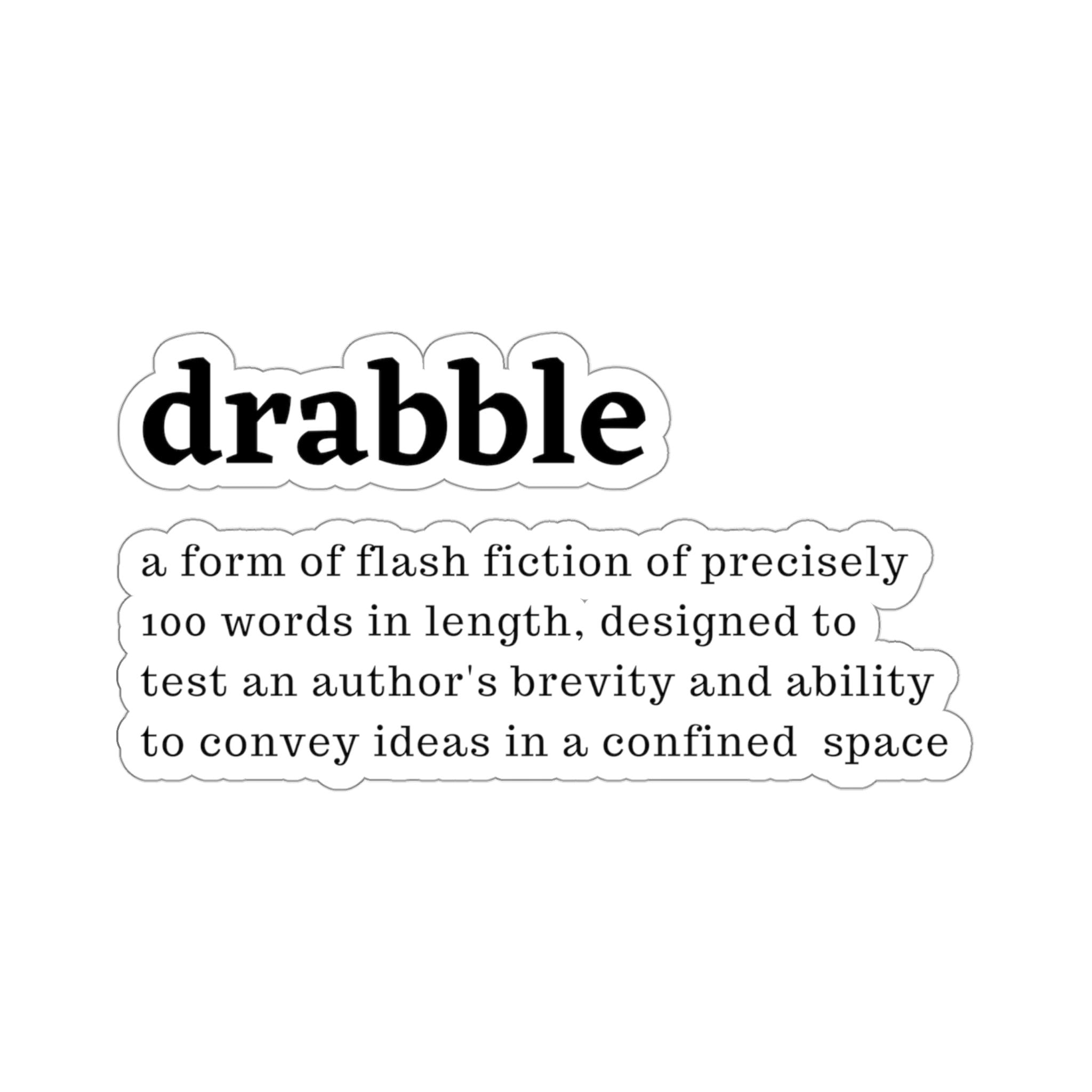
In an age saturated with information, where attention spans dwindle and messaging battles for scarce cognitive real estate, the seemingly niche literary form known as a “drabble” offers profoundly relevant lessons for effective brand communication. At its heart, a drabble is a complete, standalone work of fiction precisely 100 words long. No more, no less. It’s an exercise in extreme brevity, a crucible for conciseness, and a testament to the power of deliberate word choice. Far from being a mere curiosity for wordsmiths, the principles underpinning a well-crafted drabble are precisely what brands need to master to cut through the noise, communicate their essence, and forge lasting connections in the modern market.
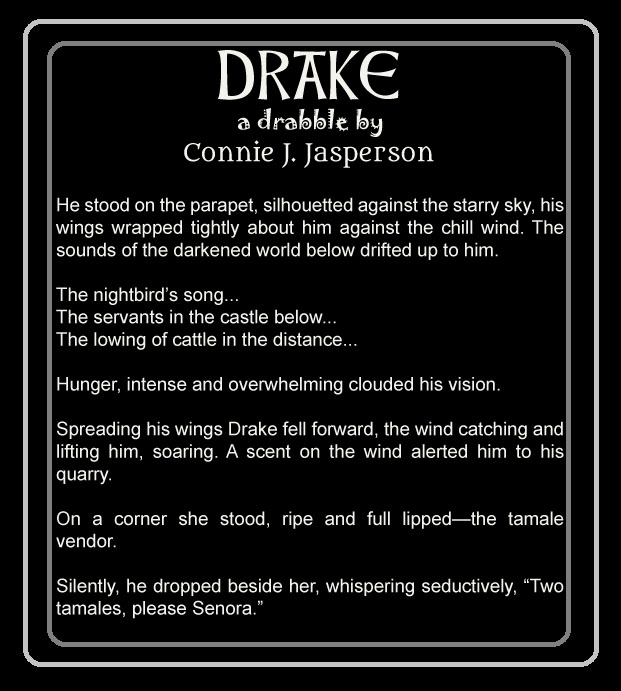
The challenge of the drabble is not just to be short, but to be impactful. It demands a full narrative arc—a beginning, middle, and end—all compressed into a hundred words. This constraint forces writers to distill ideas to their absolute purest form, to eliminate every extraneous detail, and to ensure every single word earns its place. For brands, this translates directly to the urgent need for clarity, precision, and evocative power in every message, from a tagline to a comprehensive brand story. Understanding what a drabble is, therefore, becomes an entry point into appreciating the profound value of succinctness, a value that is increasingly indispensable in the landscape of brand strategy and marketing.
The Art of Brevity: Defining the Drabble’s Essence
The drabble’s strict 100-word limit is its defining characteristic and its greatest challenge. This precise constraint is what elevates it from a mere “short story” to a distinct form demanding exceptional discipline and creativity. It’s a linguistic puzzle where every piece must fit perfectly, contributing to a cohesive whole without a single spare part.
The 100-Word Challenge: A Crucible for Precision
Imagine trying to build a fully functional machine with exactly 100 components – no more, no less. That’s the intellectual rigor demanded by the drabble. This isn’t about writing a summary or an excerpt; it’s about crafting a complete narrative where character, setting, conflict, and resolution are all woven into a tight, seamless tapestry. The pressure of the word count forces a writer to make deliberate choices about every verb, every noun, and every piece of punctuation. There’s no room for meandering descriptions, redundant phrases, or abstract concepts that don’t directly advance the story or convey meaning. This absolute demand for precision is the first and most critical lesson a drabble offers to brand communicators.
More Than Just a Short Story: The Narrative in Miniature
A drabble is not just any short story that happens to be 100 words long. It aspires to the same narrative completeness as a novel, albeit on a micro-scale. It must present a relatable situation, introduce a character (or hint at one), develop a sense of tension or anticipation, and often conclude with a satisfying resolution, a poignant twist, or a lingering thought. The true magic of a drabble lies in its ability to evoke a much larger world or a more complex emotional state within its tiny confines. It hints at backstory, implies future events, and uses suggestion as much as direct statement. This ability to convey depth and scope through economical means is a powerful parallel to how successful brands communicate their values, history, and aspirations through concise messaging and evocative imagery.
Historical Context and Creative Utility
The term “drabble” is often attributed to the British science fiction fandom, popularized in the 1980s as a creative writing exercise where writers challenged each other to produce a story of exactly 100 words. This origin as a playful yet rigorous challenge highlights its fundamental utility: it’s a tool for honing writing skills, for forcing creative problem-solving, and for demonstrating mastery over language. For creative writers, drabbles serve as mental calisthenics, helping them develop a keener sense of rhythm, pacing, and impactful word choice—skills that are directly transferable to the strategic demands of branding.
The Drabble’s DNA: Elements of Impactful Micro-Narrative and Brand Resonance
The success of a drabble hinges on several critical elements that, when distilled, reveal universal truths about effective communication. These very elements are the secret sauce for brands aiming to create messages that resonate, persuade, and endure in a noisy marketplace.
Precision and Economy of Language: Every Word Counts
In a drabble, filler words are anathema. Every adjective, adverb, and conjunction must serve a purpose, either to advance the plot, deepen characterization, or set the scene. There’s no space for rhetorical flourish that doesn’t add substantive meaning. This hyper-economy of language teaches the invaluable lesson that concise messaging is not about saying less, but about saying more with fewer words. For brands, this translates to crafting taglines, slogans, and ad copy where ambiguity is eliminated, jargon is stripped away, and the core value proposition is articulated with crystal clarity. Every word in a brand message should justify its presence by contributing to the brand’s identity and its connection with the audience.
Implied Meaning and Subtext: Speaking Volumes Silently
Given the severe word limit, drabbles often rely heavily on implied meaning and subtext. They present a snapshot, a moment in time, and invite the reader to infer what came before and what might follow. A single evocative image or a carefully chosen metaphor can carry the weight of paragraphs. This mastery of implication is crucial for branding. A strong brand doesn’t need to explicitly state every detail of its mission or the benefits of its product; instead, it uses symbols, design, tone of voice, and carefully constructed narratives to evoke emotions, values, and aspirations. Like a drabble, a powerful brand message suggests a deeper story, drawing the audience in to complete the narrative with their own interpretations and desires.
The Punchy Conclusion: Leaving a Lasting Impression
Many great drabbles conclude with a sudden twist, a profound realization, a powerful image, or a memorable moral that leaves a lasting impression on the reader. This “punchy conclusion” is not just an ending; it’s the point where the entire 100-word journey culminates in an impactful moment. For brands, this translates directly to the need for compelling calls to action, memorable taglines, and brand stories that leave customers feeling inspired, informed, or motivated. The final words of an ad, the closing statement of a pitch, or the lasting impression of a brand interaction are vital. Like the drabble, a brand needs to ensure its conclusion is not just an end, but a resonant echo that lingers in the mind of the audience.
Emotional Connection in Miniature: Sparking Feelings with Few Words
Despite their brevity, the most effective drabbles often manage to evoke strong emotional responses—humor, sadness, surprise, wonder, or intrigue. This is achieved through carefully selected words that tap into universal human experiences and emotions. Brands, too, strive for emotional connection. In a crowded market, emotional resonance is a powerful differentiator. Whether through storytelling, empathetic messaging, or aspirational imagery, brands aim to make their audience feel something. The drabble demonstrates that you don’t need extensive prose to achieve this; a precisely crafted sentence, a vivid image, or a well-timed revelation can ignite profound feelings, making a brand message not just memorable, but deeply personal.
Why Brevity Matters: The Drabble’s Lesson for Modern Brand Communication
In today’s digital landscape, where information overload is the norm and attention is a fiercely contested commodity, the drabble’s emphasis on extreme brevity is not just a stylistic choice but a strategic imperative for brands.
Attention Economy and Information Overload: The Scarcity of Focus
We live in an attention economy where individuals are constantly bombarded with stimuli from every direction. Social media feeds scroll endlessly, inboxes overflow, and news cycles churn relentlessly. In this environment, long-winded messages are often ignored. Brands have mere seconds, sometimes milliseconds, to capture and hold a potential customer’s attention. The drabble teaches us that impact must be delivered instantly. Brands must learn to communicate their core value, unique selling proposition, or brand personality with the immediacy and clarity that a 100-word story demands, ensuring that even a fleeting glance conveys significant meaning.
The Power of the Elevator Pitch: Distilling the Essence
The concept of an “elevator pitch”—a concise summary of an idea, product, or company that can be delivered in the time it takes an elevator ride—is a direct business parallel to the drabble. Just as a drabble encapsulates a complete story, an elevator pitch must encapsulate a complete value proposition. Brands frequently need to explain who they are, what they do, and why it matters in moments, whether to investors, potential partners, or new customers. The mental discipline required to craft a drabble – forcing the elimination of fluff and focusing on the absolute essentials – directly hones a brand’s ability to articulate its essence in a compelling, digestible, and memorable elevator pitch.
Digital Channels and Snackable Content: Micro-Moments, Macro Impact
Modern marketing relies heavily on digital channels where content is often “snackable” – short, easily consumable pieces designed for quick engagement. Social media posts, banner ads, video snippets, and push notifications all thrive on brevity. A brand’s ability to articulate complex ideas or compelling narratives within these micro-moments is crucial. The drabble’s design principles are perfectly aligned with this need. It encourages a mindset where every piece of content, no matter how small, is a complete and impactful statement, contributing to the overall brand narrative. This “drabble mindset” helps brands craft messages that are effective not just in 100 words, but in 280 characters, a 15-second reel, or even just a compelling headline.
Crystallizing Brand Identity: Finding the Core Message
At its most fundamental level, a brand needs a clear, distinctive identity. What does it stand for? What unique value does it offer? How does it want to be perceived? The process of creating a drabble forces the writer to identify the single most important message or event and build everything around it. Similarly, brands must ruthlessly distill their identity into a core message that can be consistently communicated across all touchpoints. This isn’t about oversimplification; it’s about achieving ultimate clarity. By applying the drabble’s principles, brands can ensure their core identity is not just coherent, but also powerfully concise and instantly recognizable.
Crafting Your Brand’s “Drabble”: Strategies for Concise Messaging
Translating the principles of drabble writing into practical brand strategy requires a deliberate and disciplined approach to communication. It’s about consciously applying the art of brevity to every facet of your brand’s voice.
Identify Your Core Message: The “Story” of Your Brand
Before you can be concise, you must be clear. What is the one indispensable message your brand needs to convey? Is it innovation, reliability, community, luxury, affordability, or a unique solution to a common problem? Just as a drabble has a central plot point, your brand needs a central story, a singular idea that underpins everything you do. This requires deep introspection: What problem do you solve? What emotion do you evoke? What transformation do you facilitate for your customers? Pinpointing this core message is the first step toward crafting a truly impactful brand “drabble.”
Ruthless Editing and Word Choice: Eliminating the Superfluous
The drabble writer’s mantra is: every word counts. For brand communicators, this means embracing ruthless editing. Review all your existing copy – website text, brochures, social media posts, ad copy. Can any words be removed without losing meaning? Are there simpler ways to express complex ideas? Replace jargon with plain language, passive voice with active verbs, and abstract nouns with concrete ones. Challenge every adjective and adverb. Are they truly adding value, or are they just decorative? This process isn’t about reducing content; it’s about purifying it, ensuring maximum impact with minimal words, just as a drabble achieves maximum story in 100 words.
Focus on Impact and Value: What Problem Do You Solve?
A drabble focuses on delivering a specific impact or revealing a poignant truth within its limited scope. Similarly, your brand messages should relentlessly focus on the value you provide and the problems you solve for your audience. Instead of listing features, emphasize benefits. Instead of detailing processes, highlight outcomes. Every piece of communication should answer the customer’s implicit question: “What’s in it for me?” This value-centric approach ensures that your concise messages are not just short, but inherently compelling and relevant to your target audience.
Practice the “100-Word Challenge” for Your Brand
A powerful exercise for any brand team is to simulate the drabble writing process. Challenge everyone – from marketing to product development to leadership – to write a 100-word “story” about the brand. This could be:
-
Your brand’s mission statement in 100 words.
-
A product description in 100 words.
-
The brand’s origin story in 100 words.
-
A value proposition in 100 words.
This exercise forces clarity, alignment, and a shared understanding of the brand’s core essence, leading to more cohesive and impactful communication across the board.
Test and Refine: Iteration for Perfection
Just as a drabble writer might revise their 100 words countless times to achieve perfection, brand messages benefit from continuous testing and refinement. Use A/B testing for headlines, calls to action, and ad copy. Gather feedback from focus groups or customer surveys on how well your concise messages resonate. Does your “brand drabble” evoke the intended emotion? Is its meaning clear? Is it memorable? The iterative process of testing, analyzing, and refining ensures that your brand’s commitment to brevity also yields maximum effectiveness.
Beyond the Page: Applying Drabble Principles in Holistic Brand Strategy
The lessons from “what is a drabble” extend far beyond written copy, permeating every aspect of how a brand presents itself to the world. The pursuit of conciseness and impact is a holistic strategic endeavor.
Visual Branding as a Drabble: Instant Recognition
A logo, a color palette, a specific typography – these are visual drabbles. They communicate volumes in an instant, without a single word. A well-designed logo, for instance, distills a brand’s values, industry, and personality into a single, memorable graphic element. Think of the Nike swoosh or the Apple bitten apple. These are profoundly concise visual statements that embody entire brand philosophies. Applying drabble principles here means ensuring every visual element is purposeful, distinctive, and devoid of clutter, contributing immediately and clearly to brand recognition and recall.
Slogans and Taglines: The Ultimate Brand Drabble
If any part of branding epitomizes the drabble, it is the slogan or tagline. “Just Do It” (Nike), “Think Different” (Apple), “Open Happiness” (Coca-Cola) – these are miniature drabbles. They are precisely crafted phrases that encapsulate a brand’s promise, ethos, or aspiration in just a few words. They must be memorable, evocative, and instantly communicative. The creation of such a powerful tagline demands the same intense distillation of meaning and careful word choice that goes into writing a 100-word story. These short phrases become the sonic emblem of the brand, leaving an indelible mark.
Brand Storytelling in Micro-Moments: Building a Cohesive Narrative
Modern brand storytelling isn’t just about long-form narratives; it’s about consistent messaging across countless micro-moments. Every social media post, customer service interaction, email, or product unboxing experience contributes to the larger brand story. The drabble mindset helps brands ensure that each of these micro-interactions is a complete, impactful, and coherent piece of the overall narrative. It’s about maintaining a consistent brand voice, visual identity, and core message so that even a brief encounter reinforces the brand’s larger identity and values, much like how each carefully chosen sentence in a drabble builds towards a unified theme.
Leadership Communication: Impactful Internal and External Messages
The principles of the drabble are equally vital for leadership communication. In a fast-paced business environment, leaders need to convey vision, strategy, and critical updates clearly and concisely to employees, stakeholders, and the public. Rambling presentations or opaque emails diminish credibility and waste valuable time. Leaders who adopt a “drabble mindset” can articulate complex ideas into digestible, memorable messages that inspire action, foster understanding, and build trust. This applies to internal memos, press statements, keynote addresses, and investor pitches, where every word can influence perceptions and decisions.

The Enduring Power of Precision: A Universal Lesson
In conclusion, the drabble, while a niche literary form, offers universal lessons in the enduring power of precision, the art of conciseness, and the strategic value of impactful communication. For brands navigating an increasingly crowded and distracted world, these lessons are not merely academic; they are foundational. By embracing the drabble’s challenge—to say everything that needs to be said, powerfully and completely, within severe constraints—brands can elevate their communication, distinguish their identity, and forge stronger, more meaningful connections with their audience. The drabble reminds us that sometimes, the most profound impact comes not from saying more, but from mastering the art of saying just enough.
aViewFromTheCave is a participant in the Amazon Services LLC Associates Program, an affiliate advertising program designed to provide a means for sites to earn advertising fees by advertising and linking to Amazon.com. Amazon, the Amazon logo, AmazonSupply, and the AmazonSupply logo are trademarks of Amazon.com, Inc. or its affiliates. As an Amazon Associate we earn affiliate commissions from qualifying purchases.