
In the evolving landscape of personal finance and wealth management, the donor-advised fund (DAF)—often referred to simply as a “donor fund”—has emerged as one of the most powerful and flexible vehicles for charitable giving. While once the exclusive domain of the ultra-wealthy, these funds have been democratized, allowing a broader range of investors and households to manage their philanthropy with the same rigor and strategic foresight they apply to their retirement accounts or brokerage portfolios.
At its core, a donor fund is a specialized financial account dedicated to supporting charitable organizations. It allows an individual, family, or corporation to make a charitable contribution, receive an immediate tax deduction, and then recommend grants from the fund over time. However, the true value of a DAF extends far beyond a simple transaction; it serves as a central hub for tax optimization, legacy planning, and long-term asset growth.
Understanding the Mechanism: How Donor-Advised Funds Function
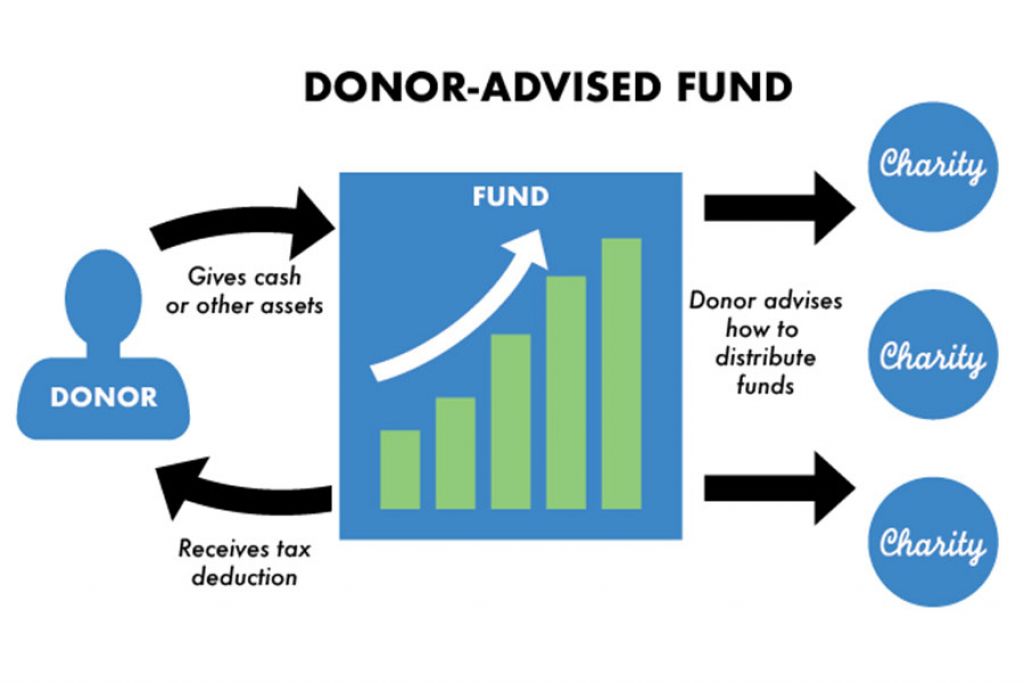
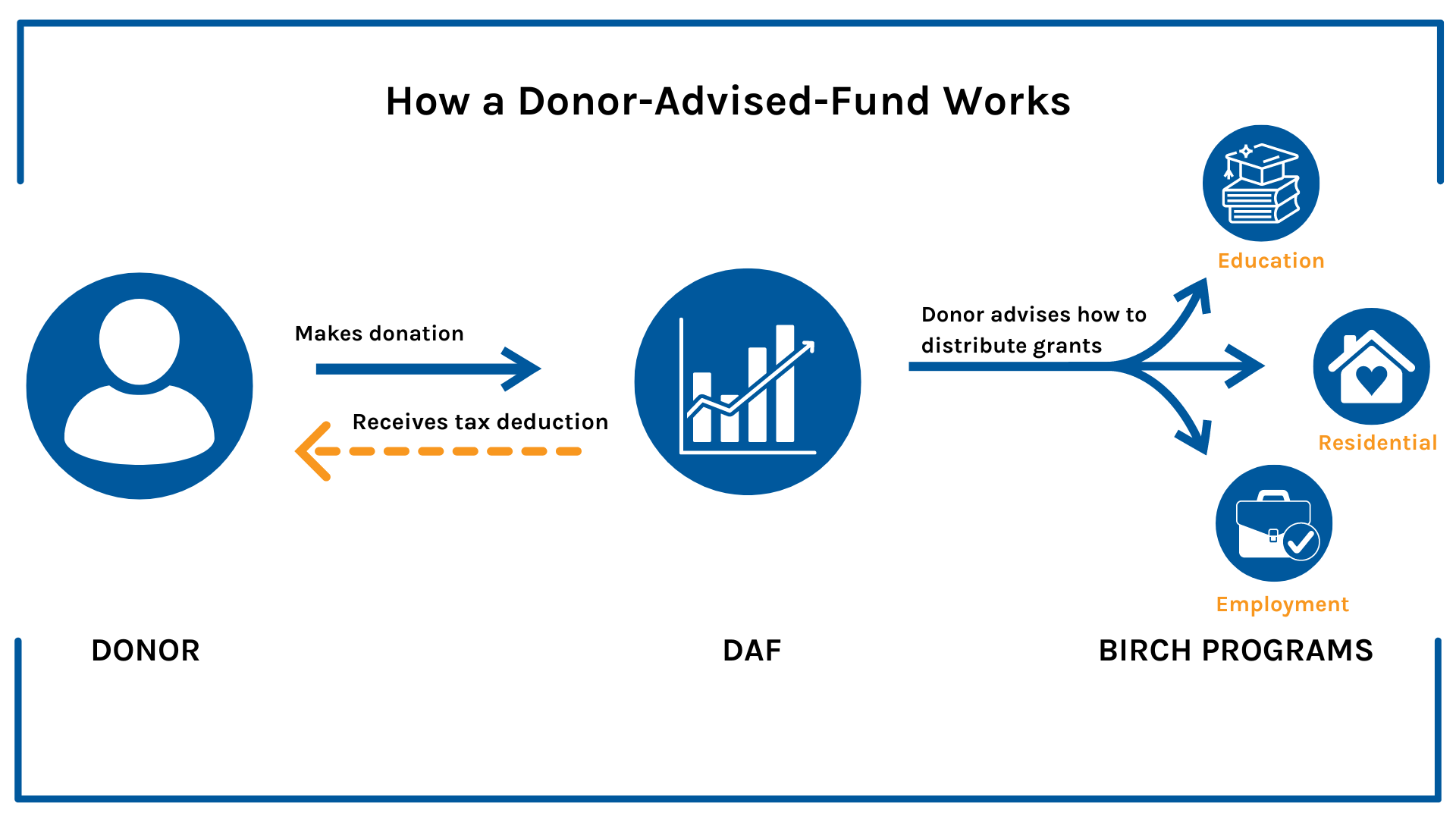
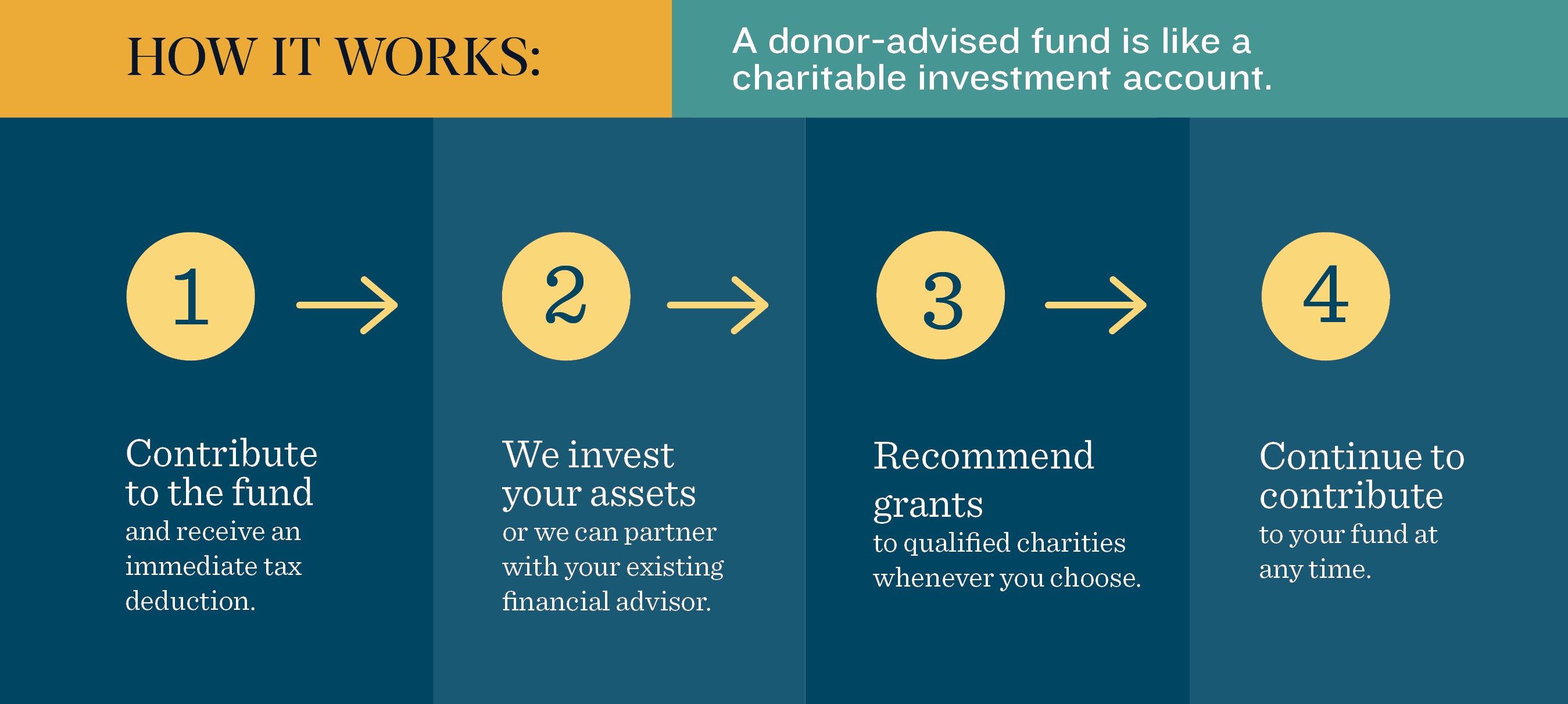
A donor-advised fund operates as a three-stage financial vehicle: the contribution phase, the investment phase, and the grant-making phase. To utilize a donor fund, an individual must first partner with a “sponsoring organization,” which is a 501(c)(3) public charity that manages the fund. These sponsors can be the charitable arms of major financial institutions, community foundations, or cause-specific organizations.
The Contribution and Irrevocable Gift
The process begins when a donor transfers assets into the fund. It is crucial to understand that a contribution to a donor fund is an irrevocable gift. Once the assets are transferred, the sponsoring organization has legal control over them. In exchange for relinquishing legal ownership, the donor receives an immediate tax deduction for the full fair market value of the assets (within IRS limits). This immediate deduction is a primary driver for the popularity of DAFs, as it decouples the timing of the tax benefit from the timing of the actual distribution to a charity.
The Power of Tax-Free Investment Growth
Once assets are in the fund, they do not sit idle. One of the most significant advantages of a donor fund is that the capital can be invested in a variety of portfolios—ranging from conservative money market funds to aggressive equity growth strategies. Because the fund is owned by a 501(c)(3) organization, all investment growth within the account is tax-free. If a donor contributes $100,000 that grows to $150,000 over five years through savvy investing, that additional $50,000 is available for charitable distribution without ever being diminished by capital gains taxes.
The Grant-Making Advisory Role
While the sponsoring organization technically owns the assets, the donor retains “advisory privileges.” This means the donor can recommend which IRS-qualified charities should receive grants, how much they should receive, and when those grants should be issued. Most sponsoring organizations honor these recommendations as long as the recipient is a legitimate nonprofit in good standing. This allows for a thoughtful, multi-year approach to giving rather than rushing to make decisions before the end of a tax year.
The Financial Incentives: Tax Efficiency and Asset Growth
From a wealth management perspective, a donor fund is a tool for maximizing the impact of every dollar. By understanding the tax code surrounding these vehicles, donors can significantly reduce their tax liability while increasing the total amount of capital available for the causes they care about.
High-Impact Tax Deductions
For many high-earning individuals, the ability to front-load charitable deductions is a game-changer. Donors can claim an income tax deduction of up to 60% of their adjusted gross income (AGI) for cash contributions and up to 30% of their AGI for appreciated long-term assets. In years where a donor experiences a “liquidity event”—such as the sale of a business, a significant bonus, or a vesting of stock options—contributing to a donor fund can offset a massive tax bill in a single filing year.
Eliminating Capital Gains on Appreciated Assets
Perhaps the most potent financial strategy involving donor funds is the contribution of appreciated securities. If an investor holds stock that has grown significantly in value, selling that stock would normally trigger a capital gains tax. However, by donating the stock directly to a DAF, the donor avoids the capital gains tax entirely and still receives a deduction for the full market value. This “double tax benefit” means the charity receives more money, and the donor keeps more of their wealth out of the hands of the IRS.
Estate Planning and Legacy Building
Donor funds are increasingly used as a streamlined alternative to private foundations for estate planning. Upon the death of the primary account holder, the fund can be passed down to named successors—often children or grandchildren—who then take over the advisory role. This creates a multi-generational “family bank” for philanthropy, teaching younger generations about financial responsibility and social impact without the administrative burden of managing a legal foundation.
Comparing Philanthropic Vehicles: DAFs vs. Private Foundations
When deciding how to manage large-scale giving, donors often weigh the pros and cons of donor-advised funds against private foundations. While foundations offer a high degree of control, donor funds win on cost, simplicity, and privacy.
Costs and Administrative Overhead
Private foundations are independent legal entities that require their own board of directors, annual tax filings (Form 990-PF), and adherence to complex IRS regulations. This leads to significant legal and accounting fees. In contrast, a donor fund is an “umbrella” account under an existing charity. The sponsoring organization handles all the record-keeping, tax reporting, and compliance. For the donor, the “cost of entry” for a DAF is much lower, with many providers allowing funds to be started with as little as $5,000 to $25,000.
The Advantage of Privacy
For many donors, anonymity is a priority. Private foundations are matters of public record; anyone can look up a foundation’s tax return to see who donated to it and which organizations received grants. Donor funds, however, offer a high level of privacy. Grants can be made anonymously, and the individual donors are not listed in public databases. This is particularly valuable for high-profile individuals who wish to avoid unwanted solicitations.
Flexibility in Contributions
Donor-advised funds can often accept a wider variety of non-cash assets than individual charities or small foundations can easily handle. This includes restricted stock, interests in limited partnerships, and even certain types of real estate or cryptocurrency. The sponsoring organization has the infrastructure to liquidate these complex assets and credit the net proceeds to the donor’s fund, a process that would be administratively impossible for most local nonprofits.
Strategic Philanthropy: Advanced Wealth Management Techniques
To get the most out of a donor fund, investors should view it as a dynamic part of their broader financial strategy. Several advanced techniques can help optimize the timing and impact of contributions.
The “Bunching” Strategy
With the increase in the standard deduction in recent years, many taxpayers find they no longer reach the threshold to itemize their deductions. “Bunching” solves this. Instead of giving $10,000 a year to charity for five years, a donor might contribute $50,000 into a DAF in a single year. This allows them to exceed the standard deduction threshold significantly in year one, reaping a large tax benefit, while still distributing that $10,000 annually to their favorite charities over the subsequent five years.
Using DAFs as a Volatility Buffer
Markets are cyclical, and a donor’s ability to give often fluctuates with their portfolio performance. By contributing heavily to a DAF during “bull markets” or high-income years, donors build up a reserve. During market downturns or “lean years,” they can continue to support their favorite charities at the same level by drawing from the DAF, ensuring that their philanthropic impact remains consistent regardless of the economy.
Pre-Exit Planning for Entrepreneurs
For business owners planning an exit, the timing of a DAF contribution is critical. By donating a portion of non-voting private stock to a donor fund before a letter of intent (LOI) is signed or a sale is finalized, the owner can avoid the massive capital gains tax associated with the sale of that portion of the business. This can result in a significantly larger charitable gift and a smaller tax liability upon the close of the deal.
Navigating the Selection Process: Finding the Right Sponsoring Organization
Not all donor funds are created equal. The choice of a sponsoring organization will dictate the fees you pay, the investment options available to you, and the level of service you receive.
Commercial vs. Community Foundations
Commercial sponsors, like Fidelity Charitable or Schwab Charitable, offer robust digital platforms, low fees, and a wide array of investment options. They are ideal for donors who want a “brokerage-like” experience. Community foundations, on the other hand, offer local expertise. If a donor is focused on improving a specific city or region, a community foundation can provide deep insights into which local nonprofits are most effective, essentially acting as a philanthropic consultant.
Evaluating Fee Structures
Donors should be aware of two main types of fees: administrative fees and investment fees. Administrative fees are paid to the sponsoring organization to cover the costs of grant processing and compliance. Investment fees are the standard expense ratios associated with the mutual funds or ETFs within the account. While these fees are generally low, they can vary significantly, so it is essential to compare the total “all-in” cost across different providers.
Minimums and Grant-Making Policies
While many DAFs have low minimums to open, some may have minimum grant amounts (e.g., $50 per grant) or requirements for how often the fund must be active. Some sponsors also offer “legacy” features that allow for more complex succession planning. Reviewing the “Program Guidelines” of a sponsor is a necessary step before making an irrevocable contribution.
By integrating a donor fund into a comprehensive financial plan, investors can move from reactive giving to proactive, strategic philanthropy. It is a tool that balances the desire for social impact with the necessity of tax efficiency, providing a structured way to build a legacy while optimizing personal wealth. As the financial world continues to prioritize both profit and purpose, the donor-advised fund stands as the premier vehicle for the modern, mission-driven investor.
aViewFromTheCave is a participant in the Amazon Services LLC Associates Program, an affiliate advertising program designed to provide a means for sites to earn advertising fees by advertising and linking to Amazon.com. Amazon, the Amazon logo, AmazonSupply, and the AmazonSupply logo are trademarks of Amazon.com, Inc. or its affiliates. As an Amazon Associate we earn affiliate commissions from qualifying purchases.