
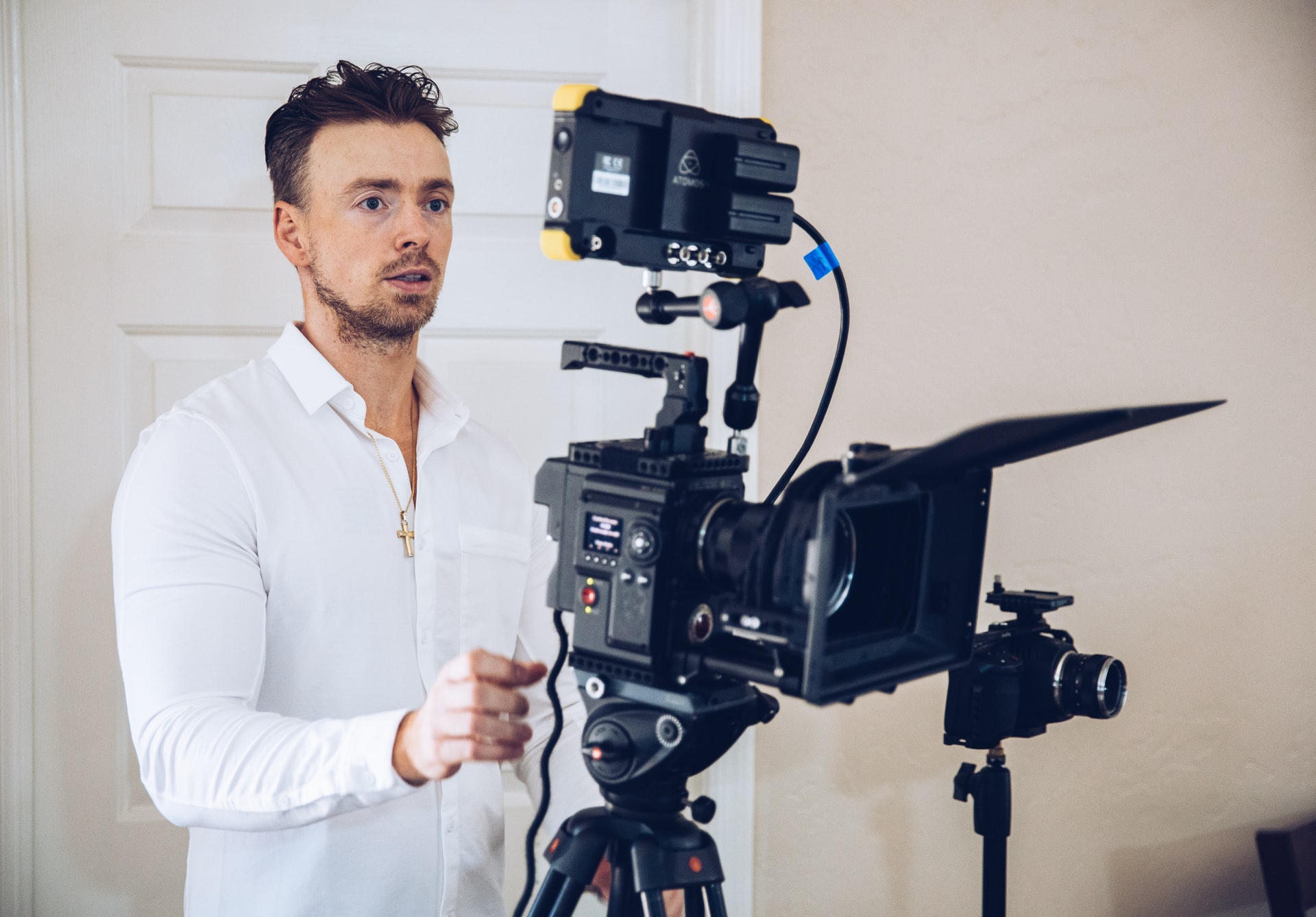
In the early days of cinema, a director was often characterized by a megaphone and a folding chair, a singular figure whose primary task was to coach actors and decide where to place a heavy, hand-cranked camera. Today, the definition of a movie director has undergone a radical transformation. While the core mission—storytelling—remains the same, the modern director has evolved into a high-level “Chief Technology Officer” of a digital ecosystem. To understand what a director is in the 21st century, one must view the role through the lens of technological integration, software mastery, and the management of complex digital pipelines.
The Evolution of the Director: From Celluloid to Digital Architect
The transition from physical film to digital data has fundamentally altered the DNA of directing. A director is no longer just a creative lead; they are the architect of a massive digital workflow that begins long before the first day of shooting and extends far beyond the final cut.
Transitioning from Physical Film to Digital Workflows
The move from 35mm film to high-resolution digital sensors (such as those found in Arri Alexa or RED systems) changed the director’s relationship with the “image.” In the analog era, a director often had to wait for “dailies” to be processed in a lab to see if a shot worked. Today’s director operates in an environment of instant gratification and infinite precision. They must understand the technical nuances of bit depth, dynamic range, and RAW data formats to ensure that the visual information captured on set provides the necessary latitude for the post-production teams.
The Director as a Master of Post-Production Software
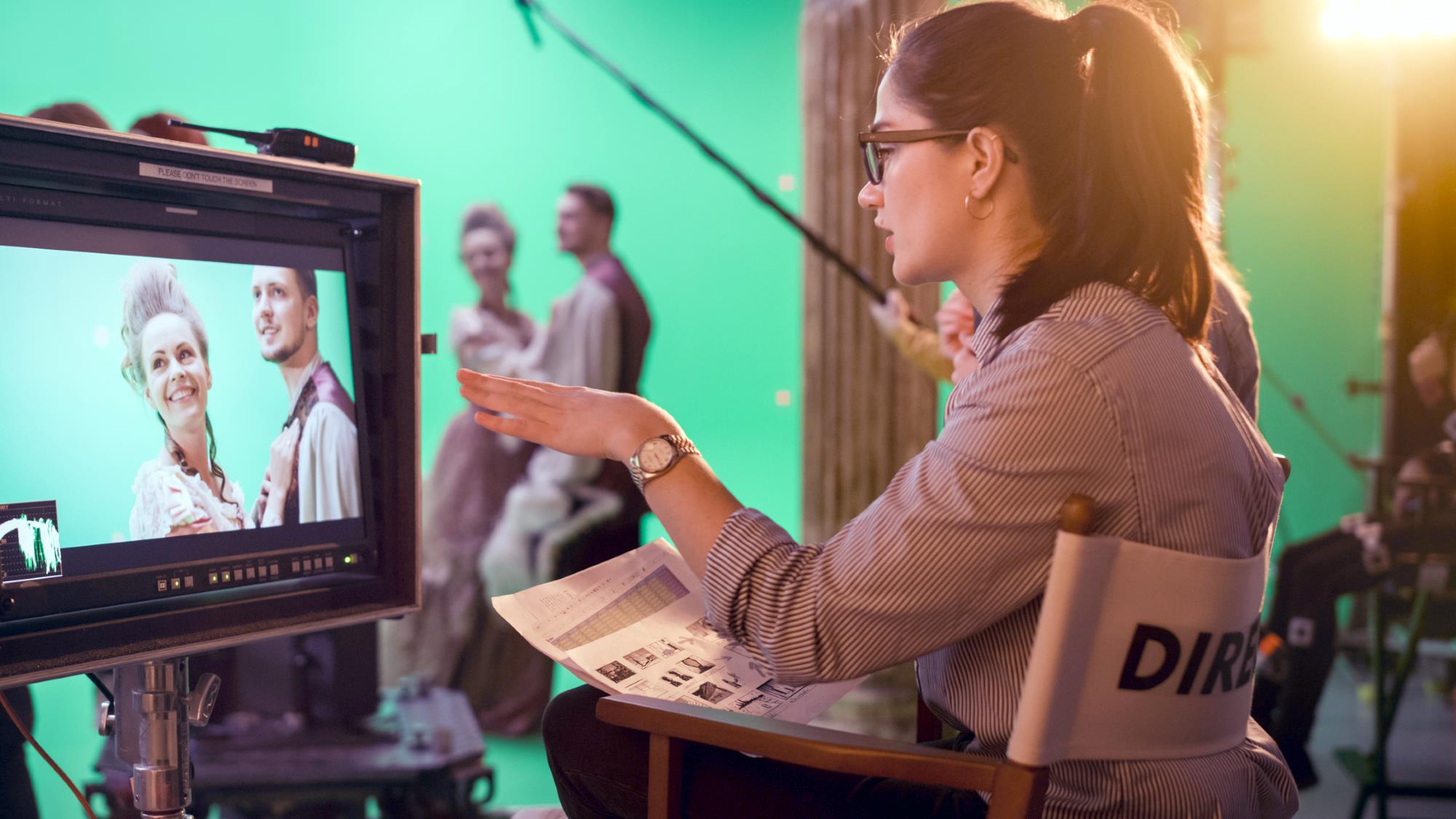
Modern directing requires a deep familiarity with the software suites that bring a movie to life. A director may not be the one clicking the mouse in DaVinci Resolve or Avid Media Composer, but they must understand the capabilities of these tools to guide their editors and colorists. The ability to visualize a final product while looking at a green screen requires a technical imagination that was unnecessary forty years ago. The director now oversees a “non-linear” process where editing, sound design, and visual effects (VFX) happen concurrently rather than sequentially.
Mastering Virtual Production: The Rise of the LED Volume
Perhaps the most significant technological leap in recent directing history is the advent of Virtual Production. This technology, popularized by series like The Mandalorian, has moved the director from the “green screen” era into the “real-time” era.
Real-Time Engine Integration (Unreal Engine and Unity)
Traditionally, game engines like Unreal Engine were the exclusive domain of software developers. Today, they are a director’s most powerful tool. Through “In-Camera Visual Effects” (ICVFX), directors can now project photorealistic, 3D environments onto massive LED walls (The Volume) surrounding the actors. The director is no longer guessing what a digital landscape will look like; they are seeing it in real-time, with the lighting from the digital world naturally reflecting off the actors’ skin and costumes. This requires a director to have a firm grasp of 3D parallax, spatial computing, and real-time rendering.
Directing in a Pre-Visualization (Pre-viz) World
Before a single frame is shot, a modern director often “directs” a digital version of the movie. Pre-visualization (Pre-viz) involves using 3D animation software to map out camera movements, lens choices, and stunt choreography in a virtual space. This technological “blueprint” allows the director to iterate and experiment without the massive costs of a live set. For a director, this phase is about managing data and physics engines to ensure that what is planned digitally is physically achievable on the day of production.
AI and the Future of the Director’s Toolkit
Artificial Intelligence is the latest frontier in the cinema tech stack, and the director of tomorrow must be an expert in leveraging these tools to enhance human creativity rather than replace it. AI is currently being integrated into every phase of the directorial process, offering efficiencies that were previously unimaginable.
Generative AI in Scripting and Storyboarding
Directors are increasingly using generative AI tools to bridge the gap between a written script and a visual concept. AI-driven image generators allow a director to produce high-fidelity concept art and storyboards in seconds, facilitating better communication with the production designer and the cinematographer. By inputting specific prompts regarding lighting, mood, and composition, a director can use AI to “stress-test” visual ideas before they reach the expensive production phase.
De-aging and Deepfake Tech: Directing the Digital Performance
The role of the director now extends to overseeing “synthetic performances.” Technologies like AI-driven de-aging and facial performance replacement allow a director to alter an actor’s age or even change a line of dialogue in post-production without a re-shoot. This requires a director to understand the ethics and technical limitations of neural networks. Directing a digital double requires a specialized set of skills—understanding “uncanny valley” triggers and working with motion-capture (MOCAP) data to ensure that the human soul of a performance is not lost in the algorithms.
The Technological Infrastructure of Sound and Cinematography
A movie is a sensory experience, and the director is the lead engineer of that experience. The technology behind how we hear and see a film has become increasingly sophisticated, requiring directors to be well-versed in high-end audio-visual hardware and software.
Dolby Atmos and Immersive Soundscapes
Sound is 50% of the movie-going experience, and the modern director uses object-based audio technology like Dolby Atmos to “sculpt” the sound in a 3D space. Unlike traditional stereo or surround sound, Atmos allows a director to place individual sounds—a bird chirping, a bullet casing hitting the floor—anywhere in a three-dimensional room. A director must understand the technical specifications of these sound systems to create an immersive environment that guides the audience’s attention through auditory cues.
High Dynamic Range (HDR) and Advanced Color Grading
The “look” of a film is now determined by metadata as much as it is by lighting. A director works closely with digital imaging technicians (DITs) to apply Look-Up Tables (LUTs) on set, which are essentially complex mathematical formulas that transform the raw sensor data into a specific aesthetic. Understanding HDR technology is vital; a director must know how the film will look on a calibrated IMAX screen versus a consumer-grade OLED smartphone. This ensures that the director’s vision remains consistent across a fragmented technological landscape.
Data-Driven Directing: Navigating Distribution and Analytics
In the age of streaming, the director’s role has expanded to include an understanding of how technology dictates audience engagement. Directing for a cinema screen is technically different from directing for a streaming platform, and the modern director must navigate these differences with technical precision.
Streaming Algorithms and Audience Engagement Tech
Streaming giants like Netflix and Disney+ use sophisticated algorithms to analyze how viewers interact with content. While the director’s primary job is artistic, they are increasingly involved in technical decisions based on “heat maps” and viewer retention data. For example, the technology used to optimize a film for mobile viewing—such as adjusting framing or color contrast for smaller screens—is a technical consideration that the modern director must oversee.
The Future: VR, AR, and Interactive Cinema
As we move toward the “metaverse” and spatial computing, the director’s title may soon shift to “Experience Architect.” Virtual Reality (VR) and Augmented Reality (AR) films require a total departure from traditional “frame-based” directing. In a 360-degree environment, the director cannot control where the audience looks using a fixed camera. Instead, they must use directional audio, light cues, and interactive triggers (coded in languages like C# or C++) to guide the narrative. This represents the ultimate convergence of cinema and software engineering.

Conclusion
What is a director of a movie? In today’s landscape, they are the pivot point where art meets the cutting edge of technology. They are visionaries who must speak the language of both the actor and the software developer. By mastering virtual production, AI integration, and complex digital workflows, the modern director ensures that the ancient art of storytelling continues to thrive in an increasingly digital world. To direct a movie today is to manage a symphony of data, pixels, and processing power, all in the service of a singular, human vision.
aViewFromTheCave is a participant in the Amazon Services LLC Associates Program, an affiliate advertising program designed to provide a means for sites to earn advertising fees by advertising and linking to Amazon.com. Amazon, the Amazon logo, AmazonSupply, and the AmazonSupply logo are trademarks of Amazon.com, Inc. or its affiliates. As an Amazon Associate we earn affiliate commissions from qualifying purchases.