
In the world of high-end luxury and retail commerce, few marketing concepts have stood the test of time as effectively as the birthstone. To the casual consumer, a birthstone is simply a gemstone associated with the month of their birth—a sentimental piece of jewelry often received as a gift. However, to a brand strategist or a corporate marketer, birthstones represent one of the most successful examples of “Identity Marketing” in history.
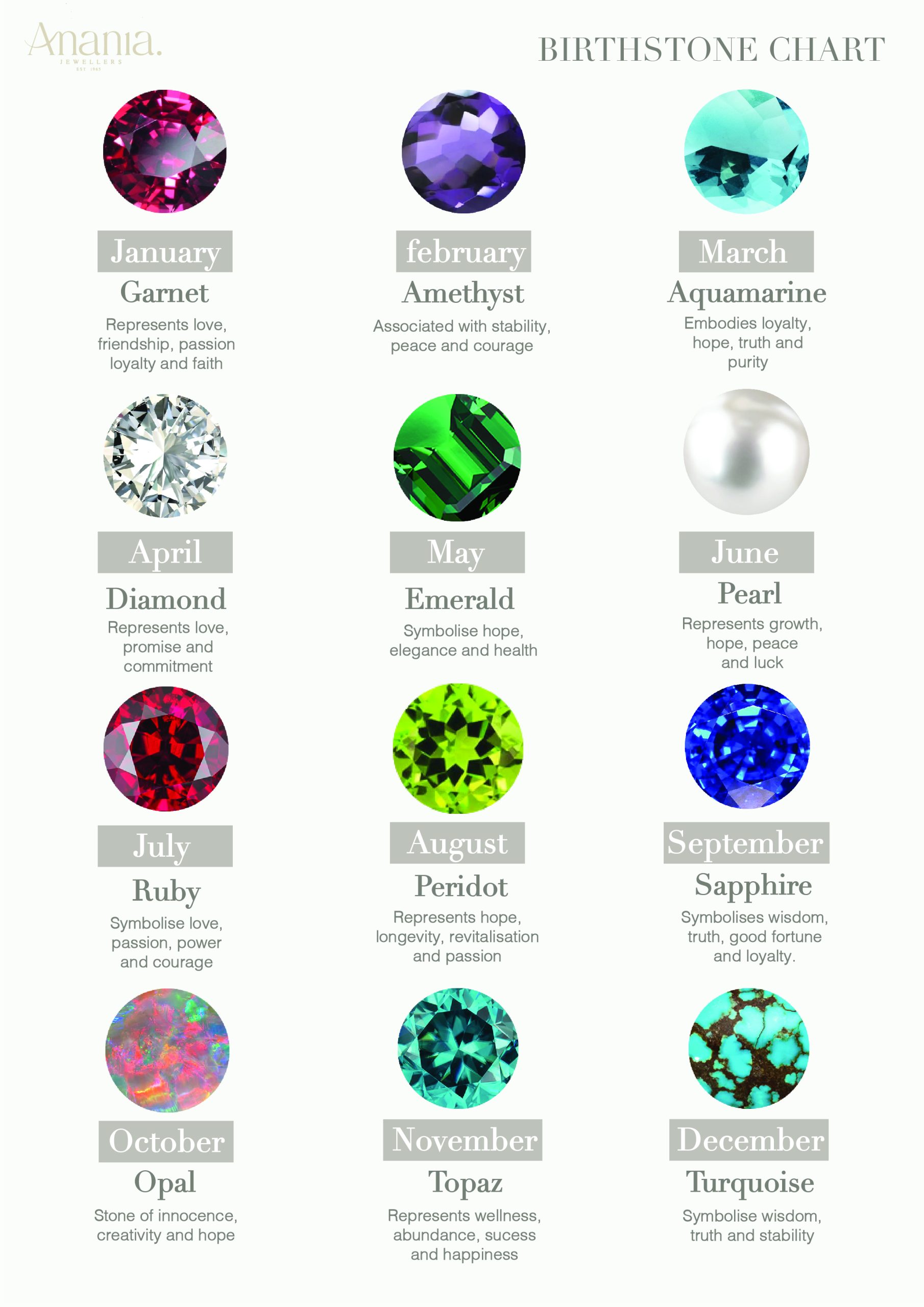
What are birthstones from a brand perspective? They are not merely geological artifacts; they are curated brand assets designed to bridge the gap between a generic product and a deeply personal consumer experience. By assigning specific gems to specific months, the jewelry industry created a standardized, self-sustaining demand cycle that has persisted for over a century. This article explores the strategic implementation of birthstones as a branding powerhouse, analyzing how they drive emotional loyalty, facilitate market standardization, and serve as a blueprint for personalization in the modern era.
The Origin Story as Brand Foundation
The history of birthstones is a masterclass in how a brand can leverage cultural lore to create contemporary value. While the concept of “sacred stones” dates back to the Breastplate of Aaron in biblical times, its transformation into a commercial juggernaut is a relatively modern branding feat.
From Ancient Lore to Commercial Standard
For centuries, the association between gemstones and the zodiac or calendar months was fluid and inconsistent across different cultures. In the early 20th century, jewelry brands faced a significant challenge: consumer confusion. Without a unified list, a consumer in New York might be told their birthstone was a ruby, while a consumer in London was told it was a garnet. This lack of consistency hindered large-scale manufacturing and global marketing efforts.
In 1912, the National Association of Jewelers (now Jewelers of America) met in Kansas City to solve this. They didn’t just list stones; they “branded” the calendar. By standardizing the list, they created a universal language that allowed every jewelry brand—from Tiffany & Co. to local boutiques—to sell the same narrative. This standardization is the bedrock of any successful brand strategy: consistency creates trust, and trust facilitates the purchase.
The Power of Storytelling in Gemstone Selection
Every successful brand needs a story, and birthstones provide twelve ready-made narratives. Brands do not just sell a blue sapphire; they sell “wisdom, royalty, and September.” By imbuing inanimate objects with human virtues and historical significance, jewelry brands elevate their products from commodities to talismans.
In modern branding, this is known as “Narrative Transport.” When a consumer buys a birthstone, they are being transported into a story where they are the protagonist. The gemstone becomes a physical manifestation of their personality. Brands that master this storytelling aspect can command higher price premiums because they are no longer selling a mineral by its carat weight; they are selling an identity.
Personalization: The Ultimate Brand Hook
In the current digital landscape, personalization is the “Holy Grail” of marketing. Consumers are increasingly resistant to mass-marketed, “one-size-fits-all” products. Birthstones were the original pioneers of this trend, offering a scalable way to make every customer feel unique.
Why the “Month” Matters: Building Emotional Loyalty
The brilliance of the birthstone brand strategy lies in its inclusivity. Everyone has a birthday. By anchoring a product line to a universal human experience—the date of birth—brands ensure a permanent, recurring market. This creates a powerful “Emotional Hook.”
When a brand markets a birthstone, they are tapping into the consumer’s sense of self. Research in consumer psychology suggests that people have a natural affinity for things they perceive as being “part of them.” This is often referred to as the “Endowment Effect.” In the context of branding, once a customer identifies a specific stone as “theirs,” the perceived value of that stone increases significantly compared to other, perhaps objectively more valuable, gems.
The Psychology of Ownership and Identity
Birthstone branding leverages what psychologists call “Optimal Distinctiveness.” Humans have a dual need: to belong to a group and to stand out as individuals. Birthstones satisfy both. Being a “November Baby” provides a sense of group belonging, while wearing a Citrine allows for individual expression.
Luxury brands have capitalized on this by creating “Personal Branding” collections. For instance, brands like Pandora or Kendra Scott have built entire business models around the idea of “building your own” jewelry. By using birthstones as the primary customizable element, these brands empower the consumer to become a co-creator of the product. This participation deepens the brand-consumer relationship, leading to higher lifetime value (LTV) and brand advocacy.
Strategic Marketing: The 1912 Standardization as a Case Study
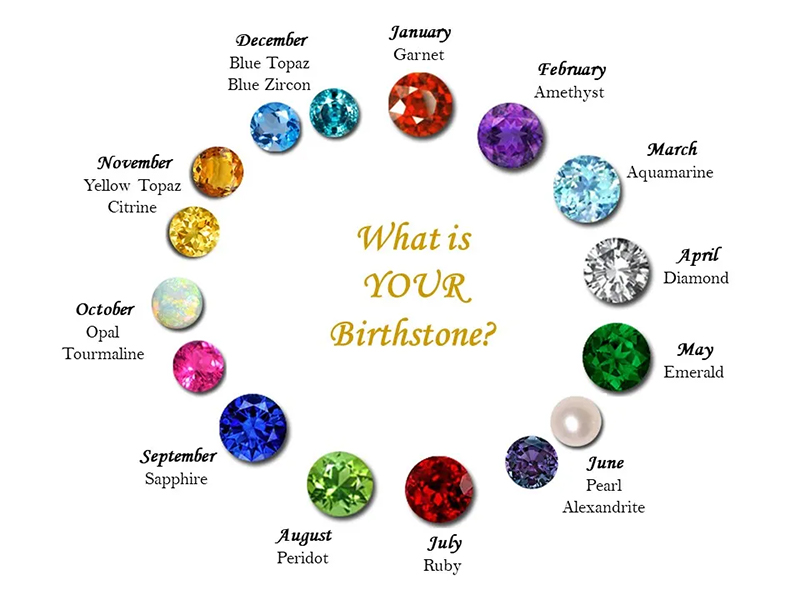
The 1912 standardization of birthstones remains one of the most successful collaborative branding efforts in corporate history. It serves as a vital case study for how industries can align to create a market where none existed.
Collective Branding: How the Jewelry Industry Created a Universal Catalog
Before 1912, the jewelry market was fragmented. The “Collective Branding” strategy employed by the National Association of Jewelers allowed the industry to speak with one voice. This is similar to how “Intel Inside” or “Got Milk?” functioned in later decades—it created a category-level demand that benefited all players in the space.
By creating a “Universal Catalog,” the industry reduced the “Paradox of Choice” for consumers. When a gift-giver is unsure what to buy, the birthstone provides a safe, socially validated, and “correct” choice. From a brand strategy perspective, this reduces the friction in the sales funnel. It simplifies the decision-making process, leading to higher conversion rates across the board.
Seasonal Cycles and Recurring Revenue Streams
One of the hardest tasks for any brand is maintaining consistent sales throughout the year. Most retail brands suffer from “peaks and valleys” (e.g., the holiday rush followed by a January slump). Birthstones provide a strategic solution to this problem: the “Perpetual Revenue Cycle.”
Because birthdays are distributed evenly across the twelve months, birthstone-focused brands enjoy a baseline of demand that is independent of traditional holidays. Strategic marketers use this to launch “Month of the [Gemstone]” campaigns, creating a sense of urgency and celebration every 30 days. This ensures that the brand remains relevant in the consumer’s mind year-round, rather than just during the December gift-giving season.
Modern Brand Application: Beyond Traditional Jewelry
As we move further into the 21st century, the birthstone brand concept is evolving. It is moving beyond the physical ring or necklace and into the realms of digital branding and ethical corporate identity.
Digital Branding and Social Media Influence
In the age of Instagram and TikTok, birthstones have found a new life as “Aesthetic Assets.” Brands now use the vibrant colors and perceived “vibes” of birthstones to create visually compelling social media content. This is a shift from functional branding (selling a gift) to aspirational branding (selling a look).
Influencer marketing has further amplified this. When a celebrity or influencer shares their “birthstone stack,” it creates a viral trend that brands can immediately capitalize on. Modern jewelry brands like Mejuri or Catbird have mastered the art of “Digital Personalization,” using algorithm-driven ads to show consumers their specific birthstone products on their actual birthdays. This precision targeting is the modern evolution of the 1912 strategy, combining century-old lore with cutting-edge data science.
Ethical Branding and the Conscious Consumer
For modern brands, birthstones also present a challenge and an opportunity in “Values-Based Branding.” Today’s consumer is highly concerned with the provenance of their gems. Issues like “blood diamonds” or unethical mining practices can devastate a brand’s reputation.
Consequently, savvy brands are re-branding birthstones through the lens of sustainability. We are seeing a rise in “Lab-Grown Birthstones” and “Ethically Sourced” collections. By aligning the birthstone narrative with environmental and social governance (ESG) goals, brands are appealing to the Gen Z and Millennial demographic. In this context, the birthstone is no longer just a symbol of the month you were born; it is a symbol of the values you hold. A brand that can successfully link a consumer’s identity (their birthstone) with their ethics (sustainable sourcing) creates an unbreakable brand bond.
Conclusion: The Future of the Birthstone Brand
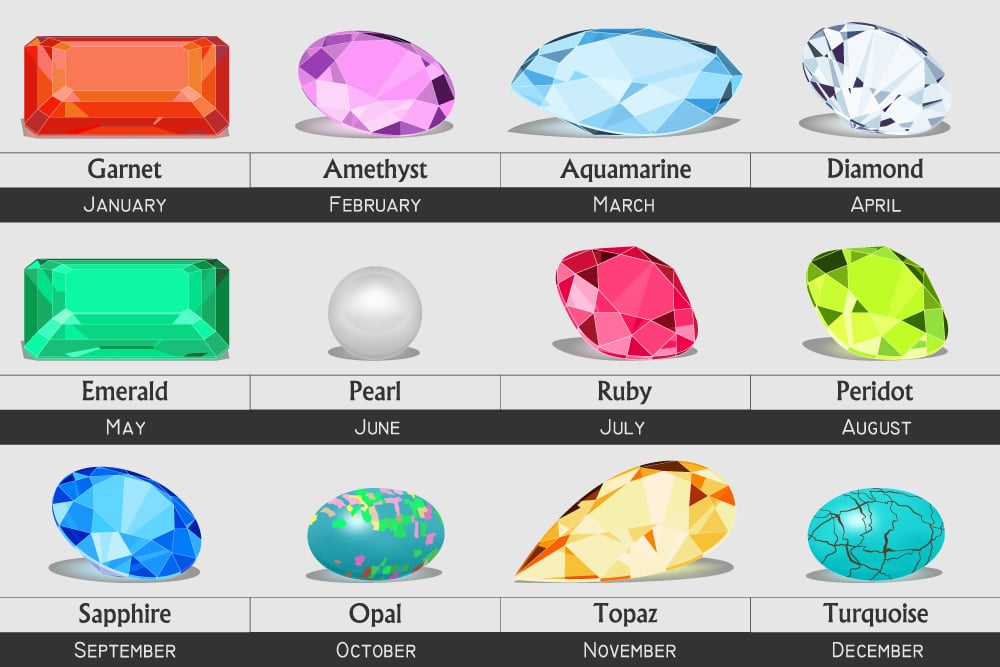
“What are birthstones?” From a brand strategy perspective, they are the ultimate tool for turning a commodity into a connection. They represent a century-long success story of how standardization, storytelling, and personalization can create a permanent market.
As brands continue to navigate an increasingly crowded marketplace, the lessons of the birthstone remain more relevant than ever. The ability to make a customer feel seen, understood, and “represented” by a product is the hallmark of a great brand. Whether through physical gems, digital avatars, or ethical sourcing narratives, the “Birthstone Strategy”—the alchemy of turning a date of birth into a lifelong brand relationship—will continue to be a cornerstone of retail excellence for another hundred years.
aViewFromTheCave is a participant in the Amazon Services LLC Associates Program, an affiliate advertising program designed to provide a means for sites to earn advertising fees by advertising and linking to Amazon.com. Amazon, the Amazon logo, AmazonSupply, and the AmazonSupply logo are trademarks of Amazon.com, Inc. or its affiliates. As an Amazon Associate we earn affiliate commissions from qualifying purchases.