
In the competitive landscape of professional advancement, understanding how to present oneself is paramount. Far more than mere lists of qualifications, your Curriculum Vitae (CV) and Resume are strategic marketing documents—powerful tools in defining and projecting your unique professional brand. They are the initial touchpoints through which potential employers or academic institutions form their first impression of you, making their strategic design and deployment critical. This article delves into the distinct characteristics of a CV and a Resume, illustrating how each serves as a tailored instrument for personal branding, designed to articulate your professional identity with precision and impact within the “Brand” niche.

The Core Differentiators: Strategic Tools for Personal Branding
At their heart, both CVs and Resumes aim to showcase your professional capabilities. However, their fundamental differences lie in their scope, purpose, and the narrative they construct about your brand. Recognizing these distinctions is the first step in effectively leveraging them as part of your overarching brand strategy.
The Resume: Your Concise Marketing Brochure
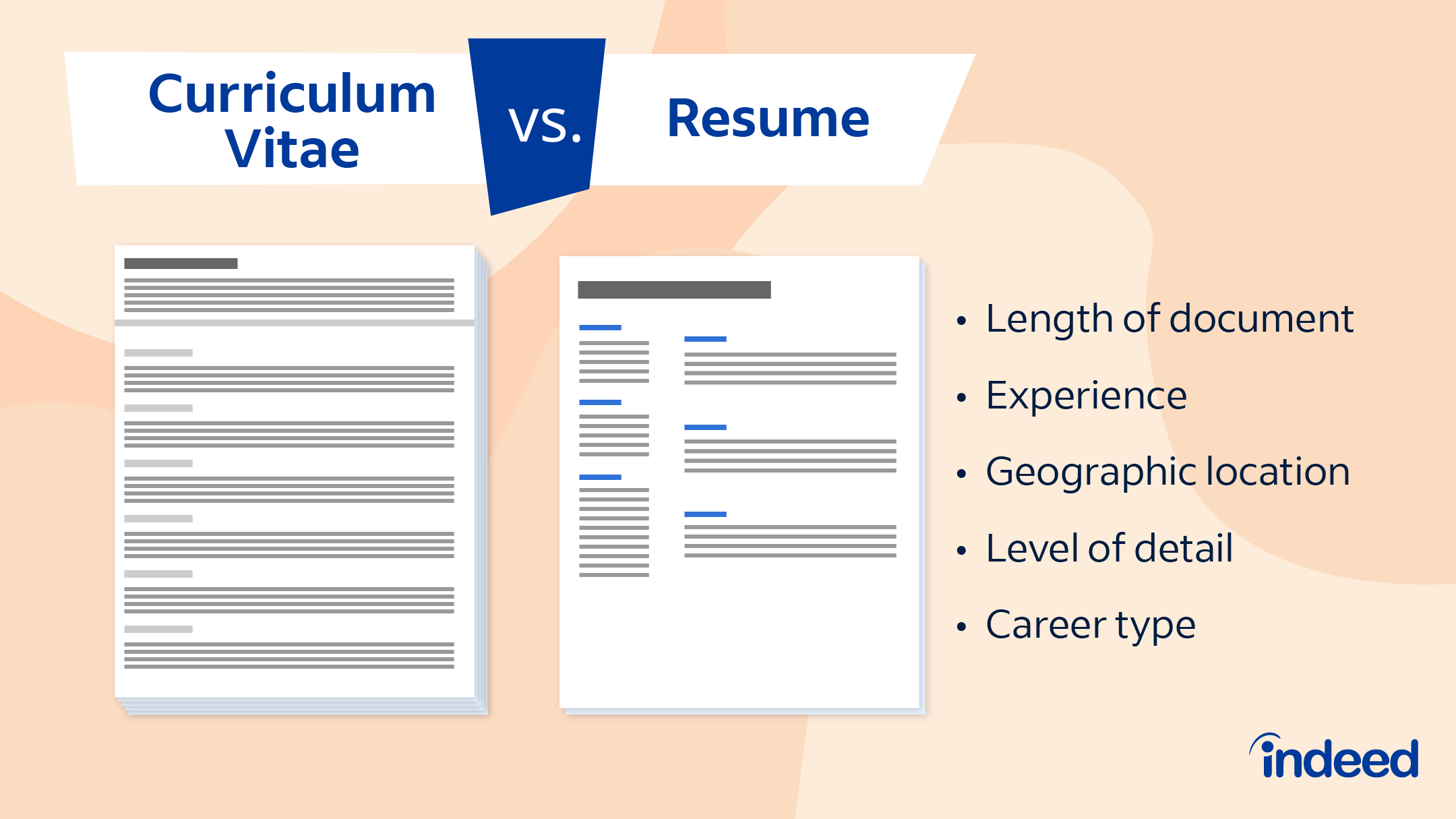
Think of your resume as a highly targeted marketing brochure. Its primary objective is to make a quick, impactful impression, highlighting only the most relevant skills and experiences that align directly with a specific job description. Typically one to two pages in length, a resume is designed for brevity and immediate absorption by recruiters who often spend mere seconds scanning each submission.
From a branding perspective, the resume is about immediate value proposition. It’s not just a list of past jobs; it’s a curated narrative demonstrating how your unique brand—your skills, achievements, and potential—solves a specific problem or fulfills a specific need for the prospective employer. Each bullet point is a mini-advertisement, quantified wherever possible, showcasing direct contributions and results. The design, layout, and use of keywords are all strategic choices aimed at projecting a professional, competent, and highly relevant brand identity that resonates with the target audience. It’s about showing, not just telling, what your brand can do for them.
The Curriculum Vitae: Your Comprehensive Brand Narrative
In stark contrast, the Curriculum Vitae (CV), Latin for “course of life,” is a comprehensive and often lengthy document that provides an exhaustive overview of your entire academic and professional history. Spanning multiple pages, a CV is typically used for academic, research, medical, scientific, or international positions where a detailed record of scholarly contributions and professional development is required.
As a branding tool, the CV constructs a deep, authoritative narrative of your professional journey. It meticulously details every publication, presentation, grant, award, research project, teaching experience, and professional affiliation. This document isn’t about quick hits; it’s about building a robust, credible brand as an expert, a scholar, or a thought leader in a specific field. Every entry contributes to a holistic portrait of your intellectual rigor, dedication, and sustained contribution to a specialized domain. The CV functions as a historical record of your brand’s evolution and impact, establishing a legacy of expertise and influence. Its comprehensive nature serves to affirm your deep domain knowledge and commitment, essential elements for an academic or research-oriented professional brand.
Crafting Your Brand Message: Tailoring Content for Impact
The strategic selection and articulation of content within your CV or Resume are paramount for effectively communicating your brand message. Every word, every achievement, and every experience must be purposefully chosen to resonate with your intended audience.
Brand Storytelling in Resumes: Action-Oriented and Relevant
For a resume, effective brand storytelling is about being highly selective and impactful. You’re not just listing duties; you’re highlighting achievements that paint a picture of competence and value. This means using strong action verbs to describe accomplishments and quantifying results whenever possible. For example, instead of “Managed social media accounts,” a strong brand statement would be “Spearheaded social media strategy, increasing engagement by 25% and driving 15% more qualified leads.”
The goal is to align your personal brand narrative directly with the brand needs of the hiring company. This requires careful analysis of the job description, identifying keywords, and tailoring your experiences to demonstrate how your unique skill set and past successes directly translate into future value for their organization. It’s about creating a compelling, concise story that positions you as the ideal solution to their current challenges, a proactive and results-oriented professional brand. Your brand story on a resume should be dynamic, forward-looking, and intensely relevant to the specific opportunity.
Building an Academic Brand with CVs: Authority and Expertise
In a CV, the brand message shifts from direct problem-solving to demonstrating deep expertise, intellectual curiosity, and sustained contribution to a field. Here, storytelling is about establishing authority and credibility through an exhaustive record of scholarly work. This involves meticulously listing every publication (peer-reviewed articles, books, chapters), presentations at conferences, grants secured, research projects led, and teaching experience across various levels.
Each entry reinforces your brand as a dedicated scholar and expert. The CV is where you detail your research interests, outlining your intellectual journey and future directions, which are critical components of your academic brand. It showcases your ability to contribute to the collective knowledge of your discipline, demonstrating not just what you’ve done, but the intellectual rigor and impact you’ve had within your academic community. Your academic brand is built upon the consistent accumulation and dissemination of knowledge, and the CV serves as the definitive chronicle of that intellectual journey.
Visual Identity and Design: The Aesthetic of Your Professional Brand
Beyond the words, the visual presentation of your CV or Resume plays a significant role in conveying your professional brand. Design choices, while varying in style and complexity between the two documents, consistently impact how your brand is perceived.
Resume Design Principles: Modern, Clean, and On-Brand
For resumes, design is a critical aspect of personal branding. A modern, clean, and professional layout enhances readability and leaves a lasting impression. Considerations include:
-
Readability: Use clear, professional fonts (e.g., Calibri, Arial, Garamond) and appropriate font sizes. Employ bullet points effectively to break up text and highlight key information.
-
White Space: Strategic use of white space prevents the resume from appearing cluttered and makes it easier for the reader’s eye to navigate.
-
Consistency: Maintain a consistent aesthetic throughout—font choices, heading styles, and alignment—to present a cohesive and polished brand image.
-
Subtle Branding Elements: While over-the-top graphics are generally discouraged for most industries, a subtle use of color (e.g., in headings or lines) or a minimalist icon set can add a touch of personality and reinforce a contemporary brand. However, always prioritize clarity and professionalism.
-
ATS Compatibility: Ensure the design is also machine-readable by Applicant Tracking Systems (ATS), which parse resumes for keywords. Overly complex designs or embedded graphics can hinder this process, meaning your brand might not even reach human eyes.
A well-designed resume communicates attention to detail, organization, and a forward-thinking professional brand. It’s an extension of your professional self, designed to be both aesthetically pleasing and highly functional in securing interviews.

CV Format and Professionalism: Clarity for a Scholarly Brand
While CVs may appear less “designed” than resumes, particularly in academia, their formatting and presentation are equally crucial for establishing a scholarly brand. The emphasis here is on clarity, logical organization, and a consistent, no-nonsense presentation that underscores seriousness and intellectual rigor.
-
Standardized Sections: CVs typically follow a more standardized structure (Education, Publications, Presentations, Research Experience, Teaching Experience, Awards, etc.). Clear headings and subheadings are essential for navigation.
-
Chronological Order: Information within sections is usually presented in reverse chronological order, allowing readers to quickly identify your most recent contributions.
-
Consistency is Key: Maintaining uniform formatting for entries (e.g., how publications are cited, how dates are presented) across all sections is paramount. This reflects meticulousness and professionalism, core attributes of a credible academic brand.
-
Professional, Conservative Aesthetics: While some disciplines might allow for minor creative elements, a CV generally adheres to a more conservative and text-heavy format. The focus is on the content and substance of your achievements rather than elaborate visual flair. The “brand” communicated here is one of scholarly depth, meticulousness, and established authority.
-
Length as a Virtue: Unlike resumes, the length of a CV is often a reflection of the depth and breadth of one’s academic brand. A longer CV, filled with significant contributions, speaks volumes about a sustained career of research and scholarship.
Strategic Application: Deploying Your Brand Assets Effectively
Knowing the difference between a CV and a Resume is only half the battle; the other half is understanding when and where to deploy each as part of your strategic personal branding efforts.
When to Deploy the Resume: Targeting Corporate and Private Sector Roles
The resume is your go-to branding asset for the vast majority of corporate, private sector, and non-academic job applications. Its conciseness and targeted nature make it ideal for roles where employers are looking for specific skill sets and quantifiable achievements that directly address their immediate business needs.
-
Corporate Jobs: From entry-level positions to senior management roles in business, tech, marketing, finance, and other industries.
-
Private Sector: Most roles outside of government or academia.
-
Recruitment Agencies: Recruiters often prefer resumes for their quick digestibility.
-
Online Applications: Many online application portals are designed to process resume-style information efficiently, sometimes through ATS.
When deploying a resume, always remember to tailor it to each specific job description. This targeted approach demonstrates that you understand the company’s brand, its needs, and how your personal brand can seamlessly integrate and contribute to its success. A generic resume is a weak branding statement; a tailored resume is a powerful, personalized pitch.
When to Present the CV: Navigating Academia, Research, and International Markets
The CV is reserved for scenarios where a deep, exhaustive record of your professional and academic life is not just preferred, but required.
-
Academic Positions: Professorships, research fellowships, lecturer roles, and any faculty positions at universities and colleges.
-
Research Roles: Positions in research institutions, laboratories, think tanks, or government research departments.
-
Grants and Fellowships: Applications for funding, scholarships, and postgraduate programs often require a detailed CV to assess your scholarly potential and track record.
-
Medical and Scientific Fields: For doctors, scientists, and other highly specialized professionals who need to document publications, clinical trials, and certifications.
-
International Applications: In many European countries, the term “CV” is often used interchangeably with “Resume” and can sometimes refer to a more detailed document than a typical American resume, even for non-academic roles. Always clarify local expectations.
Presenting a CV in these contexts is a strategic move to validate your academic or research brand, showcasing the depth of your expertise and your commitment to intellectual contribution. It’s an affirmation of your professional standing within a highly specialized community.
Maintaining Your Professional Brand: Evolution and Digital Presence
Your professional brand is not static; it evolves with every achievement, skill learned, and experience gained. Therefore, your CV and Resume, as core brand assets, must also be dynamic documents.
Regular Brand Audits: Keeping Your Documents Current
Just as companies regularly audit their brand messaging and market positioning, you should conduct regular “brand audits” of your CV and Resume. This means:
-
Updating Achievements: Add new skills, certifications, projects, publications, and professional affiliations as they occur.
-
Refining Messaging: As your career goals evolve, so too should the emphasis and narrative within your documents. Ensure they consistently reflect your current professional aspirations and the brand you wish to project.
-
Eliminating Obsolete Information: Remove outdated or less relevant experiences that no longer serve your current brand strategy.
-
Seeking Feedback: Have trusted mentors, colleagues, or career coaches review your documents. Fresh eyes can offer valuable insights into how your brand is being perceived and suggest improvements.
Regular maintenance ensures that your CV and Resume always present the most compelling and accurate representation of your evolving professional brand.
Integrating with Your Digital Brand: LinkedIn and Portfolio Sites
In today’s interconnected world, your CV and Resume are not isolated documents but integral components of a broader digital brand ecosystem. They must seamlessly integrate with your online professional presence, such as:
-
LinkedIn Profile: Your LinkedIn profile should complement, but not simply duplicate, your CV or Resume. It offers an opportunity to expand on experiences, receive endorsements, post articles, and engage with your professional network, all of which reinforce your brand. Consistency in your professional narrative across all platforms is key.
-
Professional Websites/Portfolio Sites: For creatives, academics, or those in project-based roles, a personal website or online portfolio provides an invaluable platform to showcase work samples, research papers, testimonials, and a more extensive narrative of your brand journey. Your CV or Resume can then serve as a gateway to these richer digital assets.
Ensuring a cohesive personal brand across all touchpoints—both physical documents and digital platforms—strengthens your professional identity, making it easier for recruiters and collaborators to understand and trust your brand.
Conclusion
The distinction between a Curriculum Vitae and a Resume extends far beyond their length; it lies at the heart of their strategic purpose as personal branding instruments. The resume acts as your concise, targeted marketing brochure, designed for immediate impact and relevant value proposition in competitive job markets. The CV, conversely, serves as your comprehensive brand narrative, meticulously documenting your scholarly contributions and expertise for academic and specialized fields. Both are indispensable tools for articulating your professional identity, each with its unique design, content strategy, and deployment context. By understanding and strategically leveraging the specific power of each document, you empower yourself to effectively market your professional brand, ensuring that your unique value proposition resonates with precision and impact in every opportunity you pursue.
aViewFromTheCave is a participant in the Amazon Services LLC Associates Program, an affiliate advertising program designed to provide a means for sites to earn advertising fees by advertising and linking to Amazon.com. Amazon, the Amazon logo, AmazonSupply, and the AmazonSupply logo are trademarks of Amazon.com, Inc. or its affiliates. As an Amazon Associate we earn affiliate commissions from qualifying purchases.