
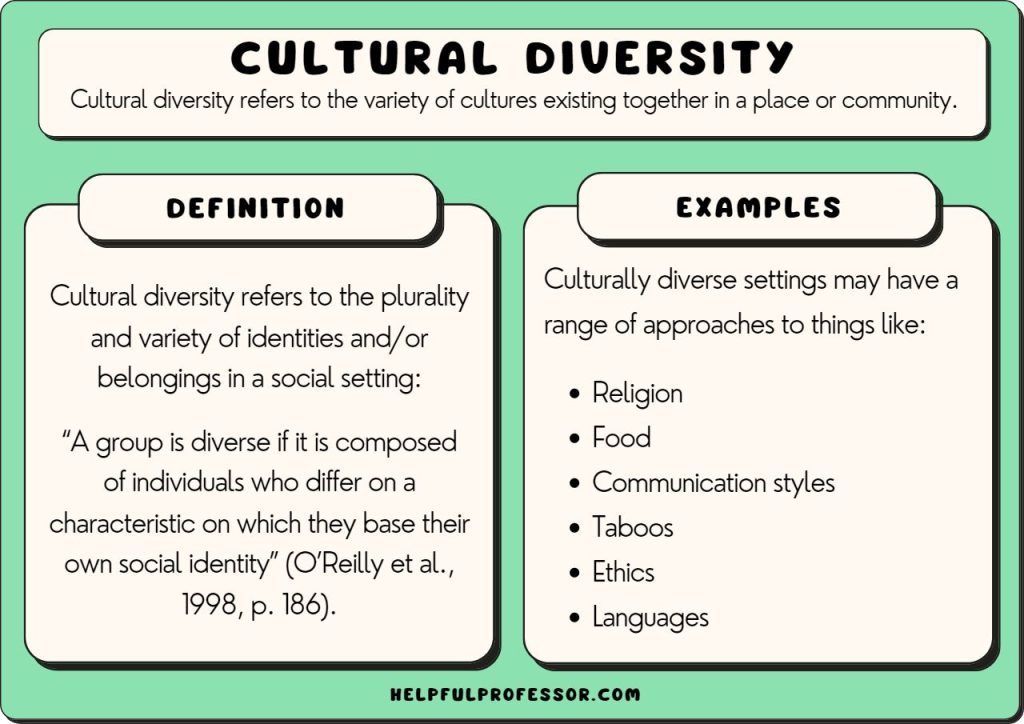
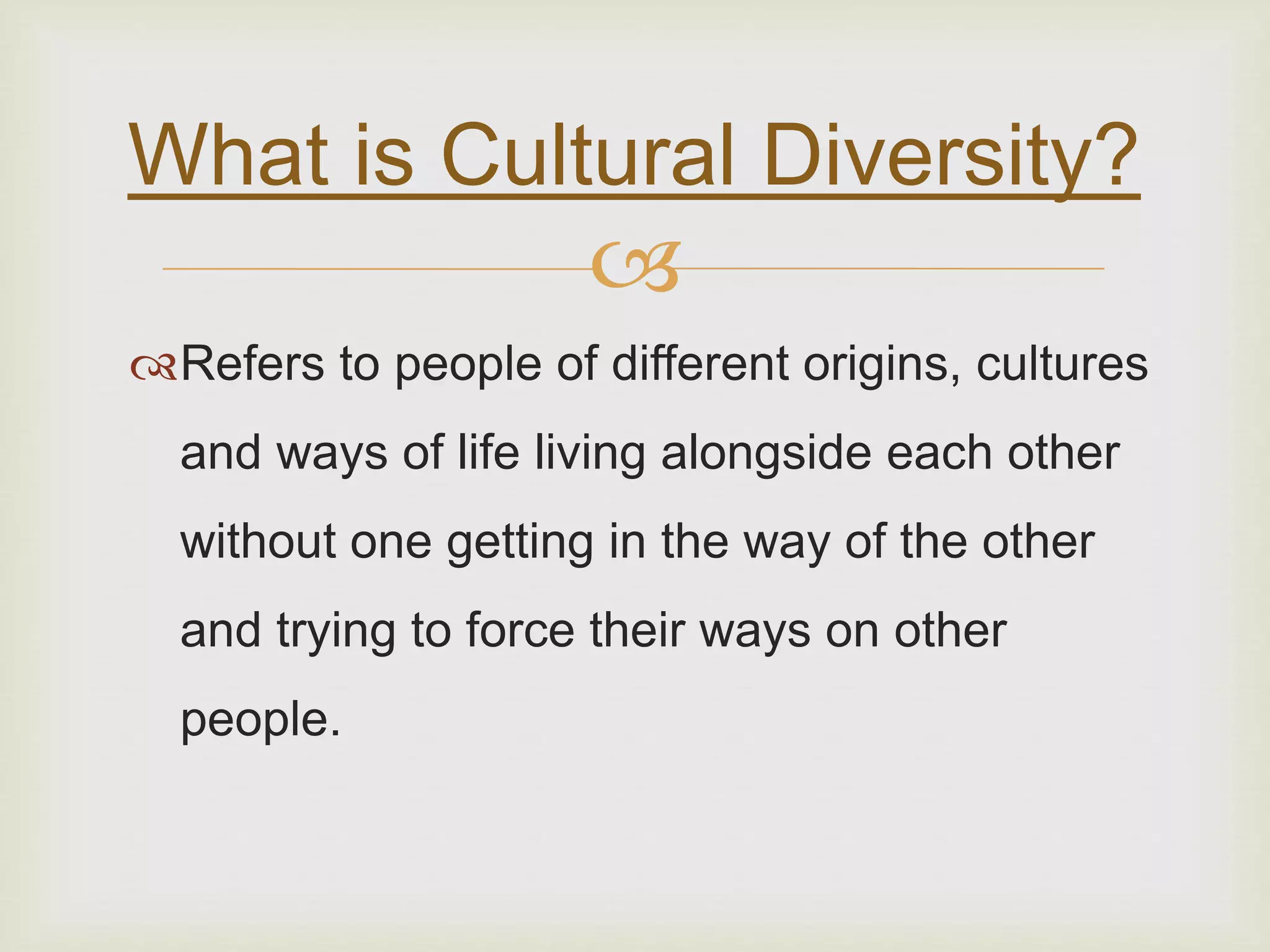
In the modern global marketplace, the concept of cultural diversity has transcended human resources departments and become a cornerstone of effective brand strategy. For a brand to achieve true resonance in a hyper-connected world, it must move beyond tokenism and embed cultural intelligence into the very fabric of its identity. Cultural diversity in branding is not merely about representing different demographics in advertising; it is a comprehensive approach to understanding, valuing, and reflecting the multifaceted nature of the global consumer base.
The Strategic Imperative of Cultural Fluency
To build a brand that endures, leadership must view cultural diversity as a strategic advantage rather than a compliance exercise. Cultural fluency—the ability to interact with and understand people from different backgrounds—is now a critical component of market expansion and brand loyalty.
Beyond the Demographic Checklist
Many brands operate under the misconception that cultural diversity is satisfied by casting a diverse range of models in their campaigns. While representation is vital, it is only the surface level of a much deeper strategic requirement. True cultural integration in branding requires an audit of the brand’s core values and how they translate across different cultural contexts. When a brand fails to recognize that a message which resonates in North America may be perceived as offensive or irrelevant in Southeast Asia, it risks immediate alienation of potential markets.
Mitigating Market Risk
A lack of cultural diversity in the boardroom often leads to “blind spots”—strategic errors that can cause significant financial and reputational damage. When brand strategy is developed in a silo of cultural homogeneity, the brand is susceptible to misinterpreting local nuances, customs, and social sensitivities. By prioritizing diversity within the brand strategy team, companies create a natural buffer against these risks. Multiple perspectives act as a vetting mechanism, ensuring that marketing narratives, product design, and communication strategies are stress-tested against varied cultural expectations before they reach the public sphere.
Cultivating Authentic Brand Identity
Authenticity is the currency of the modern digital era. Consumers, particularly younger generations like Gen Z and Millennials, are highly adept at identifying “brand washing.” If a company claims to champion cultural diversity but lacks it in its leadership or its creative output, the disconnect becomes a liability.
Weaving Diversity into Corporate Identity
A brand’s identity is the sum of its internal culture and its external projection. If the internal corporate culture does not reflect the diversity it claims to represent, the brand will inevitably struggle with internal cognitive dissonance, which eventually bleeds into external messaging. Building an authentic brand requires a commitment to diversity that starts at the organizational level. When a brand’s internal team reflects the global diversity of its customer base, the resulting creative work feels organic rather than performative.
The Power of Inclusive Storytelling
Storytelling is the primary mechanism by which brands build emotional connections. Inclusive storytelling moves the brand from a position of “talking at” the consumer to “listening to” them. By integrating diverse narratives—ranging from historical contexts to current social realities—a brand can create a sense of belonging for a wider array of customers. This does not mean the brand must dilute its identity to please everyone; rather, it means the brand must define its core mission in a way that remains universal while allowing for localized interpretations.

Global Expansion and Local Sensitivity
For brands looking to scale internationally, cultural diversity is the bridge between a successful local operation and a failing global one. The tension between global brand consistency and local relevance is one of the most complex challenges in corporate strategy.
The Glocalization Framework
The most successful global brands utilize a “glocal” approach—retaining a global brand essence while adapting execution to fit local cultural landscapes. This requires a deep understanding of local semiotics, values, and social hierarchies. For instance, a luxury fashion house may maintain its global brand pillars of exclusivity and craftsmanship, but its marketing strategy must shift its focus depending on whether it is targeting a market that prioritizes individual expression or one that values collective social harmony.
Navigating Cultural Nuances in Design
Design is a universal language, but it is interpreted through cultural lenses. Color symbolism, typography preferences, and visual aesthetics vary wildly across the globe. A color that signifies purity in one culture may signify mourning in another. An inclusive design strategy mandates that brand identity systems—including logos, color palettes, and interface designs—be vetted by cross-cultural experts. This ensures that the brand’s visual language communicates the intended message in every market it enters, avoiding accidental dissonance that could damage the brand’s perception.
Cultivating Long-Term Brand Equity
Investment in cultural diversity is, by definition, a long-term play. It creates brand equity that is resistant to the churn of short-term trends. By building a brand that is inherently inclusive, companies secure their relevance in a shifting demographic landscape.
The Shift Toward Community-Led Strategy
Modern brand strategy is increasingly moving away from top-down imposition and toward community-led development. Brands that foster diverse internal communities and actively solicit feedback from marginalized or underrepresented groups are better equipped to innovate. When a brand invites diverse voices to the table during the product development phase, it creates solutions that solve universal problems in ways that satisfy diverse needs. This collaborative approach fosters intense loyalty; consumers stay with a brand that acknowledges their existence and respects their cultural context.
Measuring Success Beyond ROI
While return on investment (ROI) remains a key metric for any business, brands that prioritize cultural diversity look at additional KPIs: brand sentiment, inclusivity scores, employee retention, and market penetration among historically underserved segments. These metrics provide a more holistic view of the brand’s health. A brand that successfully navigates cultural diversity is not just selling a product; it is positioning itself as a leader in a global society that values empathy, equity, and inclusion.
Conclusion: The Strategic Evolution
Cultural diversity is not a “nice-to-have” add-on for a brand strategy; it is a foundational pillar for any company that aspires to maintain relevance in the 21st century. The brands that will lead the next decade are those that recognize that their audience is not a monolith. By integrating diverse perspectives into the core of their strategy, these brands transform their corporate identity into a living, breathing entity that can engage with the world’s complexities.
This evolution requires courage—the courage to challenge internal biases, the courage to listen to perspectives that differ from the norm, and the courage to iterate based on global insights. As the lines between national markets continue to blur, the brands that embrace cultural diversity will not only see improved market performance but will also contribute to a more interconnected, respectful, and nuanced commercial environment. The goal is to move from a state of mere tolerance to a state of active appreciation, where cultural differences are viewed as the fuel for innovation, creativity, and long-term strategic success. The future of branding is inclusive, and those who ignore this reality do so at their own peril.
aViewFromTheCave is a participant in the Amazon Services LLC Associates Program, an affiliate advertising program designed to provide a means for sites to earn advertising fees by advertising and linking to Amazon.com. Amazon, the Amazon logo, AmazonSupply, and the AmazonSupply logo are trademarks of Amazon.com, Inc. or its affiliates. As an Amazon Associate we earn affiliate commissions from qualifying purchases.