
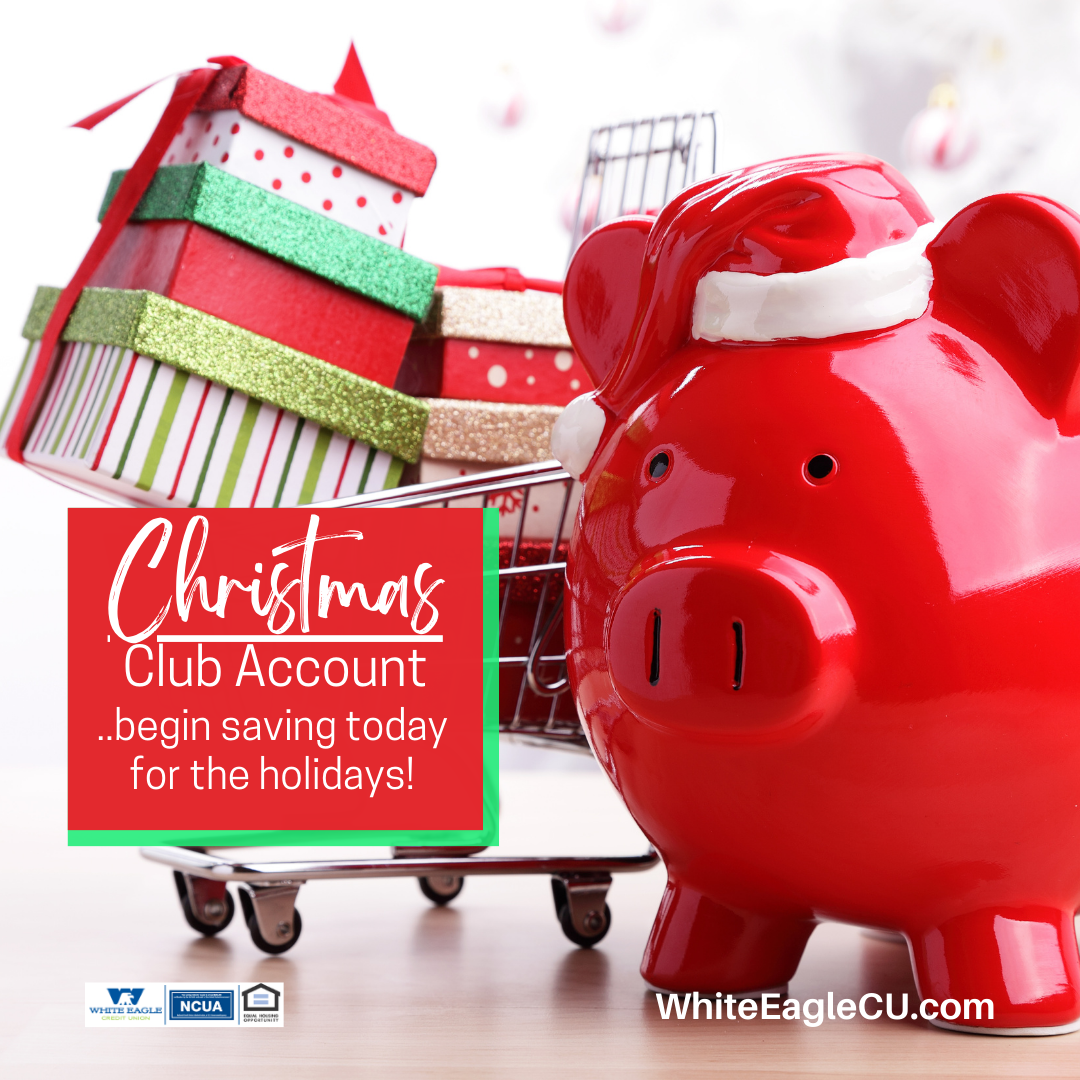
A Christmas club account is a specialized savings vehicle designed to help individuals save money specifically for holiday expenses. Historically, these accounts have been a popular, albeit often overlooked, financial tool that encourages disciplined savings over the course of a year, culminating in a payout just before the holiday season. In an era where consumer debt, particularly around holidays, is a pervasive concern, understanding the mechanics and benefits of such an account can be crucial for responsible financial planning.
The Core Concept of a Christmas Club Account
At its heart, a Christmas club account serves as a dedicated, restrictive savings plan. Its primary purpose is to help savers accumulate funds for annual holiday expenditures without resorting to credit cards or depleting emergency savings. This distinct focus differentiates it from a standard savings account, which typically offers more flexibility and higher liquidity.

A Historical Perspective
The concept of a Christmas club account isn’t new; it dates back over a century, with its origins tracing to early 20th-century American financial institutions. The first recorded Christmas Club was established in 1909 by the Carlisle Trust Company in Carlisle, Pennsylvania. Facing the financial strain many families experienced during the holiday season, the bank introduced a system where individuals could make small, regular deposits throughout the year. The idea rapidly gained traction across the nation, becoming a staple offering in banks and credit unions. These accounts capitalized on the human tendency to save when a clear, short-term goal is presented, combined with the social pressure and excitement surrounding the festive period. While the economic landscape and financial products have evolved significantly, the fundamental premise of the Christmas club account remains relevant.
How It Works: The Mechanics of Savings
The operational mechanics of a Christmas club account are straightforward. Customers typically open an account with a financial institution and commit to making regular, predetermined deposits—often weekly or bi-weekly—for a set period, usually 48 to 50 weeks. These deposits can range from a few dollars to much larger sums, depending on the individual’s savings goals and capacity. What defines a Christmas club account, crucially, is its restrictive nature: withdrawals are generally prohibited until a specific date, typically in early to mid-November, just in time for holiday shopping. Any attempt to withdraw funds before this designated payout date often incurs a penalty, reinforcing the account’s purpose as a forced savings mechanism. Upon reaching the payout date, the accumulated funds, sometimes along with a modest amount of interest, are disbursed to the account holder, either via direct deposit into another account, a check, or a transfer within the same institution.
The Psychology of Dedicated Savings
One of the most powerful, yet often unstated, benefits of a Christmas club account lies in its psychological impact. By earmarking funds specifically for the holidays, savers create a mental boundary between these savings and their general funds. This dedicated purpose reduces the temptation to dip into the money for unrelated expenses throughout the year. The regular, small deposits foster a habit of saving, making the process feel less burdensome than trying to amass a large sum all at once. Furthermore, the knowledge that a substantial sum will be available for holiday spending can alleviate stress and enhance the enjoyment of the season, transforming potential financial anxiety into anticipation. It leverages behavioral economics by establishing a clear, tangible reward for consistent saving.
Key Features and Benefits
Christmas club accounts offer several distinct advantages, particularly for those prone to holiday overspending or who struggle with conventional savings discipline.
Goal-Oriented Savings
The explicit goal of funding holiday expenses is a major motivator. Unlike generic savings accounts where funds might be spent on various unforeseen needs, the Christmas club account instills a specific objective. This goal-setting aspect can be incredibly effective for individuals who find it easier to save when there’s a clear, impending purpose for their money. Whether it’s for gifts, festive meals, travel to visit family, or decorations, having a dedicated fund ensures these expenses are covered proactively.
Discipline and Automation
Perhaps the most significant benefit is the enforced discipline. With automatic transfers set up from a checking account, the savings process becomes effortless and consistent. This automation removes the need for conscious decision-making each week or month, thereby reducing the likelihood of skipping deposits. The restrictive withdrawal policy further strengthens this discipline, preventing impulse spending of the accumulated funds throughout the year. For many, this “out of sight, out of mind” approach is key to successfully saving for a specific target.
Avoiding Holiday Debt
One of the most compelling reasons to utilize a Christmas club account is its ability to help consumers avoid accumulating debt during the holiday season. The temptation to rely on credit cards to finance gifts and festive activities is high, leading to post-holiday financial strain and interest charges. By having a ready fund of cash, individuals can make purchases without incurring interest or adding to their credit card balances, promoting a healthier financial footing into the new year. This proactive approach to managing seasonal expenses can save hundreds, if not thousands, of dollars in interest fees over time.
Predictable Payouts
The predictability of the payout date is another valuable feature. Account holders know precisely when their saved funds will become available, allowing them to plan their holiday shopping and spending strategy well in advance. This foreknowledge contributes to a more organized and less stressful holiday experience, ensuring funds are accessible exactly when they are most needed, typically in late autumn, just as holiday sales begin.
Accessibility and Simplicity
Opening and managing a Christmas club account is generally straightforward. Many banks and credit unions offer them with minimal opening deposit requirements and no monthly maintenance fees. The terms are usually simple to understand, making them an accessible financial tool for a wide range of individuals, including those new to formal savings plans.
Potential Drawbacks and Considerations
While beneficial for many, Christmas club accounts are not without their limitations. It’s important to weigh these against their advantages.
Interest Rates: A Diminished Lure

In today’s financial landscape, the interest rates offered on Christmas club accounts are typically very low, often comparable to, or even lower than, standard savings accounts. In many cases, the interest earned might be negligible, especially when considering the relatively short savings period and smaller balances. For savers whose primary goal is to maximize returns on their deposits, a Christmas club account may not be the most appealing option. The emphasis here is more on forced savings and convenience rather than robust investment growth.
Restrictive Access
The very feature that enforces discipline—restrictive access—can also be a drawback. If an unforeseen emergency arises and funds are needed before the payout date, accessing money from a Christmas club account can be problematic. Most institutions impose penalties for early withdrawals, which can erode the principal saved and defeat the purpose of the account. This lack of liquidity makes it unsuitable for emergency savings.
Opportunity Cost
Given the low interest rates and restrictive nature, there’s an inherent opportunity cost. Funds locked away in a Christmas club account could potentially be earning higher returns in a high-yield savings account, a money market account, or even short-term certificates of deposit (CDs), particularly if held for a similar duration. While these alternatives might not offer the same “forced savings” mechanism, they provide greater financial efficiency for those with established savings discipline.
The Rise of Modern Alternatives
The digital age has introduced numerous alternatives that can achieve similar outcomes with potentially greater flexibility or returns. High-yield savings accounts, specialized budgeting apps with “envelope” systems for specific goals, or even simply setting up automated transfers to a separate, but accessible, savings account can serve the same purpose. These modern tools often provide more control over funds and potentially better interest rates, diminishing the unique appeal of the traditional Christmas club.
Is a Christmas Club Account Right for You?
Determining if a Christmas club account aligns with your financial strategy depends largely on your individual habits, financial goals, and comfort with its specific features.
Ideal Candidates
A Christmas club account is particularly well-suited for individuals who:
- Struggle with holiday overspending: If you frequently find yourself relying on credit cards for holiday purchases, this account offers a structured way to break that cycle.
- Lack savings discipline: The automated and restrictive nature of the account can be an effective tool for those who find it difficult to save consistently for specific goals.
- Are first-time savers: Its simplicity and clear objective make it an excellent entry point into disciplined personal finance.
- Prefer a “set it and forget it” approach: Once automated, the account requires minimal ongoing management until payout.
- Are not primarily focused on maximizing interest earnings: The psychological benefit of guaranteed funds outweighs the minimal interest.
When Alternatives Might Be Better
Conversely, a Christmas club account may not be the optimal choice if:
- You need liquidity: If you anticipate needing access to funds for emergencies or other short-term goals, a more flexible savings account is advisable.
- You seek higher returns: For those prioritizing interest earnings, high-yield savings accounts or other investment vehicles will offer better growth potential.
- You possess strong savings discipline: If you already have a robust budgeting system and can consistently save for goals without external restrictions, you might benefit more from a general savings account with better interest rates.
Integrating with a Broader Financial Plan
For many, a Christmas club account is best viewed as one tool among many in a comprehensive financial toolkit. It can complement an emergency fund, long-term investments, and other savings goals. It’s not meant to be your primary savings vehicle but rather a targeted solution for a specific, recurring expense. By understanding its niche, individuals can strategically deploy it to achieve financial peace of mind during the festive season, preventing the annual cycle of holiday debt and promoting a healthier approach to seasonal spending.
Setting Up and Managing Your Account
The process of opening and managing a Christmas club account is typically straightforward and consumer-friendly.
Choosing a Financial Institution
Most traditional banks and credit unions still offer Christmas club accounts. It’s advisable to compare options from different institutions, focusing on factors like minimum deposit requirements, any potential fees (though most are fee-free), and the interest rate offered, however modest it may be. Credit unions, being member-owned, often have competitive offerings and a community-focused approach.
Understanding Terms and Conditions
Before opening an account, carefully read the terms and conditions. Pay close attention to:
- Early withdrawal penalties: Understand the charges if you need to access your money before the payout date.
- Payout method: How will the funds be disbursed (check, direct deposit, transfer)?
- Interest calculation: How is interest accrued and paid, and when does it post to the account?
- Maturity date: Confirm the exact date the funds will become available.
Automating Your Contributions
To maximize the benefit of a Christmas club account, set up automatic transfers from your primary checking account. This ensures consistent contributions without manual effort, reinforcing the disciplined savings aspect. You can typically choose the frequency (weekly, bi-weekly, monthly) and the amount that fits your budget and holiday spending goals.
The Payout Process
As the holiday season approaches, typically in November, the financial institution will disburse your accumulated funds. This can be via a check mailed to you, a direct deposit into another account you hold at the same institution, or an electronic transfer. Ensure your contact information and linked accounts are up to date to avoid any delays in receiving your funds when you need them most. Receiving this pre-planned influx of cash can transform holiday shopping from a source of stress into a rewarding experience, reinforcing positive financial habits for the future.
aViewFromTheCave is a participant in the Amazon Services LLC Associates Program, an affiliate advertising program designed to provide a means for sites to earn advertising fees by advertising and linking to Amazon.com. Amazon, the Amazon logo, AmazonSupply, and the AmazonSupply logo are trademarks of Amazon.com, Inc. or its affiliates. As an Amazon Associate we earn affiliate commissions from qualifying purchases.