
In the traditional financial world, the concept of a ledger is as old as commerce itself. From the clay tablets of ancient Mesopotamia to the sophisticated double-entry bookkeeping systems that fueled the Renaissance, ledgers have served as the ultimate source of truth for wealth, debt, and ownership. In the modern era of digital finance, the ledger has undergone its most radical transformation yet. The “crypto ledger”—more technically known as a distributed ledger—has emerged not just as a tool for record-keeping, but as the foundational infrastructure for a new global economy.
For the modern investor, understanding what a crypto ledger is, how it functions, and why it differs from a traditional bank statement is essential. It is the difference between trusting a central institution to manage your wealth and having the ability to verify your financial standing independently on a transparent, immutable network.

The Evolution of Financial Record-Keeping: From Centralized to Distributed
To understand a crypto ledger, one must first understand the limitations of the systems that preceded it. Traditional finance relies on centralized ledgers. When you check your bank balance, you are viewing a private database owned and managed by a specific financial institution. You trust the bank to accurately record every deposit and withdrawal. If the bank’s internal ledger is compromised, corrupted, or altered, your financial reality changes without your direct oversight.
A crypto ledger operates on a fundamentally different premise: decentralization. Instead of a single entity holding the master record, the ledger is distributed across a vast network of computers (nodes). Every participant in the network maintains a copy of the ledger, and every copy is synchronized in real-time.
The Power of Immutability
In personal finance, the “golden rule” is accuracy. Traditional ledgers are mutable; an accountant can make a correction, or a bank can reverse a transaction. While this offers some flexibility, it also introduces a point of failure. A crypto ledger is immutable. Once a transaction is verified and added to the ledger, it cannot be deleted, altered, or overwritten. This creates an audit trail that is mathematically certain, providing a level of financial security that manual oversight can never match.
Transparency vs. Privacy
One of the most misunderstood aspects of crypto ledgers is the balance between transparency and privacy. While your identity is not explicitly written on the ledger (replaced instead by alphanumeric public keys), the transaction history is public. In the context of business finance and large-scale investing, this transparency eliminates the “black box” of corporate accounting. Every movement of capital is visible, making it an unprecedented tool for financial accountability.
How the Crypto Ledger Functions as a Financial Tool
At its core, a crypto ledger serves as the “engine room” for digital assets. It handles the verification, execution, and storage of financial data without the need for an intermediary like a clearinghouse or a central bank. This process is governed by a consensus mechanism—a set of rules that all nodes follow to agree on the state of the ledger.
Eliminating the “Double-Spend” Problem
In the early days of digital cash, the primary hurdle was the “double-spend” problem. If a digital asset is just a file, what stops someone from copying it and spending it twice? A centralized bank solves this by checking its ledger and deducting the balance. A crypto ledger solves this through its distributed nature. Because every node has the full history of transactions, the network can instantly verify if a specific unit of currency has already been spent. This makes the crypto ledger a self-policing financial ecosystem.
The Role of Blocks and Chains
In a blockchain-based crypto ledger, transactions are grouped into “blocks.” Once a block is filled with transaction data, it is cryptographically “chained” to the previous block. This chronological sequence creates a complete history of the asset’s lifecycle. For an investor, this means you can trace the provenance of a digital asset back to its very creation, ensuring that the “money” in your digital wallet is legitimate and untainted by fraudulent activity.
Smart Contracts: Programmable Ledgers
Modern crypto ledgers, such as Ethereum, have expanded beyond simple debits and credits. They allow for “smart contracts,” which are self-executing agreements with the terms written directly into the code. This transforms the ledger from a passive record-book into an active financial instrument. Imagine a side hustle where payment is automatically released from an escrow account once a digital deliverable is verified by the ledger. This removes the risk of non-payment and streamlines business finance.
The Investor’s Perspective: Managing Wealth with a Crypto Ledger
For those looking to build an online income or manage a personal investment portfolio, the crypto ledger is the primary interface for asset management. However, there is often confusion between the public ledger (the blockchain) and the hardware ledger (a physical device).
The Distinction Between the Network and the Wallet
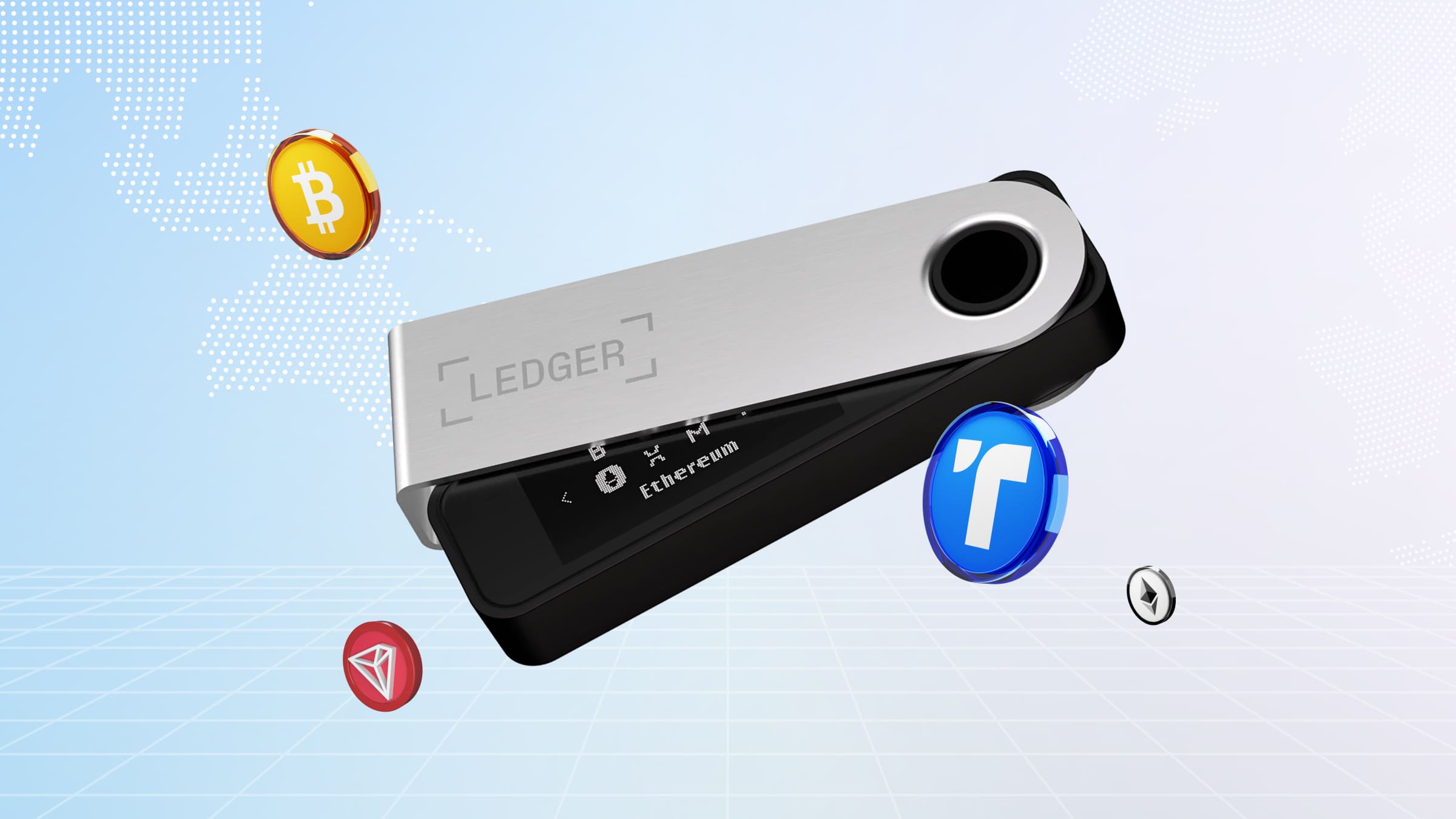
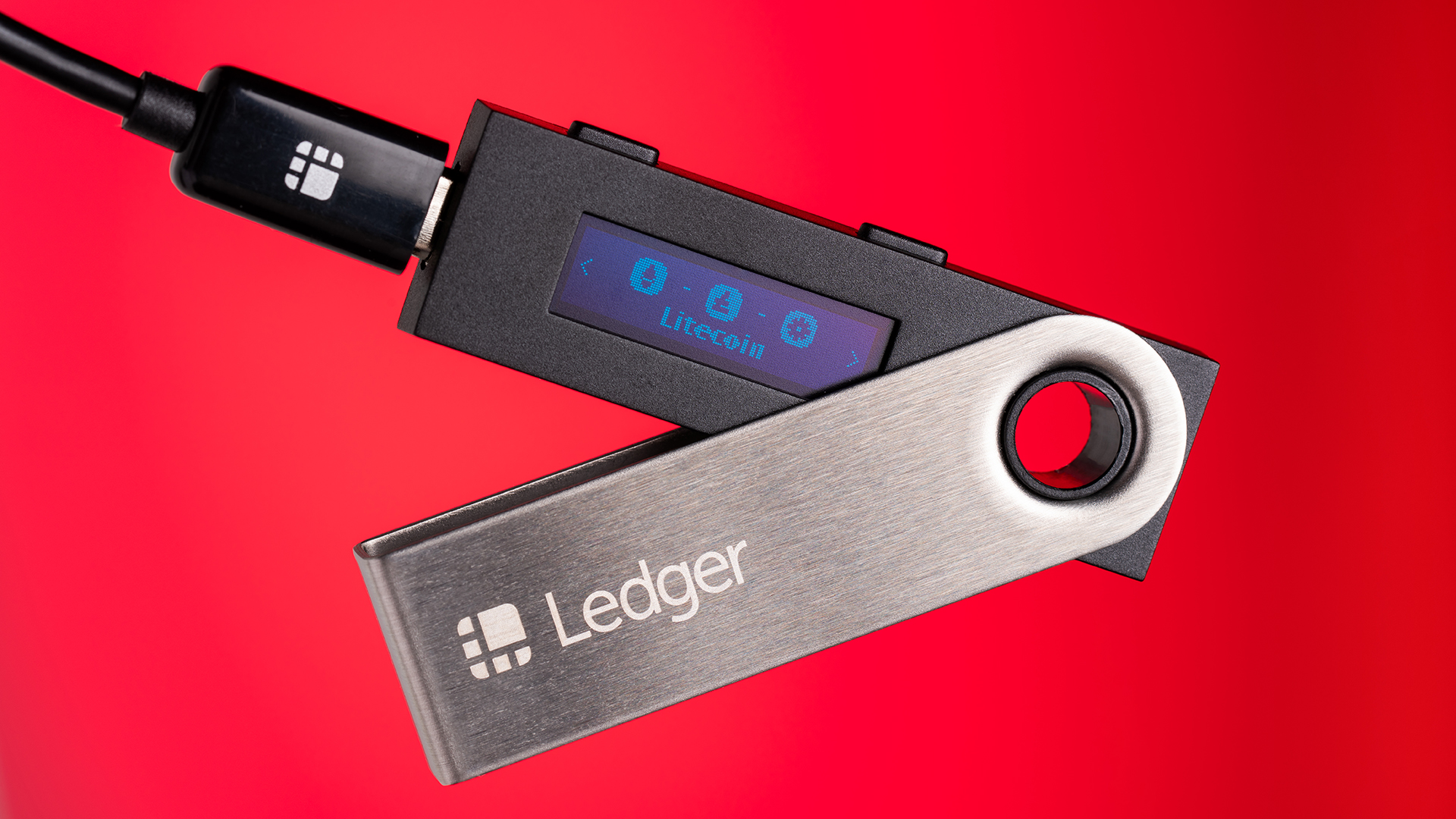
The blockchain is the public ledger where all records live. However, to interact with that ledger and move your assets, you need “private keys.” This is where the term “Ledger” (capitalized) often appears in the context of hardware wallets. A hardware wallet is a physical device that stores your private keys offline, acting as a high-security gateway to the crypto ledger.
In the realm of personal finance, using a hardware device to interact with the crypto ledger is the gold standard for security. It ensures that while your transactions are recorded on a public network, the “signing power” to move those funds remains entirely in your physical possession. This is the ultimate form of financial sovereignty.
On-Chain Analysis as an Investment Strategy
Sophisticated investors use the transparency of the crypto ledger to perform “on-chain analysis.” Because the ledger is public, you can see when large amounts of capital (often called “whale moves”) are entering or leaving exchanges. By studying the ledger, you can gain insights into market sentiment, liquidity, and the health of specific digital assets. Unlike the traditional stock market, where retail investors are often the last to know about major moves, the crypto ledger democratizes financial information.
Security, Side Hustles, and the Future of Business Finance
As the gig economy and online income streams continue to grow, the crypto ledger is becoming a vital tool for entrepreneurs. It offers a way to bypass the high fees and slow processing times of traditional cross-border payments.
Reducing Transaction Friction
Traditional international wire transfers can take days and cost a significant percentage in fees. A crypto ledger processes transactions 24/7, often for a fraction of the cost. For a freelancer or a small business owner, this means faster access to capital and improved cash flow. The ledger acts as an automated bookkeeper, providing a permanent receipt for every invoice paid in digital currency.
Decentralized Finance (DeFi) and Passive Income
The crypto ledger has paved the way for Decentralized Finance (DeFi), which allows individuals to lend, borrow, and earn interest on their assets without a bank. These platforms are essentially complex sets of instructions written onto a crypto ledger. By providing liquidity to these protocols, investors can generate a “side hustle” through yield farming or staking—earning rewards for helping to maintain the security and functionality of the ledger itself.
The Shift Toward “Triple-Entry” Accounting
The most profound impact of the crypto ledger on business finance is the move toward triple-entry accounting. In traditional accounting, Company A and Company B both keep their own records of a transaction. In a crypto-ledger-based system, both companies record the transaction, but it is also recorded on a third, neutral, and public ledger. This creates a “triangulated” truth that makes fraud nearly impossible and audits significantly cheaper and faster.
Conclusion: Embracing the New Standard of Value
The crypto ledger is more than just a technical innovation; it is a fundamental shift in how we perceive and manage value. By replacing centralized trust with mathematical certainty, it provides a level of transparency and security that was previously unimaginable in personal and corporate finance.
Whether you are an individual investor looking to protect your savings, a freelancer seeking more efficient payment methods, or a business strategist planning for the future of corporate identity, the crypto ledger is at the center of the conversation. It represents the transition from a world of “opaque finance,” where your assets are managed behind closed doors, to a world of “open finance,” where the ledger belongs to everyone and the security of your wealth is in your own hands. Understanding the crypto ledger is no longer an optional skill for the tech-savvy; it is a prerequisite for navigating the financial landscape of the 21st century.
aViewFromTheCave is a participant in the Amazon Services LLC Associates Program, an affiliate advertising program designed to provide a means for sites to earn advertising fees by advertising and linking to Amazon.com. Amazon, the Amazon logo, AmazonSupply, and the AmazonSupply logo are trademarks of Amazon.com, Inc. or its affiliates. As an Amazon Associate we earn affiliate commissions from qualifying purchases.