
In the modern financial landscape, the proliferation of digital platforms and globalized banking has necessitated a highly structured way of identifying individuals, companies, and transactions. One of the most common yet frequently misunderstood acronyms in this sphere is the CRN. Depending on your geographic location or the specific financial institution you are interacting with, a CRN usually stands for Customer Reference Number or Company Registration Number.
In the context of personal finance, business management, and government services, the CRN serves as a cornerstone of administrative efficiency and security. This guide explores the multifaceted nature of the CRN number within the “Money” niche, detailing its importance in banking, its role in social security systems, and its necessity for corporate transparency and compliance.
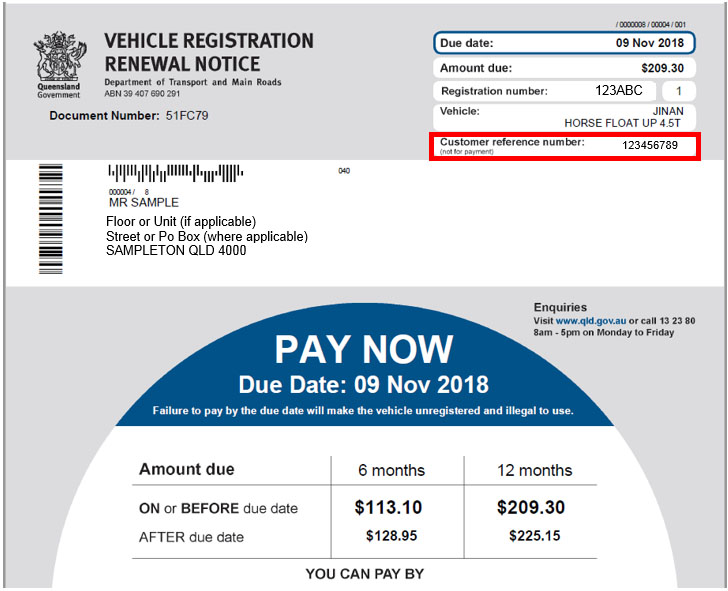
Understanding the CRN: More Than Just a String of Digits
The Customer Reference Number (CRN) is a unique identifier assigned to an individual or an entity by a service provider. In the world of personal finance, this number is the “master key” that links your various accounts, applications, and historical data to a single digital identity. Unlike a generic account number, which might only refer to a single checking or savings account, a CRN provides a holistic view of a customer’s relationship with a financial institution.
Defining the Customer Reference Number in Banking
For most individuals, their first encounter with a CRN occurs when opening a bank account. Major international banks use CRNs to streamline their internal databases. When you call a customer service line or log into a mobile app, the CRN is often the primary identifier used to verify your identity.
The power of the CRN lies in its ability to aggregate data. For example, if you have a mortgage, a credit card, and a personal loan with the same bank, these are all distinct products with their own account numbers. However, they are all linked to your unique CRN. This allows the bank to assess your total creditworthiness and provide personalized financial advice or products based on your entire financial portfolio rather than just one account.
The Role of CRNs in Digital Banking and Fintech
In the era of fintech, the CRN has evolved into a tool for seamless integration. When using third-party financial tools—such as budgeting apps or investment aggregators—your CRN is often the bridge that allows these tools to communicate securely with your primary bank via APIs (Application Programming Interfaces).
By using a reference number rather than sharing your primary login credentials, the financial ecosystem adds a layer of abstraction that enhances security. For users managing a “Money” focused lifestyle, understanding how to locate and use their CRN is essential for utilizing the full suite of modern wealth-management tools.
CRN in Government and Social Services: The Financial Safety Net
Beyond private banking, the term CRN is synonymous with government-issued identifiers, particularly in Australia and parts of the United Kingdom. In this context, the Customer Reference Number is the central identifier for social security and welfare payments.
Centrelink and the Australian Financial Ecosystem
In Australia, the CRN is a 9-digit number ending in a letter, issued by Services Australia (Centrelink). This number is crucial for anyone seeking to manage their personal finances through government support, such as student payments, family tax benefits, or age pensions.
For many, the CRN is as vital as a Tax File Number (TFN). It tracks every interaction an individual has with the social security system, ensuring that payments are directed to the correct person and that financial fraud is minimized. From a personal finance management perspective, your CRN allows you to track your entitlements and report changes in income, which is a critical part of maintaining an accurate budget.
How to Locate and Manage Your Government-Issued CRN
Finding your CRN is a common hurdle for those setting up their financial digital presence. It can typically be found on:
- Letters or emails sent by the government agency.
- Your digital wallet (via apps like MyGov).
- Your physical concession or health care cards.
Managing this number involves high-level security protocols. Because the CRN is linked to your bank details and income history, it is a primary target for “phishing” scams. Financial literacy involves knowing that no legitimate government agency or bank will ask for your CRN or passwords via an unsolicited text message or social media post.
The Corporate Perspective: Company Registration Numbers
Shifting from personal finance to business finance, the CRN takes on a different but equally important meaning: the Company Registration Number. This is a unique number assigned to a business entity when it is incorporated. In many jurisdictions, such as the UK (Companies House), this is the legal fingerprint of a business.
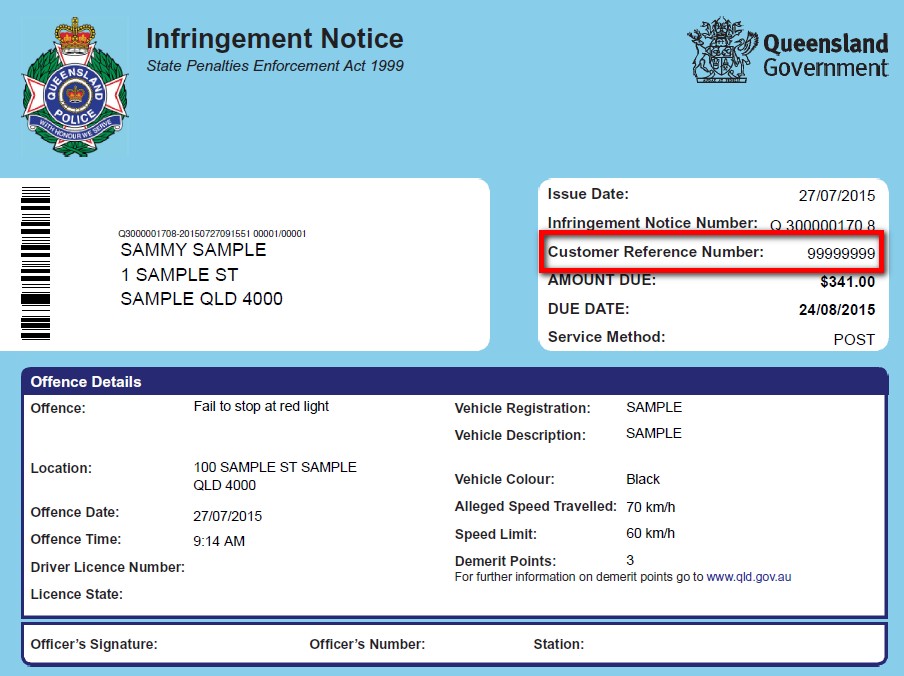
CRN as a Legal Identifier for Businesses
For entrepreneurs and business owners, the CRN is essential for every financial transaction the company undertakes. You cannot open a business bank account, apply for a corporate credit line, or register for VAT (Value Added Tax) without a valid CRN.
The CRN provides a level of “corporate transparency.” Because the number is public record, it allows other businesses and investors to verify that a company is legally registered and active. In business finance, this “KYC” (Know Your Customer) process is fundamental to preventing money laundering and ensuring that B2B (business-to-business) payments are legitimate.
Why Investors Should Look for a Valid CRN
If you are involved in investing or online income through private equity or startup funding, the CRN is your first line of defense. Before committing capital to a company, a savvy investor will use the CRN to look up the company’s financial history, its directors, and its filing status.
A CRN allows you to access:
- Annual Accounts: Insight into the company’s profit, loss, and debt.
- Confirmation Statements: Verification of who owns and controls the company.
- Mortgage Charges: Information on any assets the company has used as collateral for loans.
In the niche of “Money” and “Investing,” the ability to cross-reference a CRN with public financial records is a basic but powerful form of due diligence.
Security and Management of Your CRN
Whether your CRN is for personal banking, government services, or your private corporation, managing it securely is a vital aspect of modern financial health. Because these numbers are linked to sensitive data, they must be treated with the same level of care as a credit card number or a social security number.
Protecting Your CRN from Identity Theft
Identity theft is a significant threat to personal and business finance. If a malicious actor gains access to your CRN along with other basic personal details, they may attempt to “take over” your accounts or redirect government payments.
To protect your CRN:
- Avoid Public Wi-Fi: Never log into portals containing your CRN using unsecured networks.
- Use Multi-Factor Authentication (MFA): Ensure that any platform requiring your CRN also requires a second form of verification (like a code sent to your phone).
- Physical Security: Shred any financial documents or letters that display your CRN before disposing of them.
Best Practices for Financial Documentation
For those focused on side hustles, online income, or business finance, keeping an organized digital vault is key. Store your CRNs—whether they are for your personal banking or your LLC—in an encrypted password manager rather than a physical notebook or an unencrypted “notes” app on your phone.
Organizing these numbers allows for faster tax filing and more efficient loan applications. When a lender asks for your “reference numbers,” having them ready shows a level of financial professionalism that can speed up the approval process for business credit or personal mortgages.
Frequently Asked Questions About CRNs
To conclude this guide, we address some of the most common queries regarding CRNs in the financial world.
Is a CRN the same as an Account Number?
No. An account number typically refers to a specific product (like a savings account), while a CRN is a customer-level identifier that can link multiple accounts together under one name.
Can I change my CRN?
Generally, no. A CRN is designed to be a permanent identifier for your financial or legal lifespan with an institution. If your CRN has been compromised due to fraud, you must contact the issuing body immediately to have them “flag” the number and potentially issue a new security protocol.
Does every country use CRNs?
The terminology varies. In the United States, similar functions are performed by Social Security Numbers (SSNs) for individuals and Employer Identification Numbers (EINs) for businesses. However, many individual banks in the US still assign internal “Customer IDs” which function exactly like a CRN.
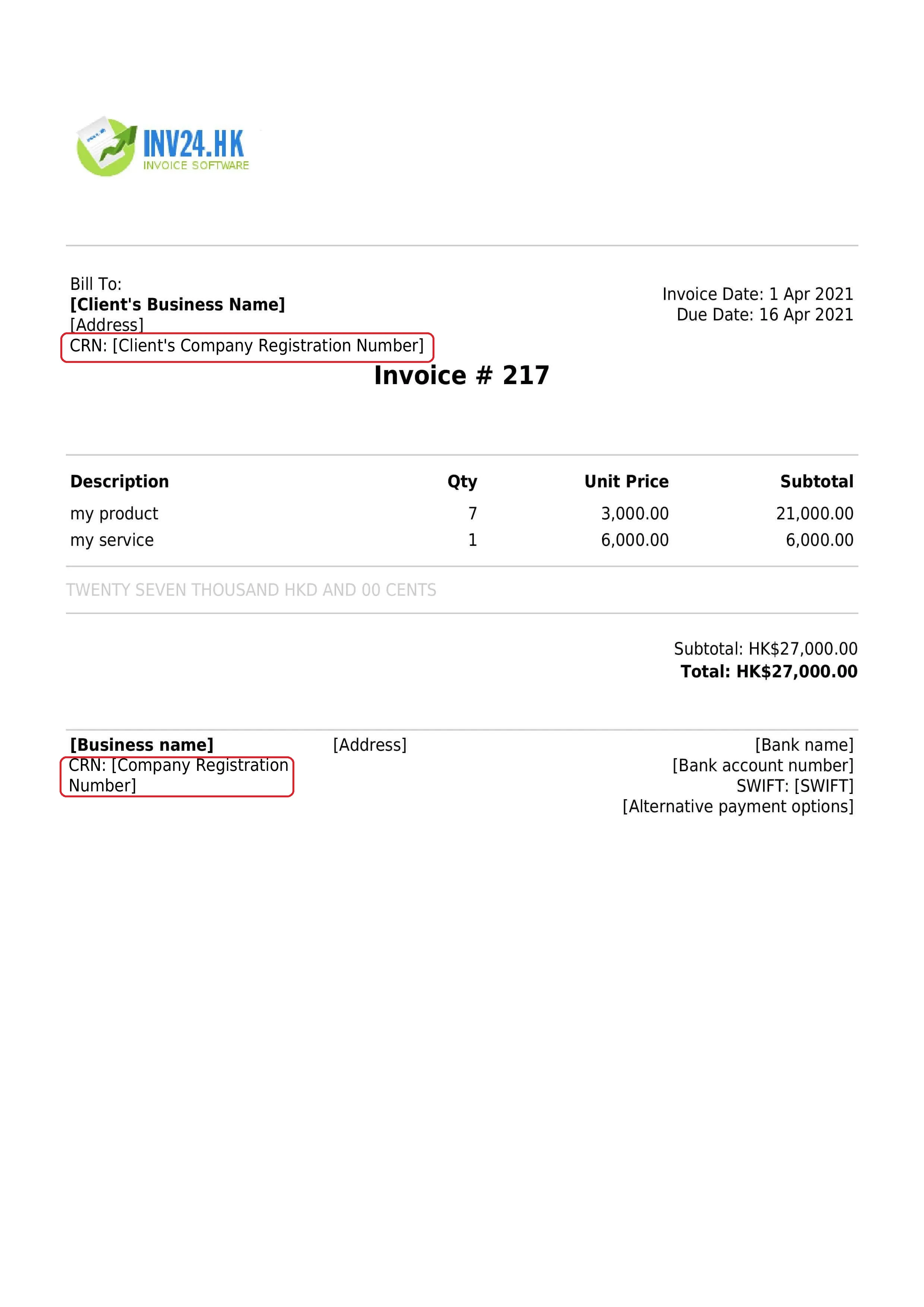
Why does my CRN show up on my bank statement?
Banks often include your CRN on statements to help you identify which profile the statement belongs to, especially if you manage multiple business and personal profiles with the same institution.
By understanding the role of the CRN in your financial life, you move one step closer to total financial literacy. Whether you are navigating the complexities of government benefits, securing a business loan, or simply organizing your digital bank accounts, the CRN is the silent engine that keeps your financial identity moving forward securely.
aViewFromTheCave is a participant in the Amazon Services LLC Associates Program, an affiliate advertising program designed to provide a means for sites to earn advertising fees by advertising and linking to Amazon.com. Amazon, the Amazon logo, AmazonSupply, and the AmazonSupply logo are trademarks of Amazon.com, Inc. or its affiliates. As an Amazon Associate we earn affiliate commissions from qualifying purchases.