
In the current digital landscape, the definition of a “contact center role” has undergone a profound transformation. What was once a localized, telephony-based position centered on answering calls has evolved into a sophisticated technical profession. Today, the contact center is the nerve center of a company’s digital ecosystem, where human expertise meets cutting-edge software, artificial intelligence, and complex data architecture. Understanding the contact center role now requires a deep dive into the technology stacks, cloud infrastructures, and automated workflows that define modern customer engagement.
The Evolution from Call Centers to Cloud-Based Contact Centers
The transition from the traditional “call center” to the modern “contact center” is fundamentally a technological one. In the past, roles were limited by hardware—physical PBX (Private Branch Exchange) systems and hardwired telephone lines. Today, the contact center role is primarily digital, operating within a CCaaS (Contact Center as a Service) framework.

The Shift to Omnichannel Platforms
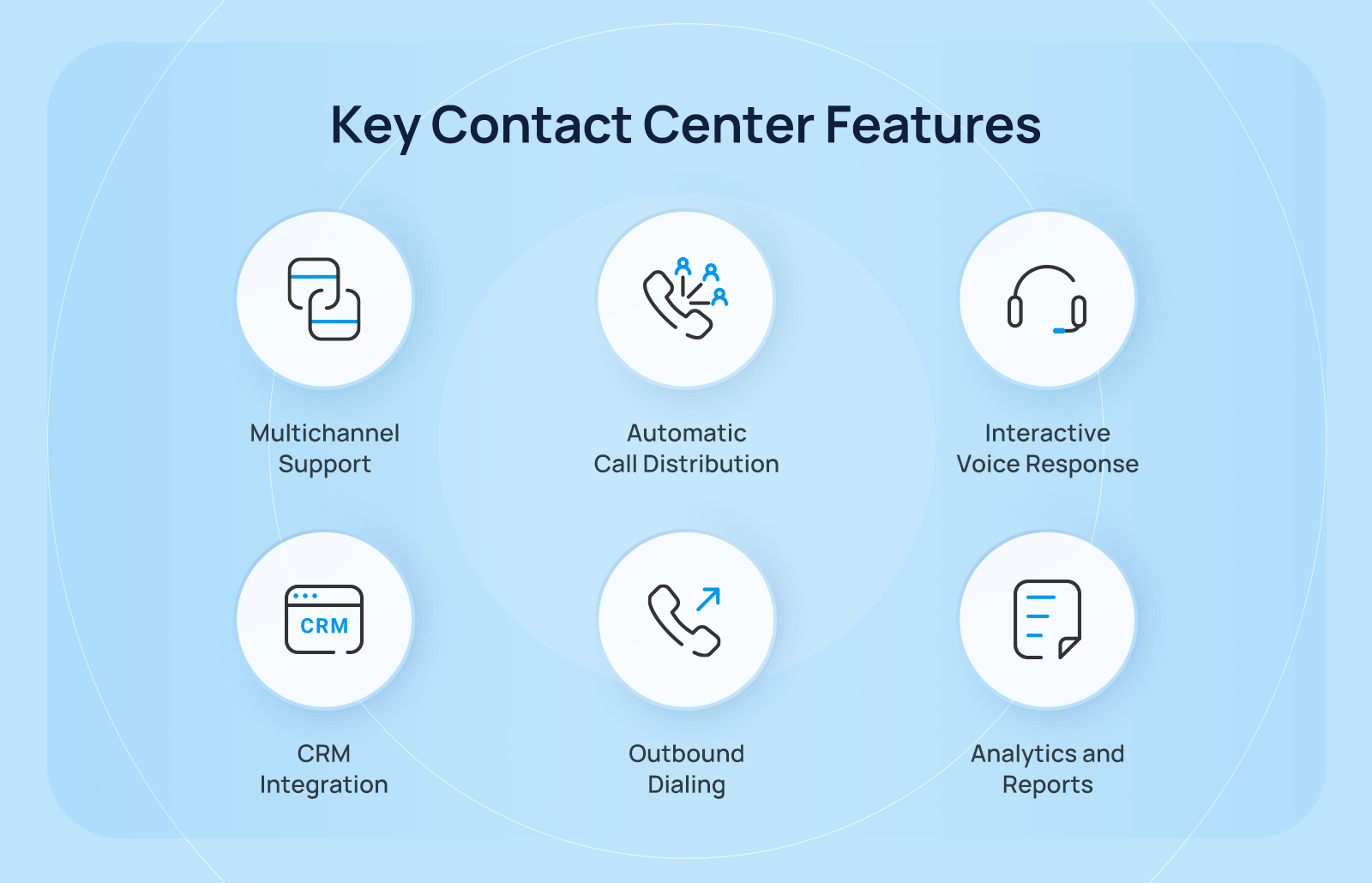
A modern contact center agent no longer just manages voice calls; they orchestrate interactions across a multitude of digital channels, including email, live chat, SMS, and social media messaging. The technology behind this is an omnichannel platform that aggregates these disparate streams into a unified interface. For the professional in this role, this means mastering a “single pane of glass” environment where the context of a customer’s journey follows them from a tweet to a chat to a video call without data loss.
Data Integration and CRM Synchronization
At the heart of the modern contact center role is the integration with Customer Relationship Management (CRM) software. When an interaction begins, Computer Telephony Integration (CTI) triggers “screen pops” that pull real-time data from the cloud. This allows the agent to view a customer’s entire technical history, purchase logs, and previous support tickets. The role is less about information gathering and more about data synthesis—using the integrated tech stack to provide rapid, informed solutions.
The Tech Stack of a Modern Contact Center Specialist
To succeed in a contact center role today, an individual must be proficient with a complex suite of software tools. These tools are designed to augment human capability, reducing the cognitive load on the agent while increasing the precision of the service provided.
AI-Powered Assistance and Real-Time Transcription
One of the most significant technological advancements in the contact center role is the implementation of “Agent Assist” tools. These are AI-driven co-pilots that listen to live conversations using Natural Language Processing (NLP). As a customer speaks, the AI provides the agent with real-time suggestions, relevant knowledge base articles, and even step-by-step troubleshooting guides. This turns the role from a rote memorization task into a high-level technical navigation task.
Sentiment Analysis and Predictive Analytics
Modern contact center software often includes sentiment analysis engines. These algorithms analyze the tone, cadence, and keyword usage of a customer in real-time to assign a “sentiment score.” The agent monitors these metrics on their dashboard, allowing them to adjust their technical approach based on the software’s reading of the customer’s emotional state. Furthermore, predictive analytics tools help agents anticipate why a customer is reaching out before the conversation even begins, based on recent system errors or service interruptions recorded in the logs.
Workforce Engagement Management (WEM) Tools
The role also involves interacting with sophisticated Workforce Engagement Management platforms. Unlike old-fashioned punch-clocks, these systems use machine learning to optimize schedules, track technical KPIs (Key Performance Indicators) like Average Handle Time (AHT) and First Contact Resolution (FCR), and provide gamified training modules. Agents use these tools to manage their own performance metrics and engage in continuous digital upskilling.
Artificial Intelligence and Automation in the Contact Center Ecosystem

The role of a contact center professional is increasingly defined by their relationship with automation. Rather than replacing the human element, technology is handling the repetitive, low-level queries, allowing human agents to focus on complex technical troubleshooting that requires empathy and nuanced judgment.
Chatbots and Intelligent Virtual Assistants (IVAs)
Before a customer ever reaches a human in a contact center role, they typically interact with an Intelligent Virtual Assistant (IVA). Unlike the frustrating touch-tone menus of the past, modern IVAs use Conversational AI to understand intent. The contact center professional’s role begins where the IVA’s capability ends. When a “warm handoff” occurs, the agent receives a full transcript of the bot interaction, requiring them to quickly parse that digital data and continue the workflow seamlessly.
Automated Workflow Orchestration
Behind the scenes of the contact center role lies a web of automated workflows. If an agent identifies a technical bug during a customer interaction, they don’t just take a note; they trigger an automated sequence. Using tools like Zapier or proprietary API connectors, the agent can push data directly into Jira for the engineering team, update a Slack channel for the product team, and send a follow-up email via a marketing automation platform—all with a single click. This makes the contact center role a vital link in the DevOps and product development lifecycle.
Cybersecurity, Data Privacy, and Compliance Technology
As the contact center role becomes more data-centric, it also becomes a frontline position for digital security. Agents handle massive amounts of Personally Identifiable Information (PII), making them primary targets for social engineering and data breaches. Consequently, the role requires a high level of proficiency in security protocols.
Encryption and Compliance Protocols (GDPR/SOC2)
A professional in a contact center role must operate within the strict confines of global data protection regulations like GDPR, CCPA, and HIPAA. The technology they use is designed with “Privacy by Design” principles. This includes end-to-end encryption for all communications and “redaction technology” that automatically masks sensitive information, such as credit card numbers or passwords, so they are never stored in the call recordings or transcripts.
Secure Payment Processing and Biometric Authentication
The manual entry of sensitive data is a thing of the past. In a modern contact center role, agents use secure “DTMF masking” or “pay-by-link” technologies. When a transaction occurs, the agent triggers a secure environment where the customer enters their details directly into a PCI-compliant gateway, bypassing the agent’s view entirely. Furthermore, many centers are now implementing voice biometrics, where the software identifies the customer based on their unique “voiceprint,” adding a layer of multi-factor authentication that the agent must manage and verify.
The Future of the Contact Center: A Tech-First Horizon
As we look toward the future, the contact center role is poised to become even more integrated with emerging technologies. The shift toward “Knowledge Workers” in the contact center is being accelerated by the adoption of the Internet of Things (IoT) and Augmented Reality (AR).
IoT Integration and Proactive Support
In a world of connected devices, the contact center role will shift from reactive to proactive. IoT-enabled products can send “heartbeat” signals back to the contact center. If a smart appliance or industrial machine detects a component failure, it can automatically open a ticket. The contact center professional of the future will reach out to the customer to resolve the issue before the customer is even aware a problem exists. This requires an agent who is not just a communicator, but a technician capable of interpreting device telemetry.
Augmented Reality (AR) for Remote Troubleshooting
For technical support roles within the contact center, AR is becoming a game-changer. Agents can now initiate a video session where they “see” what the customer sees through their smartphone camera. Using AR overlays, the agent can draw on the customer’s screen to point out specific cables or buttons. This merges the physical and digital worlds, transforming the contact center role into a remote field engineering position.
In conclusion, the modern contact center role is a high-tech discipline that sits at the heart of the digital enterprise. It requires a unique blend of technical literacy, data fluency, and the ability to navigate a rapidly evolving software landscape. As AI and automation continue to handle the “easy” tasks, the human role will continue to elevate, focusing on high-stakes problem solving, complex technical orchestration, and the secure management of the world’s most valuable resource: data. The contact center is no longer just a place where people talk; it is where the future of technology meets the reality of the human experience.
aViewFromTheCave is a participant in the Amazon Services LLC Associates Program, an affiliate advertising program designed to provide a means for sites to earn advertising fees by advertising and linking to Amazon.com. Amazon, the Amazon logo, AmazonSupply, and the AmazonSupply logo are trademarks of Amazon.com, Inc. or its affiliates. As an Amazon Associate we earn affiliate commissions from qualifying purchases.