
The world of cycling technology is vast and ever-evolving, from sophisticated electronic shifting to advanced suspension systems. Yet, amidst this cutting-edge innovation, a simple, elegant mechanism persists, beloved by many for its intuitive operation and minimalist design: the coaster brake. Often found on children’s bikes, cruisers, and some urban utility cycles, the coaster brake represents a clever piece of engineering that transforms backward pedal pressure into stopping power. More than just a nostalgic component, it’s a testament to effective mechanical design, offering a distinct riding experience rooted in simplicity and reliability. Understanding a coaster brake isn’t just about knowing how to stop a bike; it’s about appreciating a fundamental piece of cycling tech that continues to serve a vital role for millions of riders worldwide.

The Ingenious Mechanics Behind the Stop
At its core, a coaster brake is an integrated braking system housed within the rear wheel hub of a bicycle. Unlike rim brakes, which squeeze against the wheel’s rim, or disc brakes, which clamp onto a rotor, the coaster brake operates entirely internally, actuated by reversing the pedal direction. This discreet design is a hallmark of its appeal, but its true genius lies in the precision engineering that allows for such a seamless transition from propulsion to retardation.
Core Components and Their Interaction
The typical coaster brake hub is a complex miniature gearbox, comprising several key components that work in harmony:
- Hub Shell: The outer casing of the hub, which is directly connected to the spokes and rim, and thus, the wheel itself.
- Axle: The stationary central shaft around which the entire hub rotates. It’s secured to the bicycle frame’s dropouts.
- Driver/Clutch Mechanism: This is the heart of the coaster brake. It contains a series of pawls, cams, or threaded cones that engage and disengage depending on the pedal direction. When pedaling forward, these components engage, transferring power from the chainring and sprocket to the wheel.
- Brake Shoes/Discs: Once the braking mechanism is engaged (by pedaling backward), the driver presses these brake shoes or discs against the inside wall of the hub shell. These are typically made of steel or composite materials designed for friction.
- Springs and Actuators: Small springs and cam mechanisms ensure that the braking components engage smoothly and disengage cleanly when not in use.
- Bearings: Essential for smooth rotation, allowing the hub shell to spin freely around the axle and the internal components to move without excessive friction.
The Braking Mechanism Explained
The process of braking with a coaster brake is remarkably straightforward from the rider’s perspective, yet involves a precise sequence of mechanical actions internally:
-
Forward Pedaling (Drive Mode): When the rider pedals forward, the sprocket rotates, turning the driver mechanism. Internal pawls or cams are pushed outwards, engaging with corresponding teeth or grooves inside the hub shell. This creates a direct mechanical link, transferring the rotational force to the rear wheel, propelling the bike forward. During this phase, the brake shoes are disengaged and free from the hub shell, allowing unimpeded rotation.
-
Backward Pedaling (Brake Engagement): The magic happens when the rider reverses pedal pressure. Instead of engaging the drive mechanism, backward rotation of the sprocket causes a different set of internal components—often a threaded cone or a cam system—to screw in or slide along the axle. This movement forces the brake shoes or discs outwards, pressing them firmly against the inner surface of the stationary hub shell. The friction generated between the brake shoes and the hub shell rapidly slows down and eventually stops the rear wheel.
-
Brake Disengagement: As soon as the backward pedal pressure is released, or when forward pedaling resumes, the internal spring mechanisms pull the brake shoes back, releasing them from the hub shell. The clutch re-engages for forward drive, and the wheel is once again free to rotate.
Internal Gearing Integration
A significant advancement in coaster brake technology came with the integration of internal gear hubs (IGHs). Manufacturers like Shimano (e.g., Nexus series) and Sturmey-Archer have successfully combined multiple internal gears with a coaster brake mechanism within a single, sealed hub. This allows riders to enjoy the benefits of shifting gears for varying terrain while retaining the simple, intuitive stopping power of a coaster brake. The gear changing mechanism operates independently of the brake, usually via a twist shifter on the handlebars, adding versatility without sacrificing the clean aesthetic or operational simplicity.
A Legacy of Simplicity: Advantages and Applications
The enduring presence of the coaster brake in a market dominated by complex braking systems speaks volumes about its inherent advantages and its suitability for specific riding contexts. Its design philosophy prioritizes ease of use, durability, and a clean aesthetic, making it a preferred choice for a distinct segment of the cycling population.
Intuitive Operation and Rider Accessibility
Perhaps the most significant advantage of a coaster brake is its unparalleled ease of use. For new riders, particularly children, the concept of simply pedaling backward to stop is far more intuitive than coordinating hand levers. This eliminates the need for developing hand strength or fine motor skills required for rim or disc brakes, making learning to ride a bicycle a less intimidating experience. For casual adult riders, it offers a relaxed, ‘no-fuss’ approach to cycling, allowing them to focus purely on the joy of the ride without worrying about braking technique.
Durability and Low Maintenance Appeal
Being fully enclosed within the hub shell, the coaster brake mechanism is inherently protected from the elements. Dirt, mud, water, and debris – common enemies of external braking systems – have little impact on a coaster brake’s performance. This sealed environment significantly contributes to its durability and reduces the frequency and complexity of maintenance. There are no cables to stretch, no pads to adjust, and no rims to wear out. For utility bikes, beach cruisers, and city bikes frequently exposed to various weather conditions, this robustness translates into reliability and lower long-term ownership costs.
Clean Aesthetics and Weather Resistance
The absence of external brake calipers, levers, and cables contributes to a remarkably clean and uncluttered bicycle aesthetic. This minimalist look is highly valued in certain bike styles, particularly classic cruisers and urban single-speeds, where form and simplicity are paramount. Furthermore, the internal nature of the brake means its performance is largely unaffected by wet weather. While rim brakes can lose significant stopping power when rims are wet, and disc brakes can be affected by standing water, the enclosed coaster brake maintains consistent performance, offering reliable stopping in diverse conditions.
Ideal Use Cases: Who Benefits Most?
Coaster brakes find their optimal application in several distinct areas:
- Children’s Bicycles: The primary domain, where simplicity and ease of learning are paramount.
- Beach Cruisers: For leisurely rides on flat terrain, prioritizing comfort and style over high performance.
- City/Urban Bikes: Offering robust, low-maintenance braking for daily commutes, often in conjunction with internal gear hubs.
- Utility/Cargo Bikes: Where durability and consistent performance in various conditions are crucial.
- Retro/Vintage Builds: Enthusiasts appreciate the period-correct aesthetic and feel of a coaster brake.
Navigating Limitations: Disadvantages and Considerations
While celebrated for its simplicity and reliability, the coaster brake is not without its limitations. These characteristics, while inherent to its design, make it less suitable for certain types of riding and riders, highlighting the trade-offs inherent in any mechanical system.
Braking Modulation and Control Challenges
One of the most significant drawbacks of a coaster brake is its limited modulation. Unlike hand-operated brakes, which allow for a gradual application of pressure to control stopping power precisely, a coaster brake often feels like an “on-off” switch. Riders typically experience a binary state: either no brake or full brake. This lack of fine control can make it challenging to feather the brake for controlled deceleration, especially on slippery surfaces or during emergency stops. The risk of skidding the rear wheel is higher, potentially leading to a loss of control.
Heat Management and Performance on Descents
On long, steep descents, a coaster brake can quickly overheat. The friction generated during braking produces heat, and because the mechanism is fully enclosed, this heat can build up within the hub. Excessive heat can cause brake fade, where the braking power diminishes, or even damage the internal components. This characteristic makes coaster brakes unsuitable for mountainous terrain or any riding scenario requiring sustained braking. Riders needing reliable stopping power on descents will almost always opt for rim or disc brakes.
Compatibility with Gearing Systems
Traditionally, coaster brakes were primarily paired with single-speed bicycles. While modern internal gear hubs have successfully integrated coaster brakes, they are generally incompatible with external derailleur-based gearing systems. The act of back-pedaling to brake would interfere with the chain tension and derailleur movement necessary for such systems to function. This limits the choice of gearing options for bikes equipped with coaster brakes, typically restricting them to single-speed or internally geared setups.
Learning Curve for Experienced Riders
For cyclists accustomed to hand brakes, transitioning to a coaster brake can present an unexpected learning curve. The instinct to reach for non-existent levers can be disorienting, and adapting to the backward pedal motion for braking requires conscious effort. While intuitive for beginners, it can feel counter-intuitive for seasoned riders, potentially leading to awkward braking moments until muscle memory is retrained.
Coaster Brakes in the Modern Cycling Landscape
Despite the dominance of advanced braking technologies, the coaster brake maintains a relevant, albeit niche, position in the contemporary cycling world. Its continued presence is a testament to its fundamental utility and the specific advantages it offers to certain segments of the cycling community.
Comparative Analysis with Rim and Disc Brakes
When juxtaposed with its more prevalent counterparts—rim brakes and disc brakes—the coaster brake’s unique positioning becomes clear:
- Rim Brakes (Caliper, V-Brake): Offer better modulation than coaster brakes and are generally lighter and simpler than disc brakes. However, they are susceptible to rim wear, weather conditions (especially wetness), and require hand strength. Coaster brakes excel in low-maintenance and weather resistance compared to rim brakes but lack their stopping power and modulation.
- Disc Brakes (Mechanical, Hydraulic): Provide superior stopping power, excellent modulation, and consistent performance in all weather conditions. They are heavier, more complex, and generally more expensive. For high-performance, adverse conditions, or heavy loads, disc brakes are unmatched. The coaster brake, by contrast, offers ultimate simplicity and protection from the elements, but cannot compete on raw stopping power or modulation.
The choice between these systems depends entirely on the rider’s priorities, riding style, terrain, and budget.
Installation, Maintenance, and Troubleshooting Basics
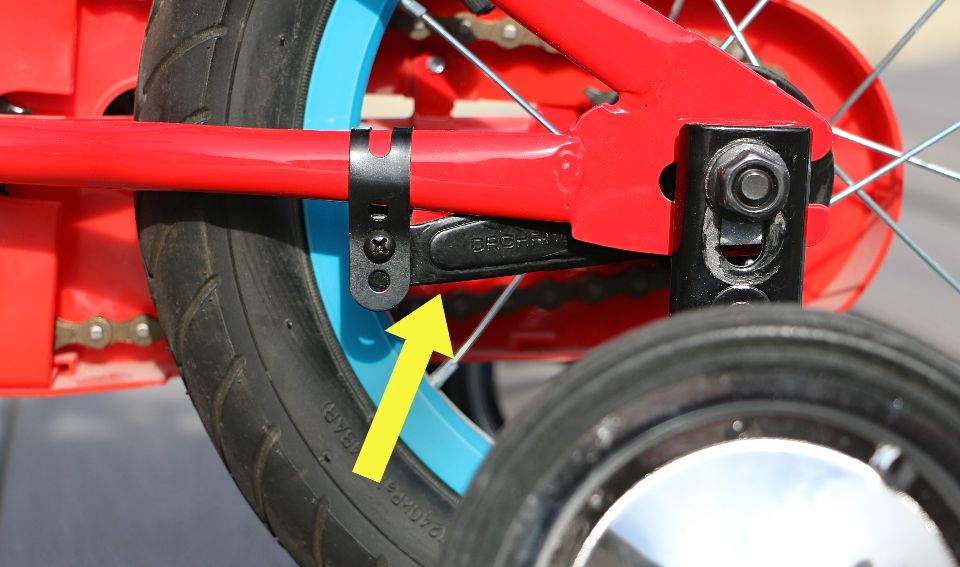
While low-maintenance, coaster brakes are not entirely maintenance-free. Proper installation is crucial, ensuring the reaction arm (the arm that connects the hub to the chainstay) is securely fastened to prevent the hub from rotating during braking.
Basic Maintenance:
- Lubrication: Periodically, the internal mechanisms may benefit from specialized grease, although this typically requires disassembling the hub, which is best left to experienced mechanics. Over-lubrication can reduce braking effectiveness.
- Axle Nuts: Ensure the axle nuts are tight, holding the wheel securely in the dropouts.
- Reaction Arm: Verify that the reaction arm is properly attached to the frame to prevent damage to the hub or frame.
Common Troubleshooting:
- Poor Braking: Could indicate wear on the brake shoes, lack of lubrication, or an issue with the clutch mechanism.
- Squealing Noise: Often due to dry brake shoes or contamination inside the hub.
- No Engagement/Constant Braking: Suggests internal component malfunction or improper assembly.
Most internal repairs require specialized tools and knowledge, making professional servicing advisable for anything beyond basic external checks.
The Enduring Niche and Future Relevance
The coaster brake’s future in cycling is secure within its established niche. It will likely remain the standard for children’s bikes, providing a safe and easy entry point into cycling. Its role in casual, urban, and utility cycling will also persist, especially where riders prioritize robust simplicity over high-performance features. As e-bike technology evolves, there might even be scope for integrated coaster brakes in certain low-speed, urban e-bike designs, leveraging their weather resistance and low maintenance. Its continued presence in specific product categories ensures its relevance as a valuable piece of cycling technology.

Making an Informed Choice: Is a Coaster Brake Right for You?
Deciding whether a coaster brake is suitable comes down to understanding your specific needs and riding habits.
Consider a Coaster Brake if:
- You are buying a bike for a young child learning to ride.
- You prioritize simplicity, low maintenance, and a clean aesthetic.
- Your riding consists primarily of flat, urban, or leisurely routes.
- You want a reliable, weather-resistant braking system without external components.
- You prefer a relaxed, intuitive riding experience.
Consider Alternatives (Rim or Disc Brakes) if:
- You ride on hilly or mountainous terrain.
- You require precise braking modulation for high-speed riding or technical trails.
- You need maximum stopping power, especially in adverse conditions.
- You desire a wide range of external gear options.
- You are an experienced rider who prefers hand-activated brakes.
Ultimately, the coaster brake, while a relatively simple piece of technology, offers a compelling solution for many riders. It embodies a philosophy of functional minimalism, proving that sophisticated engineering doesn’t always have to be complex. For those who value ease of use, durability, and a straightforward connection to their ride, the coaster brake remains a perfectly engineered and highly effective choice.
aViewFromTheCave is a participant in the Amazon Services LLC Associates Program, an affiliate advertising program designed to provide a means for sites to earn advertising fees by advertising and linking to Amazon.com. Amazon, the Amazon logo, AmazonSupply, and the AmazonSupply logo are trademarks of Amazon.com, Inc. or its affiliates. As an Amazon Associate we earn affiliate commissions from qualifying purchases.