
The wellness industry consistently seeks innovative services to meet evolving consumer demands, and the CBD massage has emerged as a significant player in this dynamic market. Beyond its therapeutic claims, understanding “what is a CBD massage” requires an economic lens, examining its value proposition for both providers and consumers, its market positioning, and the financial implications of its integration into modern spa and wellness businesses. At its core, a CBD massage is a therapeutic body treatment that incorporates cannabidiol (CBD)-infused products, typically oils, lotions, or balms, into traditional massage techniques. The aim is to leverage CBD’s purported anti-inflammatory and pain-relieving properties to enhance relaxation, alleviate muscle soreness, and reduce stress, thereby commanding a premium in the competitive wellness service sector.

The Business of CBD Massages: Revenue Streams and Operational Costs
Integrating CBD massages into a service menu presents a distinct opportunity for businesses to diversify revenue streams and attract a specific clientele willing to invest in premium wellness experiences. For spas, massage therapists, and wellness centers, the decision to offer CBD massages is primarily a strategic financial one, weighing potential income against operational outlays and regulatory hurdles.
Premium Pricing Strategy
A CBD massage is rarely priced identically to a standard massage of the same duration. The specialized nature of the ingredients and the perceived enhanced benefits allow providers to implement a premium pricing strategy. This upcharge covers the cost of CBD products, which are typically more expensive than conventional massage oils, and reflects the added value perceived by the consumer. Analysis of market data often shows CBD massages commanding anywhere from a 15% to 50% premium over equivalent non-CBD services. This additional revenue contributes significantly to a spa’s profit margins, especially as repeat clients often become loyal to the enhanced experience.
Product Sourcing and Inventory Management
The financial viability of offering CBD massages hinges heavily on efficient product sourcing and inventory management. Businesses must establish reliable supply chains for high-quality, lab-tested CBD products. This involves vetting suppliers for certificates of analysis (COAs) to ensure product purity, potency, and compliance with legal THC limits. Bulk purchasing can offer economies of scale, reducing per-unit costs and improving profitability. However, careful inventory management is crucial to avoid overstocking expensive products that could expire or tie up capital, or understocking, which could lead to service disruptions and customer dissatisfaction. Financial planning must account for the initial investment in various CBD product forms (oils, lotions, balms, even topicals with specific targeted uses) and ongoing replenishment cycles.
Staff Training and Certification Investments
Another significant operational cost is the investment in staff training. While massage therapists are already skilled in their craft, introducing CBD requires additional education. This includes understanding CBD’s properties, its interaction with the body (from a topical application standpoint), proper dosage guidelines for massage applications, and any relevant legal or ethical considerations. Training may also cover how to effectively communicate the benefits and address client questions or concerns about CBD. This investment ensures therapists are knowledgeable and confident, enhancing the client experience and justifying the premium pricing. Though an initial expenditure, well-trained staff contribute to client trust and satisfaction, fostering repeat business and positive word-of-mouth marketing, which are invaluable for long-term financial growth.
Consumer Spending and the Value Proposition of CBD Wellness
From the consumer’s perspective, choosing a CBD massage involves a cost-benefit analysis. Clients are willing to spend more on this service because they anticipate specific outcomes that justify the higher price point. This financial decision is driven by perceived wellness benefits, a desire for enhanced relaxation, and a belief in CBD’s therapeutic potential.
Perceived Health and Wellness Benefits
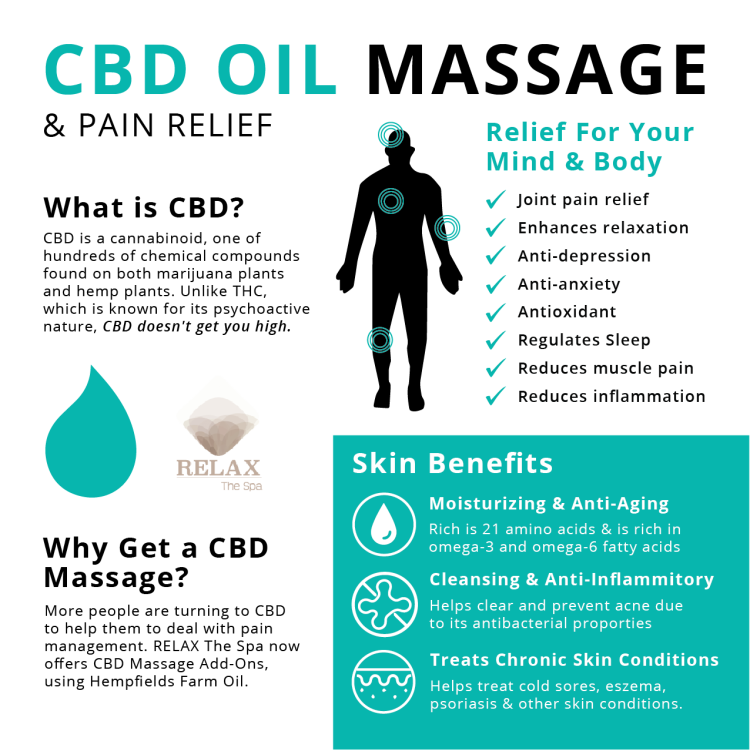
The primary driver for consumer spending on CBD massages is the perceived health and wellness benefits. Clients often seek relief from chronic pain, muscle soreness, inflammation, anxiety, or stress. CBD is marketed for its potential anxiolytic and anti-inflammatory properties. When these properties are combined with the inherent benefits of massage therapy (improved circulation, muscle relaxation, stress reduction), the perceived value escalates. Consumers view the additional cost as an investment in their physical and mental well-being, believing that the synergistic effects of CBD and massage offer a more profound and lasting therapeutic outcome than a traditional massage alone. This perception allows businesses to tap into the growing market segment dedicated to holistic health solutions.
Disposable Income and Lifestyle Choices
The target demographic for CBD massages often comprises individuals with sufficient disposable income who prioritize self-care and are open to exploring alternative wellness treatments. For these consumers, a CBD massage is not merely a luxury but a lifestyle choice aligned with their broader commitment to personal health and well-being. They are often willing to allocate a portion of their wellness budget to services that promise enhanced results and a unique experience. Spas and wellness centers strategically market CBD massages to this segment, emphasizing the indulgent, restorative, and effective nature of the treatment, thereby justifying the higher price point as a valuable expenditure on personal health.
The “Experience Economy” Factor
In today’s “experience economy,” consumers are increasingly willing to pay for memorable and unique experiences rather than just products or basic services. A CBD massage fits perfectly into this paradigm. It’s not just about the physical relief but the entire sensory experience – the calming atmosphere, the skilled touch of the therapist, and the innovative element of CBD. This enhanced experience adds to the perceived value, making clients feel they are receiving more than just a standard service. This psychological aspect plays a significant role in a consumer’s decision to spend more, transforming a simple massage into a holistic wellness ritual that justifies the premium price tag.
Market Growth, Investment, and Regulatory Considerations
The rapid expansion of the CBD market, coupled with the enduring popularity of wellness services, positions CBD massages as a segment with substantial growth potential. However, businesses must navigate a complex landscape of market dynamics, investment opportunities, and evolving regulatory frameworks.
Market Size and Growth Projections
The global wellness market, particularly the segment pertaining to health and beauty services, is robust and continually expanding. Within this, the CBD sector has seen explosive growth following increased legalization and consumer awareness. Combining these two trends, CBD massages are poised to capture a growing share of both markets. Industry reports frequently project significant annual growth rates for CBD-infused products and services. For investors and business owners, this signals a promising area for capital allocation, expansion, and the development of specialized offerings within the wellness ecosystem. Understanding these projections is crucial for long-term financial planning and strategic business development.
Investment in Infrastructure and Marketing
To effectively capitalize on this market growth, businesses need to make strategic investments. This includes potentially upgrading spa facilities to create an optimal environment for specialized treatments, investing in advanced booking and client management software tailored to premium services, and, crucially, allocating budgets for targeted marketing campaigns. Marketing for CBD massages requires educating potential clients about the benefits, addressing common misconceptions, and clearly communicating the value proposition. Digital marketing, social media engagement, and partnerships with health and wellness influencers can be particularly effective strategies to reach the target demographic, translating marketing spend into increased bookings and revenue.
Navigating the Regulatory Landscape and Compliance Costs
Perhaps the most complex financial and operational consideration for businesses offering CBD massages is the ever-evolving regulatory landscape. The legality of CBD varies by region and can be subject to change, particularly concerning THC content and product labeling requirements. Businesses must invest resources in staying informed about local, state, and national regulations to ensure compliance. This can involve legal consultation fees, ensuring proper sourcing from compliant manufacturers, and adhering to strict labeling and marketing guidelines. Non-compliance can lead to hefty fines, legal battles, and reputational damage, all of which represent significant financial risks. Therefore, a substantial portion of the business finance strategy for CBD massage providers must be dedicated to regulatory due diligence and ongoing compliance management.
In conclusion, a CBD massage is far more than just a relaxing treatment; it’s a significant economic entity within the wellness industry. From its premium pricing model and specialized product sourcing to consumer-driven value perception and the intricate dance with market regulations, understanding this service through a financial lens reveals its complex yet lucrative position in today’s economy. For businesses, it represents a strategic opportunity for revenue generation and market differentiation, while for consumers, it offers a perceived enhanced value for their wellness investment.
aViewFromTheCave is a participant in the Amazon Services LLC Associates Program, an affiliate advertising program designed to provide a means for sites to earn advertising fees by advertising and linking to Amazon.com. Amazon, the Amazon logo, AmazonSupply, and the AmazonSupply logo are trademarks of Amazon.com, Inc. or its affiliates. As an Amazon Associate we earn affiliate commissions from qualifying purchases.