
Securing a business loan is often a critical step for growth, expansion, or simply maintaining operations during lean times. Navigating the world of business finance can seem daunting, but with the right preparation and understanding, you can significantly improve your chances of success. This guide will walk you through the essential steps, from assessing your needs to managing your loan responsibly.
Understanding Your Business Loan Needs
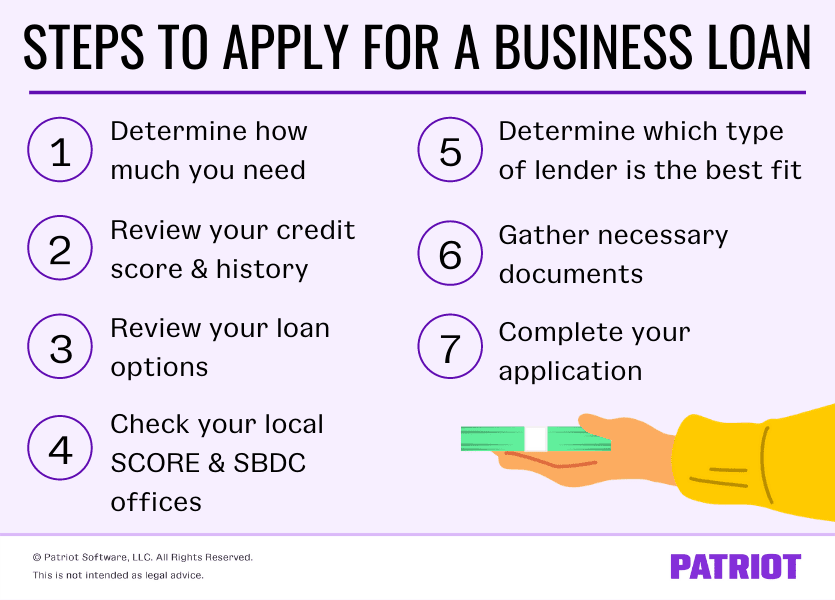
Before approaching any lender, it’s crucial to have a clear understanding of why you need a loan and how it will benefit your business. A well-defined purpose and a realistic financial picture will form the bedrock of a compelling loan application.
Assessing Your Financial Position
Start by asking fundamental questions about your business’s financial health and strategic objectives.
- What is the purpose of the loan? Are you seeking working capital to cover day-to-day expenses, funds for expansion, purchasing new equipment, increasing inventory, or launching a new product line? Each purpose might lead you to different types of lenders and loan products. Be specific; “for growth” is less impactful than “to purchase a new XYZ machine that will increase production capacity by 30%.”
- How much capital do you genuinely need? Overestimating can lead to unnecessary interest payments, while underestimating might leave you short of funds. Conduct a thorough financial projection, detailing exactly how the funds will be utilized and the expected return on investment. This requires a meticulous breakdown of costs, potential revenue increases, and anticipated timelines.
- What is your repayment capacity? Lenders will scrutinize your business’s cash flow to determine its ability to repay the loan. Analyze your historical and projected revenue, operating expenses, and existing debt obligations. A strong cash flow statement demonstrating consistent profitability and sufficient margins to cover new loan payments is paramount.
Types of Business Loans Available
The landscape of business financing is diverse, offering various options tailored to different business needs and profiles.
- Term Loans: These are perhaps the most traditional form of business financing. You receive a lump sum of money and repay it, plus interest, over a set period (term) through regular, fixed payments. They can be short-term (under a year) or long-term (up to 10 years or more).
- Lines of Credit: Similar to a credit card, a business line of credit provides access to a specific amount of funds that you can draw from as needed, repay, and then draw from again. Interest is only paid on the amount borrowed, making it ideal for managing cash flow fluctuations or unexpected expenses.
- SBA Loans: Backed by the U.S. Small Business Administration, these loans are partially guaranteed by the government, which reduces risk for lenders. This often translates to more favorable terms, lower down payments, and longer repayment periods for small businesses that might not qualify for conventional loans.
- Equipment Financing: Specifically designed to help businesses purchase machinery, vehicles, or other necessary equipment. The equipment itself often serves as collateral for the loan, potentially making it easier to qualify than an unsecured loan.
- Invoice Factoring: This involves selling your accounts receivable (invoices) to a third-party factor at a discount in exchange for immediate cash. It’s a way to unlock capital tied up in unpaid invoices, especially useful for businesses with long payment cycles.
- Merchant Cash Advances (MCAs): While offering quick access to capital, MCAs involve an upfront lump sum payment in exchange for a percentage of future credit and debit card sales. They often come with higher effective interest rates and can be an expensive option.
- Startup Loans/Venture Capital: For new businesses without a proven track record, specific startup loans or venture capital (equity financing) might be considered, though they often involve giving up a portion of ownership.
Preparing Your Business for a Loan Application
Once you understand your needs and the types of loans available, the next critical step is to meticulously prepare your business and gather all necessary documentation. Lenders look for stability, trustworthiness, and a clear path to repayment.
Essential Documentation
A complete and well-organized application package is key. Missing or disorganized documents can delay or even derail your application.
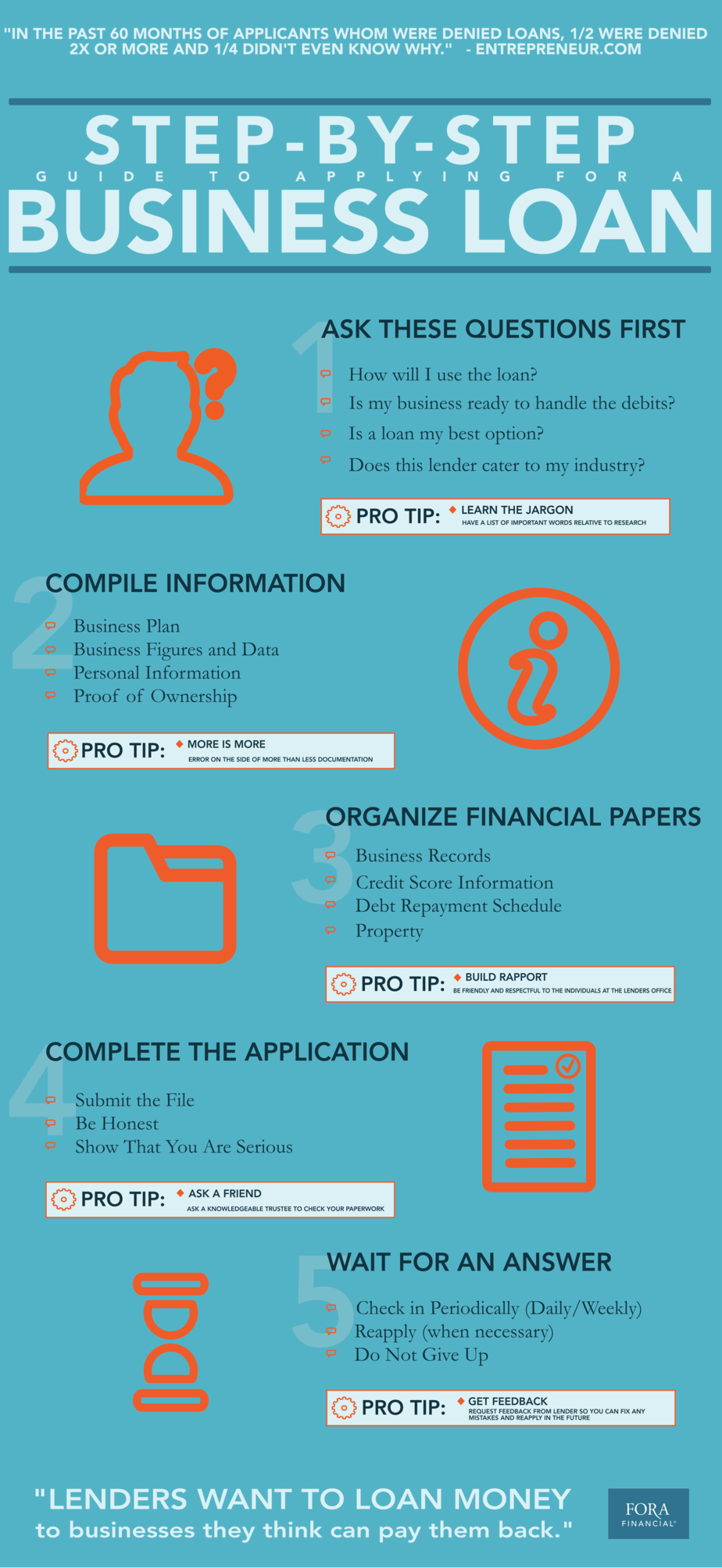
- Business Plan: More than just a formality, a robust business plan demonstrates your understanding of the market, your operational strategy, management team, and detailed financial projections for the next 3-5 years. It should articulate how the loan will be used and how it will contribute to profitability.
- Financial Statements: Lenders require comprehensive financial statements, typically for the last 2-3 fiscal years. This includes balance sheets (assets, liabilities, equity), income statements (revenue, expenses, profit/loss), and cash flow statements. These documents provide a snapshot of your business’s financial health.
- Business Bank Statements: Provide statements for the past 6-12 months to show consistent cash flow, transaction history, and how you manage your operational funds.
- Tax Returns: Submit both business and personal tax returns for the past 2-3 years. These verify the financial information provided in your statements and offer a transparent view of your income and expenses to the IRS.
- Legal Documents: This category includes your articles of incorporation, business licenses, permits, leases, and any relevant contracts. These demonstrate the legal standing and operational legitimacy of your business.
- Personal Financial Statement: For small business owners, lenders often require a personal financial statement outlining your assets, liabilities, and net worth, as well as a personal guarantee for the loan.
- Credit Reports: Both your personal credit score (FICO) and your business credit score (e.g., from Dun & Bradstreet, Experian Business) will be heavily scrutinized. A strong credit history indicates reliability and responsible financial management.
Strengthening Your Application
Even if your business is relatively new or has some blemishes, there are steps you can take to bolster your application.
- Improve Credit Scores: If your personal or business credit scores are low, take steps to improve them. Pay bills on time, reduce outstanding debts, and correct any errors on your credit reports. A strong credit score signals lower risk to lenders.
- Reduce Debt-to-Income Ratio: A high ratio of debt to available income can signal financial strain. Work to reduce existing debt where possible, both personally and for the business, before applying for new financing.
- Build a Solid Business History: Lenders prefer businesses with a track record. If your business is young, focus on demonstrating consistent revenue, profitability, and effective management for as long as possible before applying for a significant loan.
- Ensure Strong Cash Flow: Implement strategies to optimize your cash flow, such as efficient invoicing, managing receivables diligently, and controlling expenses. Consistent positive cash flow is the most convincing evidence of your ability to repay.
- Offer Collateral: If your business has assets like real estate, equipment, or accounts receivable, offering them as collateral can significantly reduce the lender’s risk and improve your chances of approval, potentially leading to better loan terms.
Navigating the Lender Landscape
With your business prepared and documents in hand, the next step is to identify the right lender. The best fit will depend on your specific needs, the size of the loan, and your business’s credit profile.

Traditional Banks vs. Online Lenders
- Traditional Banks: Large national and local banks often offer the most competitive interest rates and longer repayment terms, especially for established businesses with strong credit. However, their application processes can be lengthy, with stringent requirements, and they may be less flexible with businesses that don’t fit conventional molds.
- Online Lenders: The rise of FinTech has brought forth numerous online lenders offering faster application processes and quicker funding times. They often have more flexible eligibility criteria, making them accessible to businesses with less-than-perfect credit or shorter operating histories. The trade-off is typically higher interest rates and potentially shorter repayment terms compared to traditional banks.
Government-Backed Programs (SBA Loans)
The U.S. Small Business Administration (SBA) offers various loan programs, primarily the 7(a) loan program, the CDC/504 loan program, and microloans.
- Benefits: SBA loans provide significant advantages, including lower down payments, longer repayment terms, and often more flexible requirements than conventional loans. This makes them particularly attractive for startups, businesses in underserved communities, or those looking to finance large asset purchases.
- Eligibility and Application Process: While the SBA sets the guidelines, the loans are actually issued by participating banks, credit unions, and other financial institutions. You apply directly to these intermediary lenders, who then work with the SBA. Understanding SBA eligibility criteria is crucial before engaging a lender.
Alternative Financing Options
Beyond traditional banks and online lenders, several other avenues exist for business funding.
- Community Development Financial Institutions (CDFIs): These are mission-driven financial organizations that provide capital and financial services to underserved communities and populations. They often have more flexible lending criteria and may offer business support services.
- Microloans: Offered by non-profit organizations and some government programs, microloans are typically small loans (under $50,000) designed for startups and small businesses that may not qualify for larger traditional loans.
- Crowdfunding: Platforms like Kickstarter or Indiegogo are well-known for reward-based crowdfunding, but debt-based crowdfunding (or peer-to-peer lending) allows businesses to borrow money directly from a large number of individual investors.
The Application and Approval Process
Once you’ve chosen a potential lender, the real work of applying begins. This phase requires meticulous attention to detail and a clear understanding of what lenders prioritize.
Submitting Your Application
- Accuracy is Key: Ensure all information on your application forms is accurate and consistent with your supporting documents. Discrepancies can raise red flags and cause delays.
- Comprehensive Documentation: Provide every single document requested. If something is missing, proactively explain why and offer an alternative if possible.
- Be Prepared for Questions: Lenders will often have follow-up questions about your business plan, financial projections, or specific transactions. Respond promptly and thoroughly.
What Lenders Look For: The 5 Cs of Credit
Lenders typically assess loan applications based on five key criteria:
- Character: This refers to the borrower’s trustworthiness and integrity, often reflected in your personal and business credit history, professional reputation, and management experience.
- Capacity: Your business’s ability to repay the loan, primarily measured by analyzing its cash flow, debt-to-income ratio, and historical financial performance.
- Capital: The amount of money you, as the owner, have invested in the business. A significant personal stake demonstrates your commitment and reduces the lender’s risk.
- Collateral: Assets pledged as security for the loan. If the business defaults, the lender can seize these assets to recoup their losses.
- Conditions: The economic climate, industry trends, and the specific purpose of the loan all play a role in the lender’s decision. A strong business case in a growing industry during a stable economic period presents a more favorable condition.
Understanding Loan Offers
If approved, you’ll receive a loan offer. It’s crucial to thoroughly review all terms and conditions before signing.
- Interest Rates: Understand whether the rate is fixed or variable, and what the Annual Percentage Rate (APR) truly represents, as it includes fees in addition to the interest rate.
- Fees: Be aware of any origination fees, closing costs, administrative fees, or prepayment penalties. These can significantly impact the overall cost of the loan.
- Repayment Schedule: Confirm the loan term, the frequency of payments (monthly, weekly), and the exact amount of each payment.
- Covenants and Conditions: Some loans come with covenants, which are conditions you must adhere to throughout the loan term (e.g., maintaining certain financial ratios, not taking on additional debt without permission).
- Personal Guarantees: For small business loans, owners are often required to provide a personal guarantee, meaning you are personally liable for the loan if the business defaults.
Post-Approval Best Practices
Receiving a business loan is a significant achievement, but it also comes with ongoing responsibilities. Effective loan management is crucial for maintaining your business’s financial health and fostering future lending opportunities.
Managing Your Loan Responsibly
- Adhere to Repayment Schedule: Make all payments on time, every time. Late payments can incur penalties, damage your credit score, and strain your relationship with the lender.
- Monitor Cash Flow: Continuously track your business’s cash flow to ensure you always have sufficient funds to cover loan obligations. Proactively address any potential shortfalls.
- Use Funds as Intended: Stick to the business plan you presented to the lender. Using funds for purposes other than what was agreed upon can violate loan covenants and harm your credibility.
Building a Positive Lender Relationship
A good relationship with your lender extends beyond just making payments.
- Maintain Open Communication: If you anticipate any financial difficulties or changes in your business operations, communicate proactively with your lender. They may be willing to work with you to find solutions.
- Proactively Address Potential Issues: Don’t wait until you’re in default to reach out. Early communication can help you renegotiate terms or explore alternatives before problems escalate.
- Facilitate Future Financing: A history of responsible borrowing and strong communication can make it significantly easier to secure additional financing when your business needs it in the future. Lenders value reliable clients.
Obtaining a business loan is a strategic financial move that, when executed thoughtfully, can propel your business forward. By thoroughly preparing, understanding your options, and managing your responsibilities, you position your business for sustained growth and success.
aViewFromTheCave is a participant in the Amazon Services LLC Associates Program, an affiliate advertising program designed to provide a means for sites to earn advertising fees by advertising and linking to Amazon.com. Amazon, the Amazon logo, AmazonSupply, and the AmazonSupply logo are trademarks of Amazon.com, Inc. or its affiliates. As an Amazon Associate we earn affiliate commissions from qualifying purchases.