
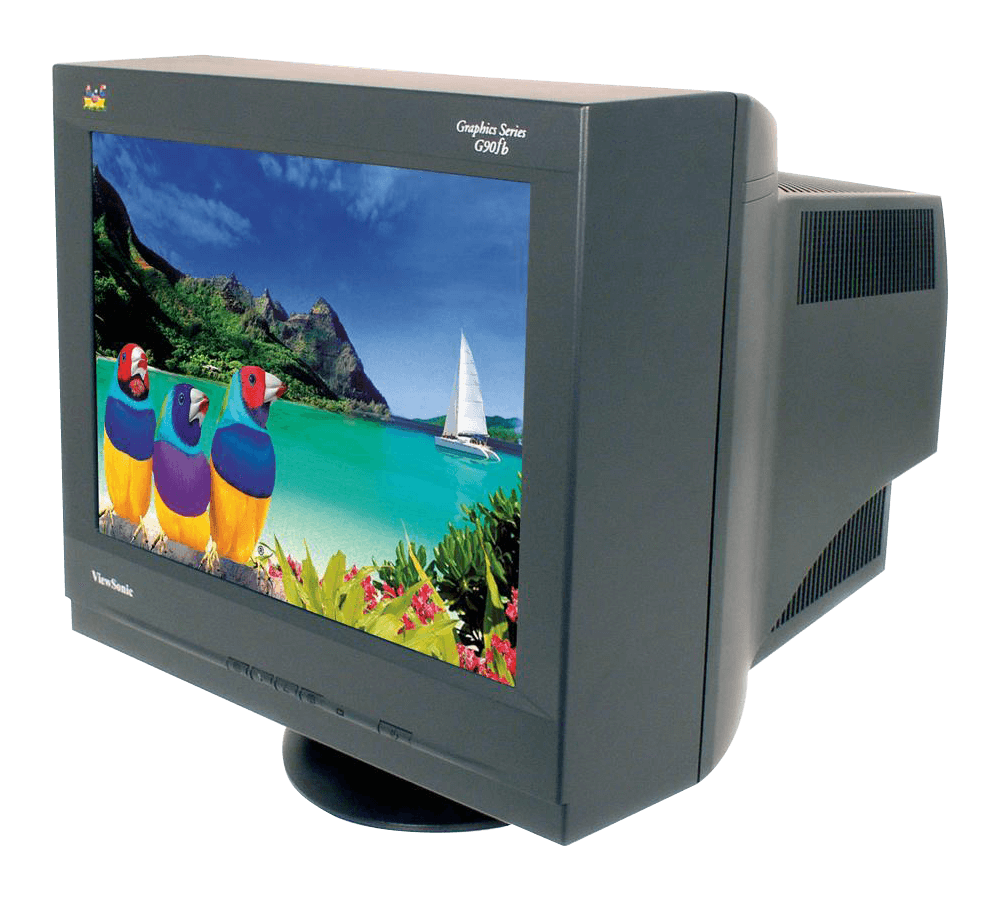
The Cathode Ray Tube (CRT) monitor, once a ubiquitous fixture in homes and offices worldwide, represents a foundational technology in the history of electronic displays. Before the advent of sleek, flat-panel screens, CRTs were the primary method for visualizing digital information, driving decades of innovation in computing and entertainment. Understanding a CRT monitor requires delving into its ingenious internal mechanisms, which harnessed electron physics to paint vibrant, moving images.
The Core Principle: Electron Beams and Phosphors
At its heart, a CRT monitor operates on a surprisingly elegant principle: converting an electrical signal into visible light using a focused beam of electrons. This process unfolds within a large, evacuated glass tube, meticulously engineered to protect its delicate internal components and ensure the free flight of electrons.
The Electron Gun: Generating the Beam
The journey of an image begins at the back of the CRT, within an assembly known as the electron gun. This component consists of a heated cathode, which, when energized, emits a stream of electrons through thermionic emission. Surrounding the cathode are various control electrodes, including a control grid, focusing anodes, and accelerating anodes. The control grid regulates the intensity of the electron beam, directly influencing the brightness of the pixel being displayed. The focusing anodes shape the scattered electrons into a narrow, precise beam, ensuring sharp image rendition. Finally, the accelerating anodes propel these electrons forward with high voltage, giving them the necessary speed to reach the screen. Early color CRTs employed three separate electron guns, one for each primary color (red, green, blue), each precisely aligned to target specific phosphor dots on the screen.
Deflection Yokes: Guiding the Ray
Once the electron beam (or beams, for color displays) is generated and focused, it must be directed across the entire surface of the screen to draw the image. This precise steering is accomplished by a crucial component called the deflection yoke, a set of electromagnets wrapped around the neck of the CRT. By rapidly varying the current through these coils, powerful magnetic fields are generated that interact with the negatively charged electron beam, causing it to bend. One set of coils controls vertical deflection (moving the beam up and down), while another controls horizontal deflection (moving it left and right). The beam sweeps across the screen in a meticulously organized pattern, typically from left to right and top to bottom, much like reading a book. This rapid sweeping action, known as raster scanning, creates a full frame of an image, which is then refreshed multiple times per second to create the illusion of continuous motion.
The Phosphor Screen: Illuminating the Display
The ultimate destination for the electron beam is the inner surface of the CRT’s glass faceplate, which is coated with a uniform layer of phosphorescent material. When the high-velocity electrons strike this phosphor coating, they transfer their kinetic energy, exciting the atoms within the phosphor. These excited atoms then release their excess energy in the form of photons, producing visible light—a phenomenon known as cathodoluminescence. For monochrome CRTs, a single type of phosphor emitted light of a specific color (often green, white, or amber). Color CRTs, however, employ a highly intricate pattern of red, green, and blue phosphor dots (or stripes). Each of the three electron beams is carefully aimed to strike only its corresponding color phosphor, preventing color bleed and ensuring accurate color reproduction. The intensity of each beam, controlled by the electron gun, determines the brightness of each colored dot, allowing for millions of distinct hues to be generated when viewed from a distance.
Anatomy of a CRT Monitor
Beyond the fundamental electron beam and phosphor interaction, a CRT monitor is a complex assembly of specialized components, each playing a critical role in its operation.
The Vacuum Tube
The entire operation of a CRT is dependent on its core structure: a large, conical glass vacuum tube. This tube is meticulously evacuated of air to prevent interference with the electron beam. Any air molecules within the tube would collide with the electrons, scattering them and reducing their energy, leading to a dim, blurry, or nonexistent image. The robust glass construction also needs to withstand the immense pressure differential created by the vacuum, particularly on the large, flat faceplate, which is often several centimeters thick.
Shadow Mask or Aperture Grille: Color Accuracy
A key challenge in color CRTs is ensuring that each electron beam only excites its designated color phosphor. This precision is achieved through either a shadow mask or an aperture grille, positioned just behind the phosphor screen.
- Shadow Mask: This is a thin metal sheet perforated with thousands of tiny holes, precisely aligned with the red, green, and blue phosphor dots on the screen. The three electron beams converge at each hole, passing through it at slightly different angles to strike only their corresponding color dot. If a beam is misaligned, it might hit the shadow mask itself or the wrong phosphor dot, leading to blurred colors or color purity issues.
- Aperture Grille: Pioneered by Sony with their Trinitron line, the aperture grille consists of vertical wires or slits, rather than holes. This design allows for brighter images due to less obstruction of the electron beams and better vertical resolution. However, the fine wires are susceptible to vibration, requiring horizontal dampening wires (visible as thin lines on the screen) to stabilize them.
Both technologies effectively “shadow” portions of the phosphor screen from unintended electron beams, ensuring accurate color separation.
High Voltage Anode
The acceleration of electrons to speeds necessary to excite the phosphors requires extremely high voltages, often in the range of 20,000 to 30,000 volts. This voltage is supplied by a component known as the high voltage anode, typically a graphite coating on the inside of the funnel section of the CRT, connected to a power supply circuit. This high voltage also contributes to the electrostatic field that further guides the electron beam.
Power Supply and Control Circuitry
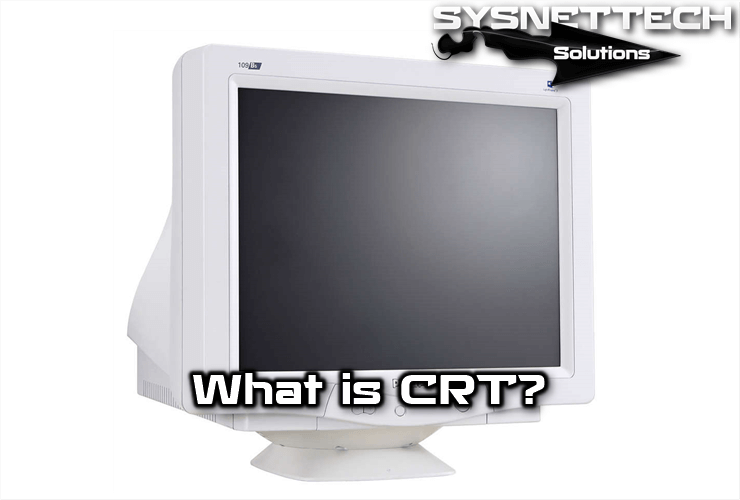
A CRT monitor contains extensive electronic circuitry responsible for a multitude of functions. The power supply converts wall current into the various DC voltages required for the electron gun, deflection yokes, and other internal components. Control circuits interpret the video signals received from a computer or video source, translating them into precise instructions for the electron gun’s brightness control and the deflection yoke’s magnetic fields. These circuits also manage synchronization signals (horizontal and vertical sync) to ensure the electron beam sweeps across the screen in perfect harmony with the incoming video data, maintaining a stable and coherent image.
Evolution and Legacy: From Analog to Digital
The CRT dominated display technology for over half a century, witnessing significant advancements in its capabilities and features before its eventual decline.
Key Features and Specifications
Early CRTs were limited in resolution and refresh rates, displaying chunky pixels and noticeable flicker. Over time, engineering improvements led to sharper images, higher resolutions (e.g., 1024×768, 1280×1024, and even 1600×1200), and faster refresh rates (up to 85Hz or more), which significantly reduced eye strain. Aspect ratios were predominantly 4:3, reflecting the standard television and early computer display formats. Later models began experimenting with widescreen formats, though these were less common for CRTs.
Advantages of CRTs
Despite their bulk, CRTs possessed several inherent advantages that ensured their longevity:
- Superior Response Time: Electron beams could change position and intensity almost instantaneously, resulting in virtually zero motion blur, which was highly valued in fast-paced video games and professional applications.
- Excellent Color Reproduction and Contrast: The direct illumination of phosphors by electron beams allowed for deep blacks and vibrant colors, often surpassing early flat-panel displays in color fidelity and contrast ratio.
- Wide Viewing Angles: Since the light was emitted directly from the screen surface, CRTs suffered very little from the color shifts or brightness degradation that plagued early LCDs when viewed off-axis.
- Native Resolution Flexibility: CRTs were analog devices capable of displaying a wide range of resolutions without scaling artifacts, as the electron beam could simply draw pixels at different sizes.
Disadvantages and Obsolescence
As technology progressed, the drawbacks of CRTs became increasingly apparent and ultimately led to their replacement:
- Size and Weight: The deep, conical vacuum tube and heavy internal components made CRTs extremely bulky and heavy, taking up significant desk space.
- High Power Consumption: The electron gun and deflection circuitry required substantial electrical power, generating considerable heat.
- Screen Flicker: Lower refresh rates (e.g., 60Hz) were perceptible to the human eye as flicker, causing eye strain and fatigue.
- Radiation Concerns: While largely unfounded for modern CRTs, early models and public perception raised concerns about X-ray emissions, contributing to their negative image.
- Geometric Distortion: Imperfections in deflection circuitry or magnetic interference could lead to noticeable distortions, such as pincushioning or barrel distortion, especially at the edges of the screen.
The End of an Era and Enduring Niche Appeal
The 21st century marked a rapid decline for the CRT, as new display technologies emerged that offered compelling advantages.
The Rise of Flat-Panel Displays
The primary catalysts for the CRT’s obsolescence were Liquid Crystal Display (LCD) and, later, Plasma and Organic Light-Emitting Diode (OLED) technologies. These flat-panel displays offered significant benefits:
- Slim Profile and Lightweight: Dramatically reduced thickness and weight made them suitable for smaller desks, wall mounting, and portable devices.
- Lower Power Consumption: Generally consumed less power, reducing energy costs and heat output.
- Elimination of Flicker: Pixels remained continuously illuminated, eradicating the flicker issue.
- Larger Screen Sizes: Easier and more cost-effective to manufacture in very large formats.
The rapid advancements in LCD technology, particularly in response time, color accuracy, and viewing angles, quickly negated many of the CRT’s historical advantages, making the older technology economically and practically unviable for mass production by the late 2000s.
Nostalgia and Niche Applications
Despite their mainstream disappearance, CRTs maintain a dedicated following and niche utility. Enthusiasts of retro gaming often prefer CRTs for playing classic video games. This preference stems from the fact that many older consoles and arcade games were designed for the specific interlaced scanning and lower resolutions of CRTs, resulting in a more authentic and visually pleasing experience without the input lag or scaling artifacts introduced by modern digital displays. The inherent “scanlines” produced by CRTs are an integral part of the intended aesthetic of many retro games. Beyond gaming, some specialized industrial and medical equipment still utilizes CRTs due to their robustness, specific display characteristics, or the cost prohibitive nature of redesigning systems for newer displays.
Environmental Impact and Disposal
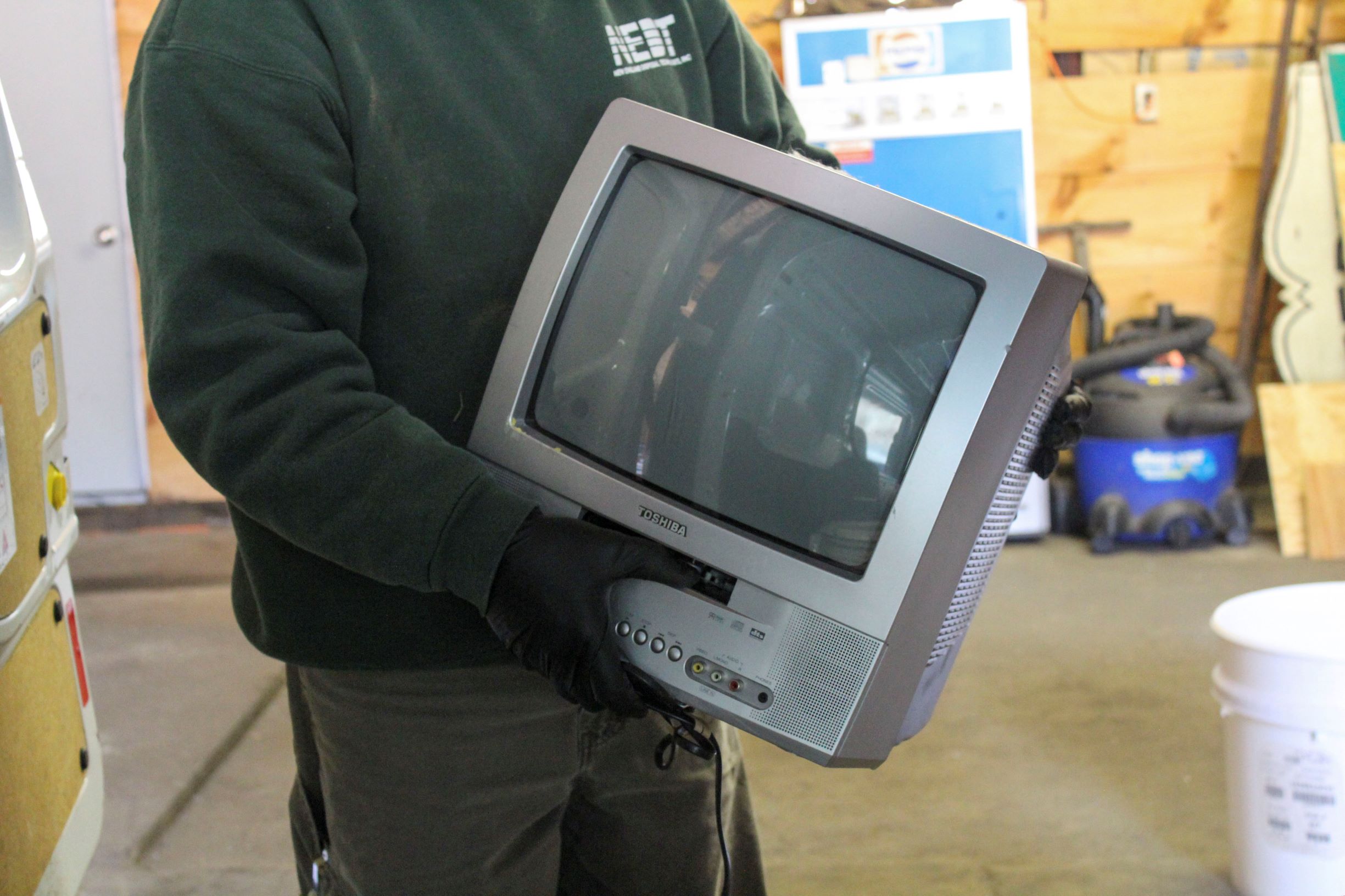
The disposal of CRTs presents a significant environmental challenge. The glass funnels often contain lead, a heavy metal toxic to humans and the environment. This necessitates specialized recycling processes to safely manage the components and prevent hazardous materials from leaching into landfills. This environmental consideration further solidified the move away from CRT production.
In essence, the Cathode Ray Tube monitor stands as a monument to analog electronics and a pivotal step in the evolution of visual communication. While modern displays have far surpassed CRTs in efficiency, form factor, and convenience, the underlying principles of electron manipulation continue to influence advanced display research, and the CRT’s legacy lives on in the annals of technological history.
aViewFromTheCave is a participant in the Amazon Services LLC Associates Program, an affiliate advertising program designed to provide a means for sites to earn advertising fees by advertising and linking to Amazon.com. Amazon, the Amazon logo, AmazonSupply, and the AmazonSupply logo are trademarks of Amazon.com, Inc. or its affiliates. As an Amazon Associate we earn affiliate commissions from qualifying purchases.