
In the traditional landscape of legal education and practice, the “case brief” has long been the cornerstone of preparation. It is a distilled, structured summary of a judicial opinion, designed to help legal professionals and students identify the core principles of a ruling without re-reading hundreds of pages of dense text. However, as the legal industry undergoes a massive digital transformation, the definition and execution of a case brief are evolving.
Today, a case brief is no longer just a handwritten note in the margin of a textbook; it is a dynamic digital asset. In the modern tech-forward legal environment, case briefing has integrated with artificial intelligence, cloud-based management systems, and collaborative software. Understanding what a case brief is now requires an understanding of the technology that powers it. This guide explores the intersection of legal analysis and technology, providing a comprehensive look at how digital tools are redefining this essential legal practice.
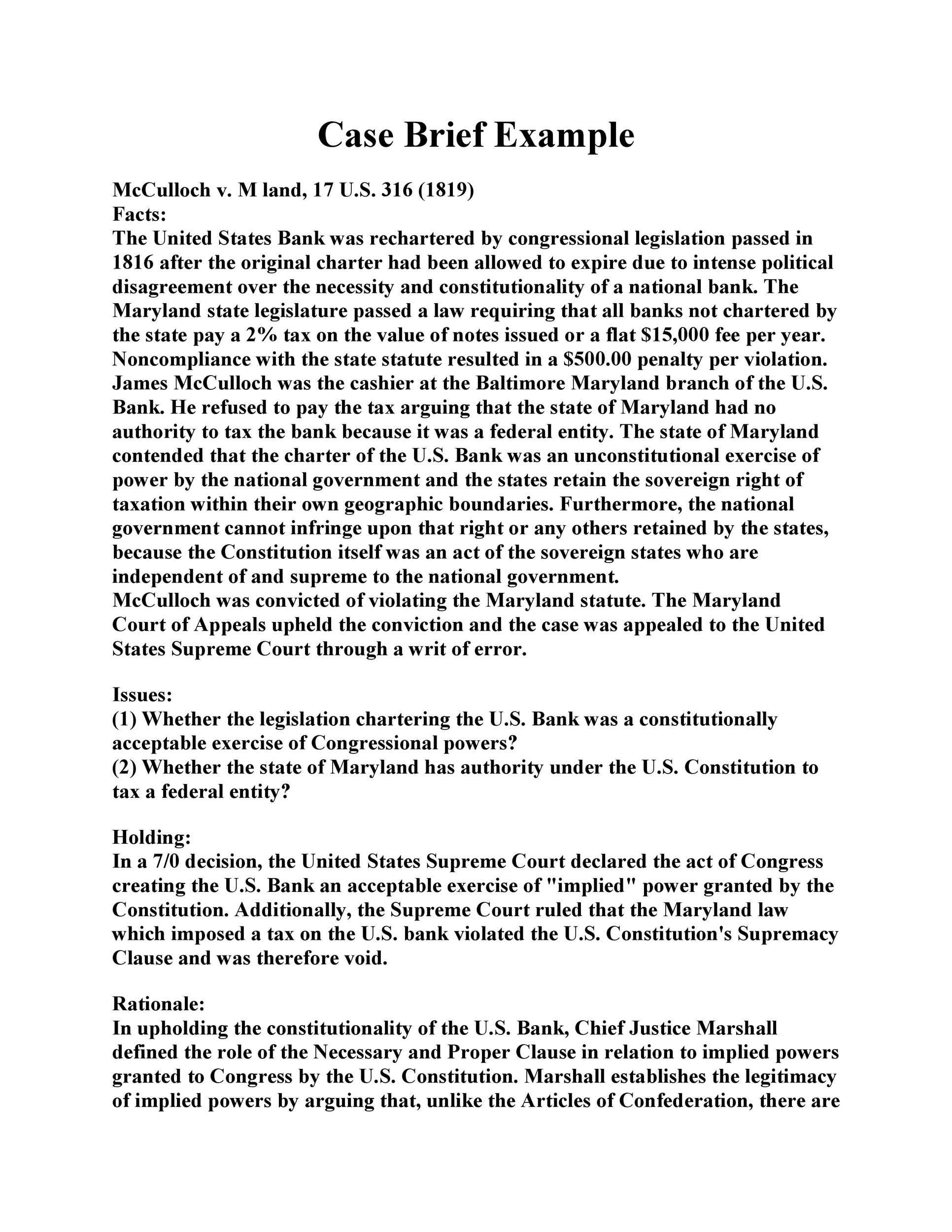
The Architecture of a Digital Case Brief: Structure and Searchability
At its core, a case brief serves as a roadmap for understanding a court’s decision. While the fundamental components remain consistent, the way they are stored and accessed has changed significantly through the use of database technology and structured data.
The Core Components of a Modern Brief
Every effective case brief, whether created manually or via AI, follows a specific logical structure. In a digital environment, these sections are often treated as metadata fields that allow for high-speed retrieval:
- Citation: The digital “address” of the case, allowing software to link directly to the full text on platforms like Westlaw or LexisNexis.
- Facts: A concise summary of the events leading to the lawsuit. Digital tools now allow for “fact-tagging,” where specific details can be cross-referenced across multiple cases.
- Issue: The central legal question the court must answer. In tech-enabled briefing, these are categorized by legal taxonomy codes.
- Rule: The legal standard or precedent used to resolve the issue.
- Application (Reasoning): The most critical part of the brief, where the court applies the rule to the facts. Modern software often uses “heat maps” to show which parts of the reasoning are most frequently cited by subsequent courts.
- Conclusion (Holding): The final decision of the court.
Transitioning from Paper to Database
The primary shift in modern legal tech is the move from static documents to relational databases. When a law firm uses a Case Management System (CMS), a case brief becomes a searchable node. Unlike a paper brief tucked away in a physical file, a digital brief is indexed. This means that if an attorney needs to find every case brief they have written regarding “intellectual property disputes in the SaaS industry,” a simple keyword search across the firm’s centralized repository yields instant results. This “Knowledge Management” (KM) strategy is a hallmark of high-tech legal departments.
Legal Tech Tools: Automating and Enhancing the Briefing Process
The manual process of “briefing a case” can take hours. However, the rise of LegalTech and Generative AI has introduced tools that can synthesize judicial opinions in seconds, allowing legal professionals to focus on strategy rather than rote summarization.
AI-Powered Summarization and NLP
Natural Language Processing (NLP) is the technology behind modern legal summarization tools. Specialized AI models, trained on millions of legal documents, can now ingest a 50-page Supreme Court ruling and produce a structured case brief almost instantaneously. These tools don’t just shorten the text; they identify the “ratio decidendi” (the reason for the decision) and distinguish it from “obiter dicta” (incidental remarks).
For example, tools like Casetext’s CoCounsel or Harvey AI use Large Language Models (LLMs) to extract the “Rule of Law” with high precision. This technology reduces the cognitive load on junior associates and law students, allowing them to verify AI-generated briefs rather than starting from a blank page.
Integrated Research Ecosystems
Modern case briefing happens within integrated ecosystems. Platforms like Bloomberg Law and Lexis+ have integrated “Brief Analysis” tools. A user can upload a draft of a brief or a memorandum, and the AI will scan the document to suggest additional case briefs that support or contradict the user’s argument. This creates a feedback loop where the act of briefing is tied directly to real-time legal research and automated citation checking (Shepardizing), ensuring that the technology monitors whether a case remains “good law.”
Enhancing Analytical Accuracy with Digital Research Platforms
The value of a case brief is only as good as the research behind it. Technology has democratized access to legal information, moving beyond expensive proprietary databases to include open-source and low-cost digital platforms.

Leveraging Algorithms for Precedent Mapping
Traditional briefing involves looking at a single case in isolation. Modern legal tech allows for “Precedent Mapping.” Tools like Ravel Law provide visual clusters of cases, showing how a specific case brief fits into the broader timeline of legal history.
By using data visualization, a lawyer can see which cases are “seminal”—those that are most heavily cited—and ensure their case brief focuses on the most influential authorities. This algorithmic approach to briefing ensures that the legal professional isn’t just summarizing a case, but is understanding its technological and sociological impact on the legal landscape.
Hyperlinking and Cloud-Based Annotation
The “Static Brief” is dead. Modern legal briefs are living documents hosted in the cloud. Using tools like Notion, Evernote, or specialized legal software like CaseFleet, practitioners can hyperlink their brief directly to the evidence.
If a case brief mentions a specific piece of testimony, a hyperlink can instantly pull up the digital transcript or a video recording of the deposition. This level of interconnectivity, powered by cloud computing, ensures that the brief serves as a portal to the entire digital case file, providing a seamless transition from summary to source material.
Cybersecurity and Data Privacy in Digital Case Briefing
As case briefs move to the cloud and AI models, security becomes a paramount concern. Briefs often contain sensitive interpretations of law and strategy that are protected by attorney-client privilege.
Protecting Intellectual Property in the Cloud
When using AI tools to generate or store case briefs, legal professionals must ensure that the data is not used to train public models. Tech-savvy firms utilize “Private LLMs” or enterprise-grade cloud solutions with SOC 2 Type II compliance. These technologies ensure that the work product—the case brief—remains within the firm’s “digital fence.”
Furthermore, encryption at rest and in transit is now a standard requirement for legal tech vendors. Because a case brief represents a firm’s proprietary analysis of the law, its protection is as much a technological challenge as it is a legal one.
Ethical Considerations of AI-Generated Briefs
The “Tech” of case briefing also brings ethical responsibilities. The American Bar Association (ABA) and various state bars have begun issuing guidance on the use of AI. A significant technological risk is “hallucination,” where an AI might invent a case brief or a citation. Therefore, the modern workflow requires “Human-in-the-Loop” (HITL) technology, where digital tools provide the first draft, but a human lawyer uses professional judgment to verify the accuracy of the technological output.
The Future of Legal Workflow: Beyond the Traditional Brief
The evolution of the case brief is leading toward a future where legal analysis is predictive rather than just descriptive. We are moving from “What did the court say?” to “What will the court say next?”
Predictive Analytics and Outcome Forecasting
Advanced legal tech platforms are now using the data within thousands of case briefs to predict judicial outcomes. By analyzing the “Rules” and “Applications” from past briefs, machine learning models can calculate the statistical probability of a specific judge ruling in a certain way on a given issue. In this context, the case brief is the primary data source for the algorithms that fuel litigation strategy and financial forecasting for law firms.

Collaborative Real-Time Briefing
Finally, technology is making case briefing a collaborative, global effort. Through platforms like Microsoft Teams and Slack integrations, legal teams across different time zones can co-author a case brief in real-time. Version control software, similar to GitHub but tailored for legal text, allows teams to track changes, see who contributed which analytical point, and maintain a “Single Source of Truth” for the firm’s legal knowledge.
In conclusion, while the question “What is a case brief in law?” still has a traditional answer rooted in legal summary, the modern reality is far more complex. It is a high-tech intersection of data science, artificial intelligence, and secure cloud computing. By embracing these technological tools, legal professionals can transform the humble case brief from a simple study aid into a powerful, data-driven instrument for legal mastery and strategic advantage.
aViewFromTheCave is a participant in the Amazon Services LLC Associates Program, an affiliate advertising program designed to provide a means for sites to earn advertising fees by advertising and linking to Amazon.com. Amazon, the Amazon logo, AmazonSupply, and the AmazonSupply logo are trademarks of Amazon.com, Inc. or its affiliates. As an Amazon Associate we earn affiliate commissions from qualifying purchases.