
In the intricate world of modern healthcare, technology serves as an indispensable backbone, enabling precision diagnostics, life-saving interventions, and comprehensive patient care. Within this tech-driven ecosystem, the role of a Cardiovascular Technician, often referred to as a Cardiovascular Technologist, stands out as a critical interface between advanced medical equipment and patient well-being. Far from being merely an assistant, a cardiovascular tech is a highly skilled professional whose expertise lies squarely in the application, operation, and interpretation of sophisticated cardiovascular technologies. Their work is fundamentally rooted in understanding the mechanics and principles behind the devices that visualize the heart and blood vessels, measure their functions, and guide physicians in treatment. This deep dive will explore the essence of this profession, firmly positioning it within the domain of specialized technology application and its continuous evolution.
The Core Role: Bridging Medicine and Advanced Diagnostics
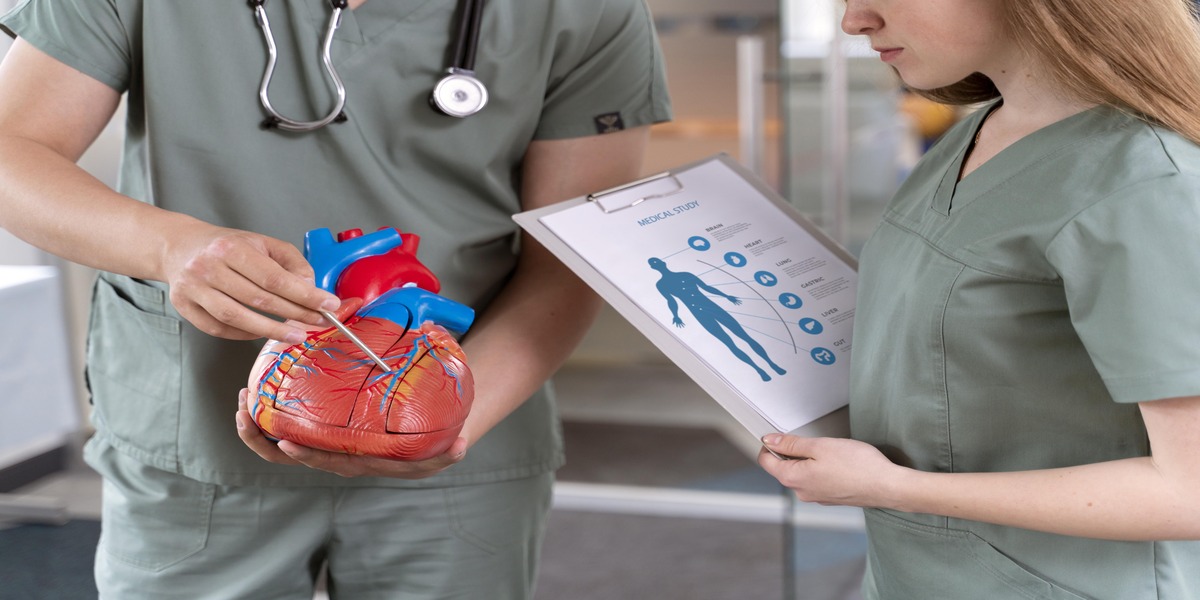
At its heart, the cardiovascular tech’s profession is about harnessing technology to gain unprecedented insights into the human circulatory system. They are the frontline experts operating the complex machinery that allows clinicians to diagnose and manage a vast array of heart and vascular conditions. Their day-to-day responsibilities demand a profound understanding of both human anatomy and physiology, coupled with an even deeper mastery of the diagnostic and interventional technologies employed.
Definition and Scope of Practice
A cardiovascular tech primarily specializes in using non-invasive, invasive, and interventional procedures to help physicians diagnose and treat cardiac and peripheral vascular ailments. Their scope of practice is broad, encompassing several sub-specialties, each heavily reliant on specific technological modalities:
-
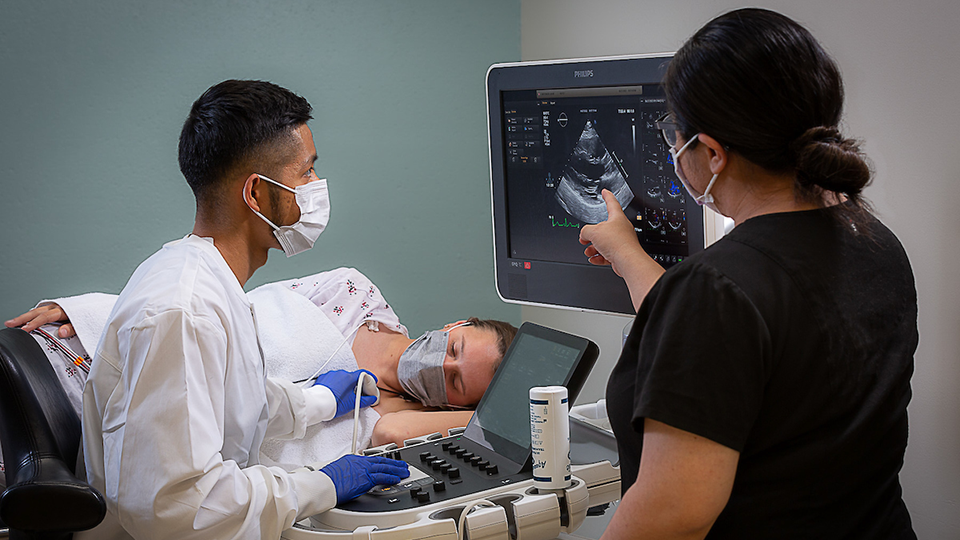
Echocardiography (Cardiac Sonography): Involves using ultrasound technology to create detailed images of the heart’s structure and function. This includes 2D, 3D, 4D, Doppler, and transesophageal echocardiography (TEE), all requiring advanced knowledge of acoustic physics and imaging principles.
-
Vascular Technology: Focuses on ultrasound imaging of blood vessels throughout the body to detect blockages, aneurysms, and other abnormalities. This requires a nuanced understanding of hemodynamics and various Doppler techniques.
-
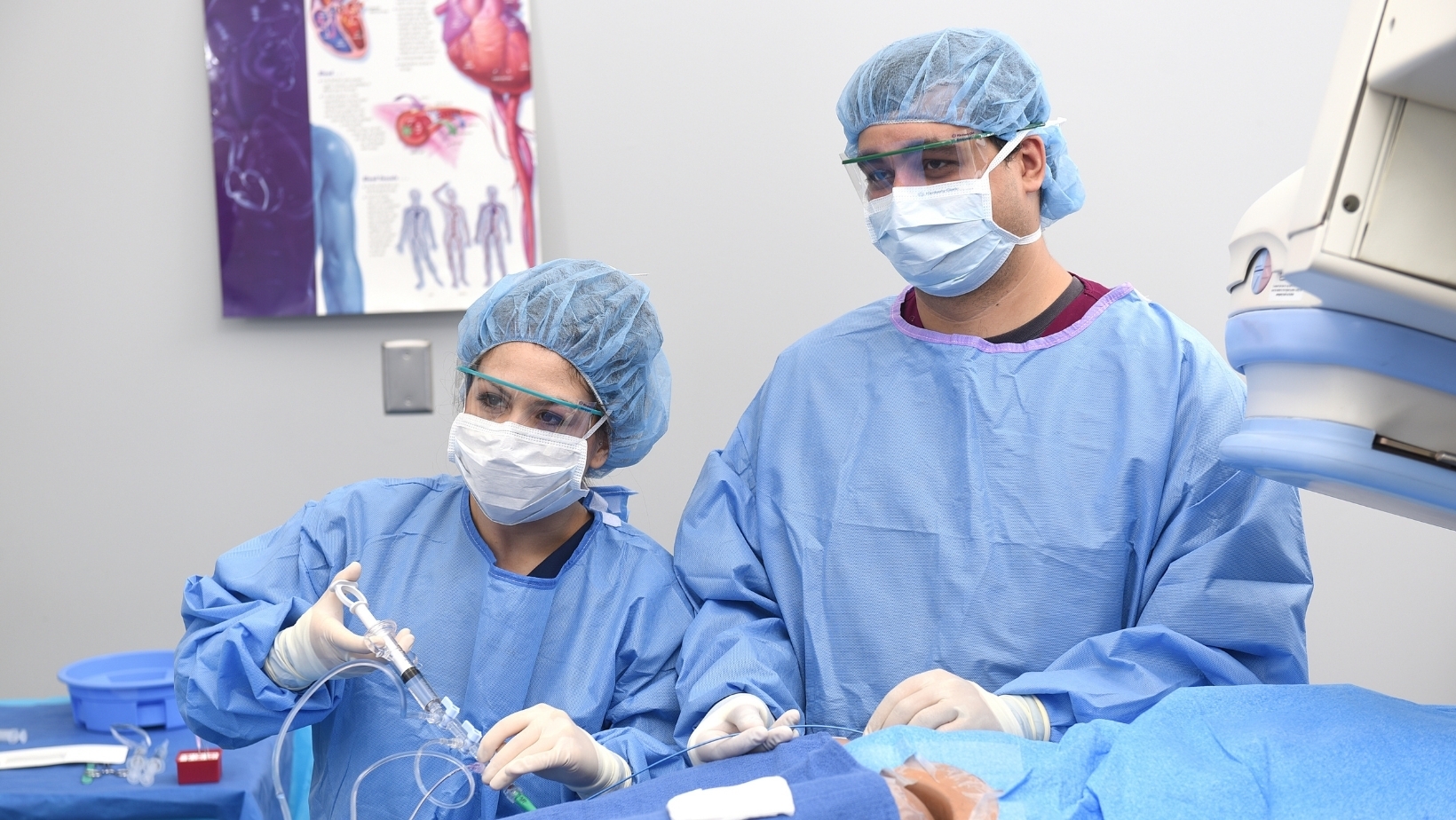
Invasive Cardiology (Cardiac Catheterization Lab): Technologists assist cardiologists during complex procedures like angioplasties, stent placements, and pacemaker implantations. This involves operating fluoroscopy equipment, hemodynamic monitoring systems, intravascular ultrasound (IVUS), and fractional flow reserve (FFR) technologies, all of which are highly sophisticated pieces of diagnostic and interventional machinery.
-
Electrophysiology (EP Lab): Specialists here work with advanced mapping systems and ablation technologies to diagnose and treat heart rhythm disorders. This includes complex 3D mapping, radiofrequency ablation, and cryoablation devices.
Each of these areas demands a tech-savvy individual capable of operating, troubleshooting, and ensuring the accurate performance of highly specialized equipment. Their role extends beyond mere button-pushing; it involves critical thinking to adapt protocols, optimize image quality, and manage data effectively for physician review.
Essential Technical Skills
The proficiency of a cardiovascular tech is built upon a foundation of specific technical skills that directly relate to the operation and application of medical technology:
-
Mastery of Imaging Software and Hardware: This includes manipulating transducers, adjusting machine settings (gain, depth, frequency, focus), and operating advanced imaging modes to capture diagnostic-quality images.
-
Data Acquisition and Analysis: Accurately collecting physiological data (blood pressure, heart rate, oxygen saturation, electrical signals) from monitoring systems and interpreting waveforms, gradients, and velocities.
-
Equipment Calibration and Maintenance: Ensuring that all diagnostic and interventional equipment is properly calibrated, functioning optimally, and routinely maintained to prevent errors and ensure patient safety.
-
Troubleshooting and Problem-Solving: Identifying and resolving technical issues with machinery, software glitches, or artifacts in imaging data that could compromise diagnostic accuracy.
-
Sterile Technique and Equipment Handling: Especially in invasive settings, understanding and adhering to strict sterile protocols for managing catheters, wires, and other invasive devices to prevent infection.
-
Radiation Safety: For roles involving fluoroscopy (e.g., cath lab), techs must have a thorough understanding of radiation physics, dose reduction techniques, and lead shielding to protect both patients and staff.
These skills underscore the deeply technical nature of the profession, where a blend of scientific understanding and hands-on operational competence with advanced gadgets is paramount.
Unpacking the Technological Toolkit of a Cardiovascular Tech
The effectiveness of a cardiovascular tech is directly proportional to their command over the myriad of specialized technologies that constitute their diagnostic and interventional toolkit. These tools are far more than simple medical devices; they are complex systems integrating optics, acoustics, electronics, and digital processing.
Echocardiography and Vascular Ultrasound Technology
The foundation of non-invasive cardiovascular diagnostics often begins with ultrasound. Echocardiography machines are sophisticated systems that transmit high-frequency sound waves into the body and interpret the echoes reflected from structures like the heart chambers, valves, and blood vessels.
-
Transducers: These are the critical interface components, housing piezoelectric crystals that generate and detect ultrasound waves. Different transducers are designed for specific applications (e.g., phased array for cardiac, linear for vascular, curvilinear for abdominal) each with varying frequencies and penetration capabilities.
-
Image Processing Units: Modern ultrasound systems are essentially powerful computers equipped with advanced software that processes raw echo data, reconstructs real-time images (B-mode), and applies Doppler techniques to measure blood flow velocity and direction. Features like tissue harmonic imaging, speckle reduction, and compounding enhance image quality.
-
Advanced Features: Technologies like 3D/4D imaging provide volumetric data, offering more comprehensive views of complex cardiac anomalies. Strain imaging and speckle tracking analyze myocardial deformation, offering subtle indicators of heart disease that are imperceptible with standard imaging.
Vascular ultrasound shares many of these principles but focuses on mapping the arterial and venous systems, requiring specific Doppler modes (color, power, pulsed-wave, continuous-wave) to assess flow dynamics and identify stenoses or thrombi.
Electrocardiography (ECG/EKG) and Stress Testing Systems
While seemingly simpler, the technology behind ECG and stress testing is fundamental to diagnosing electrical abnormalities of the heart.
-
ECG Machines: These devices capture the electrical impulses generated by the heart, displaying them as a waveform. Modern ECG machines often incorporate interpretive algorithms that can flag potential abnormalities, though final diagnosis rests with a physician. They feature digital signal processing, artifact filtering, and secure data storage/transmission capabilities.
-
Stress Testing Systems: These integrate ECG monitoring with exercise equipment (treadmills, stationary bikes) or pharmacological agents. The system simultaneously monitors physiological parameters (HR, BP, ECG changes) and generates comprehensive reports, often with sophisticated software for ST-segment analysis and arrhythmia detection during exercise.
Invasive Cardiology Lab Equipment and Imaging
In the cardiac catheterization (cath) lab, the tech operates alongside the physician, managing a suite of advanced interventional technologies.
-
Fluoroscopy/Angiography Systems: These X-ray systems provide real-time imaging during catheter insertion and manipulation. Modern systems utilize flat-panel detectors for superior image quality with reduced radiation dose, featuring digital subtraction angiography (DSA) and advanced image processing for clarity.
-
Hemodynamic Monitoring Systems: These sophisticated monitors display real-time pressures from various heart chambers and blood vessels, alongside ECG, oxygen saturation, and cardiac output data. They are crucial for assessing the severity of valve disease, heart failure, and coronary artery disease.
-
Intravascular Ultrasound (IVUS) and Optical Coherence Tomography (OCT): These micro-catheter-based imaging technologies provide high-resolution cross-sectional views of the inside of coronary arteries, allowing for precise plaque characterization and stent optimization, far beyond what traditional angiography can offer.
-
Fractional Flow Reserve (FFR) and Instantaneous Wave-Free Ratio (iFR) Systems: These physiological assessment tools use pressure wires to measure blood flow resistance across arterial narrowings, guiding decisions on whether intervention is necessary.
Advanced Monitoring and Data Management Systems
Beyond specific diagnostic tools, cardiovascular techs interact with integrated hospital systems and advanced data management platforms.
-
Patient Monitoring Systems: In critical care or recovery areas, techs may set up and manage continuous physiological monitors that track vital signs, cardiac rhythm, and other parameters, often networked for centralized viewing.
-
PACS (Picture Archiving and Communication Systems): These digital systems store, retrieve, distribute, and display medical images. Cardiovascular techs are responsible for ensuring studies are correctly acquired, labeled, and transmitted to PACS for physician review and long-term storage, adhering to data integrity and privacy protocols.
-
Electronic Health Records (EHR) Integration: Their work often involves documenting procedures, findings, and patient data directly into the EHR system, requiring familiarity with medical informatics and digital documentation standards.
The sheer breadth and complexity of these technologies necessitate continuous learning and a high degree of technical aptitude for any cardiovascular tech.
The Tech Behind Precision: From Diagnostic to Interventional Support
The role of a cardiovascular tech is intrinsically tied to the precision and reliability of the technology they operate. From the initial setup of a diagnostic test to supporting life-saving interventions, their technical acumen ensures accurate data acquisition and optimal procedural outcomes.
Pre-procedural Setup and Calibration
Before any diagnostic scan or invasive procedure commences, the cardiovascular tech is responsible for meticulously setting up and calibrating the necessary equipment. This isn’t a mere plug-and-play task; it involves a deep understanding of the machinery’s requirements and potential variables.
-
System Configuration: Selecting the correct transducers, probes, or catheters based on the physician’s order and patient’s condition. This involves adjusting frequency settings, focal zones, and power output on ultrasound machines or loading specific software protocols for EP studies.
-
Quality Assurance Checks: Performing daily or weekly quality control checks on imaging equipment to ensure optimal performance and adherence to manufacturer specifications. This might involve using phantoms for ultrasound or calibrating pressure transducers in the cath lab.
-
Patient and Equipment Interface: Preparing the patient by applying electrodes, connecting leads, and explaining the procedure while simultaneously preparing the equipment (e.g., degassing contrast agents, priming IVUS catheters) to ensure readiness for immediate use.
This meticulous preparation, guided by technical protocols, directly impacts the diagnostic quality and safety of the subsequent procedure.
Real-time Data Acquisition and Analysis
During the actual procedure, the tech is actively engaged in real-time operation and technical problem-solving. Their ability to acquire and analyze data on the fly is critical.
-
Dynamic Imaging Optimization: For echocardiography, this means constantly adjusting transducer position, angles, and machine settings to obtain the best possible views of cardiac structures, often under challenging conditions (e.g., patient movement, body habitus).
-
Hemodynamic Monitoring and Interpretation: In the cath lab, techs monitor blood pressure waveforms, oxygen saturations, and cardiac rhythms, alerting the physician to any significant changes. They interpret complex physiological data displayed on monitors, identifying abnormalities that could impact the procedure.
-
Artifact Recognition and Mitigation: Recognizing artifacts (noise, interference) in ECGs, ultrasound images, or fluoroscopic views and adjusting technical parameters or patient positioning to minimize their impact on diagnostic quality.
-
Assisting with Device Deployment: In interventional procedures, techs assist with the precise positioning and deployment of devices like stents, balloons, and pacemakers, often guiding the physician through real-time imaging and technical readouts.
This interactive process requires not only manual dexterity but also a keen analytical mind to interpret the torrent of data streaming from the various connected technologies.
Post-procedure Technical Support and Reporting
The tech’s role extends beyond the immediate procedure to ensuring all data is appropriately processed, stored, and prepared for physician review.
-
Image and Data Post-Processing: Optimizing images for presentation, performing measurements, and creating detailed reports within the diagnostic software. This might involve 3D reconstructions, volumetric analysis, or advanced quantification of blood flow.
-
Documentation and Archiving: Accurately documenting all procedural details, technical observations, and patient responses into the EHR and ensuring that all images and data are correctly archived within PACS. This requires adherence to medical informatics standards and data security protocols.
-
Equipment Clean-up and Reprocessing: Meticulously cleaning, sterilizing, and preparing equipment for subsequent use, especially invasive catheters and probes, ensuring adherence to infection control guidelines.
From initial setup to final documentation, the cardiovascular tech’s technical expertise is woven into every stage, ensuring the seamless and effective application of advanced medical technology.
The Evolution of the Cardiovascular Tech Role Through Technology
The landscape of cardiovascular care is in constant flux, driven by relentless technological innovation. For the cardiovascular tech, this means a dynamic role that continuously adapts to new tools, techniques, and diagnostic paradigms. The evolution of technology directly shapes their responsibilities and enhances their capabilities.
Impact of AI and Automation on Diagnostics
Artificial intelligence (AI) and machine learning are beginning to revolutionize diagnostic imaging and data analysis, and cardiovascular techs are at the forefront of implementing these advancements.
-
Automated Image Analysis: AI algorithms can now perform automated measurements, boundary detections, and even preliminary interpretations of echocardiograms or vascular scans, reducing variability and improving efficiency. Techs will need to understand how to operate these AI-enhanced systems and validate their outputs.
-
Workflow Optimization: AI can streamline scheduling, pre-populate reports, and prioritize studies based on clinical urgency, freeing up techs to focus on patient interaction and complex image acquisition.
-
Predictive Analytics: Beyond diagnostics, AI tools are emerging that can predict patient outcomes or identify individuals at high risk for cardiovascular events, leveraging data collected by techs.
The role will shift from purely manual operation to a more supervisory and interpretive function in collaboration with AI tools, demanding a new set of digital literacy skills.
Miniaturization and Portability of Devices
The trend towards smaller, more powerful, and portable diagnostic devices is transforming how and where cardiovascular care can be delivered.
-
Handheld Ultrasound Devices: These compact, often smartphone-connected, devices allow for rapid bedside assessments, potentially expanding the tech’s role into emergency settings, remote clinics, or even home healthcare.
-
Wearable Sensors and Remote Monitoring: The proliferation of wearable ECGs, continuous blood pressure monitors, and other physiological sensors means techs may be involved in managing data from these devices, troubleshooting connectivity issues, and interpreting long-term trends from afar.
-
Robotics in Interventional Cardiology: Robotic systems for catheter manipulation in the cath lab can enhance precision and reduce radiation exposure for staff. Techs will be integral in operating and maintaining these robotic platforms.
These innovations require techs to be adept with mobile platforms, wireless connectivity, and the management of distributed data streams, extending their technical reach beyond traditional hospital walls.
Telemedicine and Remote Monitoring Innovations
The rise of telemedicine, accelerated by recent global health crises, has significantly impacted how cardiovascular care is delivered, placing new technological demands on techs.
-
Virtual Consultations and Remote Guidance: Techs may participate in virtual consultations, preparing and transmitting diagnostic images and data securely for remote physician review.
-
Centralized Monitoring Stations: For patients with implantable devices (pacemakers, defibrillators) or those on remote physiological monitoring, techs might operate centralized systems to review alerts, troubleshoot device issues, and ensure data integrity.
-
Secure Data Transmission: Ensuring the secure and compliant transmission of sensitive patient data across networks becomes a paramount technical responsibility, requiring knowledge of encryption, firewalls, and HIPAA regulations.
The continuous evolution of technology not only makes the cardiovascular tech’s role more complex but also more impactful, solidifying their position as essential navigators of advanced medical technology.
Challenges and Future Outlook in Cardiovascular Technology
The profession of a cardiovascular tech, while rewarding and critical, also presents unique challenges, primarily rooted in the rapid pace of technological advancement and the increasing complexity of patient care. Understanding these challenges and looking ahead to the future is vital for those in the field.
Navigating Technological Complexity
The sheer volume and sophistication of new technologies can be daunting. Cardiovascular techs must constantly update their knowledge base to remain proficient.
-
Rapid Obsolescence: Diagnostic and interventional equipment undergoes continuous upgrades, with new models and software versions released frequently. Techs must adapt quickly to new user interfaces, features, and protocols.
-
Interoperability Issues: Integrating various devices from different manufacturers into a cohesive diagnostic and patient management system can be technically challenging, requiring a deep understanding of networking, data standards (e.g., DICOM, HL7), and troubleshooting skills.
-
Big Data Management: The generation of vast amounts of imaging and physiological data necessitates robust data management skills, including efficient archiving, retrieval, and analysis, often in cloud-based environments.
Overcoming these complexities requires a commitment to lifelong learning and a robust aptitude for technology.
Continuous Learning and Adaptation
The dynamic nature of cardiovascular technology mandates continuous professional development for techs. This isn’t just about earning continuing education credits; it’s about staying relevant.
-
Specialized Training: As new modalities emerge (e.g., advanced cardiac MRI fusion imaging, novel intravascular therapies), techs need specialized training and certifications to operate them safely and effectively.
-
Cross-Training: The lines between sub-specialties are blurring, with more hybrid procedures (e.g., structural heart interventions). Techs may need to cross-train in multiple areas (e.g., echocardiography and cath lab) to support these integrated approaches.
-
Manufacturer Workshops and Webinars: Active engagement with equipment manufacturers and professional organizations is crucial for staying informed about the latest technological advancements and best practices.
Expanding Horizons: New Tech, New Roles
Looking to the future, the role of the cardiovascular tech is likely to expand and diversify, driven by emerging technologies and evolving healthcare models.
-
Virtual Reality (VR) and Augmented Reality (AR) in Training and Procedure Guidance: VR could offer immersive training environments for new techs, while AR could provide real-time overlays for physicians during complex procedures, with techs managing the AR systems.
-
Genomic and Personalized Medicine Integration: As genetic information becomes more central to cardiovascular risk assessment and treatment, techs may play a role in managing and integrating genomic data with imaging studies, utilizing bio-informatics tools.
-
Enhanced Role in Research and Development: Techs, with their hands-on expertise with devices and patient data, are uniquely positioned to contribute to clinical research and the development of next-generation cardiovascular technologies.
In conclusion, the cardiovascular tech is not just a healthcare professional; they are a vital technologist whose expertise in operating, interpreting, and managing advanced medical equipment is indispensable to modern cardiac care. Their role is deeply embedded in the “Tech” domain, demanding constant adaptation to innovation and a profound understanding of the technological tools that diagnose and treat the most critical organ in the human body. As technology continues its relentless march forward, the cardiovascular tech will remain at the vanguard, translating complex gadgetry into life-saving insights and interventions.
aViewFromTheCave is a participant in the Amazon Services LLC Associates Program, an affiliate advertising program designed to provide a means for sites to earn advertising fees by advertising and linking to Amazon.com. Amazon, the Amazon logo, AmazonSupply, and the AmazonSupply logo are trademarks of Amazon.com, Inc. or its affiliates. As an Amazon Associate we earn affiliate commissions from qualifying purchases.