
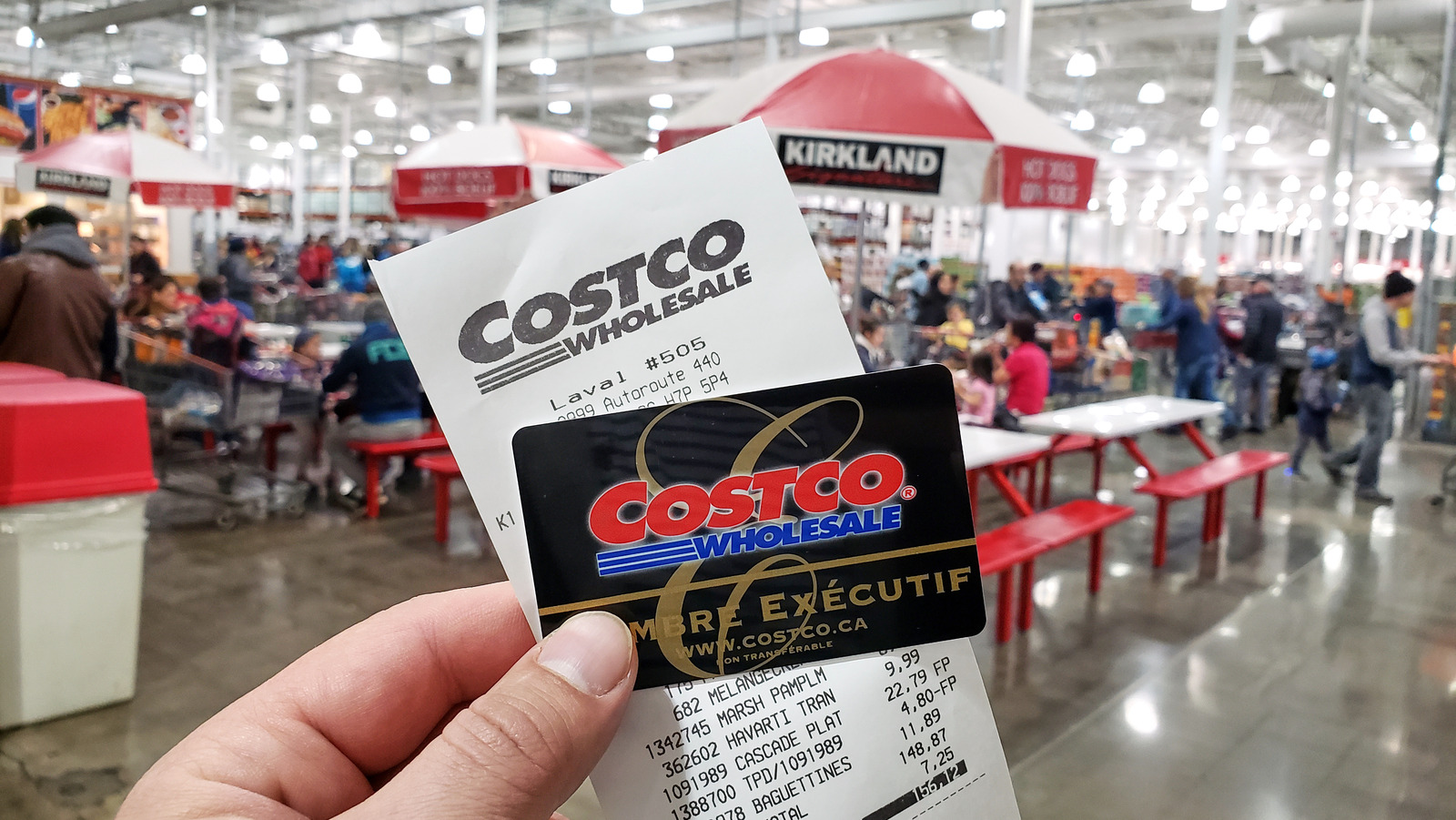
A Costco card is more than just a piece of plastic; it’s a key to a unique retail ecosystem designed around membership-based bulk purchasing and a range of ancillary financial services. From a personal finance perspective, understanding how this system operates is crucial for determining its value as a financial tool and maximizing the economic benefits it promises. At its core, a Costco card functions as proof of a paid membership, granting access to a warehouse club renowned for its competitive pricing on a vast array of products, from groceries and electronics to gasoline and even travel packages. The fundamental financial proposition is that the annual membership fee is an investment, offset by the potential savings and exclusive services accessible only to cardholders.
Understanding the Costco Membership Model
The entire Costco business model is predicated on its membership structure. Unlike traditional retailers that derive the bulk of their profits from markups on goods, a significant portion of Costco’s profitability stems directly from its membership fees. This operational strategy allows the company to operate with significantly lower margins on its products, passing substantial cost savings directly to its members.
The Core Value Proposition: Bulk Savings
Costco specializes in selling products in larger quantities, which translates into lower per-unit costs for consumers. This bulk-buying strategy is particularly appealing to families, small businesses, and individuals who have the storage capacity and desire to save money on frequently purchased items. The Costco card is the gateway to these wholesale prices, which are often considerably lower than those found in conventional supermarkets or big-box stores. This economic advantage is the primary draw for most members, positioning the card as a direct mechanism for reducing household or business expenses on essential goods.
The Annual Membership Fee: An Investment
Every Costco cardholder pays an annual fee, which varies based on the membership tier chosen. This fee should be viewed as an upfront investment, with the expectation that the savings generated through shopping at Costco will exceed this initial outlay. For many, the calculation is straightforward: if the money saved on groceries, household items, and fuel surpasses the membership cost, the card becomes a financially sound decision. Costco’s commitment to low prices and a curated selection of high-quality goods helps members realize this return on investment, making the membership fee a foundational element of its financial appeal.
Operational Efficiency and Cost Savings Passed to Members
Costco’s operational strategy is meticulously designed to minimize overhead and maximize efficiency, further enabling competitive pricing. This includes a streamlined inventory system, a focus on private-label brands like Kirkland Signature (which often rival national brands in quality but at a lower price point), and a no-frills warehouse aesthetic. These efficiencies directly translate into lower costs for the consumer. The Costco card, therefore, isn’t just about accessing products; it’s about benefiting from a highly optimized retail model that consistently seeks to reduce costs and, in turn, reduce prices for its members.
Types of Costco Memberships and Their Financial Implications
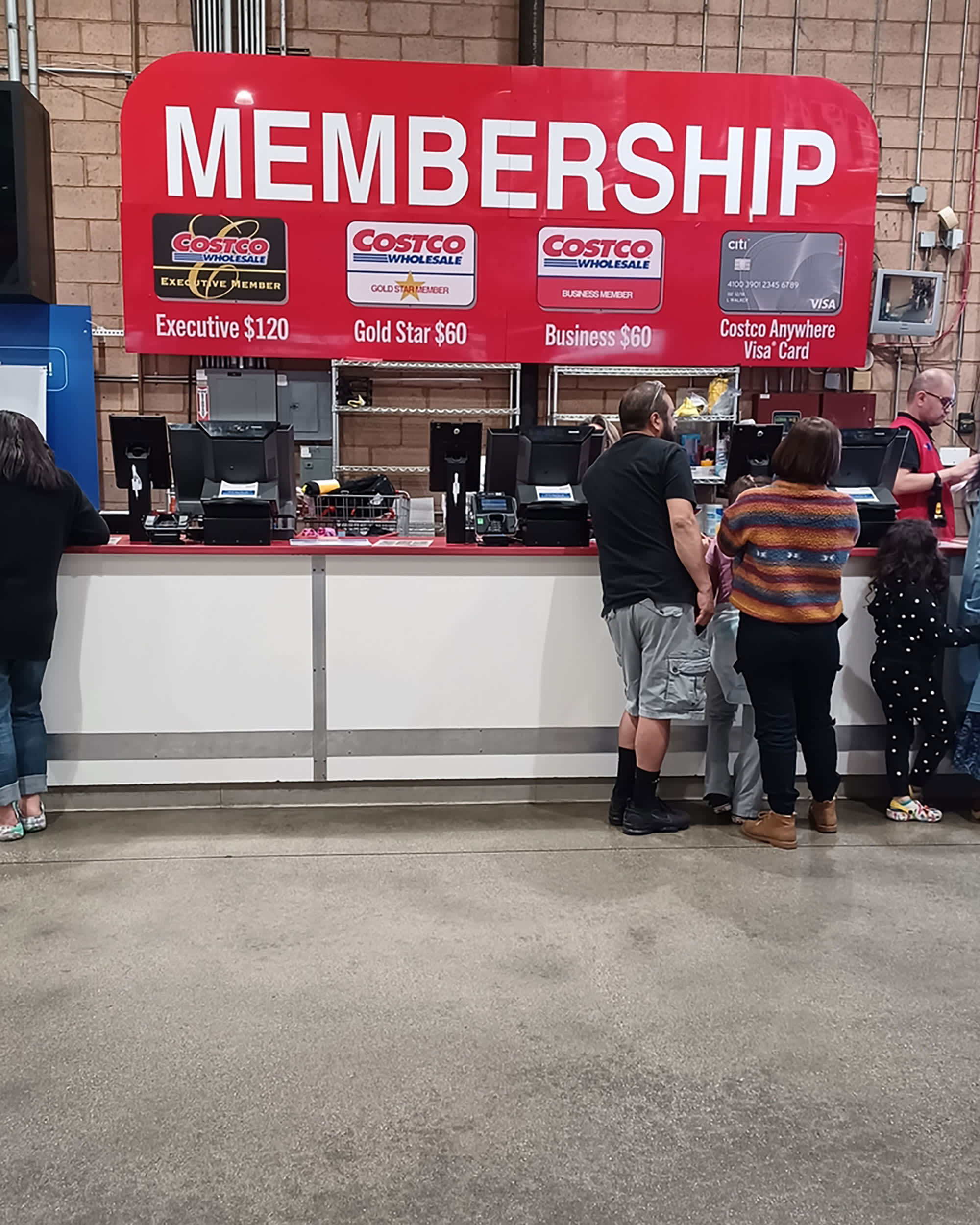
Costco offers different membership tiers, each designed to cater to distinct financial needs and shopping behaviors. Understanding the nuances of these options is crucial for optimizing the financial benefits derived from a Costco card.
Gold Star Membership: Personal Shoppers
The Gold Star Membership is the most common tier, primarily aimed at individual households. For a standard annual fee, Gold Star members gain access to all Costco warehouses worldwide and can shop on Costco.com. This tier is ideal for individuals or families looking to save money on groceries, household goods, and other personal items through bulk purchasing. From a financial planning perspective, this membership provides direct savings on everyday expenses, freeing up funds for other financial goals. The value is purely in the direct price reductions on goods and services, without additional rewards.
Business Membership: Commercial Advantages
Designed for business owners, the Business Membership offers all the privileges of the Gold Star membership, plus the ability to purchase products for resale and access certain business-specific services. Business members are typically required to provide proof of business ownership. The financial implication here is significant for entrepreneurs and small businesses, as it allows them to procure inventory, supplies, and equipment at wholesale prices, directly impacting their cost of goods sold and improving their profit margins. This membership effectively serves as a cost-cutting tool for business operations.
Executive Membership: Enhanced Rewards and Savings
The Executive Membership represents the highest tier and offers the most comprehensive financial benefits, albeit at a higher annual fee. The key financial advantage of this membership is an annual 2% cash back reward on eligible Costco and Costco.com purchases, up to a maximum. This reward is paid out annually, providing a tangible return on spending. For high-volume shoppers or businesses, the 2% reward can quickly offset the increased membership fee and then some, transforming the card into a genuine money-maker.
Beyond the 2% reward, Executive Members also receive enhanced benefits on various Costco Services, such as lower prices on specific insurance plans (auto, home, health) and travel packages. These supplementary benefits significantly amplify the financial value proposition, extending beyond mere product savings to encompass broader financial planning opportunities. Calculating whether the additional cost of an Executive Membership is financially sound requires an assessment of one’s anticipated annual spending at Costco; if the 2% reward exceeds the difference in fees between Gold Star and Executive, it’s a clear financial win.
Maximizing Financial Value from Your Costco Card

Possessing a Costco card is just the first step; actively employing strategies to leverage its full financial potential is where the real savings accumulate. It’s about smart shopping and being aware of the broader ecosystem of benefits.
Strategic Shopping: Bulk Buys and Price Comparisons
The most obvious way to maximize savings is through strategic bulk purchasing. Buying non-perishable goods, freezer-friendly items, and household staples in larger quantities often results in significant per-unit savings. However, smart members also engage in price comparisons. While Costco generally offers competitive prices, it’s not always the cheapest option for every item. Comparing Costco’s prices with those of other retailers, especially on sale items, ensures that every purchase made with your Costco card is truly delivering optimal financial value. Avoiding impulse buys of bulk items that might go to waste also prevents financial leakage.
Exclusive Member-Only Deals and Promotions
Costco regularly features “Instant Savings” and other member-only promotions, often highlighted in their coupon books or online. These limited-time offers can provide additional discounts on already competitive prices. Savvy members keep an eye on these promotions, planning their shopping trips around items that are particularly good deals. Combining these instant savings with the Executive Membership’s 2% reward can lead to substantial reductions in overall spending, making the Costco card a powerful tool for budget management.
Fuel Savings and Special Event Access
One of the consistently cited financial benefits of a Costco membership is access to their gas stations. Costco often offers some of the lowest fuel prices in the market, providing direct savings on a significant household expense. For regular drivers, the cumulative savings on gasoline alone can often cover a substantial portion, if not all, of the annual membership fee. Additionally, Costco hosts special events, such as roadshows featuring unique or limited-time products, and offers tickets to local attractions or entertainment at discounted rates, providing indirect financial benefits through enhanced experiences at reduced costs.
Beyond the Warehouse: Additional Financial Benefits and Services
The financial utility of a Costco card extends far beyond the aisles of its warehouses, encompassing a suite of services designed to offer members additional savings and convenience. These services can significantly enhance the overall financial return on a membership.
Travel and Rental Car Discounts
Costco Travel is a comprehensive service offering discounted rates on vacation packages, cruises, rental cars, and hotels. By leveraging its immense purchasing power, Costco negotiates exclusive deals for its members. For individuals and families who frequently travel, the savings on these services can be substantial, making the Costco card an invaluable financial tool for leisure and business trips. The ability to book entire vacation packages with competitive pricing adds significant financial value beyond everyday shopping.
Pharmacy and Optical Services: Direct Cost Savings
Costco pharmacies often provide prescription medications at prices that are competitive, if not lower, than many other pharmacies, even for non-members in some states (though non-members cannot purchase other Costco items). For members, filling prescriptions at Costco can lead to direct, tangible savings on healthcare costs. Similarly, Costco Optical offers eye exams and a wide selection of eyeglasses and contact lenses at often significantly reduced prices compared to private optical centers. For individuals requiring regular vision care or prescription medications, these services offer a clear financial advantage and can contribute substantially to healthcare budget management.
Business Services: Payment Processing, Health Insurance
For Business Members, Costco’s array of business services further amplifies the financial appeal of the card. These include discounted rates on payment processing solutions, payroll services, and even group health insurance plans through partners. These offerings are designed to help small to medium-sized businesses reduce operational costs, streamline financial management, and provide valuable benefits to their employees, all contributing to the bottom line. The Costco card, in this context, becomes an essential financial management tool for business owners.
Concierge Services and Extended Warranties
While not always direct cash savings, Costco’s concierge service and extended warranties offer indirect financial protection. The concierge service provides technical support and troubleshooting for electronics purchased at Costco, potentially saving members from costly repairs or replacements. Many electronics and appliances also come with a free second-year warranty (doubling the manufacturer’s warranty up to a certain limit), and members can purchase extended warranty plans at competitive rates. These services provide peace of mind and protect against unexpected expenses, thereby preserving personal or business capital.
Is a Costco Membership a Worthwhile Financial Investment?
The ultimate question for any potential or current member is whether a Costco card represents a worthwhile financial investment. The answer hinges on individual spending habits, lifestyle, and the ability to effectively utilize the membership’s full range of benefits.
Calculating Your Break-Even Point
To determine the financial viability of a Costco membership, individuals should calculate their personal “break-even point.” This involves estimating how much they anticipate saving by shopping at Costco (e.g., on groceries, gas, specific products) and comparing that against the annual membership fee. For Executive Members, this calculation also includes projecting the 2% cash back reward. If the projected savings and rewards comfortably exceed the fee, the membership is financially justified. It requires a realistic assessment of shopping frequency and the types of products typically purchased.
Assessing Lifestyle and Spending Habits
A Costco membership is most financially beneficial for those whose lifestyles naturally align with bulk purchasing and who can utilize the broad spectrum of services offered. Large families, individuals with significant storage space, small business owners, and those who frequently travel or have high fuel consumption are often the best candidates. Conversely, single individuals with limited storage or those who prefer to shop for smaller quantities more frequently might find it challenging to recoup the membership fee, unless they leverage the non-shopping benefits significantly. The financial benefits are proportional to how deeply integrated Costco becomes into one’s financial strategy.
The Long-Term Financial Perspective
Viewing a Costco card as a long-term financial tool can reveal its true value. Consistent savings on everyday essentials, coupled with discounts on major purchases, travel, and ancillary services, can add up to substantial financial gains over time. Beyond direct savings, the card promotes a disciplined approach to spending, often encouraging planned purchases and discouraging impulse buys of smaller, more expensive quantities. For many, the Costco card transcends a simple retail access pass, evolving into a strategic component of their personal or business financial management strategy, offering a pathway to consistent savings and enhanced purchasing power.
aViewFromTheCave is a participant in the Amazon Services LLC Associates Program, an affiliate advertising program designed to provide a means for sites to earn advertising fees by advertising and linking to Amazon.com. Amazon, the Amazon logo, AmazonSupply, and the AmazonSupply logo are trademarks of Amazon.com, Inc. or its affiliates. As an Amazon Associate we earn affiliate commissions from qualifying purchases.