
For decades, the car battery was a humble, lead-acid box hidden under the hood, often forgotten until the moment a vehicle failed to start on a cold morning. However, in the current landscape of automotive technology, the car battery has evolved into a sophisticated component of a complex digital ecosystem. Understanding car battery voltage is no longer just a task for mechanics; it is essential knowledge for any tech-savvy vehicle owner who relies on a suite of integrated sensors, infotainment systems, and autonomous driving aids.
Voltage is the “electrical pressure” that drives energy through a vehicle’s systems. As cars transition from mechanical machines to computers on wheels, the precision of this voltage becomes the difference between a high-performing machine and a system-wide digital failure.
Decoding the Volts: The Fundamental Tech Behind the Battery
To understand the technical nuances of a car battery, one must first look past the “12V” label printed on the casing. In the world of electrical engineering, “12 volts” is a nominal term—a simplified classification rather than a constant state of performance.
Nominal vs. Actual Voltage: Why 12V Isn’t Really 12V
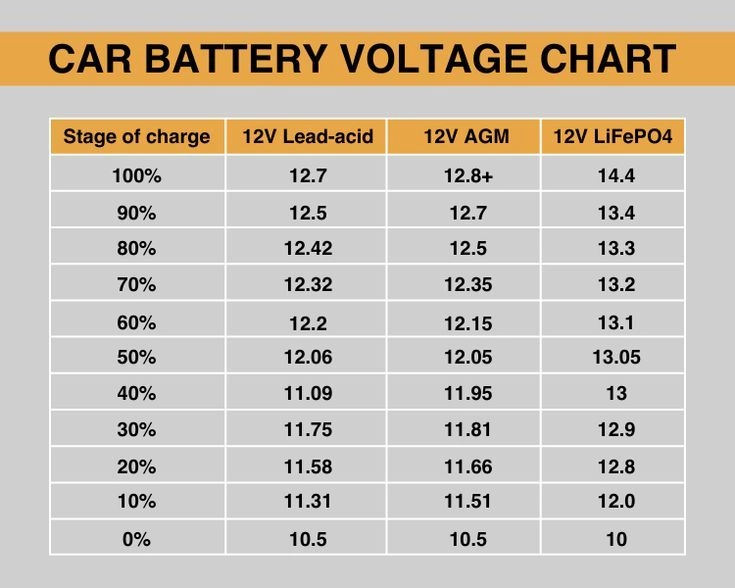
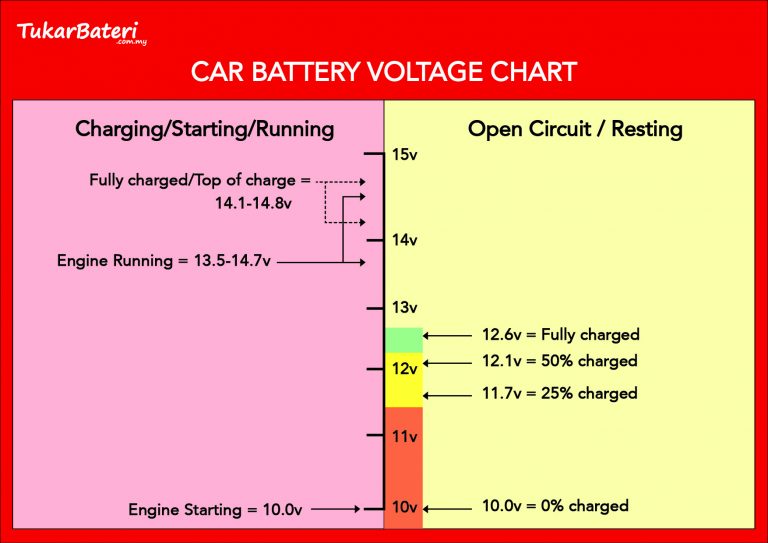
A healthy, fully charged automotive battery should actually read approximately 12.6 volts when the engine is off. This is because a standard lead-acid battery is comprised of six individual cells, each contributing roughly 2.1 volts. When a technician or a smart diagnostic tool reads a battery at exactly 12.0 volts, the battery is actually at a 25% state of charge, which is often insufficient to provide the high amperage required to turn over a modern high-compression engine.
When the engine is running, the technical requirements shift. The alternator takes over, providing a “charging voltage” that typically ranges between 13.7 and 14.7 volts. This higher pressure is necessary to overcome the internal resistance of the battery and “push” energy back into the cells, while simultaneously powering the vehicle’s myriad electronic control units (ECUs).
The Chemistry of Charge: Lead-Acid vs. Lithium-Ion Technology
While the traditional Flooded Lead-Acid (FLA) battery remains common, technology trends have pushed the industry toward Absorbent Glass Mat (AGM) and Lithium-Ion (LiFePO4) variants. AGM batteries are engineered with a thin fiberglass mat that soaks up the sulfuric acid, making them more resistant to vibration and capable of delivering higher bursts of voltage for start-stop technology.
Lithium-ion batteries, once reserved for high-end consumer electronics and EVs, are now appearing as starter batteries in performance vehicles. The tech advantage here is immense: they maintain a more stable voltage curve throughout their discharge cycle and can be charged significantly faster than lead-acid counterparts. For the tech-focused consumer, understanding these chemical differences is vital for optimizing vehicle weight and electronic reliability.
Monitoring and Maintenance: The Role of Digital Diagnostics
In the past, checking a battery required a physical hydrometer to test the acidity of the fluid. Today, the process is almost entirely digital, driven by sophisticated software and hardware interfaces that provide real-time data on battery health.
Smart Sensors and Integrated Battery Management Systems (BMS)
Modern vehicles are equipped with an Intelligent Battery Sensor (IBS) usually located on the negative terminal. This sensor is a sophisticated piece of hardware that monitors voltage, current, and temperature with high precision. This data is fed into the Battery Management System (BMS), which uses proprietary algorithms to calculate the “State of Health” (SoH) and “State of Charge” (SoC).
The BMS is the brain of the electrical system. It can proactively shut down non-essential electronics—such as heated seats or ambient lighting—if it detects that the voltage is dropping below a critical threshold. This prevents a complete discharge that could damage the battery’s internal chemistry or leave the driver stranded.
App-Enabled Monitoring: Keeping Tabs on Your Voltage Remotely
The Internet of Things (IoT) has revolutionized how we interact with car batteries. Many modern vehicles come with manufacturer-specific apps (like Tesla’s app, FordPass, or MyBMW) that allow owners to check their battery voltage and health from their smartphones.
For older vehicles or DIY enthusiasts, Bluetooth-enabled battery monitors can be installed directly onto the battery terminals. These gadgets sync with a mobile app to provide a live graph of voltage fluctuations. This level of technical oversight allows users to spot a failing alternator or a parasitic drain before it becomes a catastrophic failure, turning preventative maintenance into a data-driven science.
Voltage Fluctuations: Troubleshooting Technical Failures
Because modern cars are essentially rolling networks of computers, they are incredibly sensitive to voltage “noise” and fluctuations. A minor drop in voltage that might not have affected a car from the 1990s can cause a modern vehicle to throw dozens of error codes, disabling features like ABS, power steering, or lane-keep assist.
Parasitic Draw and Modern Gadgets: The Silent Battery Killers
One of the most common technical issues in modern vehicles is “parasitic draw.” This occurs when electronic components continue to pull current even when the car is turned off. While a certain amount of draw is normal to keep the clock and security systems running, the addition of aftermarket tech—such as dashcams with “parking mode,” high-fidelity audio amplifiers, or plug-in OBD-II tracking devices—can rapidly deplete voltage.
A dashcam that lacks a low-voltage cutoff can pull a battery down to 11.8V overnight. While the car might still start, the low voltage puts immense strain on the plates within the battery, leading to sulfation and a significantly shortened lifespan. Understanding the voltage requirements of your gadgets is a prerequisite for any modern car enthusiast.
The Alternator Interface: How Software Regulates Your Power
The relationship between the battery and the alternator is no longer a simple mechanical one. In many modern cars, the engine’s computer (ECU) controls the alternator’s output based on driving conditions. This is known as “Smart Charging.”
For example, during heavy acceleration, the ECU might reduce the alternator’s voltage output to reduce the mechanical load on the engine, providing more horsepower to the wheels. Conversely, during braking (regenerative braking in some hybrids), the system spikes the voltage to capture “free” energy. If the battery is replaced without “registering” it to the car’s software, the ECU may continue to charge the new battery at the aggressive rates meant for the old, degraded one, leading to premature failure.
Future-Proofing Power: The Transition to 48V Systems and Beyond
As we look toward the future of automotive technology, the standard 12V system is reaching its physical limits. The sheer volume of tech integrated into modern vehicles—from AI-driven autonomous sensors to active electromagnetic suspensions—requires more power than a traditional 12V battery can efficiently provide.
Why 12 Volts Are No Longer Enough for Modern AI Features
The industry is currently in the midst of a transition to 48V “Mild Hybrid” systems. The technical reasoning is simple: P = IV (Power = Voltage x Current). To get more power (Watts) out of a 12V system, you have to increase the current (Amps). High current requires thick, heavy, and expensive copper wiring. By quadrupling the voltage to 48V, manufacturers can deliver the same amount of power with much thinner wiring and less heat loss.
This 48V architecture allows for high-tech features that were previously impossible, such as e-turbochargers that eliminate turbo lag and sophisticated climate control systems that run at full capacity even when the engine is off.
The Rise of High-Voltage Architecture in EVs
In the realm of Electric Vehicles (EVs), the conversation shifts from 12V or 48V to 400V or even 800V architectures. While these cars still utilize a 12V battery to run the lights and computers (for safety reasons), the primary propulsion voltage is massive.
The move to 800V systems, seen in cars like the Porsche Taycan and the Hyundai IONIQ 5, represents the current peak of automotive electrical tech. Higher voltage allows for ultra-fast charging—taking a battery from 10% to 80% in under 20 minutes—and improves the efficiency of the power electronics. As consumers, understanding these voltage tiers is essential for evaluating the performance and future-proofing of a potential vehicle purchase.

Conclusion
Car battery voltage is far more than a simple metric; it is the heartbeat of the modern vehicle’s technological infrastructure. From the chemical reactions within the cells to the sophisticated algorithms of the Battery Management System, voltage dictates the reliability, performance, and safety of our transport.
As we move further into a world of software-defined vehicles and high-voltage electric drivetrains, staying informed about these technical specifications is paramount. Whether you are troubleshooting a parasitic drain from a new gadget or weighing the benefits of a 48V mild-hybrid system, a deep understanding of voltage ensures you remain in control of the technology that moves you.
aViewFromTheCave is a participant in the Amazon Services LLC Associates Program, an affiliate advertising program designed to provide a means for sites to earn advertising fees by advertising and linking to Amazon.com. Amazon, the Amazon logo, AmazonSupply, and the AmazonSupply logo are trademarks of Amazon.com, Inc. or its affiliates. As an Amazon Associate we earn affiliate commissions from qualifying purchases.