
In the rapidly evolving landscape of hardware engineering, robotics, and digital manufacturing, the difference between a successful prototype and a costly failure often comes down to a fraction of a millimeter. While high-tech sensors and AI-driven automation dominate the headlines, the humble caliper remains the bedrock of physical precision. Whether you are a mechanical engineer designing a custom enclosure for a new IoT device or a 3D printing enthusiast calibrating a stepper motor, understanding what a caliper is used for is fundamental to mastering the intersection of the physical and digital worlds.
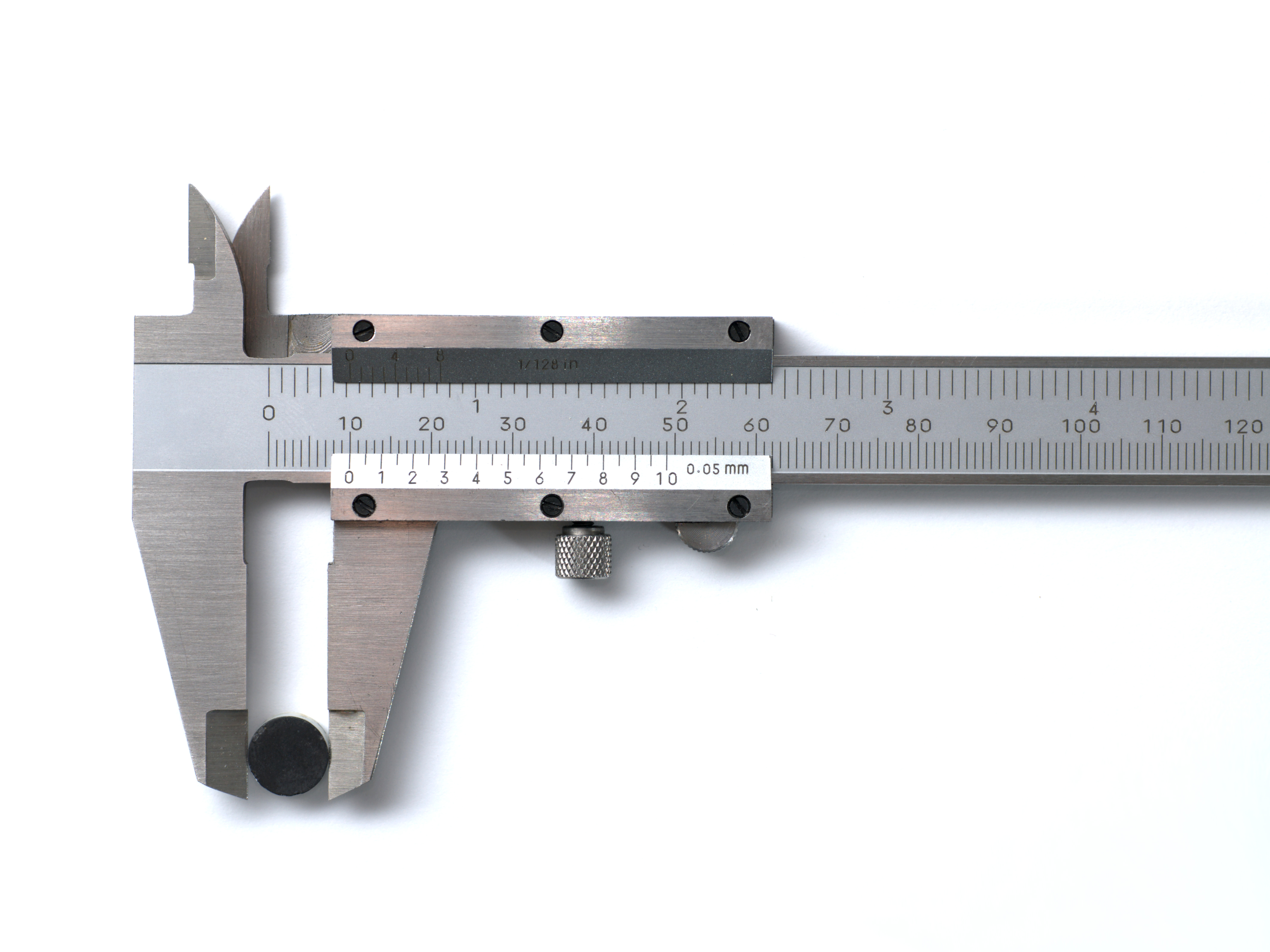
A caliper is a precision instrument designed to measure the distance between two opposing sides of an object. In the context of modern technology, it serves as the primary bridge between a physical object and its digital twin in Computer-Aided Design (CAD) software. As we move further into the era of rapid prototyping and personalized hardware, the caliper has evolved from a simple sliding scale into a high-precision digital tool capable of data output and sub-micron accuracy.
The Evolution of Measurement: From Analog to Digital Tech
To understand the role of the caliper in contemporary tech, one must first understand its evolution. Measurement technology has transitioned from manual estimation to high-speed digital feedback, and the caliper has mirrored this journey.
Understanding the Vernier Caliper
The Vernier caliper, named after its inventor Pierre Vernier, was the gold standard for decades. It uses a sliding scale that allows for much more precise readings than a standard ruler. In a tech setting, Vernier calipers are prized for their reliability—they require no batteries and are immune to electromagnetic interference. Engineers often keep a manual Vernier in their toolkit as a “failsafe” to verify digital readings in high-interference environments like server rooms or industrial floors.
The Rise of Digital Calipers in Modern Labs
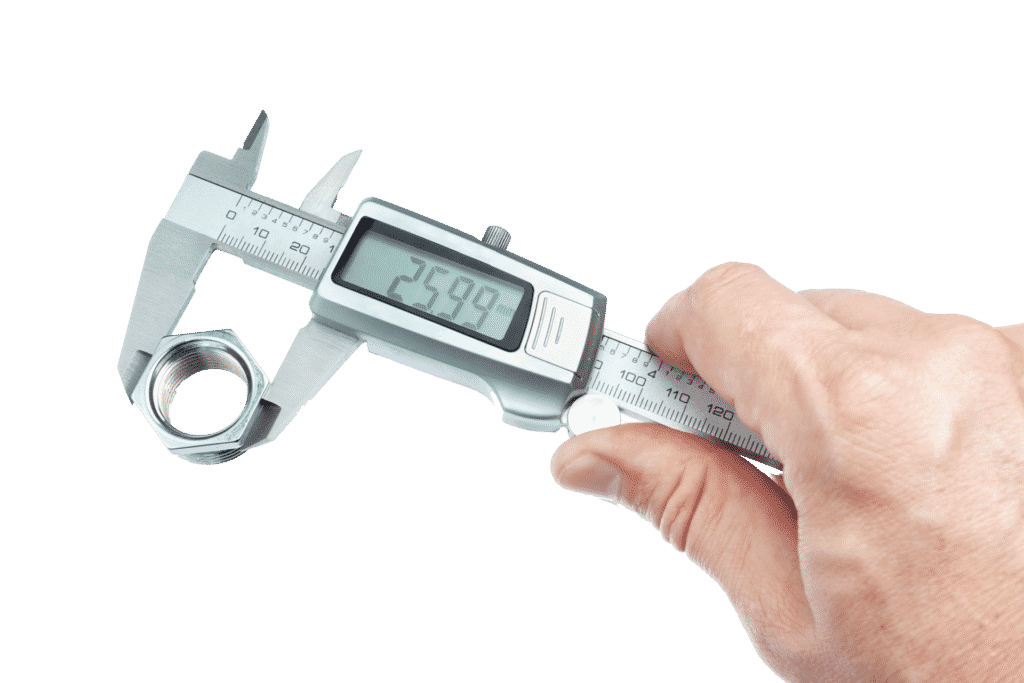
Digital calipers are the most common iteration found in modern tech labs. These devices use capacitive sensors to track the movement of the slider, displaying the measurement on an LCD screen. For a tech professional, the digital caliper offers two distinct advantages: speed and the ability to toggle between metric and imperial units instantly. Modern digital units also feature “Zero” buttons, allowing for incremental measurements, which are essential when measuring the distance between two points relative to a specific datum.
Dial Calipers: The Bridge Between Eras
Dial calipers utilize a rack-and-pinion mechanism to move a needle around a circular dial. While less common in pure digital hardware circles, they remain popular in precision machining for tech components. They offer a tactile feedback that digital screens cannot replicate, allowing a technician to “feel” the tolerances of a mechanical part as they move the jaws.
Critical Applications in Hardware Engineering and Prototyping
In the tech industry, “close enough” is rarely sufficient. Precision measurement is the heartbeat of hardware development, ensuring that components from different manufacturers fit together seamlessly.
3D Printing and Additive Manufacturing
If you are involved in 3D printing (FDM, SLA, or SLS), a caliper is your most important tool after the printer itself. It is used to calibrate “e-steps”—ensuring the printer extrudes the exact amount of filament required. Furthermore, when a print is finished, a caliper is used to verify “dimensional accuracy.” If a 20mm calibration cube measures 20.2mm, the caliper provides the data needed to adjust the flow rate or scale factors in the slicing software.
PCB Design and Component Tolerances
When designing Printed Circuit Boards (PCBs), engineers must create “footprints” for components like capacitors, microchips, and connectors. While datasheets provide theoretical dimensions, physical samples often vary. A caliper is used to measure the pitch between pins or the height of a component to ensure it fits within a specific enclosure. This is particularly vital in “small-form-factor” tech, such as wearables, where every tenth of a millimeter of space is accounted for.
Robotics and Mechanical Assembly
In robotics, precision is tied to movement. If a gear is slightly off-center or a belt is not perfectly aligned, the robot’s “End Effector” will miss its mark. Calipers are used to measure the diameters of shafts, the inner bores of bearings, and the tension of drive systems. In the world of competitive robotics or industrial automation, the caliper ensures that the mechanical “body” can execute the commands of the AI “brain” with absolute fidelity.
How to Use a Caliper Like a Pro: A Technical Tutorial
Using a caliper is simple in theory but requires a specific technique to ensure accuracy in a professional tech environment. Misuse can lead to “parallax error” or “deflection,” resulting in incorrect data.
Measuring Outside Diameters (OD)
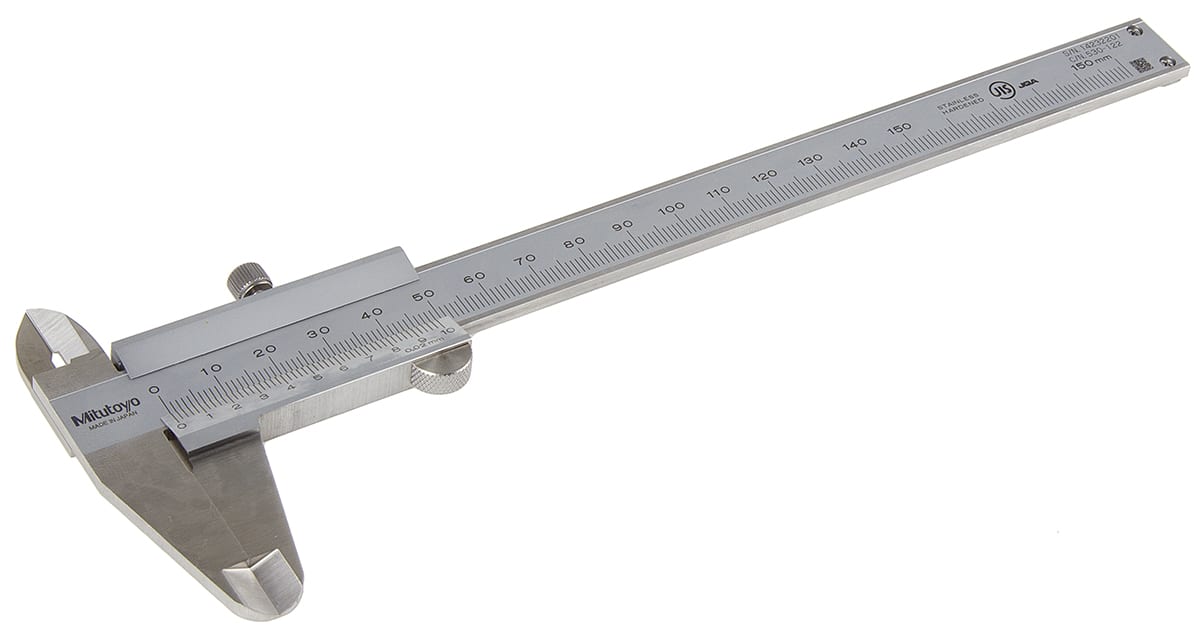
The large external jaws are used for measuring the thickness of an object or the outside diameter of a cylinder. To get an accurate reading, the object should be placed as deep into the jaws as possible (closest to the beam). This minimizes the risk of the jaws flexing, a common issue with cheaper carbon-fiber calipers. In tech manufacturing, this is used to verify the thickness of aluminum smartphone frames or the diameter of cooling fan housings.
Measuring Inside Diameters (ID)
The smaller, top-mounted jaws are designed for internal measurements. This is critical when measuring the inside of a port (like a USB-C housing) or a mounting hole. When using these jaws, it is important to ensure they are perfectly perpendicular to the opening to avoid an undersized reading.
Depth and Step Measurements
Most high-quality calipers feature a depth rod that extends from the bottom of the beam. This is used to measure the depth of a hole or a recessed slot. Additionally, the “head” of the caliper can be used for “step measurements”—measuring the distance between two parallel planes that are offset from each other. This is an overlooked feature that is incredibly useful when measuring the offset of a sensor mounted inside a casing.
Calibrating for Zero-Error Accuracy
Before any measurement session, a tech professional must “zero” the instrument. For digital calipers, this involves closing the jaws completely and pressing the zero button. However, it also involves checking for light gaps between the jaws; if light shines through when they are closed, there may be debris or a burr on the metal, which will throw off every subsequent measurement.
Choosing the Right Caliper for Your Tech Stack
Not all calipers are created equal. The choice of tool depends on the environment and the required precision of the project.
Material Matters: Stainless Steel vs. Carbon Fiber
For serious tech work, hardened stainless steel is the standard. It resists wear and maintains its shape over time. Carbon fiber or plastic calipers are cheaper and non-conductive, which can be useful when working around live circuitry, but they lack the rigidity needed for high-precision engineering. If you are measuring a component for a satellite or a high-performance server, steel is non-negotiable.
Data Output and Smart Integration
The most significant trend in “Measurement Tech” is the integration of calipers with data systems. High-end digital calipers (such as those from Mitutoyo or Sylvac) feature data output ports (SPC). These allow the caliper to be plugged directly into a computer. With a press of a button, the measurement is sent to an Excel sheet or a Quality Control software. This eliminates human transcription errors—a vital feature in mass production or rigorous scientific research.
IP Ratings and Environmental Durability
In a lab, a standard digital caliper is fine. However, in a manufacturing “maker space” or a tech repair shop where there might be coolant, oil, or dust, you need a caliper with an Ingress Protection (IP) rating. An IP67-rated caliper is dust-tight and can withstand immersion in water, ensuring the sensitive capacitive sensors aren’t damaged by the environment.
The Future of Precision: Beyond the Handheld Caliper
While the manual caliper is an essential gadget, the tech world is moving toward even more integrated measurement solutions. We are seeing the rise of “Smart Calipers” that connect via Bluetooth to mobile apps, allowing for real-time tracking of manufacturing tolerances.
Furthermore, in high-end tech facilities, handheld calipers are being supplemented by 3D laser scanners and Automated Optical Inspection (AOI) systems. These tools can measure thousands of points per second, creating a high-resolution 3D cloud of an object. However, even in these advanced environments, the caliper remains the “sanity check.” It is the portable, reliable tool that an engineer reaches for to verify a single critical dimension on the fly.
Conclusion: The Precision Mindset
What is a caliper used for? In the broadest sense, it is used to enforce reality upon design. In the world of technology, where we often live in the theoretical space of software and code, the caliper reminds us that physical constraints are absolute.
From the DIY hobbyist building their first drone to the lead engineer at a Silicon Valley hardware firm, the caliper is more than just a ruler with jaws; it is an instrument of quality, a guardian of compatibility, and a fundamental pillar of the modern technological workflow. By mastering this tool, you ensure that your physical creations are as precise, reliable, and sophisticated as the digital logic that drives them.
aViewFromTheCave is a participant in the Amazon Services LLC Associates Program, an affiliate advertising program designed to provide a means for sites to earn advertising fees by advertising and linking to Amazon.com. Amazon, the Amazon logo, AmazonSupply, and the AmazonSupply logo are trademarks of Amazon.com, Inc. or its affiliates. As an Amazon Associate we earn affiliate commissions from qualifying purchases.