
In the rapidly evolving landscape of personal wellness technology, few devices have undergone as significant a technological transformation as the bullet vibrator, commonly referred to as a “bullet vibe.” While once relegated to the fringes of the gadget world, these devices now represent a sophisticated intersection of mechanical engineering, material science, and haptic feedback technology. Today, a bullet vibe is far more than a simple novelty; it is a precision-engineered tool designed to deliver high-frequency mechanical oscillations within a miniature, ergonomic form factor.
The modern bullet vibe serves as a prime example of “micro-tech” integration. As consumers demand more power, longer battery life, and quieter operation, manufacturers have been forced to innovate, pushing the boundaries of what is possible within a chassis that is often no larger than a standard AA battery. This article explores the technical architecture, digital innovations, and manufacturing standards that define the modern bullet vibe in the current tech ecosystem.
The Anatomy of a Bullet Vibrator: Engineering for Compact Performance
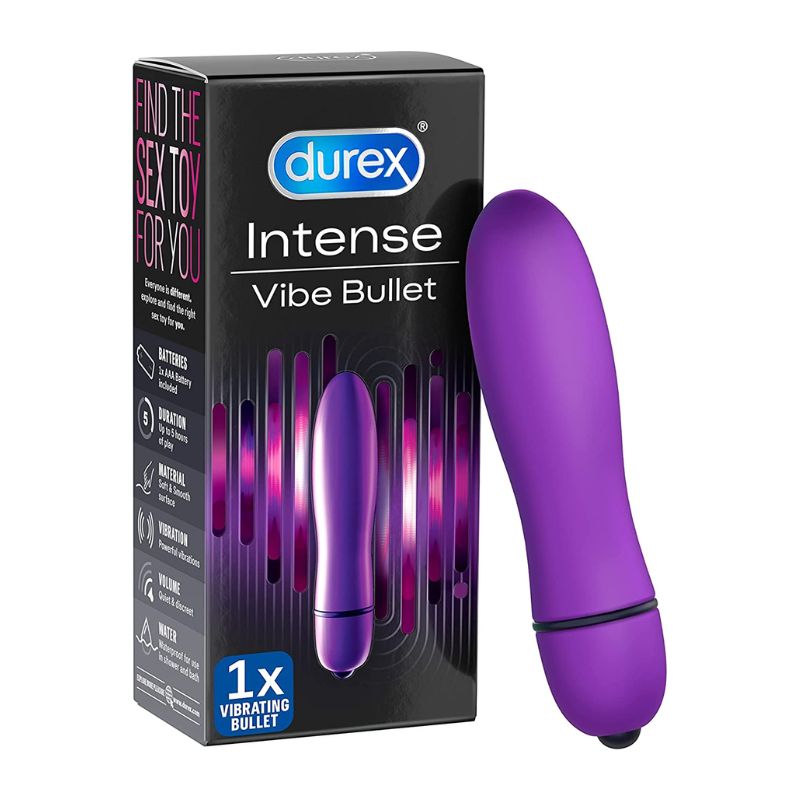
At its core, a bullet vibe is a masterclass in spatial efficiency. To understand what a bullet vibe is from a technical perspective, one must look at the internal components that allow a device of such small stature to produce significant kinetic energy.
Micro-Motor Technology and RPM Cycles
The heart of any bullet vibe is its motor. Most contemporary devices utilize an Eccentric Rotating Mass (ERM) motor. These micro-motors function by spinning an unbalanced weight at high speeds. The resulting centrifugal force creates the characteristic vibration. In high-end bullet vibes, these motors are calibrated to reach specific Revolutions Per Minute (RPM), often ranging from 5,000 to over 12,000 RPM. Engineers must balance the torque of the motor against the power draw, ensuring that the device can maintain consistent oscillation patterns without overheating the internal circuitry.
Material Science: Medical-Grade Silicone and Biocompatibility
The exterior housing of a bullet vibe is as critical as the motor itself. The industry has shifted away from porous plastics toward non-porous, medical-grade silicone and high-impact ABS plastic. From a tech standpoint, the challenge lies in “over-molding”—a process where the silicone is seamlessly bonded to the internal frame to ensure there are no seams where bacteria can gather. Furthermore, the material must be engineered to conduct vibration efficiently; if the silicone is too soft, it dampens the haptic feedback, whereas if it is too hard, it may cause mechanical resonance that results in excessive noise.
Power Management and Lithium-Ion Integration
The transition from disposable alkaline batteries to integrated Lithium-ion (Li-ion) cells has revolutionized the form factor of the bullet vibe. By using rechargeable technology, designers can create hermetically sealed units that are both more powerful and more environmentally sustainable. Advanced power management systems (PMS) are now standard, preventing overcharging and managing the discharge rate to ensure the motor receives a steady voltage, which prevents the “fading” sensation often associated with older battery technologies.
The Evolution of Haptic Feedback: Beyond Simple Oscillation
In the world of tech, “haptics” refers to the use of tactile sensations to communicate with the user. While a smartphone uses haptics for notifications, a bullet vibe uses them as its primary function. The sophistication of these vibrations has evolved from simple “on/off” states to complex digital patterns.
Digital Interface Design and User Controls
Modern bullet vibes are controlled by sophisticated Microcontroller Units (MCUs). These chips allow for the programming of various “vibration profiles.” Instead of a constant drone, users can cycle through pulse waves, crescendo patterns, and randomized sequences. The user interface (UI) usually consists of tactile buttons with LED feedback or, in some high-tech models, touch-sensitive capacitive sensors that respond to pressure or skin contact, adjusting the intensity of the motor based on real-time feedback.
Integrated Circuitry and Noise Suppression
One of the primary engineering hurdles in developing a high-quality bullet vibe is noise suppression. A high-RPM motor naturally produces acoustic noise. To solve this, tech developers use internal dampening gaskets and precision-aligned motor mounts to decouple the motor’s sound from the device’s external shell. The goal is to maximize “rumbly” low-frequency vibrations while minimizing the high-pitched “buzzy” sounds that indicate mechanical inefficiency or poor acoustic insulation.
Kinetic Energy Transfer
The efficiency of a bullet vibe is measured by its kinetic energy transfer. Engineers use Finite Element Analysis (FEA) software to simulate how vibrations travel from the internal motor through the device’s shell. By optimizing the internal geometry, manufacturers can ensure that the maximum amount of energy is directed toward the tip of the device, where it is most effective, rather than being lost as heat or internal friction.
Smart Integration: The Rise of App-Enabled Connectivity
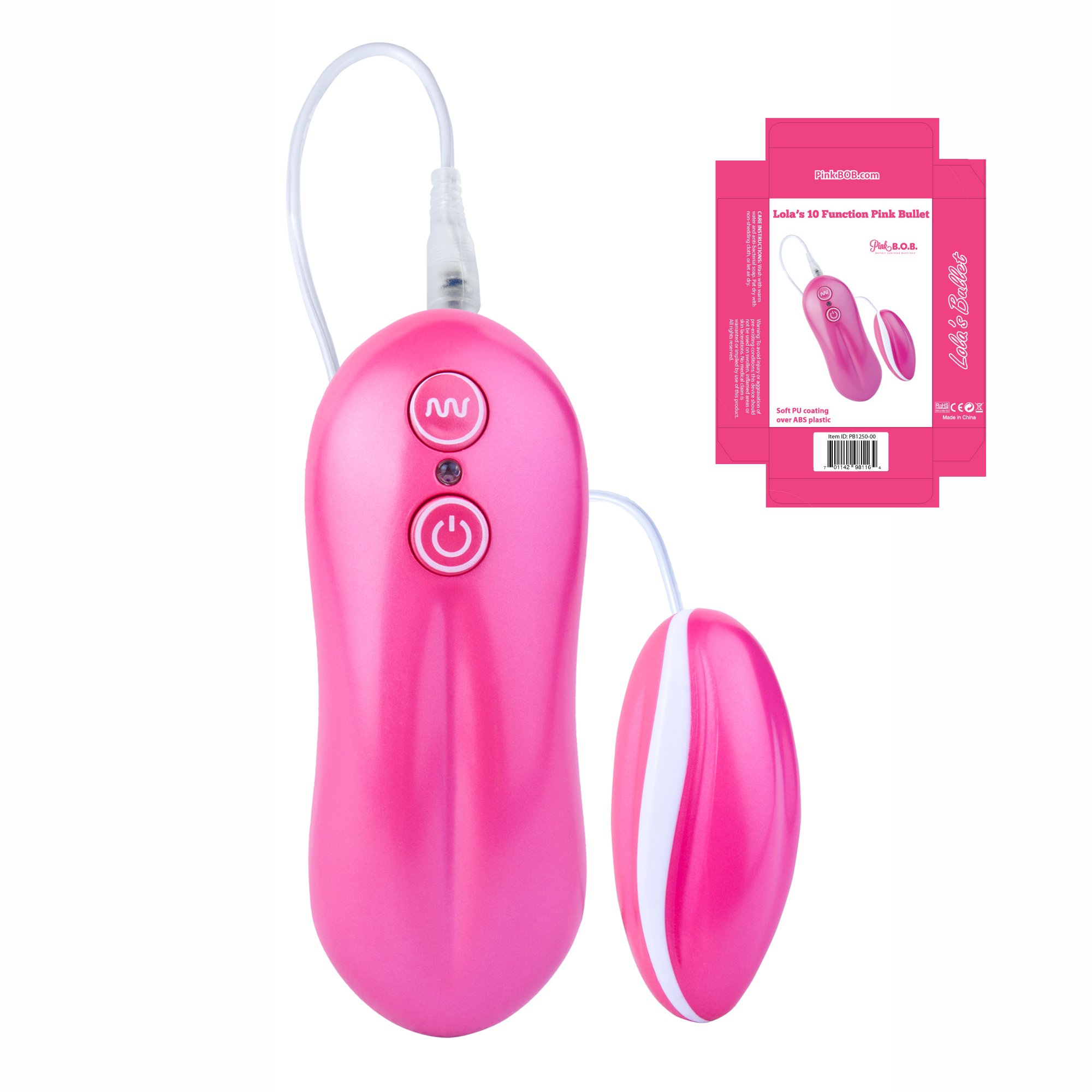
As we move further into the era of the Internet of Things (IoT), the bullet vibe has embraced the “Connected Health” movement. This shift has turned the device from a standalone gadget into a peripheral for smartphones and wearable tech.
Bluetooth Low Energy (BLE) and Privacy Encryption
Many modern bullet vibes feature Bluetooth Low Energy (BLE) modules. This allows the device to be paired with a dedicated mobile application. From a software perspective, this introduces a new layer of complexity: data security. Professional-grade wellness tech companies now utilize end-to-end encryption to ensure that the communication between the app and the hardware is secure. This is a critical aspect of “Teledildonics”—the technology of remote-controlled haptic devices—where latency must be kept at a minimum to ensure a responsive user experience.
AI and Bio-feedback Integration
The cutting edge of bullet vibe technology involves the use of sensors to provide bio-feedback. Some devices are now equipped with pressure sensors or accelerometers that track usage data. When paired with AI-driven apps, these devices can “learn” a user’s preferences over time, automatically adjusting vibration patterns and intensities to match the user’s physiological responses. This level of personalization represents a significant leap forward in human-machine interaction within the wellness sector.
Software Ecosystems and Open APIs
To foster innovation, some hardware manufacturers have released open APIs (Application Programming Interfaces). This allows third-party developers to create custom software for existing bullet vibe hardware. We see this in the gaming industry, where haptic devices are synchronized with virtual reality (VR) environments or audiovisual content, creating a multi-sensory digital experience that extends beyond the physical device itself.
Manufacturing and Quality Assurance Standards
Because bullet vibes are classified as personal wellness gadgets, they are subject to rigorous manufacturing standards that align with other consumer electronics, such as electric toothbrushes or smartwatches.
IPX Rating and Waterproof Testing
Waterproofing is a standard requirement for modern bullet vibes. Most high-quality devices aim for an IPX7 rating, meaning they can be submerged in up to one meter of water for 30 minutes. Achieving this requires precision engineering of the charging ports. Many brands have moved away from traditional “plug-in” jacks in favor of magnetic charging pins or induction charging, which eliminates the need for an opening in the device’s chassis, thereby enhancing its structural integrity and lifespan.
Battery Longevity and Sustainability in E-Waste
As with all gadgets containing Lithium-ion batteries, sustainability is a growing concern in the tech industry. Responsible manufacturers are now focusing on the longevity of the cells and the “repairability” of the devices. While the sealed nature of waterproof bullet vibes makes them difficult to repair, the industry is moving toward more modular designs and recycling programs to mitigate the impact of e-waste. High-quality circuitry ensures that the battery can undergo hundreds of charge cycles without significant degradation, extending the product’s lifecycle.
Compliance and Certifications
Finally, a professional-grade bullet vibe must meet global electronic standards. This includes CE marking (for European health, safety, and environmental protection standards), RoHS compliance (Restriction of Hazardous Substances), and FCC certification for wireless communication. These certifications ensure that the electromagnetic interference (EMI) produced by the motor does not interfere with other household electronics and that the device is safe for long-term use.
Conclusion: The Future of Micro-Haptic Gadgetry
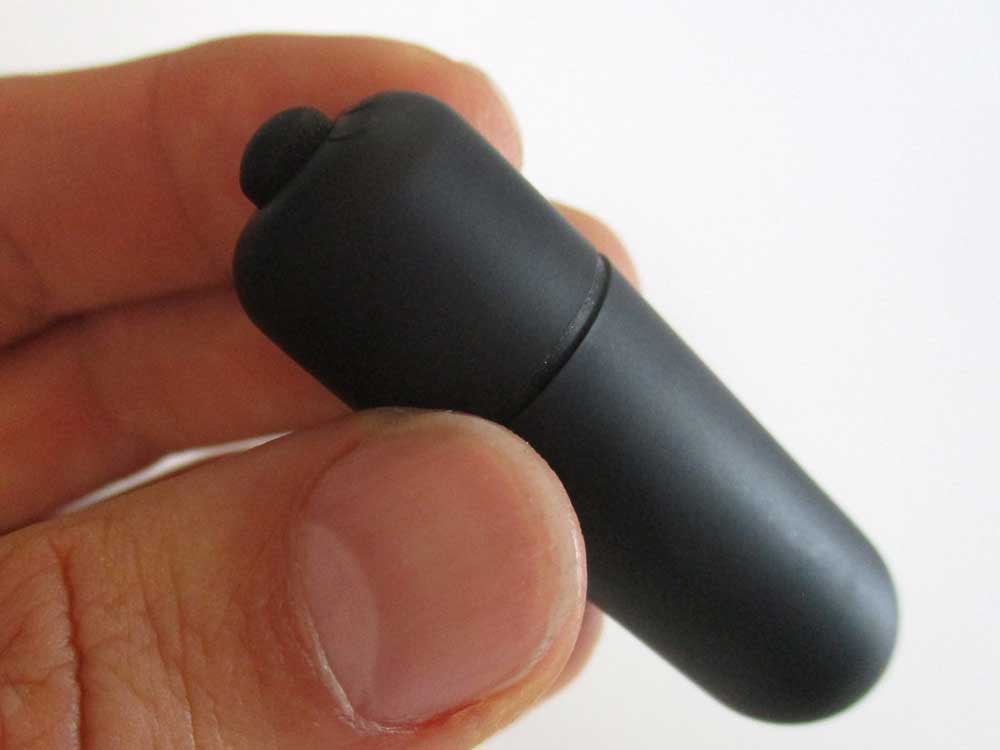
The question of “what is a bullet vibe” is best answered by looking at the trajectory of miniaturized consumer electronics. It is a device that embodies the current trends in tech: the miniaturization of hardware, the sophistication of haptic software, and the integration of smart, connected features.
As we look toward the future, we can expect bullet vibes to become even more integrated with our digital lives. We may see the introduction of haptic motors that utilize “Voice Coil Actuators” (VCAs) for even more precise texture simulation, or the use of biodegradable materials to address environmental concerns. Regardless of the specific innovations, the bullet vibe will remain a key player in the “FemTech” and wellness tech sectors, proving that even the smallest gadgets can be home to some of the most impressive engineering in the modern world. For the tech-savvy consumer, understanding the specifications—from RPM and BLE encryption to IPX ratings—is essential for navigating this increasingly sophisticated market.
aViewFromTheCave is a participant in the Amazon Services LLC Associates Program, an affiliate advertising program designed to provide a means for sites to earn advertising fees by advertising and linking to Amazon.com. Amazon, the Amazon logo, AmazonSupply, and the AmazonSupply logo are trademarks of Amazon.com, Inc. or its affiliates. As an Amazon Associate we earn affiliate commissions from qualifying purchases.