
A branded title in Utah, often a source of confusion and concern for both buyers and sellers, represents a vehicle’s history of significant damage, theft, or other noteworthy events that impact its market value and usability. Unlike a “clean” title, which indicates a vehicle with no reported major issues, a branded title serves as a permanent mark on a vehicle’s record, signaling potential risks and financial considerations. Understanding what constitutes a branded title in Utah and its financial ramifications is crucial for anyone involved in the state’s automotive market.
Understanding Branded Titles and Their Origins
In Utah, as in most states, vehicle titles are categorized to inform prospective owners about a car’s past. A branded title is essentially a disclosure mechanism, alerting future buyers to specific adverse events in a vehicle’s life that could affect its safety, reliability, and most significantly, its financial value.

Defining a Branded Title
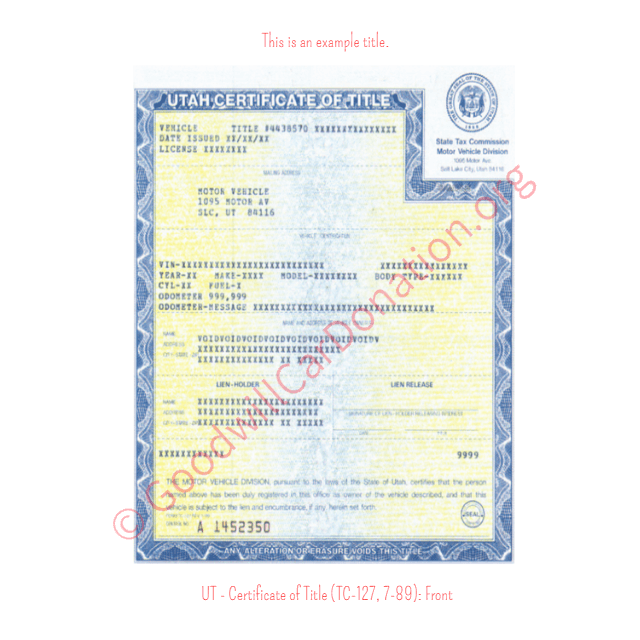
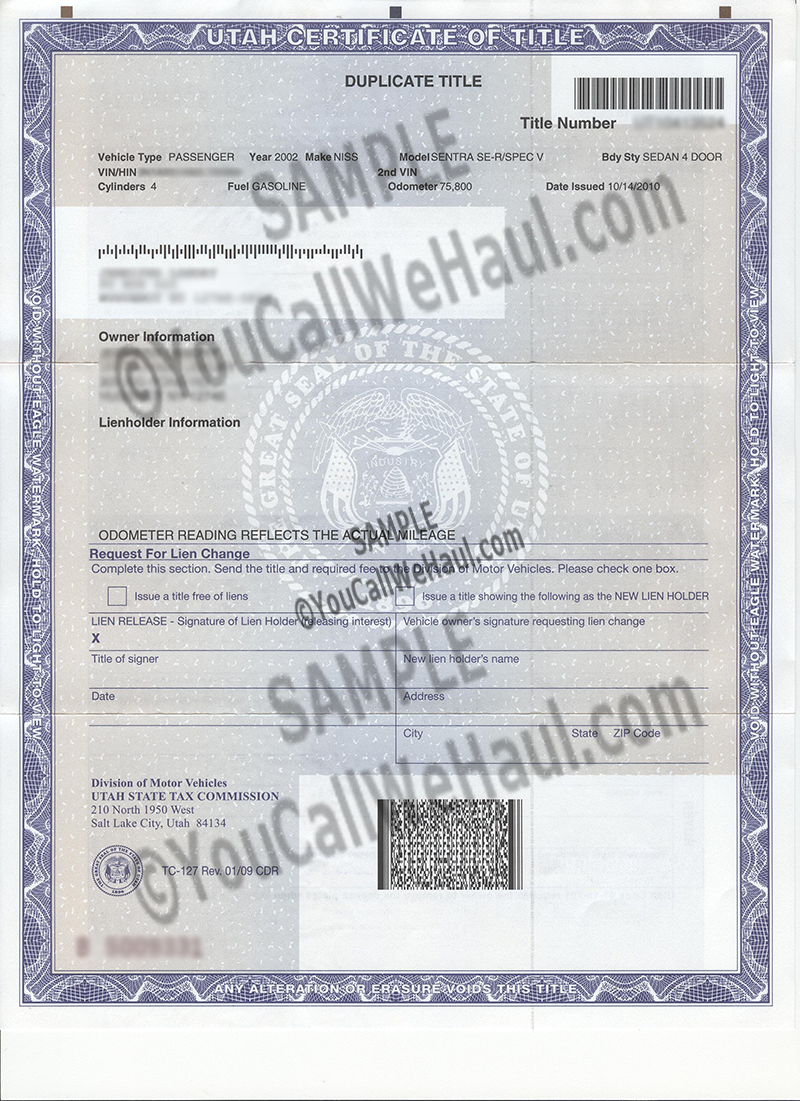
A branded title in Utah is a legal designation applied to a vehicle’s certificate of title by the Division of Motor Vehicles (DMV) when certain conditions are met. These conditions typically involve severe damage, theft, or other circumstances that lead an insurer to declare the vehicle a total loss. The brand is permanently affixed to the vehicle’s title, meaning it cannot be removed even if the vehicle is fully repaired. This transparency is intended to protect consumers by providing a clear history of the vehicle.
Common Reasons for a Branded Title in Utah
Several scenarios can lead to a vehicle receiving a branded title in Utah. Each brand carries its own implications, but all signal a departure from a standard, problem-free vehicle history.
- Salvage Title: This is perhaps the most common type of branded title. A vehicle receives a salvage title in Utah when an insurance company deems it a “total loss” due to collision, flood, fire, theft, or other damage. A total loss means the cost of repairs exceeds a certain percentage (often 75-80%) of the vehicle’s actual cash value before the damage occurred. A vehicle with a salvage title is not legal to drive on Utah roads until it has been properly repaired and inspected, then rebranded as a “rebuilt” title.
- Rebuilt Title: Once a salvage vehicle has been repaired and passes a state safety and anti-theft inspection by the Utah Department of Motor Vehicles, its title can be changed from “salvage” to “rebuilt.” While a rebuilt title signifies that the vehicle is now roadworthy, it remains a branded title. This indicates that at some point, the vehicle sustained extensive damage and was declared a total loss.
- Flood Title: Specific to vehicles that have sustained significant water damage, typically where the water level has reached above the vehicle’s dashboard. Flood damage can lead to pervasive and often hidden electrical, mechanical, and structural issues that may not manifest immediately, making these vehicles particularly risky.
- Lemon Law Buyback Title: In instances where a vehicle is deemed a “lemon” under Utah’s lemon law (meaning it has a serious defect that cannot be repaired after a reasonable number of attempts), and the manufacturer buys back the vehicle, its title will be branded as a “lemon law buyback.” This warns future buyers of the vehicle’s chronic issues.
- Non-repairable or Junk Title: These titles are issued for vehicles that are so severely damaged that they are considered unsafe and unfit for repair, or whose parts are intended solely for dismantling. Such vehicles can never be legally registered or driven again in Utah.
- Odometer Rollback/Tampered Title: If it’s discovered that a vehicle’s odometer has been illegally altered to show fewer miles than actually driven, the title will be branded to reflect this fraud. This brand is critical because mileage significantly influences a vehicle’s value and expected lifespan.
Financial Implications for Buyers and Sellers
The financial consequences of a branded title are profound, affecting everything from a vehicle’s initial purchase price to its long-term ownership costs and eventual resale value. For anyone dealing with vehicles in Utah, understanding these implications is key to making sound financial decisions.
Impact on Vehicle Value
The most immediate and significant financial impact of a branded title is a substantial reduction in the vehicle’s market value. Branded title vehicles typically sell for 20% to 50% less than comparable clean title vehicles, even after extensive repairs. This discount reflects the inherent risks and perceived lower quality associated with a vehicle that has a history of severe damage or other issues. For sellers, this means a lower return on investment; for buyers, it can represent a potential saving, but one that comes with increased risk.
Insurance Considerations
Securing comprehensive insurance coverage for a branded title vehicle in Utah can be challenging and more expensive. Some insurance companies may refuse to offer full coverage (collision and comprehensive) on salvage or rebuilt title vehicles, or they may offer it with significantly higher premiums and reduced payout limits. In the event of another accident, the insurer may only pay out the vehicle’s depreciated branded-title value, which could be much lower than what a clean title vehicle would command. This affects the overall cost of ownership and the financial protection available.
Financing Challenges
Lenders are often hesitant to finance branded title vehicles due to their reduced value, higher risk profile, and difficulty in liquidation if the borrower defaults. If financing is available, it typically comes with less favorable terms, such as higher interest rates, shorter loan terms, or requirements for larger down payments. This limits access to capital for potential buyers and can make purchasing a branded title vehicle an all-cash transaction, further narrowing the pool of interested parties.
Resale Difficulties
Selling a branded title vehicle can be considerably more difficult than selling a clean title vehicle. The smaller market of informed buyers willing to accept the risks means longer selling times and lower offers. Buyers are often wary of branded titles due to concerns about hidden damage, safety, reliability, and the difficulties they themselves might face in reselling the vehicle later. This creates a cycle of reduced demand and perpetually lower valuations.
Navigating the Purchase of a Branded Title Vehicle in Utah
While branded title vehicles come with inherent risks, they can also offer significant savings for financially savvy buyers. Success hinges on thorough due diligence and a complete understanding of Utah’s specific laws and regulations.
Due Diligence is Key
Never purchase a branded title vehicle without extensive research. Start by obtaining a comprehensive vehicle history report from services like CarFax or AutoCheck. These reports can detail the type of brand, the events that led to it, previous ownership, and maintenance records. This provides critical insights beyond what’s visible. Verify the information on the report against the physical vehicle and any documentation provided by the seller.
Professional Inspections and Appraisals
A pre-purchase inspection by an independent, certified mechanic specializing in the vehicle’s make and model is non-negotiable for a branded title vehicle. This inspection should be extremely thorough, focusing on areas prone to damage related to the brand (e.g., frame damage for collision brands, electrical systems for flood brands). A mechanic can identify hidden damage or shoddy repairs that might pose safety risks or lead to expensive problems down the road. Consider getting an appraisal to understand the vehicle’s true market value given its branded title status.
Understanding Utah’s Disclosure Laws
Utah law requires sellers to disclose if a vehicle has a branded title. This disclosure must be clear and upfront. For private sales, buyers should explicitly ask about the title status and ensure it’s noted in the bill of sale. For dealerships, the disclosure is usually part of the sales contract. Familiarize yourself with Utah’s consumer protection laws regarding vehicle sales to understand your rights and the seller’s obligations.
Converting a Branded Title to a Clean Title (Salvage to Rebuilt)
In Utah, a “salvage” title cannot become a “clean” title. However, a salvage vehicle can be repaired and pass inspection to obtain a “rebuilt” title, making it legal to operate on public roads. It’s crucial to understand this distinction.
Utah’s Rebuilt Title Process
For a salvage vehicle to receive a rebuilt title in Utah, it must undergo a specific process:
- Repairs: All necessary repairs must be completed using appropriate parts. It’s advisable to keep detailed records and receipts for all parts and labor.
- Safety and Anti-Theft Inspection: The vehicle must pass an inspection conducted by the Utah Department of Motor Vehicles (DMV) or an authorized inspection station. This inspection verifies that the vehicle is structurally sound, safe to drive, and that its parts were legitimately obtained (to deter auto theft). The inspector will verify VINs and check for proper repair according to manufacturer specifications.
- Application: Once the vehicle passes inspection, the owner can apply for a rebuilt title with the Utah DMV, submitting all required documentation, including the salvage title, repair receipts, and the inspection certificate.
The Distinction Between Salvage and Rebuilt Titles
While both are types of branded titles, the distinction is critical.
- Salvage Title: Indicates the vehicle is a total loss and is not legal to drive on public roads. It’s often purchased by individuals or businesses for parts, or by those intending to repair and resell.
- Rebuilt Title: Signifies that the vehicle was once salvaged but has since been repaired, inspected, and deemed safe and operational. It is legal to drive and register. However, it still carries the permanent brand, alerting future buyers to its past. The financial implications discussed earlier, such as reduced value, insurance difficulties, and resale challenges, apply to rebuilt title vehicles just as they do to other branded vehicles. The cost of repairs and the inspection process must be weighed against the potential savings and long-term financial implications.