
A brand representative, often shortened to brand rep, is an individual tasked with embodying, promoting, and advocating for a brand’s products, services, or overall identity. Far more than just a spokesperson, a brand rep serves as a living, breathing extension of the brand itself, fostering connections with target audiences and cultivating a positive public image. In an increasingly competitive marketplace, where consumers crave authenticity and direct engagement, brand reps have emerged as a cornerstone of modern brand strategy, bridging the gap between corporate messaging and genuine human interaction.
The role transcends traditional advertising models, moving beyond passive exposure to active advocacy and community building. Brand reps leverage their personal networks, influence, and credibility to introduce the brand to new audiences, reinforce its values, and build lasting relationships based on trust and shared values. Their effectiveness lies in their ability to humanize a brand, making it more relatable, accessible, and trustworthy in the eyes of potential and existing customers.

The Strategic Imperative of Brand Representation
In the intricate tapestry of modern marketing, brand representatives play a pivotal, strategic role that extends far beyond mere promotion. They are not simply tools for outreach; they are integral components of a brand’s identity, perception, and market positioning. Their function is deeply embedded in the pursuit of building robust brand equity and fostering sustainable growth.
Amplifying Brand Awareness and Reach
One of the most immediate and tangible benefits of employing brand reps is their capacity to significantly expand a brand’s reach. Unlike traditional advertising that pushes messages outwards, brand reps pull in new audiences through their established networks and authentic interactions. They introduce the brand to micro-communities and niche markets that might be difficult or cost-prohibitive to access through conventional channels. This organic spread of information, often perceived as a personal recommendation rather than an advertisement, holds considerable weight.
- Tapping into Untapped Markets: Brand reps often possess diverse demographics and interests within their personal circles, allowing a brand to penetrate new segments that align with its product or service offerings.
- Cost-Effective Outreach: For startups and smaller businesses, a well-managed brand rep program can be a highly efficient way to generate buzz and gain visibility without the massive expenditure associated with mainstream media campaigns.
Cultivating Authenticity and Trust
In an era defined by consumer skepticism and information overload, authenticity is a brand’s most valuable currency. Brand reps are uniquely positioned to cultivate this authenticity. When a trusted individual, someone whose opinions and lifestyle are respected by their peers, advocates for a brand, it carries immense credibility. This stands in stark contrast to corporate-generated content, which is often viewed with a degree of caution.
- Humanizing the Brand: By putting a human face to the brand, reps make it more relatable and approachable. They can share personal experiences, challenges, and successes with the product, offering genuine insights that resonate deeply with audiences.
- Building Word-of-Mouth Momentum: Trust is the bedrock of word-of-mouth marketing, which remains one of the most powerful forms of promotion. Brand reps generate positive conversations and endorsements, sparking organic buzz that fuels a brand’s reputation.
Driving Engagement and Community Building
Beyond mere awareness, effective brand representation fosters genuine engagement. Brand reps are often active participants in online and offline communities, where they can answer questions, provide support, and facilitate discussions around the brand. This direct interaction helps build a loyal community around the brand, transforming passive consumers into active advocates.
- Facilitating Dialogue: Reps can initiate conversations, respond to comments, and actively listen to feedback, creating a two-way communication channel between the brand and its audience.
- Fostering Brand Loyalty: By creating a sense of belonging and direct access, brand reps help cultivate deeper loyalty among customers who feel heard and valued. This community aspect is crucial for long-term brand health.
Providing Invaluable Market Insights
Brand reps are on the front lines, interacting directly with consumers and experiencing market trends firsthand. This unique position provides them with invaluable insights into consumer preferences, emerging needs, and competitive landscapes. Their qualitative feedback can be a goldmine for product development, marketing adjustments, and overall brand strategy refinement.
- Real-time Feedback: Reps can gather immediate reactions to new products, campaigns, or changes, providing actionable data that complements quantitative market research.
- Identifying Opportunities and Challenges: Their close connection to the target audience allows them to pinpoint unmet needs, identify potential pain points, and uncover new opportunities for brand expansion or differentiation.
Typologies of Brand Representatives
While the core function remains consistent, the term “brand rep” encompasses a variety of roles, each with distinct characteristics and strategic implications for a brand. Understanding these distinctions is crucial for designing an effective brand representation strategy.
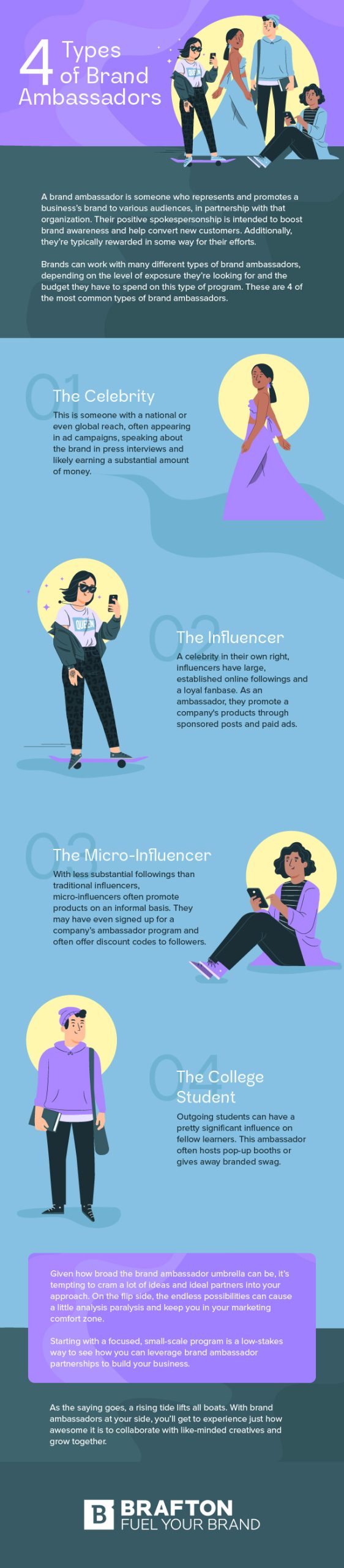
Brand Ambassadors
Brand ambassadors are typically long-term partners who genuinely love and advocate for a brand. They are chosen for their authentic alignment with the brand’s values and image. Their role often involves a deeper, more committed relationship with the brand, where they consistently integrate the brand into their lifestyle and public persona. Ambassadors are not merely paid endorsers; they are extensions of the brand’s identity, participating in events, creating content, and providing feedback. They aim to build lasting trust and credibility.
Influencers
Influencers leverage their significant following on social media platforms to promote products or services. Their power lies in their reach and their ability to sway the opinions or purchasing decisions of their audience. Influencer collaborations are often campaign-based and can vary in duration and intensity. While some influencers develop long-term relationships with brands, many engagements are transactional, focusing on specific promotional objectives for a defined period. The authenticity of these relationships can vary, but effective influencer marketing relies on selecting individuals whose audience truly aligns with the brand.
Employee Advocates
Often overlooked, a brand’s own employees are among its most powerful and authentic representatives. When employees genuinely believe in the company’s mission, products, and culture, they become natural advocates. They share company news, celebrate achievements, and promote offerings within their personal and professional networks. Employee advocacy programs harness this internal enthusiasm, providing employees with the tools and encouragement to share their positive experiences, thereby enhancing recruitment, brand perception, and customer trust.

Affiliate Marketers
While not always considered “brand reps” in the traditional sense, affiliate marketers promote a brand’s products or services in exchange for a commission on sales or leads generated through their unique tracking link. Their primary motivation is financial, but effective affiliates often build trust with their audience through reviews, comparisons, and demonstrations, thus acting as an indirect form of brand representation. They focus more on driving direct conversions rather than general brand awareness or community building.
Core Qualities of an Effective Brand Representative
To maximize the impact of brand representation, brands must meticulously select individuals who possess a specific set of attributes. These qualities ensure that the representative not only fulfills their duties but also enhances the brand’s image and fosters genuine connection.
Genuine Alignment with Brand Values
The most critical attribute is authentic alignment with the brand’s mission, values, and product philosophy. A rep who genuinely believes in what the brand stands for will convey that passion organically and credibly. This authenticity is immediately discernible to audiences and forms the bedrock of trust. Mismatched values can lead to disingenuous promotion and damage brand integrity.
Strong Communication and Interpersonal Skills
Effective brand reps are articulate communicators, both verbally and in writing. They can clearly and engagingly articulate the brand’s message, benefits, and unique selling propositions. Excellent interpersonal skills are also vital, enabling them to connect with diverse audiences, respond to inquiries, handle feedback (both positive and negative) gracefully, and build rapport.
Authenticity and Relatability
Audiences respond to genuine personalities. A brand rep who is authentic and relatable can connect with consumers on a personal level, making the brand feel more accessible and human. They don’t need to be perfect; rather, their ability to be themselves, share personal experiences, and interact naturally is far more impactful than a polished, scripted persona.
Active Online Presence and Network
In today’s digital landscape, an active and engaged online presence is often a prerequisite. Whether it’s through social media, blogs, or forums, an effective brand rep utilizes their digital platforms to share content, interact with followers, and amplify the brand’s message. Their existing network provides an immediate audience for brand advocacy.
Professionalism and Reliability
Brand reps are a direct reflection of the brand. Therefore, professionalism, reliability, and accountability are paramount. This includes meeting deadlines, adhering to brand guidelines, representing the brand respectfully, and consistently delivering on commitments. Unprofessional behavior or unreliability can quickly erode trust and harm the brand’s reputation.
Integrating Brand Reps into Brand Strategy
Successfully leveraging brand representatives requires a thoughtful, integrated approach that extends beyond simple recruitment. It necessitates strategic planning, ongoing support, and meticulous measurement to ensure that brand reps are not just promoting, but truly enriching the brand’s ecosystem.
Setting Clear Objectives and KPIs
Before engaging any rep, a brand must define clear, measurable objectives. Are they aiming for increased brand awareness, lead generation, sales conversion, social media engagement, or community growth? Establishing key performance indicators (KPIs) relevant to these objectives allows for systematic tracking of success and optimization of the program.
Strategic Recruitment and Onboarding
The recruitment process should be rigorous, focusing on individuals who not only align with brand values but also possess the necessary skills and audience demographics. Once selected, a comprehensive onboarding process is crucial. This should include detailed information about the brand’s history, mission, products, brand guidelines, and communication protocols. Equipping reps with a deep understanding of the brand empowers them to represent it authentically and confidently.
Providing Support, Training, and Empowerment
Brand reps thrive when they feel supported and empowered. Brands should provide continuous training on new products, marketing campaigns, and communication best practices. Access to resources, such as content libraries, FAQs, and dedicated support contacts, ensures they have the tools needed to succeed. Empowering reps to share their unique perspectives, within guidelines, fosters creativity and more authentic engagement.
Measuring Impact and ROI
Regularly evaluating the performance of brand rep initiatives against established KPIs is essential. This involves tracking metrics such as reach, engagement rates, conversion rates, website traffic from rep-generated content, sentiment analysis, and overall brand perception changes. Analyzing this data allows brands to refine their strategies, identify top-performing reps, and demonstrate the tangible return on investment (ROI) of their brand representation efforts.
Fostering Long-Term Relationships
The most impactful brand representation often stems from long-term relationships built on mutual respect and shared success. Brands should invest in nurturing these relationships through regular communication, recognition programs, exclusive perks, and opportunities for growth. Treating brand reps as valued partners, rather than mere transactional assets, cultivates loyalty and sustained advocacy, significantly enhancing a brand’s overall health and market presence.
aViewFromTheCave is a participant in the Amazon Services LLC Associates Program, an affiliate advertising program designed to provide a means for sites to earn advertising fees by advertising and linking to Amazon.com. Amazon, the Amazon logo, AmazonSupply, and the AmazonSupply logo are trademarks of Amazon.com, Inc. or its affiliates. As an Amazon Associate we earn affiliate commissions from qualifying purchases.