
In an increasingly complex world, the act of making a payment, seemingly simple, has evolved into a multifaceted landscape encompassing diverse methods, technologies, and financial considerations. For individuals and businesses alike, understanding the nuances of how to make payments efficiently, securely, and strategically is fundamental to sound financial management. This guide aims to demystify the payment process, offering insights into various methods, best practices for online security, and strategies for optimizing your financial transactions. Whether you’re settling a bill, purchasing a product, or investing in a service, mastering the art of payment is a cornerstone of robust personal and business finance.
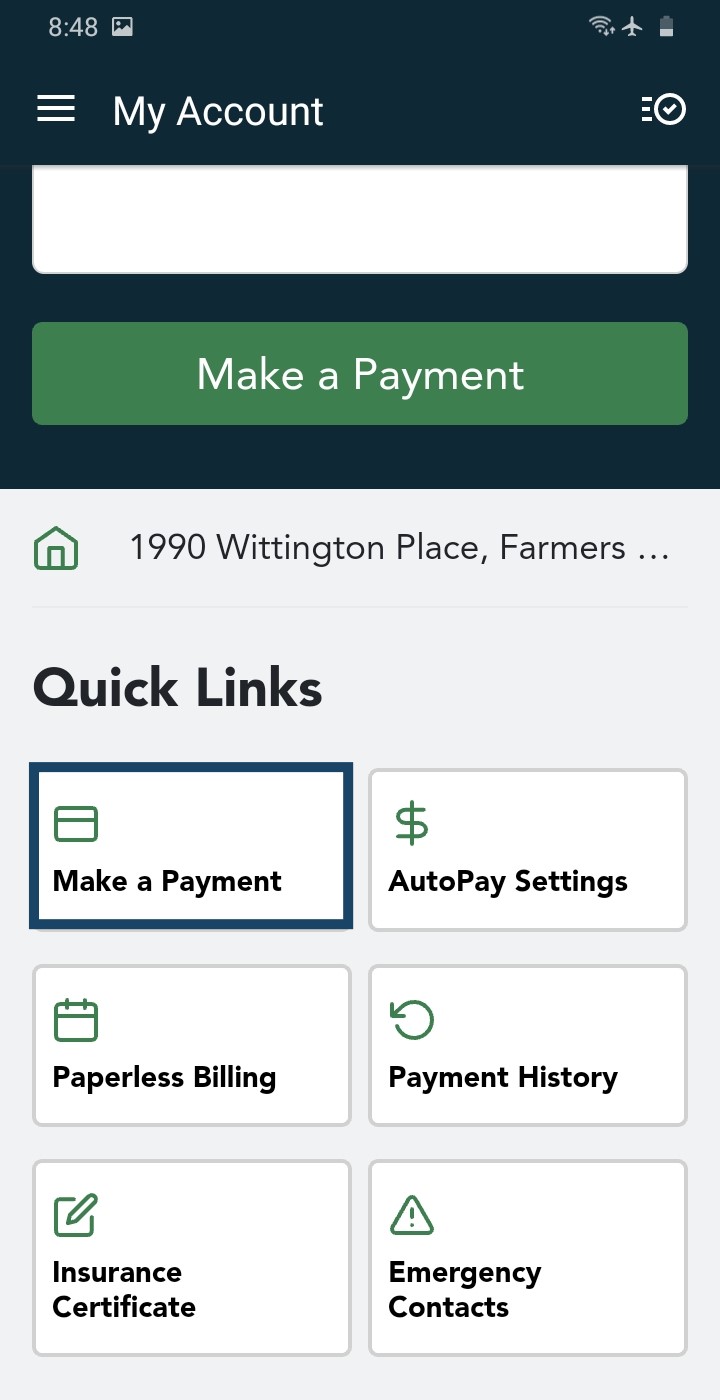
Navigating the Landscape of Payment Methods
The journey of making a payment has come a long way from the simple exchange of goods for currency. Today, an array of options caters to different needs, security preferences, and convenience levels. Understanding these methods is the first step towards making informed financial decisions.
Traditional Payment Avenues: Cash, Checks, and Money Orders
Despite the digital revolution, traditional payment methods still hold significant relevance, particularly in certain contexts. Cash, the most primal form of payment, offers instant finality and anonymity, making it ideal for small, everyday transactions or situations where digital infrastructure is unavailable. It remains an essential tool for budgeting and controlling spending, as the physical act of handing over money creates a tangible connection to the transaction. However, cash carries risks related to theft and loss, and its untraceable nature can be a double-edged sword for record-keeping.
Checks offer a traceable, documented form of payment, historically vital for larger transactions like rent, utilities, or business expenses where a paper trail is crucial. They bridge the gap between physical cash and direct digital transfers, providing a deferred payment mechanism until the check clears. While less prevalent in daily retail, checks are still used by many for structured payments and in environments requiring a physical authorization. The security concerns with checks often revolve around potential fraud and the time lag for funds to clear, requiring careful management of bank balances.
Money orders serve as a secure alternative to personal checks, particularly for individuals without bank accounts or those sending money internationally. Purchased at post offices or financial institutions, they guarantee payment since the funds are prepaid, mitigating the risk of bounced checks. Money orders are a safe way to send money through the mail, providing a receipt and often requiring identification from the recipient, enhancing security and traceability for sensitive transactions.
The Rise of Digital Payments: Cards, Wallets, and Transfers
The digital age has ushered in an era of unprecedented convenience and speed for payments. Credit and debit cards are arguably the most ubiquitous digital payment instruments. Debit cards draw directly from your bank account, acting much like digital cash, while credit cards offer a line of credit, allowing you to pay later, often with rewards programs. Both offer widespread acceptance, fraud protection, and detailed transaction records. However, credit cards demand diligent management to avoid accumulating high-interest debt, making financial discipline paramount.
Digital wallets, such as Apple Pay, Google Pay, and Samsung Pay, integrate card information and often bank accounts into a mobile device, allowing for contactless payments in stores and seamless online transactions. They enhance security by tokenizing card numbers, meaning your actual card details are never shared with merchants. Beyond convenience, digital wallets often support loyalty programs and can consolidate various financial tools, streamlining the payment experience.
Electronic Fund Transfers (EFTs) encompass a broad category of digital movements of money between bank accounts. This includes direct deposits, wire transfers, and Automated Clearing House (ACH) transactions (common for bill payments and payroll). EFTs are efficient, secure, and cost-effective, forming the backbone of modern financial systems. For international transactions, services like PayPal, Wise (formerly TransferWise), and traditional wire transfers facilitate cross-border payments, though fees and exchange rates are critical factors to consider. Real-time payment systems are also gaining traction, offering instant transfers between accounts, further accelerating financial liquidity.
Emerging Payment Technologies: Cryptocurrencies and Biometrics
Looking to the future, cryptocurrencies represent a revolutionary, albeit volatile, payment method. Decentralized digital currencies like Bitcoin and Ethereum offer peer-to-peer transactions without intermediaries, leveraging blockchain technology for transparency and security. While still niche for everyday purchases due to price volatility, regulatory uncertainty, and complexity, their potential for low-fee international transfers and censorship resistance makes them a compelling area for innovation in financial technology. As infrastructure develops, cryptocurrencies could offer new paradigms for financial autonomy.
Biometric payments, utilizing fingerprints, facial recognition, or iris scans, promise an unparalleled level of convenience and security. By linking unique biological identifiers to payment accounts, these methods eliminate the need for cards or passwords, drastically reducing friction at the point of sale and enhancing fraud prevention. While currently integrated into many smartphones for digital wallet authentication, dedicated biometric payment systems are emerging, hinting at a future where your identity is your payment method. As these technologies mature, they offer a glimpse into a seamless, highly secure payment ecosystem.
Understanding Online Payment Processes and Security
The convenience of online payments comes with the imperative of understanding how they work and, more critically, how to protect your financial data. As our lives increasingly move online, mastering secure digital transactions is no longer optional but essential for financial well-being.
The Mechanics of Online Transactions: From Cart to Confirmation
An online payment transaction typically follows a well-defined sequence. It begins when you add items to a virtual shopping cart on an e-commerce website and proceed to checkout. At this stage, you provide your shipping and billing information, including your payment details. Once you click “Place Order” or a similar button, the merchant’s website securely transmits your payment information to a payment gateway. This gateway acts as an intermediary, encrypting your data and sending it to the payment processor.
The payment processor then communicates with your bank (or credit card issuer) to verify the availability of funds or credit and to authorize the transaction. If approved, the processor relays this approval back to the payment gateway, which then informs the merchant. Finally, the merchant confirms your order, and you receive an order confirmation, often via email. This entire process, while complex under the hood, usually takes mere seconds, enabled by advanced encryption and high-speed network communication. Understanding these steps helps demystify what happens to your money and data during an online purchase.
Safeguarding Your Financial Data: Essential Security Practices
Online payment security is paramount. Strong, unique passwords for all online accounts, especially those linked to financial information, are the first line of defense. Utilizing a password manager can help manage these complex credentials. Two-Factor Authentication (2FA) adds an extra layer of security by requiring a second form of verification (e.g., a code sent to your phone) in addition to your password. This significantly reduces the risk of unauthorized access even if your password is compromised.
Always ensure that websites where you make payments use HTTPS encryption, indicated by a padlock icon in your browser’s address bar. This ensures that data exchanged between your browser and the website is encrypted and secure from eavesdropping. Be cautious of public Wi-Fi networks when conducting financial transactions, as they are often less secure. If necessary, use a Virtual Private Network (VPN) for an encrypted connection. Regularly monitor your bank and credit card statements for any suspicious activity and report unauthorized transactions immediately. Utilizing virtual card numbers, if offered by your bank, can add an extra layer of protection by masking your actual card number.
Recognizing and Avoiding Payment Scams
The digital world is unfortunately rife with scams designed to trick individuals into divulging financial information or making fraudulent payments. Phishing emails and texts are common, impersonating legitimate organizations (banks, retailers, government agencies) to solicit personal data. Always scrutinize sender addresses, look for grammatical errors, and be wary of urgent requests or unsolicited attachments. Never click on suspicious links; instead, navigate directly to the official website.
Advance-fee scams promise a large sum of money in exchange for a smaller upfront payment. Once the payment is made, the promised funds never materialize. Tech support scams involve fraudsters pretending to be from reputable tech companies, claiming your computer has a virus and demanding payment for “fixes” or remote access. Always verify the identity of the caller or sender. Be cautious of “too good to be true” offers, especially on social media or unknown websites, which often lead to payment fraud or non-delivery of goods. Education and vigilance are your strongest weapons against these pervasive threats.
Strategic Approaches to Managing Your Payments
Beyond understanding how to make a payment, it’s crucial to adopt strategies that optimize the payment process for your financial health. Strategic payment management can save money, reduce stress, and improve your overall financial standing.
Budgeting for Payments: Ensuring Timely and Responsible Outgoings
Effective budgeting is the bedrock of responsible payment management. By creating a detailed budget, you gain clarity on your income and expenses, allowing you to allocate funds specifically for various payments such as rent/mortgage, utilities, loan repayments, and subscriptions. This proactive approach ensures that money is available when payments are due, preventing late fees, interest charges, and potential damage to your credit score.
Categorizing expenses within your budget helps identify areas where you might be overspending and where adjustments can be made. Regularly reviewing your budget against actual spending allows you to adapt to changing financial circumstances and refine your payment strategy. The goal is to move from reactive bill-paying to a proactive, intentional approach that supports your financial goals and prevents payment-related stress.
Automating Payments: Convenience vs. Control
Automating regular payments, such as utility bills, loan installments, and subscriptions, offers unparalleled convenience and helps ensure timely payment, thus avoiding late fees and penalties. Most financial institutions and service providers offer auto-pay options, often allowing you to set the payment date and method. This “set it and forget it” approach can free up mental bandwidth and reduce the risk of human error.
However, automation also requires careful management. It’s crucial to monitor your accounts regularly to ensure sufficient funds are available to cover automated payments, preventing overdraft fees. Additionally, automated subscriptions can sometimes go unnoticed, leading to recurring charges for services you no longer use. Periodically review all automated payments to ensure they are still necessary and correctly reflect your current financial commitments. Balancing the convenience of automation with diligent oversight is key to harnessing its benefits without relinquishing financial control.
Dealing with Payment Disputes and Reversals
Despite best efforts, payment issues can arise. Understanding how to handle disputes and reversals is a vital financial skill. If you notice an unauthorized charge on your credit or debit card, or if a product/service paid for was not delivered or was misrepresented, you have rights.
For credit card transactions, initiating a chargeback is often the first step. Contact your credit card issuer immediately to dispute the charge. They will investigate the claim, and if it’s found in your favor, the funds will be returned to your account. Debit card disputes generally follow a similar process, though the funds might be temporarily unavailable during the investigation.
For issues with bank transfers or other payment methods, contact your bank or the payment platform directly. Many services offer consumer protection. For goods or services, first try to resolve the issue directly with the merchant. Keep detailed records of all communications, transaction receipts, and any evidence supporting your claim. Acting promptly and having clear documentation significantly increases your chances of a successful resolution in payment disputes.
Optimizing Your Payment Habits for Financial Health
Effective payment management is not just about avoiding problems; it’s about actively leveraging payment methods and tools to enhance your financial health. By making deliberate choices and utilizing available resources, you can transform the mundane act of payment into a strategic component of your financial strategy.
Choosing the Right Payment Method for Every Situation
The “best” payment method isn’t universal; it depends on the context, your financial goals, and personal preferences.
- For building credit, a credit card, used responsibly and paid in full each month, is invaluable.
- For budgeting and avoiding debt, a debit card or cash provides a direct link to your available funds.
- For large, planned purchases, a credit card with a rewards program can offer benefits, assuming you can pay off the balance promptly.
- For international transfers, specialized money transfer services often provide better exchange rates and lower fees than traditional banks.
- For online security concerns, digital wallets or virtual card numbers add layers of protection.
Consider factors like transaction fees, interest rates, rewards potential, security features, and ease of dispute resolution when selecting your payment method. An intelligent approach involves having a diverse set of payment tools and knowing when to deploy each one strategically.
Leveraging Payment Tools and Apps
A myriad of financial tools and apps can simplify and optimize your payment management. Budgeting apps like Mint, YNAB (You Need A Budget), or Personal Capital integrate with your bank accounts to track spending, categorize transactions, and remind you of upcoming bills. They provide a holistic view of your finances, making it easier to stick to your payment plan.
Payment apps like Venmo, Cash App, and Zelle facilitate quick peer-to-peer transfers, ideal for splitting bills with friends or making small, informal payments. Many banks also offer their own mobile apps that allow for bill payments, transfers, and account monitoring on the go. Furthermore, specific bill management platforms can consolidate all your bills in one place, providing reminders and direct payment options. Embrace these digital tools to streamline your financial operations, reduce administrative burden, and gain better control over your money flows.
The Future of Payments: Trends to Watch
The payment landscape is constantly evolving, driven by technological innovation and changing consumer expectations. Staying informed about emerging trends can help you prepare for and adapt to future financial environments.
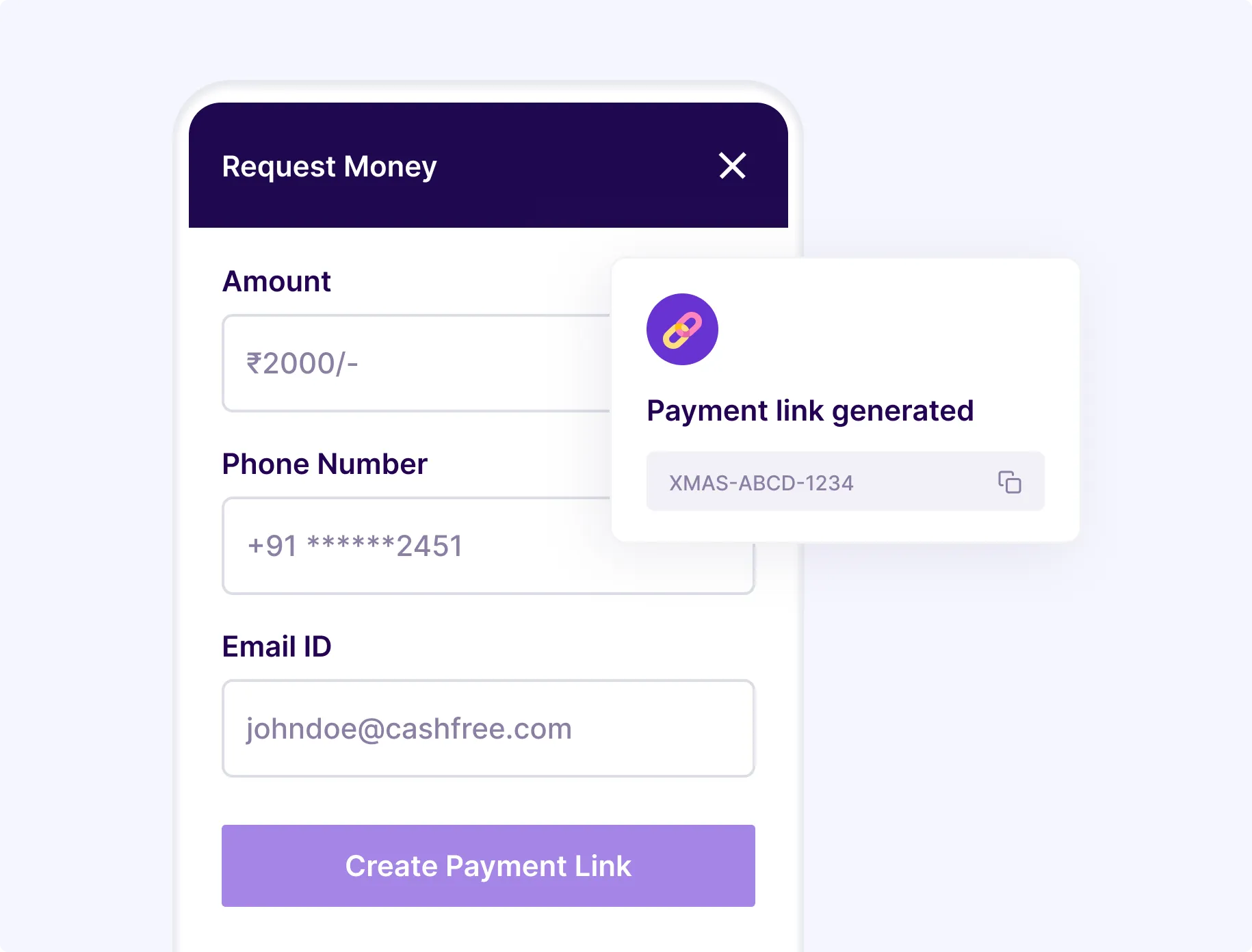
Open Banking and API-driven payments are allowing third-party financial services providers to access consumer banking data (with consent), leading to more integrated and personalized payment experiences. This fosters innovation in budgeting, lending, and payment initiation services. Request to Pay services, a feature under Open Banking, will allow consumers to receive payment requests and approve them directly from their banking app, offering greater control and clarity over recurring payments.
The proliferation of embedded finance means payments will increasingly become integrated directly into non-financial platforms, such as social media, e-commerce sites, and even IoT devices. Imagine paying for your groceries directly from your smart fridge. Central Bank Digital Currencies (CBDCs) are also on the horizon, with many nations exploring sovereign digital currencies that could reshape monetary policy and payment infrastructure. Understanding these trends will be crucial for navigating the financial ecosystem of tomorrow, ensuring your payment habits remain efficient, secure, and aligned with the latest advancements.
Making a payment is an everyday act, but it carries significant financial implications. By understanding the diverse methods available, prioritizing online security, adopting strategic management practices, and embracing innovative tools, you can transform the simple act of paying into a powerful lever for greater financial control and well-being.
aViewFromTheCave is a participant in the Amazon Services LLC Associates Program, an affiliate advertising program designed to provide a means for sites to earn advertising fees by advertising and linking to Amazon.com. Amazon, the Amazon logo, AmazonSupply, and the AmazonSupply logo are trademarks of Amazon.com, Inc. or its affiliates. As an Amazon Associate we earn affiliate commissions from qualifying purchases.