
The modern healthcare landscape is a marvel of intricate systems, advanced machinery, and cutting-edge technology. Behind the scenes, ensuring these life-saving tools function optimally, lies a critical, yet often unsung, profession: the biomedical technician. These professionals are the linchpins of medical device functionality, bridging the gap between complex engineering and patient care. Their expertise is not just about fixing machines; it’s about safeguarding patient safety, optimizing resource utilization, and enabling healthcare providers to deliver the highest quality of care. In an era where medical technology evolves at an astonishing pace, understanding the role and significance of biomedical technicians is paramount to appreciating the intricate machinery that drives modern medicine.
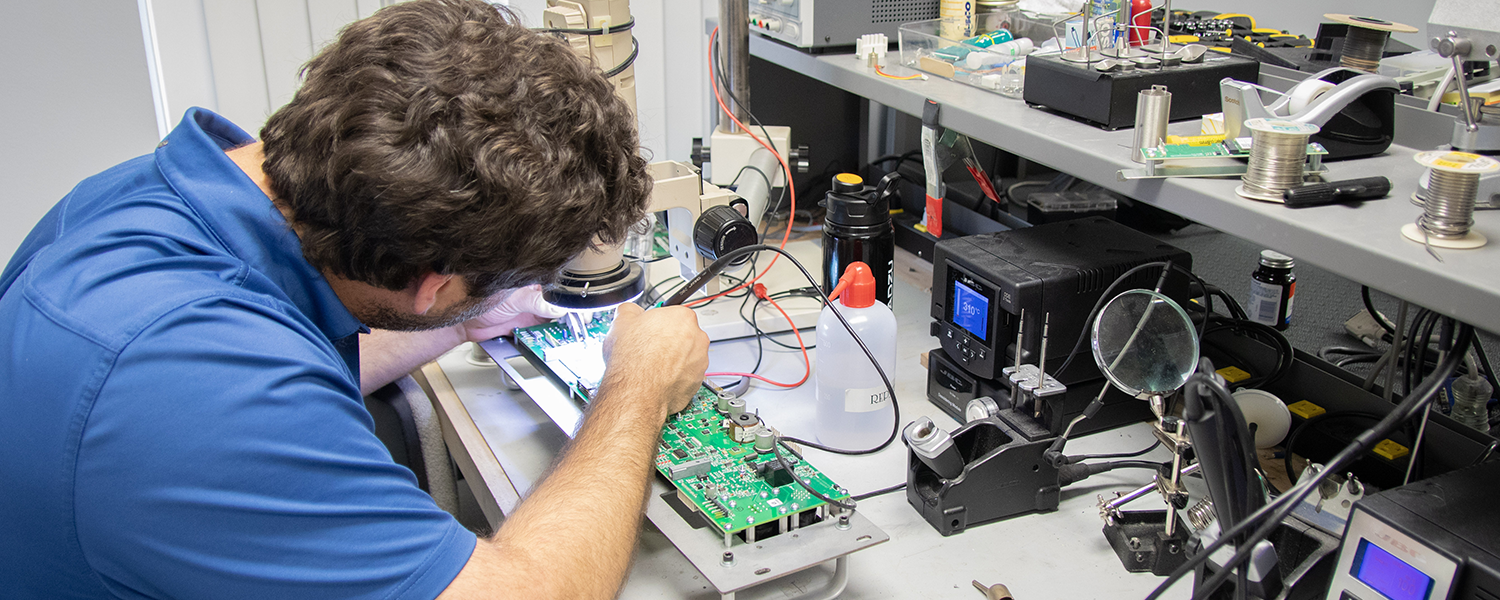
The Evolving Role of Biomedical Technology
The field of healthcare has witnessed a profound transformation driven by technological advancements. From diagnostic imaging to robotic surgery, medical devices have become indispensable tools. This ever-increasing reliance on sophisticated equipment necessitates a skilled workforce capable of managing, maintaining, and repairing these complex systems. Biomedical technicians are at the forefront of this technological revolution within healthcare, ensuring that the innovations that promise better patient outcomes are actually realized and reliably deployed.
The Foundation of Medical Equipment Management
At its core, the biomedical technician’s role revolves around the lifecycle management of medical equipment. This begins with the initial installation and calibration of new devices, ensuring they meet all safety and performance standards before being used on patients. They are the first line of defense against equipment malfunction, performing routine preventive maintenance checks to identify and address potential issues before they escalate. This proactive approach is crucial in preventing costly downtime and, more importantly, averting potential patient harm. Imagine an MRI machine failing during a critical diagnostic scan, or an infusion pump delivering an incorrect dosage. These scenarios, while alarming, are significantly mitigated by the diligent work of biomedical technicians.
Their responsibilities extend to troubleshooting and repairing a vast array of medical devices. This could range from simple diagnostic tools like stethoscopes and blood pressure monitors to highly complex systems such as ventilators, defibrillators, anesthesia machines, and even sophisticated surgical robots. Their understanding of both the mechanical and electronic components, often coupled with a grasp of the underlying medical principles, allows them to diagnose and resolve a wide spectrum of issues. This often involves intricate work with specialized tools, diagnostic software, and access to technical manuals and schematics. The ability to quickly and accurately identify the root cause of a problem, whether it’s a faulty circuit board, a software glitch, or a mechanical wear-and-tear issue, is a hallmark of a skilled biomedical technician.
Ensuring Regulatory Compliance and Patient Safety
Beyond technical proficiency, biomedical technicians play a vital role in ensuring that medical equipment adheres to stringent regulatory standards. Healthcare institutions are subject to a multitude of regulations from bodies like the Food and Drug Administration (FDA) in the United States, and similar organizations globally. These regulations dictate everything from device safety and efficacy to proper maintenance protocols. Biomedical technicians are instrumental in ensuring that all equipment within a healthcare facility meets these ever-evolving compliance requirements. This involves meticulous record-keeping, documenting all maintenance, repairs, and calibration activities. These records are not only essential for regulatory audits but also provide a valuable history of each device, aiding in future troubleshooting and performance analysis.
The ultimate goal of their work is patient safety. A malfunctioning medical device can have severe, even life-threatening, consequences for a patient. Biomedical technicians are therefore trained to be acutely aware of the potential risks associated with faulty equipment. Their rigorous testing and maintenance procedures are designed to minimize these risks, ensuring that patients receive care from reliable and safe medical technology. They are often involved in recalls and safety alerts, working swiftly to identify affected devices, remove them from service, and implement necessary corrections. This dedication to patient safety underscores the profound impact of their role within the healthcare ecosystem.
The Technical Prowess of a Biomedical Technician
The skills required of a biomedical technician are a unique blend of engineering, electronics, computer science, and a foundational understanding of medical concepts. They are essentially the troubleshooters and guardians of the sophisticated technological arsenal that modern medicine employs.
A Deep Dive into Device Functionality
Biomedical technicians possess a comprehensive understanding of how various medical devices function. This includes not only the operational aspects but also the intricate principles of their design and construction. They are adept at interpreting complex technical manuals, schematics, and blueprints. Their expertise allows them to dissect a device, understand its various subsystems (e.g., power supply, control systems, sensors, actuators), and identify how these components interact. This knowledge is built through formal education, on-the-job training, and continuous learning, as medical technology is a constantly evolving field.
Their skillset encompasses a broad range of technical disciplines. This includes proficiency in electronics, understanding circuit boards, microprocessors, and various electronic components. They are skilled in mechanics, dealing with the physical components, gears, motors, and structural integrity of devices. Pneumatics and hydraulics are also within their purview, as many medical devices rely on these systems for operation. Furthermore, with the increasing integration of software into medical devices, computer science and networking skills are becoming indispensable. They need to be able to diagnose software glitches, update firmware, and ensure secure data transmission from networked medical devices.
Diagnostic and Repair Methodologies
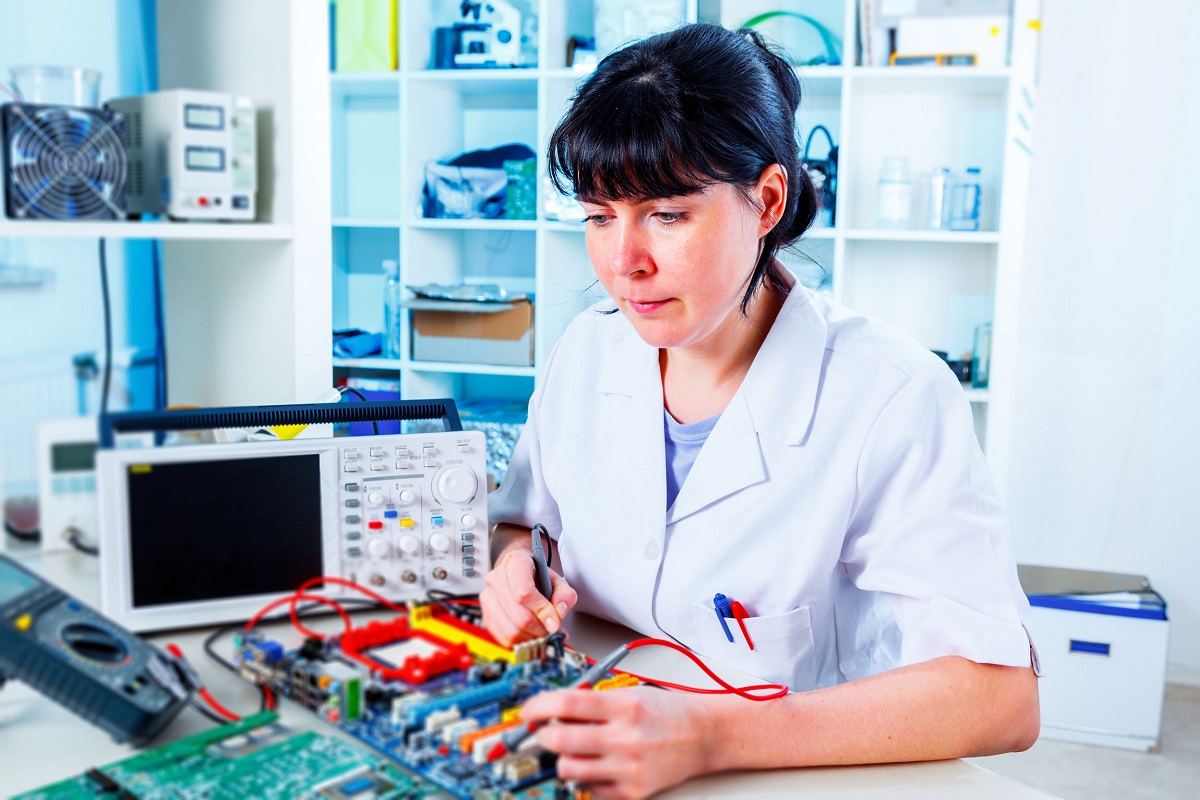
The diagnostic process for a biomedical technician is a systematic and analytical endeavor. When a device malfunctions, they employ a methodical approach to pinpoint the problem. This often starts with gathering information from the end-user (e.g., a nurse or doctor) to understand the symptoms of the malfunction. They then utilize a variety of diagnostic tools, including multimeters, oscilloscopes, signal generators, and specialized diagnostic software. The goal is to isolate the faulty component or system.
Once the problem is identified, the repair process begins. This can involve replacing defective parts, recalibrating sensors, updating software, or even making intricate soldering repairs. The technician must have a steady hand, meticulous attention to detail, and the ability to work with delicate components. They are often required to disassemble and reassemble complex machinery, ensuring that all parts are correctly aligned and secured. The successful completion of a repair not only restores the device to full functionality but also involves rigorous testing to confirm that it meets all performance specifications and safety standards. This might include running diagnostic tests, simulating operational conditions, and performing accuracy checks.
The Importance of Calibration and Performance Verification
Calibration is a critical aspect of a biomedical technician’s work. It involves adjusting a medical device to ensure its accuracy and precision. For instance, a vital signs monitor must accurately measure heart rate and blood pressure, while an infusion pump must deliver medication at a precise rate. Calibration ensures that these measurements and deliveries are within acceptable tolerances, which is paramount for effective patient care and accurate diagnosis. Technicians use specialized calibration equipment and follow established protocols to perform these adjustments.
Performance verification goes hand-in-hand with calibration. After a device has been calibrated or repaired, it undergoes thorough testing to confirm that it is operating as intended and meeting all performance specifications. This is a crucial step in the quality assurance process, ensuring that the device is safe and reliable for clinical use. Biomedical technicians are responsible for documenting these verification procedures and their outcomes, contributing to the overall quality management system of the healthcare facility.
The Skillset and Education of a Biomedical Technician
The path to becoming a biomedical technician involves a combination of formal education, practical training, and a commitment to continuous learning. The demands of the role require a specific set of skills and knowledge that are cultivated through structured programs.
Formal Educational Pathways
Aspiring biomedical technicians typically pursue post-secondary education. Common educational pathways include associate degrees in biomedical technology, clinical engineering technology, or a related field. These programs provide a strong foundation in electronics, physics, anatomy, physiology, and the principles of medical instrumentation. Some individuals may also opt for bachelor’s degrees in biomedical engineering or a similar discipline, which offer a more in-depth theoretical and practical understanding.
These educational programs are designed to equip students with the theoretical knowledge and practical skills necessary to understand, operate, and maintain a wide range of medical equipment. Curricula often include hands-on laboratory work, where students gain experience with common medical devices, diagnostic tools, and repair techniques. Furthermore, many programs incorporate an internship or co-op component, allowing students to gain valuable real-world experience in a clinical setting under the supervision of experienced professionals.
Essential Skills and Certifications
Beyond formal education, certain innate aptitudes and acquired skills are crucial for success as a biomedical technician. Problem-solving and analytical thinking are at the forefront, enabling them to diagnose complex issues. Attention to detail is paramount, as even minor oversights can have significant consequences. Manual dexterity and fine motor skills are essential for working with intricate components and performing precise repairs. Good communication skills are also vital, as they need to effectively interact with healthcare professionals, understand their needs, and clearly explain technical issues.
Certifications can significantly enhance a biomedical technician’s career prospects and credibility. Organizations such as the Association for the Advancement of Medical Instrumentation (AAMI) offer certifications like Certified Biomedical Equipment Technologist (CBET) and Certified Imaging and RadioTherapy Equipment Professional (CIRETP). These certifications demonstrate a validated level of knowledge and competence and are often preferred by employers. Maintaining these certifications typically requires ongoing professional development and adherence to ethical standards.
The Importance of Continuous Professional Development
The landscape of medical technology is constantly evolving. New devices are introduced, existing technologies are updated with new software, and regulatory requirements can change. Therefore, biomedical technicians must engage in continuous professional development to remain effective and relevant. This involves staying abreast of emerging technologies, attending workshops and training sessions, reading industry publications, and pursuing further certifications.
Many medical device manufacturers offer specialized training on their specific products. Biomedical technicians often attend these training programs to gain expertise in servicing particular types of equipment. This ongoing learning ensures that they are equipped to handle the latest innovations and maintain a high level of proficiency throughout their careers. Their commitment to continuous learning is not just about professional growth; it is fundamentally about ensuring the continued safety and efficacy of the medical technology used to treat patients.
The Impact of Biomedical Technicians on Healthcare
The role of the biomedical technician extends far beyond mere maintenance. They are integral to the efficient operation of healthcare facilities, directly impacting patient outcomes, operational costs, and the overall advancement of medical care.
Optimizing Healthcare Operations and Efficiency
Efficiently functioning medical equipment is the backbone of any modern healthcare facility. When devices are reliably maintained and quickly repaired, it minimizes disruptions to patient care workflows. This translates to less downtime for diagnostic procedures, surgeries, and patient treatments. For example, a hospital’s imaging department can perform more scans daily if the MRI and CT scanners are consistently operational. Similarly, operating rooms can proceed with scheduled surgeries without delays caused by equipment malfunctions.
Furthermore, effective equipment management by biomedical technicians contributes to significant cost savings for healthcare institutions. Proactive preventive maintenance can avert costly emergency repairs and extend the lifespan of expensive medical equipment, delaying the need for premature replacement. By properly servicing and calibrating devices, technicians also help ensure their optimal performance, which can lead to more accurate diagnoses and treatments, potentially reducing the need for repeat procedures or costly complications. They also play a role in inventory management, ensuring that essential equipment is available when and where it is needed.
Enabling Advanced Medical Treatments and Research
The development and deployment of groundbreaking medical treatments and advancements in research are heavily reliant on sophisticated technology. Biomedical technicians are the silent partners in these endeavors. They ensure that the complex machinery used in cutting-edge therapies, such as robotic surgery systems, advanced radiation therapy devices, and intricate life support equipment, are functioning flawlessly. Without their expertise, the implementation of these advanced treatments would be significantly hampered.
In research settings, biomedical technicians maintain the specialized equipment used in scientific investigations. Whether it’s calibrating sensitive laboratory instruments for drug discovery or ensuring the reliability of imaging equipment for clinical trials, their meticulous work supports the pursuit of new medical knowledge and the development of future healthcare solutions. They are, in essence, enablers of innovation, providing the technological foundation upon which medical progress is built.
The Future of Biomedical Technology
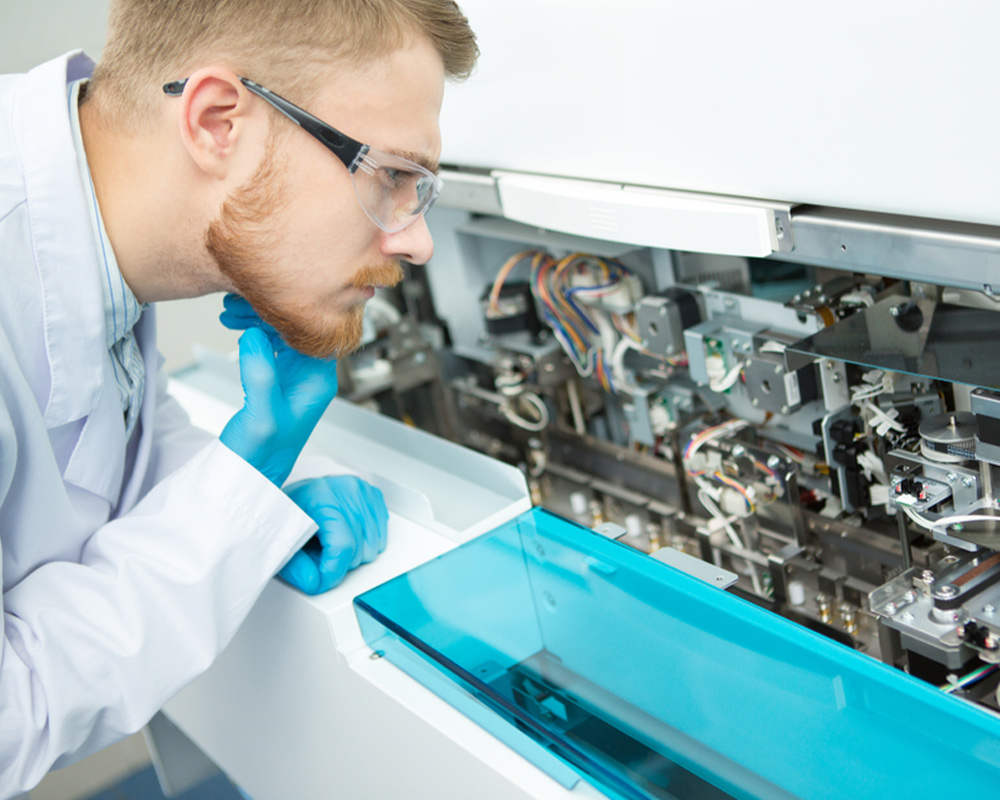
The future of healthcare is inextricably linked to technological innovation. As medical devices become more intelligent, interconnected, and personalized, the role of the biomedical technician will continue to evolve. We are seeing the rise of AI-powered diagnostics, telemedicine platforms requiring robust connectivity, and increasingly complex wearable health monitoring devices. Biomedical technicians will need to adapt their skillsets to encompass these emerging technologies.
The demand for skilled biomedical technicians is expected to remain strong, driven by the aging population, the increasing prevalence of chronic diseases, and the continuous advancement of medical technology. Their role will likely expand to include greater involvement in the cybersecurity of medical devices, ensuring the protection of sensitive patient data. As the healthcare industry strives for greater efficiency, improved patient outcomes, and more personalized care, the expertise and dedication of biomedical technicians will continue to be indispensable. They are the vital guardians of the technological heart of modern medicine, ensuring that innovation translates into tangible benefits for patients worldwide.
aViewFromTheCave is a participant in the Amazon Services LLC Associates Program, an affiliate advertising program designed to provide a means for sites to earn advertising fees by advertising and linking to Amazon.com. Amazon, the Amazon logo, AmazonSupply, and the AmazonSupply logo are trademarks of Amazon.com, Inc. or its affiliates. As an Amazon Associate we earn affiliate commissions from qualifying purchases.