
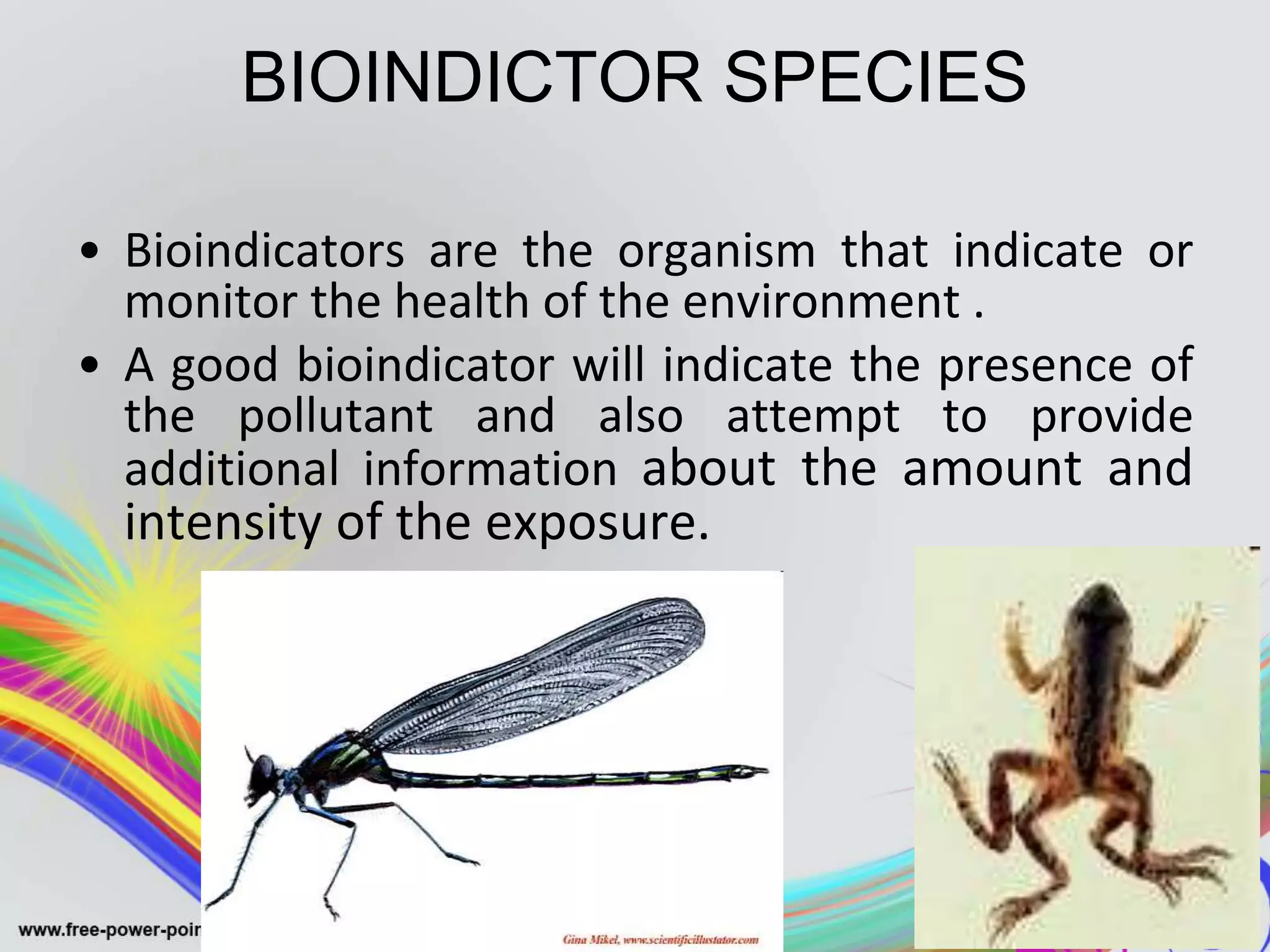
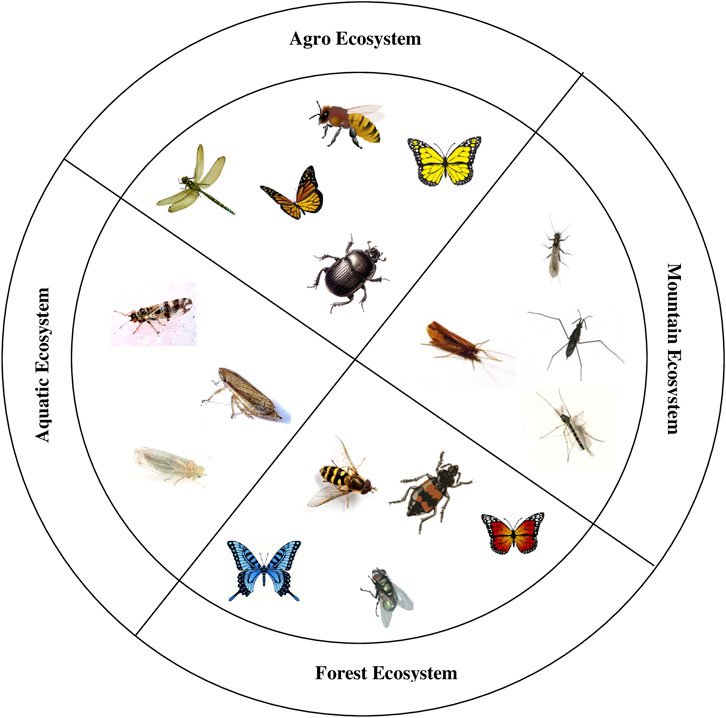
In the rapidly evolving landscape of environmental technology, the concept of a “bioindicator” has transcended its traditional roots in biology and ecology. Historically, a bioindicator was simply a species or biological process used to screen the health of an ecosystem—the “canary in the coal mine.” Today, however, bioindicators represent a sophisticated frontier in Tech, where biological systems are integrated with Internet of Things (IoT) sensors, Artificial Intelligence (AI), and synthetic biology to provide high-fidelity environmental insights.
As we face global challenges like climate change and resource scarcity, the tech sector is leveraging bioindicators as the ultimate “hardware” for environmental monitoring. This article explores how modern technology is digitizing biological signals, turning nature’s responses into structured data sets that drive industrial decisions and digital security.
1. The Evolution of Bioindicators: From Field Observations to High-Tech Sensors
The transition of bioindicators from manual observation to digital integration marks a significant milestone in environmental tech. In the past, scientists would physically count species to determine water quality. Now, we use integrated hardware-software stacks to monitor these organisms in real-time.
Bridging Biology and Bitrate
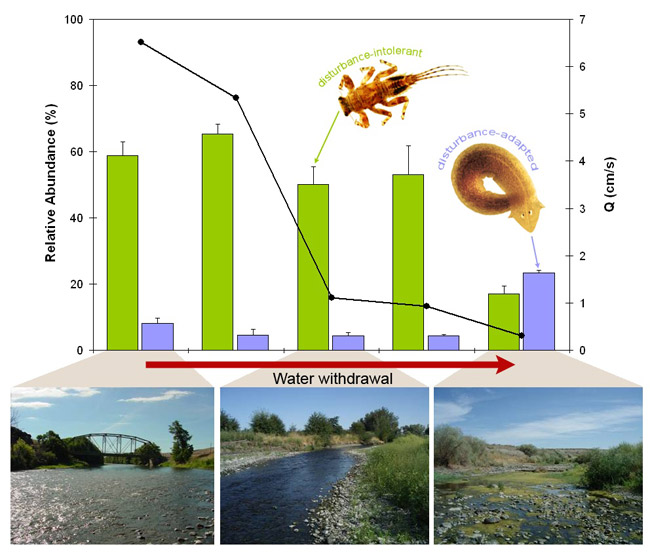
The fundamental challenge in modern environmental tech is the “analog-to-digital” conversion of nature. Bioindicators, such as certain types of lichen, algae, or macroinvertebrates, respond to chemical changes with high sensitivity. Modern tech startups are now developing “Bio-MEMS” (Micro-Electro-Mechanical Systems) that can be embedded in or near these organisms. These devices capture biological reactions—such as changes in chlorophyll fluorescence in plants or the heart rate of bivalves—and convert them into digital signals. This process allows for a continuous stream of data that was previously impossible to obtain through periodic manual sampling.
The Role of IoT in Real-Time Environmental Monitoring
The Internet of Things (IoT) has revolutionized the scale at which we can deploy bioindicator technology. Smart sensors are now deployed across vast geographical areas, using Low Power Wide Area Networks (LPWAN) to transmit data from biological nodes to a central cloud server. For instance, “smart beehives” act as bioindicators for local biodiversity and pesticide levels. These hives are equipped with acoustic sensors and image recognition software that analyze bee behavior and mortality, sending instant alerts to agricultural tech platforms when anomalies are detected. By treating a biological colony as a distributed sensor network, tech companies can provide granular, real-time environmental maps.
Digital Twins of Ecosystems
One of the most exciting applications of bioindicator tech is the creation of “Digital Twins.” By feeding real-time biological data into sophisticated 3D models, developers can create virtual replicas of forests, rivers, or urban spaces. These Digital Twins allow urban planners and environmental engineers to run simulations. If a bioindicator (like a specific moss) shows stress in the digital model due to projected increases in humidity or pollution, the physical infrastructure can be adjusted before the damage becomes irreversible.
2. AI and Machine Learning in Bioindicator Data Analysis
Raw data from biological systems is notoriously noisy. Biological organisms do not behave like silicon chips; they are influenced by myriad variables. This is where Artificial Intelligence and Machine Learning (ML) become indispensable components of the bioindicator tech stack.
Predictive Modeling for Ecological Preservation
Machine learning algorithms excel at pattern recognition within complex datasets. By training models on historical bioindicator data—such as the migration patterns of birds or the growth rates of coral reefs—AI can predict environmental shifts months in advance. Tech firms are now offering “Ecology-as-a-Service,” where ML models analyze bioindicator responses to forecast things like toxic algal blooms or forest health decline. These predictive tools are vital for industries like sustainable forestry and commercial fishing, where early warnings can save millions in lost assets.
Computer Vision and Automated Species Identification
Computer vision, a subset of AI, has streamlined the way we use bioindicators. In the past, identifying sensitive species required expert taxonomists. Today, mobile apps and drone-mounted cameras use deep learning models to identify bioindicator species in the wild instantly. Using libraries like TensorFlow or PyTorch, developers have created tools that analyze photos of leaf patterns or insect morphology to assess environmental stress levels. This democratization of data collection allows “citizen science” apps to feed high-quality data into global environmental databases, effectively turning every smartphone into a biological sensor.
Algorithmic Filtering of Biological Noise
The “noise” in biological data often comes from natural fluctuations, such as seasonal changes or circadian rhythms. Sophisticated software filters use digital signal processing (DSP) techniques to isolate the “stress signal” from the “background noise.” For example, if a bioindicator fish’s movement slows down, the AI must determine if this is due to a chemical pollutant (the target data) or simply lower nighttime temperatures (the noise). High-performance computing (HPC) environments are used to process these multi-variant datasets, ensuring that the insights provided to decision-makers are accurate and actionable.
3. Synthetic Bioindicators: The Next Frontier of Programmable Matter
As we look toward the future of Tech, we are moving beyond using existing organisms to creating “Synthetic Bioindicators.” Through synthetic biology and genetic engineering, researchers are designing organisms that function specifically as digital reporting tools.
Engineered Microorganisms as Digital Reporting Tools
Synthetic biology allows us to treat DNA like software code. By “programming” bacteria to change color or emit a specific protein in the presence of a heavy metal, scientists have created the ultimate bioindicator. From a tech perspective, these are biological circuits. When these engineered microbes detect a target substance, they “fire” a signal that can be read by an optical sensor. This data is then uploaded to a blockchain or database, providing an immutable record of environmental compliance for industrial sites.
Nanotechnology and the Integration of Biosensors
The intersection of nanotechnology and bioindicators is creating a new class of “cyborg” sensors. Nano-sensors can be integrated into the vascular systems of plants, turning a common garden shrub into a high-tech monitoring station. These “nanobionic” plants can detect explosives or groundwater contaminants and transmit that information wirelessly to a nearby handheld device. This integration of hardware (nanotech) and software (plant biology) represents a paradigm shift in how we perceive “gadgets” in the environmental space.
Lab-on-a-Chip (LoC) Technologies
Lab-on-a-chip technology is miniaturizing the laboratory, allowing bioindicator analysis to happen in the palm of a hand. These microfluidic devices use tiny biological samples—such as DNA or enzymes—to detect pathogens or pollutants. For tech professionals, LoC represents a massive leap in edge computing. Instead of sending samples to a centralized lab, the data is processed at the source (the “edge”), reducing latency and allowing for immediate response protocols.
4. Digital Security and the Ethics of Biological Data
With the rise of bioindicator technology comes a new set of challenges regarding digital security and data ethics. As biological systems become integrated into our global data infrastructure, protecting that data becomes a matter of national and ecological security.
Protecting Sensitive Bio-Data
The data generated by bioindicators is incredibly sensitive. For instance, if a tech company monitors a rare species that serves as a bioindicator for a mineral-rich area, that data could be intercepted by illegal poachers or unauthorized mining operations. Cybersecurity in the realm of environmental tech involves encrypting the “bio-to-cloud” pipeline. Implementing robust end-to-end encryption and multi-factor authentication for environmental monitoring platforms is no longer optional; it is a necessity to prevent “eco-hacking.”
The Intersection of Cybersecurity and Environmental Surveillance
As we rely more on automated systems to monitor bioindicators, the risk of “data spoofing” increases. A malicious actor could potentially hack a sensor network to report healthy bioindicator levels while secretly dumping pollutants into a river. This has led to the development of “Bio-Cryptography,” where biological signatures are used to verify the authenticity of environmental reports. Blockchain technology is also being explored as a way to create a transparent, tamper-proof ledger of bioindicator data, ensuring that corporate ESG (Environmental, Social, and Governance) reports are based on verifiable biological facts.
Ethical AI and Biological Autonomy
Finally, the tech community must grapple with the ethics of using living organisms as data points. As we integrate AI with biological systems, questions of “biological consent” and the impact of synthetic organisms on the natural gene pool arise. Professional tech organizations are currently drafting frameworks for “Responsible Bio-Tech,” ensuring that the drive for data does not come at the cost of the very ecosystems we are trying to monitor.
In conclusion, a bioindicator is no longer just a biological curiosity; it is a critical component of the modern tech stack. By combining the sensitivity of nature with the power of IoT, AI, and synthetic biology, we are building a more responsive and intelligent world. As these technologies continue to converge, the line between “nature” and “tech” will continue to blur, leading us toward a future where our digital systems and biological environments operate in a seamless, data-driven harmony.
aViewFromTheCave is a participant in the Amazon Services LLC Associates Program, an affiliate advertising program designed to provide a means for sites to earn advertising fees by advertising and linking to Amazon.com. Amazon, the Amazon logo, AmazonSupply, and the AmazonSupply logo are trademarks of Amazon.com, Inc. or its affiliates. As an Amazon Associate we earn affiliate commissions from qualifying purchases.