
The term “Biden pill penalty” has recently emerged in discussions surrounding the Inflation Reduction Act (IRA) of 2022. While the phrase is not a formal legal or legislative term, it is frequently used by critics and industry analysts to describe the potential financial and operational repercussions for pharmaceutical companies that refuse to participate in the Medicare drug price negotiation program. To understand the financial implications for investors, retirees, and the healthcare sector, it is essential to dissect the structural changes the IRA has imposed on how prescription drugs are priced and reimbursed in the United States.

The Mechanism of the Inflation Reduction Act
At the heart of the “pill penalty” discussion is the expansion of Medicare’s authority to negotiate the prices of certain high-cost, single-source drugs. For decades, Medicare was effectively prohibited from directly negotiating drug prices, leaving pharmaceutical manufacturers to set list prices based on market demand and exclusivity periods. The IRA fundamentally altered this dynamic.
The Negotiation Process
The Centers for Medicare & Medicaid Services (CMS) now identifies a subset of high-expenditure drugs—specifically those without generic or biosimilar competition—for price negotiation. If a pharmaceutical manufacturer reaches an agreement with CMS, the resulting price is termed the “Maximum Fair Price” (MFP). This price applies to both Medicare Part B and Part D.
The Financial Consequences of Non-Compliance
The “penalty” component arises when a company chooses not to comply with the negotiation process or refuses to accept the agreed-upon price. The legislation imposes a steep excise tax on the manufacturer of the non-compliant drug. This tax starts at 65% of the drug’s U.S. sales and can escalate to as high as 95% if the manufacturer continues to remain non-compliant over a period of years. This excise tax is so prohibitive that it effectively forces companies into a “take it or leave it” scenario, which analysts argue acts as a mandatory price-setting mechanism rather than a true negotiation.
Financial Implications for Investors and Shareholders
For the investor, the “pill penalty” represents a significant shift in the risk-reward profile of the pharmaceutical industry. Historically, biotech and big pharma stocks were valued largely on their ability to command premium pricing for innovative treatments during their periods of patent protection. The IRA forces a re-evaluation of these valuation models.
Valuation Adjustments
When a blockbuster drug is selected for negotiation, its long-term revenue projections must be downgraded. Investors are now looking at discounted cash flow models that assume a ceiling on pricing growth once a drug reaches the “negotiation age”—seven years for small-molecule drugs and eleven years for biologics. This creates a “valuation cliff” that can lead to increased volatility in pharmaceutical equities.
Strategic Capital Allocation
Faced with these new constraints, many pharmaceutical companies are pivoting their R&D strategies. There is a discernible shift away from drugs that may quickly fall under the negotiation umbrella and toward therapeutic areas with different exclusivity profiles or those that might qualify for the orphan drug exemption. From a portfolio management perspective, this means that “Big Pharma” is becoming a more capital-intensive, lower-margin industry than it was in the previous decade. Investors are increasingly scrutinizing the “negotiation-readiness” of a company’s pipeline before committing capital.

The Impact on Personal Finance and Healthcare Spending
While the term “pill penalty” focuses on the impact to corporations, the broader goal of the policy is to influence the personal finance landscape for seniors and those on fixed incomes. The IRA introduces several mechanisms designed to reduce out-of-pocket costs, which are partially funded by the revenue adjustments and negotiation savings realized by Medicare.
Capping Out-of-Pocket Expenses
The legislation introduced a $2,000 annual cap on out-of-pocket prescription drug costs for Medicare Part D enrollees, starting in 2025. This is a massive shift for individuals managing chronic conditions like diabetes, cancer, or heart disease, who previously faced uncapped expenses. By mitigating the “catastrophic” phase of drug spending, the government is effectively redistributing the financial burden of high-cost specialty drugs away from the individual patient and toward the manufacturers via the negotiation framework.
Long-Term Financial Planning for Retirees
For individuals planning their retirement, the landscape of healthcare budgeting is becoming more predictable, though still complex. The “pill penalty” mechanism acts as a buffer against skyrocketing drug inflation. However, retirees must be aware that the negotiation process only applies to a limited number of drugs each year. Consequently, personal financial planning must still account for the possibility of secondary or tertiary medications that may not be subject to these negotiations and could still see price increases tied to the Consumer Price Index (CPI).
Evaluating the Economic Trade-offs
The debate surrounding the “pill penalty” is essentially an argument over the economic health of the healthcare innovation ecosystem versus the affordability of essential care. Critics argue that the penalties are so steep that they will stifle innovation, leading to a “paucity of pills” in the future. They contend that the high profits from current drugs are the essential fuel for high-risk research into future cures. By capping prices, the government is effectively taxing the R&D budgets of the future.
Innovation vs. Accessibility
From a macroeconomic perspective, the “pill penalty” is a redistribution of revenue. Proponents of the legislation argue that the price of U.S. drugs has far outpaced both the cost of production and the prices paid in other developed nations. They view the negotiation and the accompanying penalty for non-compliance as a necessary correction to a market failure where consumers were held hostage by proprietary pricing power.
Market Dynamics and Future Policy
The pharmaceutical industry is not passive in this environment. We are witnessing increased litigation challenging the constitutionality of the Medicare negotiation program. Companies are also adjusting their product life cycle strategies, focusing on “line extensions” or novel delivery methods to reset the clocks on their drugs. For the market participant, this means that the “pill penalty” is not just a one-time regulatory hurdle but an ongoing game of cat-and-mouse between federal regulators and corporate legal departments.
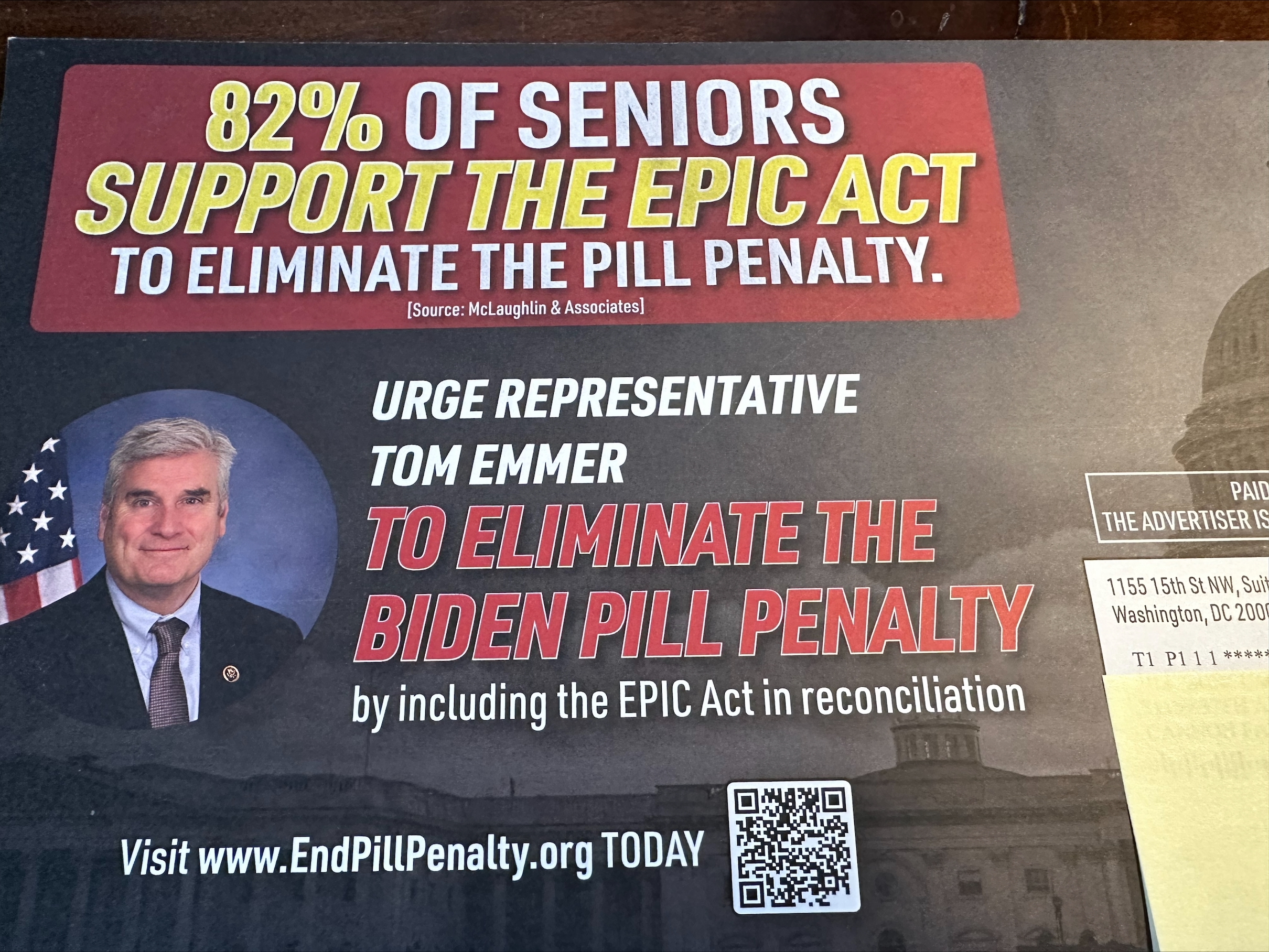
Conclusion: The New Normal
Whether one views the “pill penalty” as a necessary consumer protection or an existential threat to medical innovation, its impact on the financial landscape is undeniable. For businesses, the focus has shifted toward compliance management, legal challenges, and the strategic selection of R&D targets that avoid the Medicare negotiation triggers. For investors, the era of unbridled pricing power in the pharmaceutical sector is coming to a close, requiring a more granular, fundamental analysis of company pipelines. And for the individual consumer, the landscape offers a future of capped costs, provided that the current regulatory structure can withstand the inevitable legal and political pressures.
Understanding this dynamic is crucial for anyone engaged in healthcare investment or long-term financial planning. The “pill penalty” is not merely a political talking point; it is a fundamental restructuring of one of the world’s most profitable industries. As the implementation of the Inflation Reduction Act continues, stakeholders across the spectrum must remain vigilant, as the secondary and tertiary effects of these policies will continue to reshape the economics of healthcare for years to come.
aViewFromTheCave is a participant in the Amazon Services LLC Associates Program, an affiliate advertising program designed to provide a means for sites to earn advertising fees by advertising and linking to Amazon.com. Amazon, the Amazon logo, AmazonSupply, and the AmazonSupply logo are trademarks of Amazon.com, Inc. or its affiliates. As an Amazon Associate we earn affiliate commissions from qualifying purchases.