
In the world of high-end gastronomy and premium retail, certain names carry a weight that transcends the product itself. In the automotive world, it is Ferrari; in watches, it is Patek Philippe. In the realm of livestock and premium protein, that name is the Berkshire pig.
To the uninitiated, a Berkshire pig is simply a heritage breed of swine. However, to a brand strategist or a corporate identity specialist, the Berkshire pig represents one of the most successful examples of “premiumization” in the agricultural sector. It is a case study in how a biological entity can be transformed into a global luxury brand—often referred to as the “Wagyu of Pork.”

This article explores the Berkshire pig not through the lens of zoology, but through the lens of brand strategy, narrative marketing, and the cultivation of a prestige identity that allows a 300-year-old breed to dominate the modern luxury market.
The Genesis of the Brand: From Farm to Royal Pedigree
The foundation of any enduring brand is its origin story. The Berkshire pig possesses a narrative that most modern startups would spend millions to manufacture. Its identity is rooted in history, tradition, and an accidental endorsement by the British monarchy.
The British Origins and the Royal Connection
The Berkshire breed originated in the English county of Berkshire in the early 1700s. Legend has it that the breed was discovered by the army of Oliver Cromwell during the English Civil War. However, the brand truly gained its “royal” status when Queen Victoria began breeding them at Windsor Castle.
From a brand strategy perspective, this “Royal Connection” serves as a powerful credibility marker. It provides an immediate sense of exclusivity and historical weight. In marketing, we call this the “Heritage Narrative.” By positioning the Berkshire pig as the preferred choice of the British aristocracy, the brand moves away from being a mere commodity and becomes a symbol of status and refined taste.
Defining the Brand Identity through Genetic Integrity
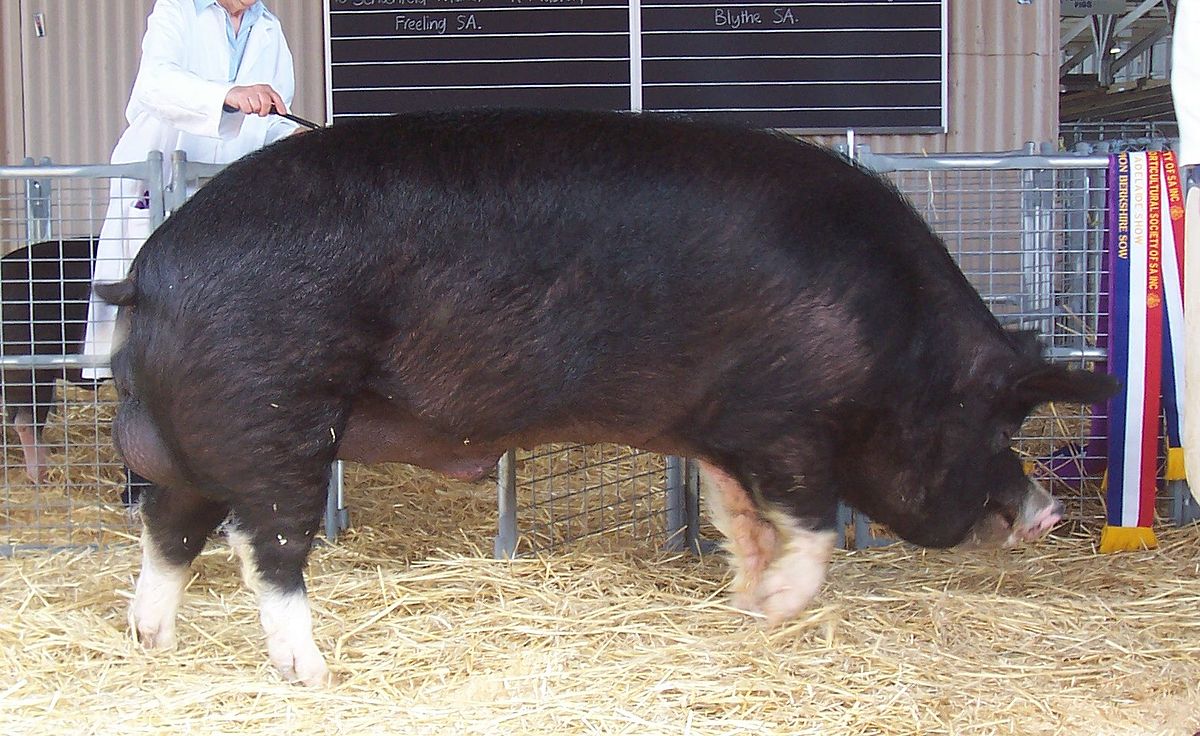
A brand is a promise of consistency. For the Berkshire pig, that consistency is maintained through a closed genetic pool. Unlike industrial “commodity” pigs, which are bred for lean meat and rapid growth, the Berkshire brand is built on fat content, marbling, and flavor.
By maintaining strict standards for what constitutes a “pure” Berkshire, the industry has created a “Certificate of Authenticity.” This genetic integrity is the equivalent of a “Made in Italy” stamp or a Swiss-made movement in a watch. It tells the consumer that the product they are purchasing adheres to a specific set of quality standards that cannot be replicated by mass-market competitors.
The Kurobuta Pivot: A Masterclass in Global Brand Re-Positioning
While the Berkshire pig began in England, its transformation into a global luxury powerhouse was finalized in Japan. This phase of the brand’s evolution is a masterclass in how to re-position a product for a high-value niche market.
From Berkshire to Kurobuta: The Japanese Influence
In the mid-20th century, the Japanese market recognized the superior quality of the Berkshire pig and began importing the breed. They rebranded it as “Kurobuta,” which literally translates to “Black Pig.”
This linguistic shift was a stroke of branding genius. By giving the breed a new name that resonated with the Japanese aesthetic of culinary excellence, they were able to distance the product from western industrial farming. “Kurobuta” sounds exotic, intentional, and premium. It allowed the brand to occupy a space in the consumer’s mind alongside other Japanese luxury exports like Wagyu beef.
Branding the “Wagyu of Pork”
The most effective marketing strategies often use analogies to help consumers understand value. The “Wagyu of Pork” tag is one of the most successful examples of brand association in recent history. By tethering the Berkshire pig to the established prestige of Wagyu, marketers were able to justify a 200% to 300% price premium over standard pork.
This strategy focuses on the “sensory brand experience.” The marbling of the meat, the lower pH level (which results in better moisture retention), and the darker color of the flesh are all marketed as visual and physical cues of a superior brand. In brand design, every touchpoint must reinforce the premium nature of the product, and the Berkshire pig’s physical characteristics provide the perfect canvas for this.

Strategic Scarcity: How Modern Producers Protect the Brand Value
One of the greatest threats to a luxury brand is over-saturation. When a product becomes too common, its prestige diminishes. The Berkshire pig industry has navigated this challenge by utilizing “Strategic Scarcity.”
Certified Berkshire: Ensuring Quality Control and Brand Trust
To prevent the dilution of the Berkshire name, organizations like the American Berkshire Association (ABA) have implemented rigorous certification programs. For a product to bear the “Certified Berkshire” seal, it must meet specific genetic requirements.
This certification serves as a “Trust Signal.” In an era of “greenwashing” and deceptive labeling, the Berkshire brand protects its value by providing verifiable proof of its claims. This is similar to how the Appellation d’Origine Contrôlée (AOC) protects the brand of French wines. By restricting who can use the name, they ensure that the market is not flooded with inferior “look-alike” products that could damage the brand’s reputation.
The Role of Direct-to-Consumer Marketing in Heritage Branding
Modern Berkshire producers have moved away from traditional commodity auctions and toward direct-to-consumer (DTC) and high-end restaurant partnerships. This shift allows the brand to control the narrative.
When you purchase Berkshire pork from a boutique farm, you aren’t just buying meat; you are buying into the “Farm-to-Table” movement. You are buying an ethos of animal welfare, sustainable agriculture, and artisanal craftsmanship. This alignment with consumer values is a core component of modern brand strategy. The pig becomes a vehicle for a larger social and ethical brand story.
The Experience Economy: Selling a Story, Not Just a Protein
In the 21st century, consumers—especially Millennials and Gen Z—are looking for experiences rather than just products. The Berkshire pig fits perfectly into the “Experience Economy.”
Narrative-Driven Marketing in High-End Culinary Spaces
High-end chefs are the primary brand ambassadors for Berkshire pork. When a Michelin-starred restaurant lists “Heritage Berkshire Pork” on its menu, it is leveraging the pig’s brand equity to justify its menu prices.
This is a symbiotic brand relationship. The restaurant gains credibility by serving a world-renowned ingredient, and the Berkshire breed gains further prestige by being associated with culinary elite. The marketing is not about the “meat”; it is about the “story of the meal.” It is about the specific farm in Iowa or the rolling hills of the Cotswolds. This narrative-driven marketing transforms a meal into a memorable event.
Sustainability and Ethics as Brand Pillars
Modern branding requires more than just a good product; it requires a soul. The Berkshire pig brand has leaned heavily into the “Ethical Luxury” niche. Because these pigs require more space, a more natural diet, and a longer growth cycle than industrial pigs, they are naturally positioned as the more “humane” and “eco-friendly” choice.
By highlighting these ethical considerations, the Berkshire brand appeals to the “Conscious Consumer.” This demographic is willing to pay more for a brand that aligns with their personal values regarding environmental stewardship and animal welfare. The brand identity has thus evolved from purely “Tastiest” to “Tastiest and Most Responsible.”
Lessons for Modern Brand Strategists: What We Can Learn from the Berkshire Success
The story of the Berkshire pig offers several vital takeaways for brand strategists in any industry, whether they are working in tech, fashion, or food.
- Leverage Heritage: Even a new brand can find ways to tap into tradition or “founder lore” to create a sense of permanence and trust.
- Focus on Differentiation: In a sea of “commodity” products, the Berkshire pig succeeded by doubling down on the very traits (fat and slow growth) that industrial competitors tried to eliminate.
- Control the Name: Whether it’s “Kurobuta” or “Certified Berkshire,” controlling the nomenclature and the certifications around your brand is essential for maintaining premium pricing.
- Partner with Influencers: The breed’s success is inseparable from its adoption by world-class chefs and royal figures. Identifying and courting the “gatekeepers” of your industry is essential for prestige.
In conclusion, a Berkshire pig is far more than an animal. It is a carefully curated brand that has survived centuries by evolving its narrative while staying true to its core value proposition. It is a testament to the power of heritage, the effectiveness of strategic re-positioning, and the enduring value of quality in a world often dominated by the “fast and cheap.” For anyone looking to build a brand that lasts, the Berkshire pig provides a blueprint for excellence.
aViewFromTheCave is a participant in the Amazon Services LLC Associates Program, an affiliate advertising program designed to provide a means for sites to earn advertising fees by advertising and linking to Amazon.com. Amazon, the Amazon logo, AmazonSupply, and the AmazonSupply logo are trademarks of Amazon.com, Inc. or its affiliates. As an Amazon Associate we earn affiliate commissions from qualifying purchases.