
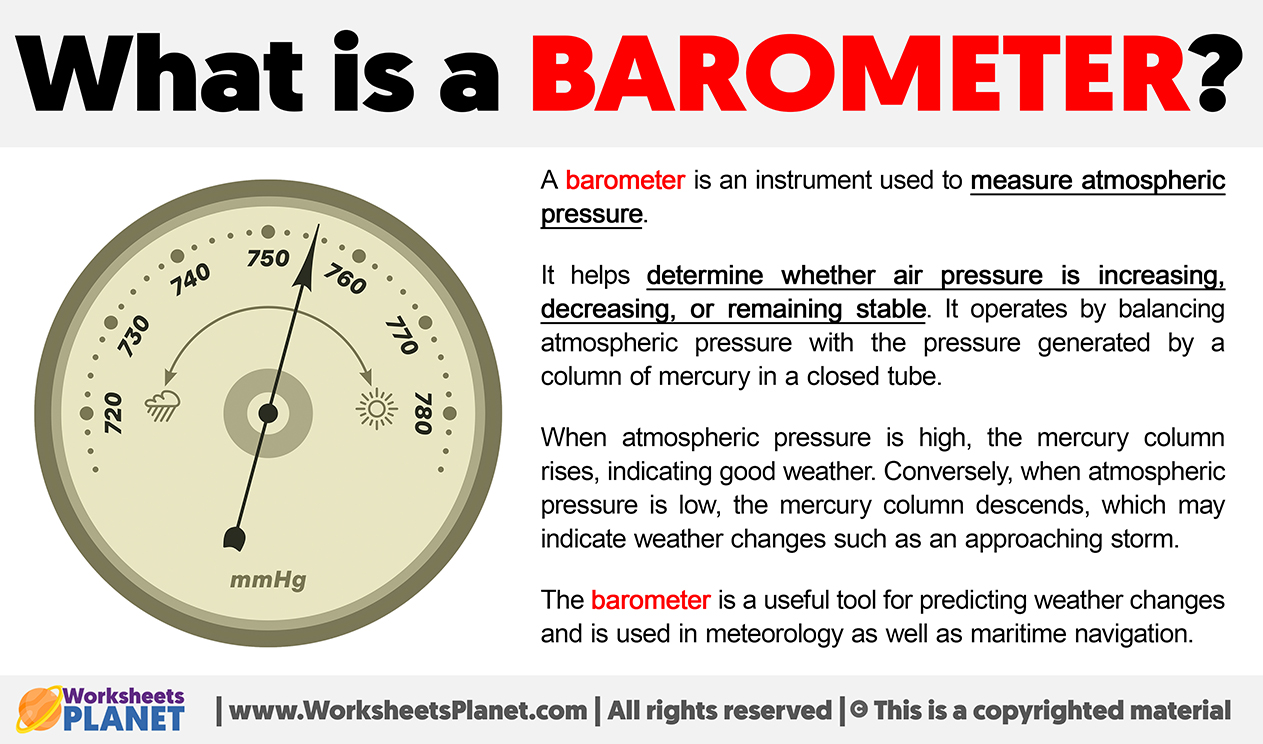
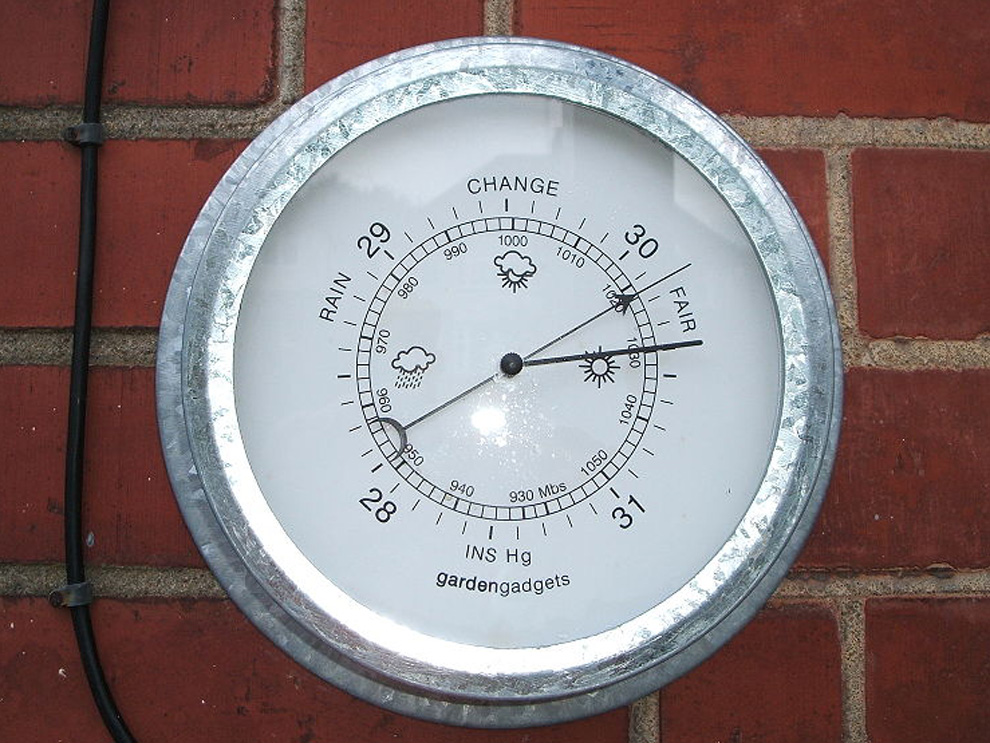
In the traditional sense, a barometer is a scientific instrument used to measure atmospheric pressure—a crucial tool for meteorologists to predict shifts in the weather. However, in the sophisticated world of high finance, global markets, and personal wealth management, the term “barometer” takes on a much more profound meaning. For the modern investor or business leader, a barometer is a multifaceted analytical tool used to gauge the “pressure” within the economy. Just as a falling needle on a physical barometer warns a sailor of an approaching storm, financial barometers signal impending market volatility, shifts in consumer behavior, or the onset of an economic recession.
Understanding what a barometer is used for in a financial context is essential for anyone looking to navigate the complexities of investing, business strategy, and long-term wealth preservation. By monitoring these economic instruments, professionals can move from reactive decision-making to a proactive strategy that anticipates changes before they manifest in the bottom line.
The Financial Barometer: Measuring Market Pressure and Investor Sentiment
In the realm of money and investing, a barometer serves as an indicator of the underlying health of an ecosystem. It is rarely a single number; rather, it is a synthesis of data points that reflect the collective confidence or anxiety of millions of market participants.
Decoding the “Pressure” of Volatility
The most direct equivalent to atmospheric pressure in finance is market volatility. The CBOE Volatility Index, commonly known as the VIX, is often referred to as the “Fear Barometer.” It measures the market’s expectation of 30-day volatility based on S&P 500 index options. When the “pressure” rises on the VIX, it indicates that investors are nervous, often leading to a sell-off or a flight to “safe-haven” assets like gold or Treasury bonds. Conversely, a low reading suggests a period of calm and complacency. For a seasoned investor, using the VIX as a barometer helps in determining when to hedge a portfolio or when to look for buying opportunities amidst the chaos.
Sentiment Analysis as a Leading Indicator
Beyond raw numbers, barometers are used to track human psychology. Behavioral finance teaches us that markets are not always rational; they are driven by the twin engines of fear and greed. Sentiment barometers, such as the CNN Fear & Greed Index or the AAII Investor Sentiment Survey, provide a snapshot of where the crowd is leaning. Professional traders use these barometers as contrarian indicators. When the barometer shows “extreme greed,” it often suggests the market is overbought and due for a correction. When it shows “extreme fear,” it may signal that the selling is exhausted and a recovery is imminent.
Key Economic Barometers Every Investor Should Track
To manage money effectively, one must look beyond individual stocks and understand the broader macro environment. Economic barometers act as the early warning systems for the global financial “weather.”
The Yield Curve: The Bond Market’s Forecast
Perhaps the most respected barometer in the world of finance is the Treasury Yield Curve. Specifically, the spread between the 2-year and 10-year Treasury notes is watched with intense scrutiny. Under normal conditions, longer-term bonds pay higher interest than shorter-term ones. However, when the curve “inverts”—meaning short-term rates are higher than long-term rates—the barometer is signaling a lack of confidence in the near-term future. Historically, an inverted yield curve has been one of the most reliable barometers for predicting an upcoming recession, often providing a warning 12 to 18 months in advance.
Consumer Confidence Index (CCI)
Since consumer spending accounts for approximately 70% of the U.S. GDP, the Consumer Confidence Index is a vital barometer for business finance. This metric gauges how optimistic or pessimistic consumers are regarding their expected financial situation. A rising CCI suggests that households are comfortable spending on big-ticket items like homes and cars, which serves as a green light for corporate expansion and retail growth. For a business owner, this barometer is used to decide whether to increase inventory or scale back operations in anticipation of leaner times.

The S&P 500 as a Global Economic Gauge
While many view the S&P 500 simply as a stock index, it functions as a comprehensive barometer for corporate health. Because the index tracks 500 of the largest companies in the United States across all sectors, its movement reflects the aggregate profitability and outlook of the American corporate machine. When the S&P 500 trends upward, it indicates a “high-pressure” environment of growth, innovation, and capital accumulation. When it falters, it reflects systemic issues that could range from rising interest rates to supply chain disruptions.
Integrating Barometric Tools into Your Personal Finance Strategy
Understanding these indicators is only valuable if they are applied to practical money management. Using barometers allows an individual to move away from speculative “gambling” and toward evidence-based wealth building.
Risk Assessment and Asset Allocation
A primary use of financial barometers is the calibration of risk. If your personal “economic barometer” indicates that inflation is rising (via the Consumer Price Index) and interest rates are likely to follow, your strategy should shift. In a high-inflation environment, holding excess cash is detrimental to wealth because purchasing power is eroded. By using inflation barometers, investors can reallocate capital into “hard assets” or inflation-protected securities. This proactive adjustment ensures that the portfolio is “weather-proofed” against the changing economic climate.
Timing the Market vs. Time in the Market
While the old adage says that “time in the market beats timing the market,” barometers provide the nuance needed for tactical asset allocation. For instance, if valuation barometers like the Shiller P/E Ratio (which measures stock prices against average earnings over ten years) are at historic highs, it suggests that the market is “expensive.” An investor might not sell everything, but they might choose to stop adding new capital to overvalued sectors, instead redirecting it to undervalued areas or increasing their cash reserves to buy during the next “low-pressure” dip.
The Future of Financial Barometers: Big Data and Real-Time Analytics
As we move deeper into the digital age, the tools we use to measure economic pressure are becoming more precise and instantaneous. The “analog” barometers of the past—which often relied on lagging data released once a month—are being supplemented by high-frequency indicators.
AI-Driven Predictive Modeling
Artificial Intelligence is revolutionizing what a barometer can be. Modern financial institutions now use AI to scan millions of data points—from satellite imagery of retail parking lots to real-time shipping manifests—to create a “Nowcast.” This real-time barometer allows for a level of precision previously impossible. For an investor, these tools provide a glimpse into economic activity before official government reports are even drafted, allowing for faster reactions to emerging trends in the global supply chain or consumer demand.
Alternative Data: The New Frontiers of Measurement
We are seeing the rise of “alternative data” barometers. For example, search engine trends for terms like “unemployment benefits” or “debt consolidation” can serve as a real-time barometer for labor market stress. Similarly, social media sentiment analysis acts as a barometer for brand health and potential stock movements. For the modern money manager, these non-traditional barometers offer a competitive edge, providing a more granular view of the “micro-climates” within specific industries or demographics.
Conclusion: Mastering the Instruments of Wealth
In the final analysis, a barometer is much more than a device for predicting rain. In the world of money, it is the fundamental instrument of foresight. Whether it is the VIX measuring fear, the Yield Curve predicting recessions, or AI-driven analytics gauging real-time consumer shifts, these barometers provide the data necessary to protect and grow capital.
Successful financial planning requires the ability to read these instruments with a disciplined, dispassionate eye. By understanding what a barometer is used for—identifying trends, assessing risk, and forecasting shifts—you transform from a passive observer of the markets into an active navigator of your own financial destiny. In an era of constant economic flux, the ability to read the “pressure” of the markets is perhaps the most valuable skill any investor or business leader can possess. Through the diligent use of these financial barometers, one can ensure that their portfolio is prepared for the sunshine of a bull market and shielded against the inevitable storms of an economic downturn.
aViewFromTheCave is a participant in the Amazon Services LLC Associates Program, an affiliate advertising program designed to provide a means for sites to earn advertising fees by advertising and linking to Amazon.com. Amazon, the Amazon logo, AmazonSupply, and the AmazonSupply logo are trademarks of Amazon.com, Inc. or its affiliates. As an Amazon Associate we earn affiliate commissions from qualifying purchases.