
In an increasingly cashless society, the ability to facilitate digital transactions is no longer reserved for established corporations or retail storefronts. Whether you are selling a piece of high-end furniture, collecting funds for a group vacation, or managing a small-scale side hustle, understanding how to accept credit card payments for personal use is a vital financial skill. This shift toward digital liquidity allows individuals to bypass the inconveniences of physical cash and the delays of traditional checks.
However, moving money through credit networks involves a complex web of processing fees, security protocols, and tax implications. Transitioning from a casual observer to an active participant in the digital payment ecosystem requires a strategic understanding of the tools available and the financial consequences of using them.
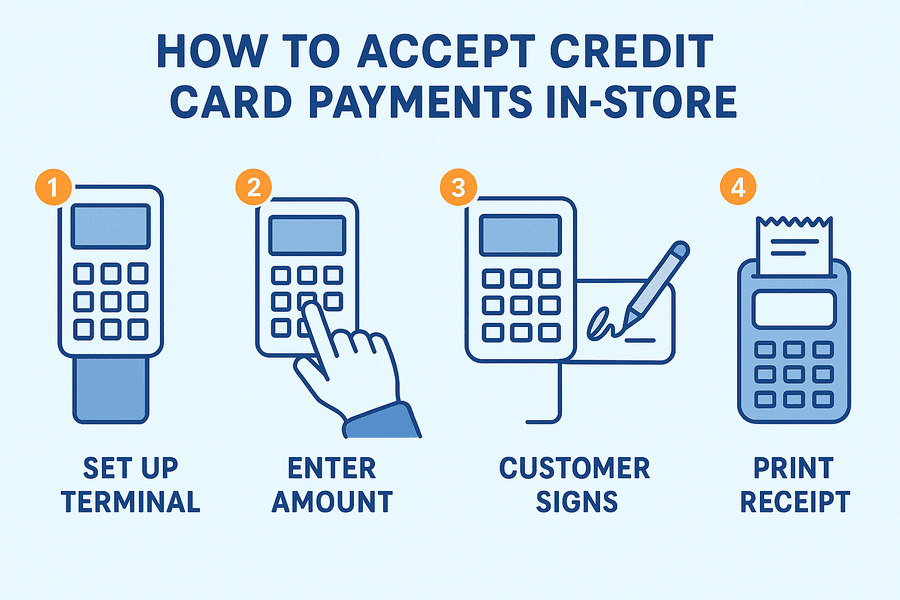
Understanding the Landscape of Peer-to-Peer (P2P) Payment Systems
The democratization of financial technology has led to a surge in Peer-to-Peer (P2P) platforms. These systems act as intermediaries, allowing individuals to send and receive funds using credit cards without needing a dedicated merchant bank account.
The Rise of the Cashless Personal Economy
The primary driver behind accepting credit cards for personal use is convenience. Most consumers carry digital wallets or cards rather than cash. For the recipient, accepting a credit card ensures immediate “proof of funds” and reduces the risk associated with bouncing checks. In a personal finance context, this means faster access to capital and a streamlined way to track incoming transfers.
Identifying When Personal Use Becomes a Business Activity
From a financial perspective, there is a thin line between “personal use” and “business activity.” Financial institutions and payment processors categorize transactions to mitigate risk. If you are collecting money for a one-time event—such as a wedding gift fund or selling an old bicycle—you are safely in the personal realm. However, if you begin accepting credit card payments regularly for services rendered, you may be reclassified as a sole proprietorship. Understanding this distinction is the first step in choosing the right tool, as business-classified accounts often carry higher fees but offer more robust protections.
Leading Financial Tools for Personal Credit Card Transactions
To accept credit cards, you must leverage a Third-Party Service Provider (TPSP). These platforms provide the infrastructure to “charge” a card and deposit the net amount into your bank account.
Digital Wallets: PayPal, Venmo, and Cash App
PayPal remains the global standard for personal credit card transactions. It offers a “Personal” account tier that allows users to receive money via a specialized link. Venmo, owned by PayPal, adds a social layer to transactions and is the preferred method for younger demographics.
When using these platforms for personal use, it is critical to understand the “Friends and Family” vs. “Goods and Services” distinction. Using “Friends and Family” generally avoids fees if the sender uses a bank account, but if they use a credit card, a percentage-based fee is usually applied to the sender or the recipient, depending on the settings. Cash App follows a similar model, providing a “Cashtag” that simplifies the receipt of funds.
Mobile POS Solutions for High-Value Personal Sales
If you are managing a significant personal transaction—such as selling a vehicle or expensive equipment—a simple P2P app might have too low a limit. In these cases, mobile Point-of-Sale (mPOS) systems like Square are invaluable. While Square is primarily marketed to businesses, individuals can sign up to use their card readers. This allows you to physically “dip” or “tap” a buyer’s card using a small dongle attached to your smartphone. This method provides a more professional experience and often higher transaction limits than standard P2P apps.
International Considerations: Wise and Revolut
For those who need to accept credit card payments from individuals in different countries, traditional P2P apps often fall short due to high currency conversion fees. Financial tools like Wise (formerly TransferWise) and Revolut allow for multi-currency “jars” or accounts. They provide a way to receive funds with transparent exchange rates, ensuring that the recipient doesn’t lose a significant portion of their money to hidden banking margins.
Assessing the Costs: Fees, Rates, and Hidden Charges

Accepting credit card payments is never truly free. The convenience of using the credit network is funded by transaction fees, and as the recipient, you must account for these in your personal budget.
The Standard 2.9% + $0.30 Model
Most major processors, including PayPal and Square, utilize a flat-rate pricing model. Typically, this sits around 2.9% of the total transaction plus a fixed fee of $0.30. For a $1,000 personal sale, this means you would receive approximately $970.70. While this may seem like a small price for security and speed, these fees can accumulate. When planning a high-value personal transaction, it is a sound financial strategy to decide whether you will absorb this cost or ask the sender to cover it by adjusting the sale price.
Avoiding Unnecessary Transaction Surcharges
Some platforms charge “Instant Transfer” fees. Once a credit card payment is accepted, the money typically sits in your app’s digital wallet. Moving that money to your actual bank account can take 1 to 3 business days for free. If you require the funds immediately, platforms often charge an additional 1% to 1.5%. Effective personal cash-flow management involves planning ahead so that you can utilize the free standard transfer options rather than losing a percentage to speed.
Security, Tax Compliance, and Financial Protection
One of the most overlooked aspects of accepting credit card payments personally is the regulatory environment. The IRS and other global tax authorities have become increasingly interested in digital payment platforms.
IRS 1099-K Requirements for Personal Transactions
In the United States, the tax code regarding digital payments has undergone significant shifts. Payment processors are now required to report gross payments for goods and services that exceed a certain threshold (the specific amount is subject to annual legislative updates, but has trended toward $600).
It is vital to categorize your incoming payments correctly. If you receive $1,000 from a friend as a reimbursement for a trip, it is a “personal gift/reimbursement” and is not taxable. However, if the sender marks it as “Goods and Services,” the platform may issue a 1099-K form to the IRS. Maintaining meticulous records of why you received a credit card payment is essential to avoid paying unnecessary income tax on non-taxable personal transfers.
Protecting Your Financial Data and Privacy
When you accept a credit card payment, you are engaging with sensitive financial data. Using reputable platforms ensures that you are not directly handling the sender’s credit card number, which limits your liability. To protect your own finances, enable Two-Factor Authentication (2FA) on all payment apps. Additionally, be wary of “overpayment scams,” where a buyer sends a credit card payment for more than the agreed amount and asks for a partial refund via a different method; this is a classic tactic used to exploit the “chargeback” feature of credit cards.
Strategic Tips for Managing Personal Digital Income
To master the art of accepting credit card payments, one must look beyond the transaction itself and focus on the long-term management of those funds.
Streamlining Transfers to Your Primary Bank Account
To maintain a clear financial trail, it is best practice to link your payment apps to a single, dedicated bank account. This makes it easier to reconcile your monthly statements. Instead of leaving balances scattered across Venmo, PayPal, and Cash App—where they do not earn interest—set a weekly “sweep” where you transfer all digital balances into a high-yield savings account. This ensures your money is working for you rather than sitting idle in a tech company’s ecosystem.
Best Practices for Dispute Resolution and Chargebacks
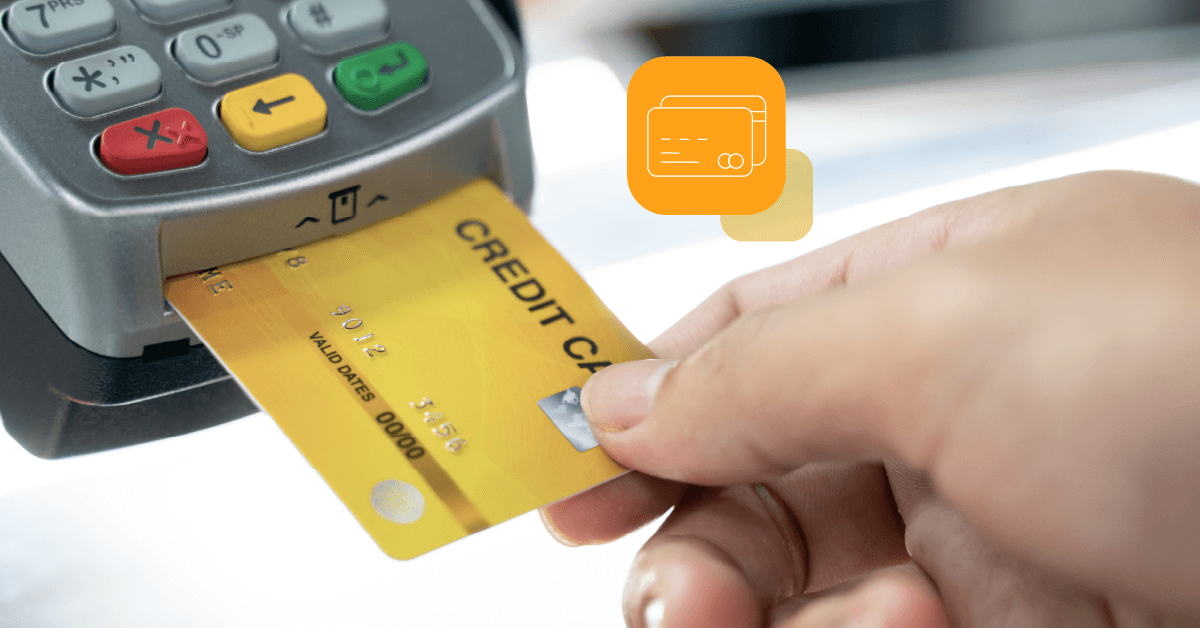
One major risk of accepting credit cards is the “chargeback.” A sender can contest a charge with their bank, claiming the transaction was unauthorized or that the goods weren’t delivered. Unlike cash, which is final, credit card payments can be reversed weeks after the fact.
To protect your personal finances, always keep evidence of the transaction. If you are selling an item, take photos of the item and keep a copy of the shipping receipt or a signed note from the buyer acknowledging receipt. In the event of a dispute, this documentation is your only defense against a forced reversal of funds.
By understanding these platforms, managing the associated costs, and staying compliant with tax regulations, you can safely and efficiently accept credit card payments for almost any personal need. This digital fluency is no longer an optional luxury—it is a cornerstone of modern personal financial management.
aViewFromTheCave is a participant in the Amazon Services LLC Associates Program, an affiliate advertising program designed to provide a means for sites to earn advertising fees by advertising and linking to Amazon.com. Amazon, the Amazon logo, AmazonSupply, and the AmazonSupply logo are trademarks of Amazon.com, Inc. or its affiliates. As an Amazon Associate we earn affiliate commissions from qualifying purchases.