
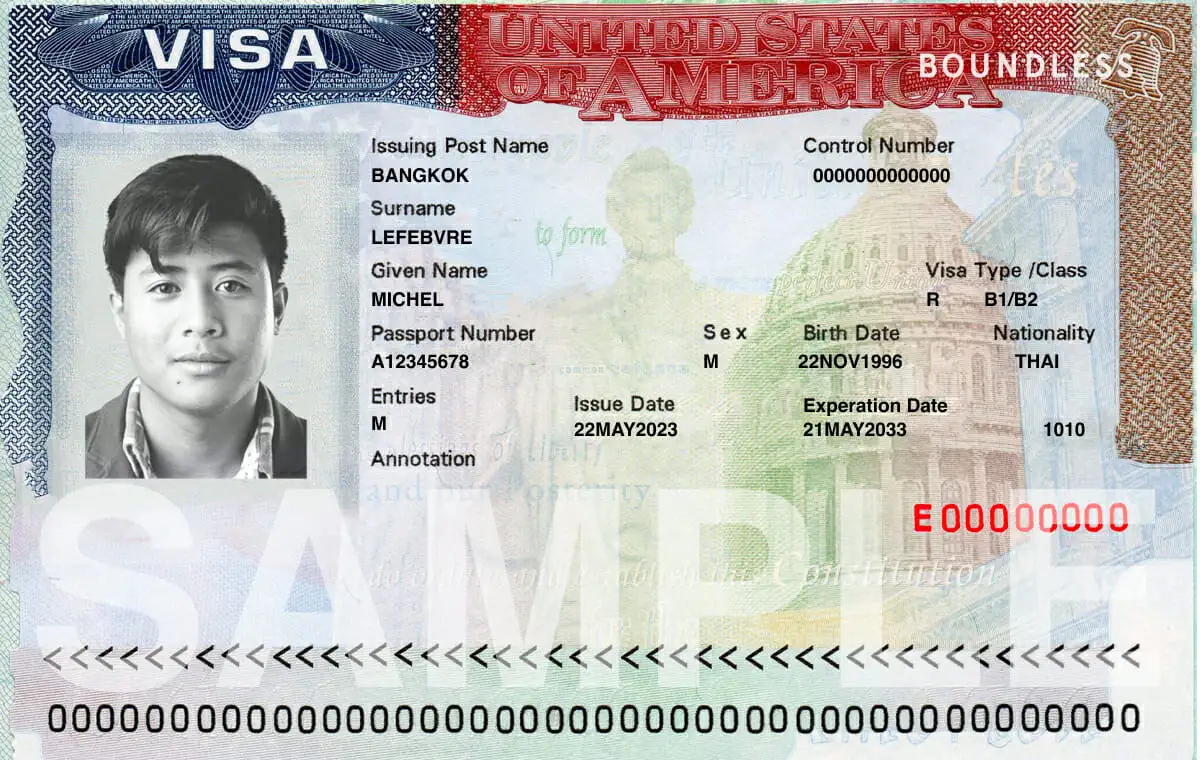
The United States remains a primary destination for global commerce, innovation, and tourism. For professionals, entrepreneurs, and leisure travelers, the B1/B2 American visa serves as the essential gateway to the American market and its diverse cultural landscape. Often referred to simply as the “visitor visa,” the B1/B2 is a non-immigrant document that facilitates short-term entry for individuals who do not intend to immigrate but seek to engage in specific commercial or personal activities.
From a financial and business perspective, securing a B1/B2 visa is more than just a bureaucratic hurdle; it is a strategic move. Whether you are looking to scout new investment opportunities, attend a high-level industry conference, or simply enjoy a sabbatical in the world’s largest consumer market, understanding the mechanics of this visa is critical for any global citizen’s financial portfolio.
Understanding the B1/B2 Visa as a Financial and Professional Asset
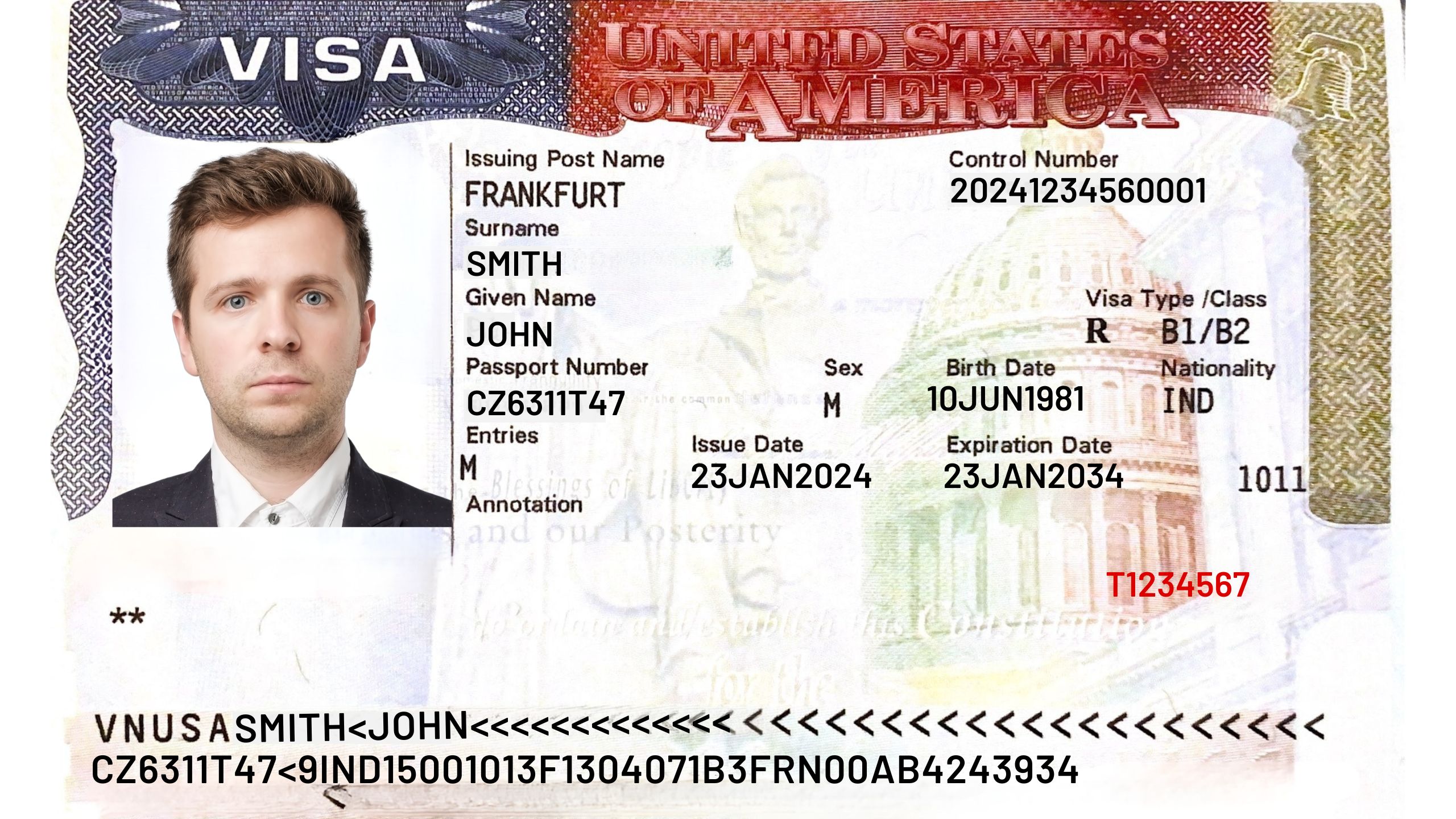
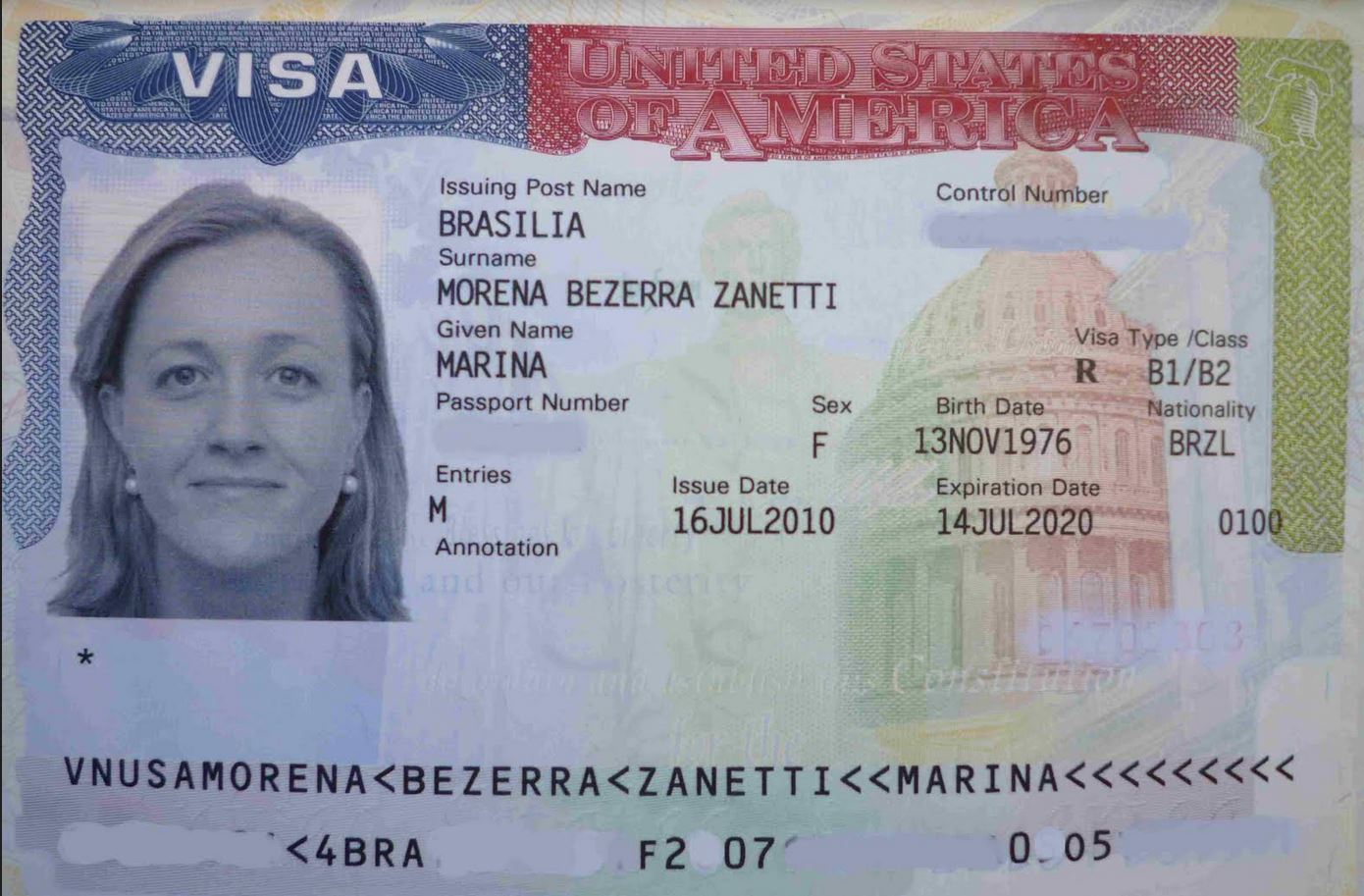
The B1/B2 visa is unique because it combines two distinct classifications into a single sticker in your passport. While most applicants receive a combined B1/B2 visa, it is helpful to understand the nuances of each category to ensure your activities align with U.S. immigration laws and your own professional goals.
The B1 Component: Networking and Business Development
The B1 visa is specifically designed for business-related travel. However, it is important to distinguish “business” from “employment.” Under a B1 visa, you cannot receive a salary from a U.S. source. Instead, the B1 allows you to engage in high-value activities that can lead to significant ROI (Return on Investment). These include:
- Contract Negotiation: Finalizing deals with U.S. suppliers or distributors.
- Consulting with Associates: Meeting with partners or board members of a U.S.-based entity.
- Litigation: Participating in legal proceedings or depositions.
- Market Research: Exploring the feasibility of expanding a foreign brand into the American market.
For the modern entrepreneur, the B1 component is an invaluable tool for global scaling. It provides the physical presence necessary to build trust with stakeholders—a factor that digital communication cannot always replicate.
The B2 Component: Tourism as a Reward and Personal Investment
The B2 visa covers “pleasure,” which encompasses tourism, visiting friends or family, and medical treatment. While this may seem purely recreational, from a personal finance perspective, travel is often viewed as a “life investment.” It contributes to global literacy, networking outside of professional circles, and mental well-being—all of which are pillars of long-term professional productivity. Furthermore, the B2 allows for seeking specialized medical care in the U.S., which represents a significant financial investment in one’s health and longevity.
The Financial Requirements and Proof of Solvency
One of the most critical aspects of the B1/B2 application process is demonstrating financial stability. The U.S. Department of State must be convinced that the applicant has the means to support themselves during their stay and, more importantly, that they have compelling “financial ties” to their home country that will ensure their return.
Demonstrating Financial Ties to Your Home Country
Consular officers look for “strong ties” to the applicant’s country of residence. From a money management perspective, this means showing a stable financial history. Evidence often includes:
- Steady Income: Proof of employment or a successful business venture that generates regular revenue.
- Asset Ownership: Property deeds, investment portfolios, or long-term savings accounts.
- Tax Compliance: Demonstrating that you are a taxpayer in good standing in your home country suggests a level of civic and financial responsibility.
Providing a transparent view of your net worth and liquid assets helps the consulate determine that you are not a “public charge” risk—someone who would require state-funded assistance while in the United States.
Calculating the Full Cost of Application and Travel
A prudent financial plan for a B1/B2 visa must account for both direct and indirect costs.
- The Application Fee (MRV Fee): As of 2024, the fee for a B1/B2 visa is $185. This is non-refundable, regardless of whether the visa is granted.
- Travel Insurance: High-quality medical insurance is a mandatory consideration for U.S. travel, as American healthcare costs can be catastrophic for the uninsured.
- Opportunity Costs: For business owners, the time spent on the application, interview, and actual travel must be weighed against the potential business gains.
- Proof of Funds: Applicants should be prepared to show they have a budget of roughly $200–$500 per day (depending on the city) to cover lodging, food, and transport without needing to work illegally.
Strategic Business Opportunities Unlocked by the B1 Visa
For investors and corporate leaders, the B1 visa is a “keys to the kingdom” document. The United States offers unparalleled access to venture capital, innovative tech hubs like Silicon Valley, and massive trade expositions.
Attending Trade Shows and Industry Conferences
The U.S. hosts thousands of trade shows annually, such as CES (Consumer Electronics Show) or SEMI (Semiconductor equipment and materials). Participating in these events as a B1 holder allows you to:
- Analyze Competitors: Get a first-hand look at global competitors’ offerings.
- Lead Generation: Collect data and build a pipeline for future international sales.
- Educational Growth: Attend seminars and workshops to bring cutting-edge knowledge back to your home business.
The cost of attending these shows is often tax-deductible in many jurisdictions as a business expense, making the B1 visa a facilitator for tax-efficient professional development.
Negotiating Contracts and Establishing U.S. Partnerships
If you are looking to diversify your income streams or expand your brand, the B1 visa allows you to meet face-to-face with potential franchisees, lawyers, and real estate agents. You can scout locations for a future subsidiary or negotiate the terms of a joint venture. In the world of high-stakes finance, “closing the deal” often requires the physical presence and the handshake that only a B1 visa makes possible. It allows you to perform the “due diligence” required before committing significant capital to a U.S. venture.
Managing the Application Process: A Professional Checklist
Navigating the U.S. visa system requires the same level of attention to detail as a complex financial audit. Mistakes can lead to delays or denials, which can impact your business schedule and personal travel plans.
The DS-160 Form and Fee Structure
The DS-160 is the foundational document of your application. It must be filled out with 100% accuracy. Discrepancies between your DS-160 and your oral interview can be seen as a “material misrepresentation,” which has long-term negative financial and legal consequences.
- Digital Accuracy: Ensure your professional history and financial status are reflected clearly.
- Fee Payment: Ensure you use the official portal (ustraveldocs.com or equivalent) to pay your MRV fee to avoid common phishing scams that target visa applicants.
Preparing for the Interview: A Business-Centric Approach
The visa interview is essentially a high-pressure business meeting. Consular officers are trained to look for consistency and intent.
- Be Concise: Much like an “elevator pitch,” you should be able to explain the purpose of your trip and your financial capacity in under 60 seconds.
- Document Readiness: While officers may not always ask to see your documents, have your bank statements, business registration, and invitation letters organized in a professional portfolio.
- Clarity of Intent: Clearly state that you are there for “business” (B1) or “pleasure” (B2) and that you have a specific date for return to your primary financial interests at home.
Maximizing the Value of Your B1/B2 Visa
Once issued, a B1/B2 visa is typically valid for up to 10 years for many nationalities, allowing for multiple entries. This long-term validity makes it a low-maintenance, high-value asset for any professional.
Maintaining Compliance for Future Renewals
To protect your “visa credit,” it is vital to adhere strictly to the terms of your stay. Overstaying your authorized period (usually granted for 6 months at the port of entry) can result in an immediate 3-year or 10-year ban from the U.S. From a risk management perspective, this is a catastrophic loss of access to the U.S. market. Always ensure you exit before your “Duration of Status” expires to maintain a clean record for future renewals.
Leveraging the Visa for Global Mobility
Interestingly, holding a valid U.S. B1/B2 visa often adds “prestige” to your travel profile, making it easier to obtain visas for other G7 countries. Some nations, such as Mexico, Panama, or several Caribbean islands, even allow entry to travelers who hold a valid U.S. visa, further increasing the “travel ROI” of the initial $185 investment.
In conclusion, the B1/B2 American visa is far more than a simple travel permit; it is a critical instrument for financial growth, professional networking, and personal expansion. By approaching the application process with the rigor of a financial strategist—focusing on solvency, documentation, and clear objectives—you can unlock the vast economic and cultural opportunities that the United States has to offer. Whether you are closing a deal in New York or vacationing in Florida, the B1/B2 visa remains the gold standard for international mobility.
aViewFromTheCave is a participant in the Amazon Services LLC Associates Program, an affiliate advertising program designed to provide a means for sites to earn advertising fees by advertising and linking to Amazon.com. Amazon, the Amazon logo, AmazonSupply, and the AmazonSupply logo are trademarks of Amazon.com, Inc. or its affiliates. As an Amazon Associate we earn affiliate commissions from qualifying purchases.