
In the landscape of personal finance, few names carry as much weight or historical significance as American Express. Often referred to as an “Amex card,” these financial instruments represent a unique intersection of payment processing, credit lending, and premium lifestyle services. While many consumers view credit cards as interchangeable tools for making purchases, American Express operates on a fundamental model that distinguishes it from competitors like Visa, Mastercard, and Discover. To understand what an Amex card truly is, one must look beyond the plastic—or increasingly, the precision-cut metal—and analyze the underlying financial infrastructure, the reward ecosystems, and the strategic value they provide to different tiers of consumers.
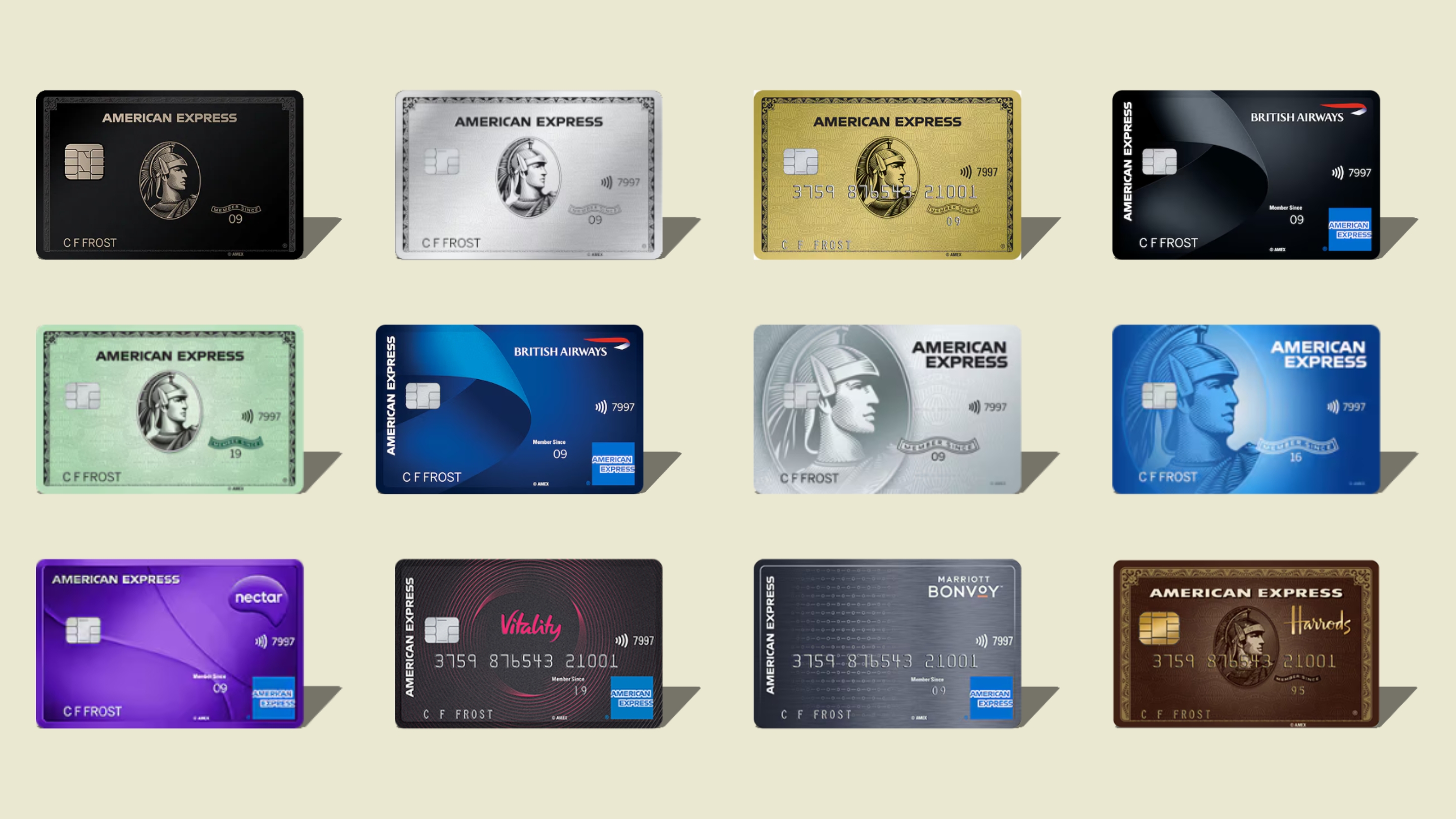
The Mechanics of American Express: How It Differs from Visa and Mastercard
The most significant distinction between an Amex card and its competitors lies in the business model of the network. To understand this, we must differentiate between an “issuer” and a “network.” In the case of Visa and Mastercard, those companies are strictly networks; they do not actually issue cards or lend money. Instead, banks like Chase, Citi, or Bank of America use those networks to process transactions.
American Express, however, is a vertically integrated entity. In most cases, it acts as both the network and the issuer. This “closed-loop” system means that when you swipe an Amex card, American Express handles the transaction, extends the credit to you, and manages the relationship with the merchant. This integration allows the company to capture more data on consumer spending habits and maintain tighter control over the end-to-end user experience.
Charge Cards vs. Credit Cards
Historically, the quintessential “Amex card” was not a credit card at all, but a charge card. While American Express now offers a wide variety of traditional credit cards, its flagship products—such as the Platinum Card and the Gold Card—retain the DNA of the charge card model.
In a traditional credit card model, a consumer is given a fixed credit limit and has the option to carry a balance from month to month while paying interest. In contrast, a charge card traditionally requires the balance to be paid in full every month. While modern Amex cards often feature “Pay Over Time” options that mimic credit card functionality, the core structure is designed to encourage fiscal discipline and high-volume spending without a preset spending limit. This does not mean unlimited spending; rather, the “limit” is dynamic, adjusting based on the cardmember’s financial resources, credit record, and spending history.
The Merchant-Issuer Relationship
Because American Express operates its own network, it has historically charged higher “interchange fees” to merchants than Visa or Mastercard. From a business finance perspective, this higher fee is justified by the demographic Amex attracts. On average, Amex cardmembers represent a higher-earning segment of the population with higher discretionary spending power. For a merchant, accepting Amex is often seen as a necessary cost to access a more affluent customer base. While merchant acceptance was once a significant hurdle for Amex, the gap has narrowed significantly in recent years, with the network now accepted at the vast majority of merchants that accept credit cards in the United States.
The Membership Rewards Ecosystem: A Deep Dive into High-Value Points
For many financial enthusiasts, the primary reason to hold an Amex card is access to the Membership Rewards (MR) program. In the world of personal finance, MR points are frequently cited as one of the most valuable “flexible currencies” available. Unlike “fixed-value” points that are worth a set amount (e.g., 1 cent per point), Membership Rewards can be strategically leveraged for significantly higher returns.
Earning Potential and Multipliers
The value proposition of an Amex card often hinges on its “multipliers.” American Express designs its card products to cater to specific spending categories. For instance, some cards are engineered for the “everyday” spender, offering 4x points on groceries and dining at restaurants. Others are tailored for the high-frequency traveler, offering 5x points on flights and hotels.
By aligning their spending with these categories, cardmembers can accumulate points at an accelerated rate. This “velocity of earning” is a core component of the Amex strategy, encouraging users to make the card their primary tool for all financial transactions to maximize the yield on every dollar spent.
Transfer Partners and Redemption Strategies
The true power of an Amex card is unlocked during the redemption phase. American Express maintains partnerships with dozens of airlines and hotel chains. Rather than redeeming points for a statement credit at a low valuation, savvy users transfer their MR points to partners like Delta Air Lines, British Airways, or Hilton.
In the realm of “travel hacking” and advanced personal finance, this allows for arbitrage. For example, a business-class flight that costs $5,000 might be obtainable for 80,000 points. If those 80,000 points were earned through 4x or 5x multipliers, the effective “return on spend” can exceed 10%, a figure far higher than any standard cash-back card could offer. This makes certain Amex cards not just payment tools, but strategic assets in a broader wealth management and lifestyle design plan.
Tiered Offerings: From Entry-Level to Centurion
American Express utilizes a tiered product hierarchy that serves everyone from students building credit to ultra-high-net-worth individuals. Understanding where each card fits into this hierarchy is essential for choosing the right financial tool.
The Everyday and Cash Back Series
At the foundational level, Amex offers cards like the Blue Cash Everyday or the EveryDay Credit Card. These products are designed for consumers who prefer simplicity over complex point transfers. They often feature no annual fee and provide straightforward cash back on essential categories like gas stations and online retail. These cards serve as an entry point into the Amex ecosystem, allowing users to build a relationship with the brand and benefit from its customer service and fraud protection without a significant financial commitment.
The Lifestyle “Metal” Cards
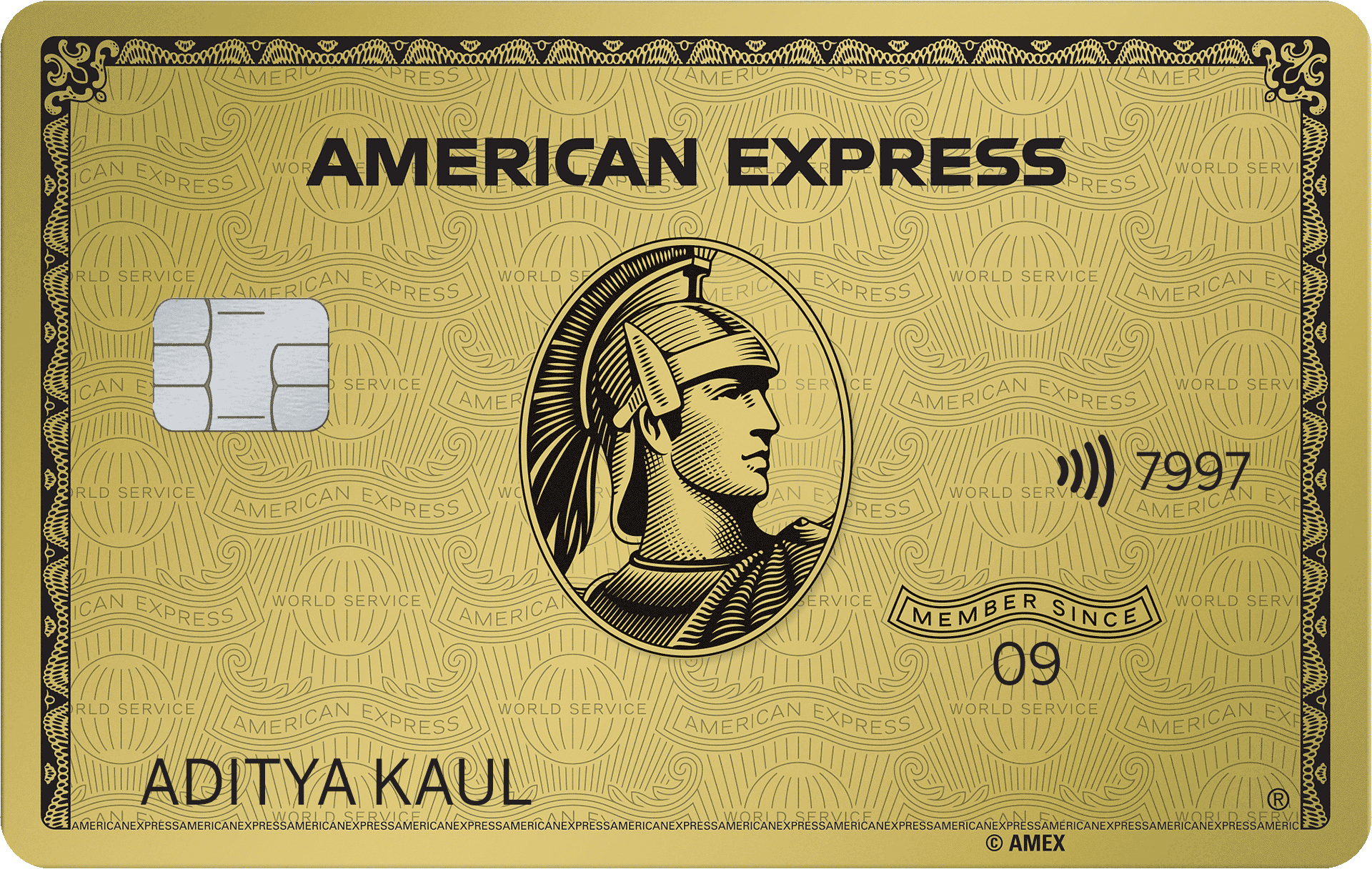
The “Gold” and “Platinum” cards represent the mid-to-high-tier lifestyle offerings. The Gold Card is widely considered the premier card for food enthusiasts, focusing heavily on dining and US supermarkets. The Platinum Card, conversely, is a travel-centric powerhouse. With a high annual fee, it provides a suite of luxury benefits including airport lounge access (such as the proprietary Centurion Lounges), hotel elite status, and significant annual credits for digital entertainment, Uber, and more. For these cards, the “what is an Amex card” question is answered by the “effective annual fee”—the cost of the card after subtracting the value of the credits the user would have spent money on anyway.
The Centurion Card
At the apex of the hierarchy sits the Centurion Card, colloquially known as the “Black Card.” This card is invitation-only and requires a massive initiation fee and annual fee. It is less a financial tool for the average person and more a status symbol and concierge service for the elite. It represents the ultimate manifestation of the American Express brand: exclusivity, high-touch service, and unlimited purchasing power.
Beyond Transactional Value: Perks, Protection, and Prestige
A defining characteristic of an Amex card is the suite of protections and services that accompany it. In many ways, American Express pioneered the idea that a credit card should act as a form of insurance and a personal assistant.
Purchase and Travel Protections
When a consumer uses an Amex card, they are often buying peace of mind. Many Amex cards include “Purchase Protection,” which covers items against theft or accidental damage for a set period after purchase. They also frequently offer “Extended Warranty” coverage, adding an extra year to a manufacturer’s warranty. For travelers, the cards often include trip cancellation and interruption insurance, as well as secondary or primary car rental loss and damage insurance. In the money niche, these benefits are viewed as “stealth value”—they don’t show up on a points balance, but they can save a cardmember thousands of dollars in the event of an emergency.
The Amex “Offer” Program
Another distinct feature is “Amex Offers.” Through the mobile app or web portal, cardmembers can add specific discounts to their cards for retailers ranging from Best Buy to local boutiques. These are often structured as “Spend $100, get $20 back.” For a disciplined spender, these offers can easily offset the annual fee of the card, making the net cost of card ownership zero or even profitable.
Is an Amex Card Right for Your Financial Strategy?
Deciding to carry an Amex card requires a calculated approach to personal finance. Because of the annual fees associated with their most popular products, the math must make sense.
Evaluating Annual Fees vs. Benefits
The first step in assessing an Amex card is a cold, hard look at spending habits. If a card has a $695 annual fee but provides $800 in credits for services you already use (like Hulu, Uber, and flights), the card effectively pays you $105 to carry it. However, if those credits entice you to spend money on things you wouldn’t otherwise buy, the card becomes a liability rather than an asset. Professional financial planning suggests that an Amex card is most effective when it integrates seamlessly into existing consumption patterns.

Credit Score and Financial Responsibility
Finally, because American Express is a premium issuer, it generally requires a “Good” to “Excellent” credit score for approval (typically 700 or higher). Furthermore, because the rewards are maximized through high spending and the “charge card” nature of the flagship products, they are best suited for individuals who are financially disciplined. The high interest rates on their credit-standard products can quickly negate any points earned if a balance is carried.
In summary, an Amex card is more than a way to pay for goods. It is a sophisticated financial instrument that provides a gateway to a global network of travel benefits, purchase protections, and high-value rewards. Whether it is a basic cash-back tool or a premium travel companion, the American Express card remains a cornerstone of modern personal finance for those who know how to navigate its ecosystem.
aViewFromTheCave is a participant in the Amazon Services LLC Associates Program, an affiliate advertising program designed to provide a means for sites to earn advertising fees by advertising and linking to Amazon.com. Amazon, the Amazon logo, AmazonSupply, and the AmazonSupply logo are trademarks of Amazon.com, Inc. or its affiliates. As an Amazon Associate we earn affiliate commissions from qualifying purchases.