
In the intricate landscape of personal and business finance, grades, percentages, and metrics serve as crucial indicators of performance, progress, and potential. While often associated with academic achievements, the concept of a “grade” translates powerfully into the financial realm, offering a clear, quantifiable measure of success, efficiency, or the need for improvement. When confronted with a “66 percent grade” in a financial context, it immediately prompts a deeper inquiry: what does this number truly signify? Is it a pass, a warning, or a stepping stone to greater achievements?
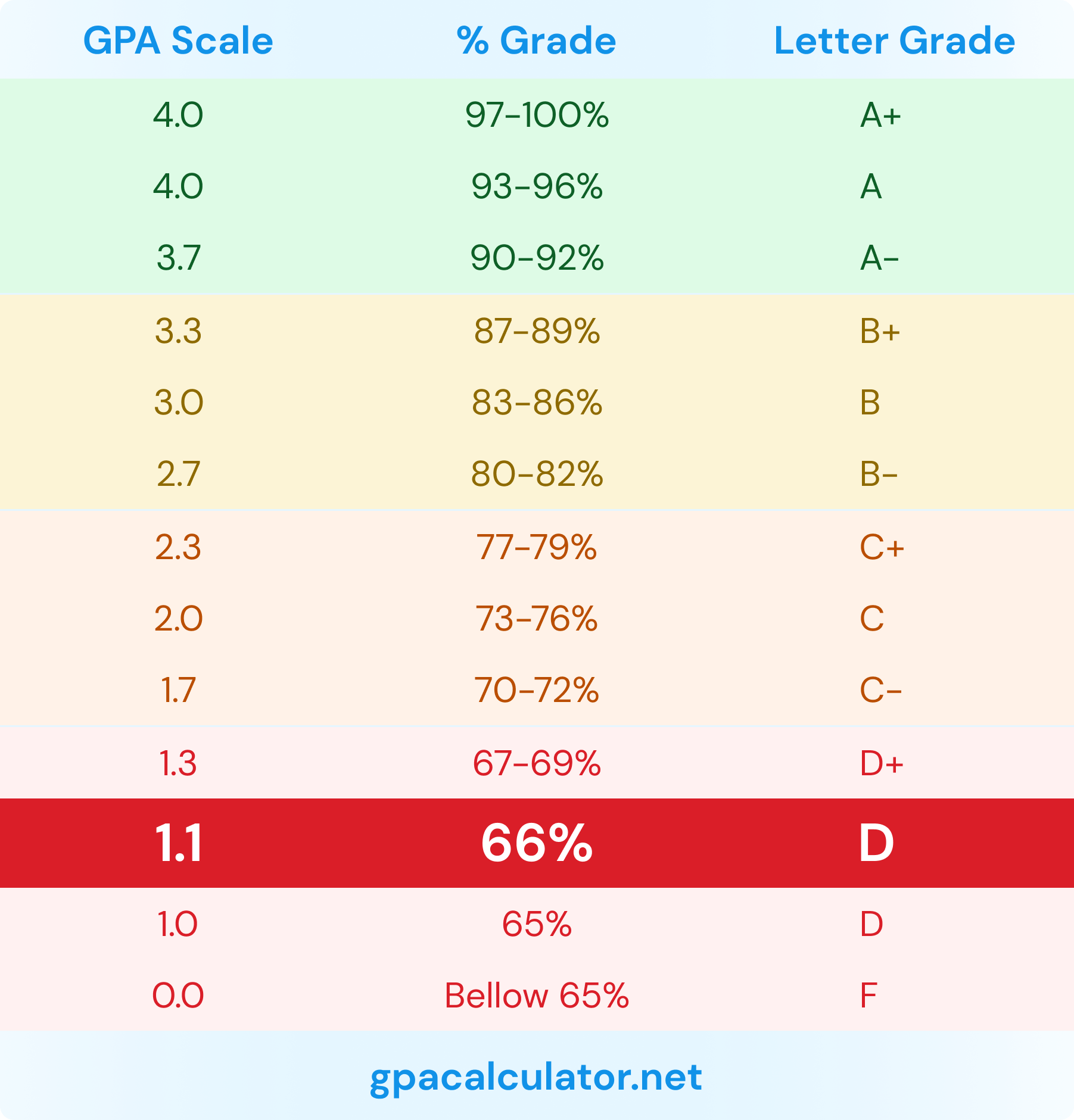
A 66 percent grade is, fundamentally, a measure of two-thirds completion, attainment, or efficiency relative to a defined benchmark or ideal. In finance, this figure can manifest in diverse ways—from the percentage of a savings goal achieved, to an investment portfolio’s recovery rate, to a business’s profit margin against its target, or even the efficiency score of an operational process. It is a figure that typically signals a ‘satisfactory but not optimal’ performance, residing in a critical middle ground that demands attention, analysis, and strategic action. Understanding its implications across various financial domains is paramount for anyone aiming to master their financial destiny, whether as an individual navigating personal wealth or as an entrepreneur steering a business towards profitability. This article will delve into the multifaceted meaning of a 66 percent grade within the financial world, exploring its implications and offering actionable strategies to transcend this threshold towards greater financial prosperity.
Decoding the 66% Benchmark Across Financial Domains
The seemingly simple figure of 66 percent takes on rich and varied meanings depending on the financial domain in question. Its interpretation requires a nuanced understanding of the specific context, the goals at stake, and the prevailing industry benchmarks.
Personal Finance & Goal Attainment
In personal finance, a 66 percent grade often refers to the progress made towards a specific financial goal. For instance, if you’ve set a target to save $30,000 for a down payment and currently have $20,000, you are precisely at a 66.6% achievement rate.
-
Savings Goals: Reaching 66% of your emergency fund, retirement nest egg, or a specific purchase goal (like a car or home) indicates significant progress, preventing it from being a complete failure. However, it also highlights that a substantial one-third of the target remains untouched. This can be a strong motivator to push harder, but it also signals that adjustments to your savings rate or timeline might be necessary if the original schedule is slipping.
-
Debt Repayment: Achieving 66% of your debt repayment target, whether for student loans, credit card balances, or a mortgage, is commendable progress. It means you’ve paid down a significant portion of what you owe, potentially reducing interest accrual and freeing up cash flow. The remaining 34% still presents a challenge, demanding continued discipline and vigilance.
-
Budget Adherence: If your budget adherence is at 66%, it means you’re overspending by 34% in certain categories or across your total monthly expenses. This is a critical warning sign. While you’re not completely off the rails, consistent overspending can quickly erode savings, lead to new debt, and derail long-term financial plans. It necessitates an immediate review of spending habits and budget allocations.
Investment Performance & Portfolio Health
In the realm of investments, a 66 percent grade can represent various performance metrics, each with distinct implications for portfolio health and strategy.
-
Return on Investment (ROI): A 66% return on investment over a specific period is generally considered excellent, particularly in comparison to average market returns, and signals strong growth. However, context is key. If the market average for that period was 100%, then 66% represents underperformance. Conversely, if the market was flat or negative, a 66% positive return is exceptional.
-
Portfolio Recovery Rate: Following a market downturn, if your investment portfolio has recovered 66% of its lost value, it’s a solid rebound. It suggests resilience and that your assets are on the path to full recovery, but it also means a substantial portion (34%) of capital still needs to be regained before you break even, let alone realize new gains. This might influence decisions about rebalancing, asset allocation, or even seeking professional advice to accelerate recovery.
-
Performance Against Benchmarks: If your investment fund or personal portfolio performs at 66% of a relevant benchmark (e.g., S&P 500, NASDAQ, a specific bond index), it indicates significant underperformance. This persistent gap suggests that the current investment strategy might not be optimal or that fees are eroding returns. Such a grade demands a thorough review of the fund manager’s approach, the underlying assets, or your own investment philosophy.
Business Finance & Operational Efficiency
For businesses, a 66 percent grade can be a vital indicator of financial health, operational effectiveness, and profitability.
-
Profit Margin (Actual vs. Target): If a business achieves 66% of its target profit margin, it means it’s profitable but not reaching its full financial potential. This could stem from higher-than-expected operational costs, lower-than-anticipated sales, or inefficient pricing strategies. While the business is in the black, this ‘grade’ signals significant opportunities for optimization and improvement to boost the bottom line.
-
Operational Efficiency Ratios: A 66% efficiency rating in areas like inventory turnover, production yield, or project completion against planned timelines suggests room for improvement. For instance, if only 66% of a production run meets quality standards, it implies 34% waste, leading to increased costs and reduced output. Such a grade calls for process re-engineering, technology upgrades, or better staff training to enhance productivity and reduce waste.
-
Revenue Growth vs. Target: If a company achieves 66% of its projected revenue growth, it indicates sales are growing, but not at the desired pace. This could be due to market competition, ineffective marketing, sales force underperformance, or product/service issues. Analyzing the reasons behind this gap is crucial for adjusting sales strategies and marketing efforts to accelerate growth.
The Implications of a 66% Financial Grade: A Balanced View
A 66% financial grade is rarely a cause for immediate panic, nor is it typically a signal of resounding success. Instead, it occupies a significant middle ground that necessitates careful consideration and strategic response.
Recognizing the ‘Middle Ground’: Neither Failure Nor Optimal Success
The nature of 66% is that it represents a clear majority, yet falls short of a full or exceptional achievement. In financial terms, this translates to having made substantial headway without fully realizing potential or reaching desired outcomes.
-
Progress, Not Perfection: It confirms that efforts are yielding results, preventing a complete setback. This can be a source of motivation, showing that positive momentum exists.
-
Significant Room for Improvement: Critically, the remaining 34% indicates a substantial deficit. This gap signifies missed opportunities, unrealized gains, or persistent inefficiencies that, if unaddressed, can compound over time.
-
A Call for Analysis: A 66% grade serves as a strong prompt to understand why the remaining 34% is elusive. Is it external factors, internal shortcomings, or perhaps overly ambitious initial targets?
Potential Risks and Missed Opportunities
Consistently achieving only a 66% financial grade, while not a catastrophe, carries notable risks and implies significant missed opportunities over the long term.
-
Slower Wealth Accumulation: For individuals, a 66% achievement rate in savings or investment growth means wealth accumulates at a slower pace, potentially delaying major life goals like retirement or homeownership. The power of compounding is diminished.
-
Increased Costs and Liabilities: In personal finance, consistent 66% budget adherence suggests ongoing overspending, which can lead to accumulating credit card debt or falling behind on loan payments, incurring higher interest and fees. For businesses, 66% operational efficiency means 34% waste, directly impacting profitability and increasing production costs.
-
Erosion of Competitive Advantage: For businesses, failing to achieve target profit margins or revenue growth (settling for 66%) can lead to stagnation, reduce funds for innovation, and eventually erode competitive standing against more efficient or high-growth rivals.
-
Psychological Fatigue: Continuously hovering around a ‘satisfactory but not great’ performance can lead to financial fatigue or discouragement, making it harder to maintain discipline and motivation for future financial endeavors.
The Psychological Impact: Motivation vs. Discouragement
The emotional and psychological impact of a 66% grade can be a double-edged sword.
-
Motivation: For some, seeing a 66% achievement can be incredibly motivating. It validates their efforts, shows tangible progress, and provides a clear target for the remaining 34%, fueling a desire to close the gap. It’s a clear indicator that success is within reach with renewed effort.
-
Discouragement: Others might view 66% as falling short, leading to frustration, self-doubt, or a sense of being stuck. If initial goals were perceived as easily achievable, a 66% result might feel like a failure, potentially leading to financial apathy or abandoning goals altogether. Recognizing this psychological dimension is crucial for developing effective strategies to move forward.

Strategies for Elevating Your Financial Grades Beyond 66%
Moving beyond a 66% financial grade requires a deliberate, strategic approach centered on clear analysis, revised goal-setting, and leveraging appropriate tools and expertise.
Assessment and Root Cause Analysis
The first and most critical step is to understand why the performance is at 66%. This involves a forensic look at all contributing factors.
-
Identify the ‘Why’: Is it insufficient effort or allocation (e.g., saving too little, not enough marketing spend)? Are external factors like market conditions or economic shifts at play? Are there internal inefficiencies (e.g., poor spending habits, outdated business processes)?
-
Data-Driven Review: For personal finance, analyze bank statements, credit card bills, and investment reports to pinpoint where money is going or where returns are falling short. For businesses, deep dive into financial statements, operational reports, sales analytics, and customer feedback.
-
SWOT Analysis: Conduct a mini-SWOT (Strengths, Weaknesses, Opportunities, Threats) to identify internal factors hindering progress and external factors that can be leveraged or mitigated.
Setting SMARTer Financial Targets
Once the root causes are identified, it’s time to refine or reset your financial goals to make them more actionable and inspiring.
-
Specific: Clearly define what you want to achieve (e.g., “increase emergency fund by $5,000” instead of “save more money”).
-
Measurable: Establish clear metrics to track progress (e.g., “achieve a 10% ROI” or “reduce operating costs by 5%”).
-
Achievable: Ensure the goals are realistic given your current resources and capabilities. This might mean adjusting an overly ambitious initial goal to one that is challenging but attainable.
-
Relevant: Align goals with your broader financial vision or business strategy.
-
Time-bound: Set clear deadlines to create urgency and accountability (e.g., “reduce credit card debt by $X within 6 months”).
-
Break Down Larger Goals: For significant targets, break them into smaller, manageable milestones. Achieving these smaller steps can build momentum and confidence, pushing you beyond the 66% mark.
Leveraging Financial Tools and Expert Guidance
No one needs to navigate their financial journey alone. A wealth of resources exists to help elevate financial performance.
-
Budgeting and Tracking Apps: Tools like Mint, YNAB, or QuickBooks can automate expense tracking, budget adherence, and financial reporting, providing real-time insights into where improvements are needed.
-
Investment Platforms and Robo-Advisors: These can help optimize portfolio allocation, rebalance investments, and provide analytical tools to understand performance against benchmarks. Robo-advisors offer low-cost, automated investment management.
-
Financial Advisors/Planners: For complex personal finance situations (retirement planning, estate planning, significant wealth management), a professional advisor can provide personalized strategies, accountability, and expertise.
-
Business Consultants and Accountants: For businesses, consultants specializing in operations, marketing, or financial strategy can identify inefficiencies and opportunities for growth. Accountants provide crucial insights into profitability, tax optimization, and cash flow management.
-
Educational Resources: Online courses, financial literacy workshops, and reputable financial publications can equip you with the knowledge to make more informed decisions and implement effective strategies.
Case Studies and Real-World Examples (Conceptual)
To further illustrate the practical implications and solutions for a 66% financial grade, consider these conceptual scenarios:
Personal Savings Scenario: John’s 66% Savings Goal Achievement
John aimed to save $15,000 for a down payment on a car within a year. After nine months, he had saved $10,000, putting him at roughly 66% of his goal.
-
Analysis: John realized he consistently overspent on dining out and subscriptions, and hadn’t increased his automated savings contributions despite a recent raise.
-
Strategy: He used a budgeting app to track discretionary spending, cut back on unnecessary expenses, and increased his bi-weekly automated savings transfer by 50%. He also set a mini-goal to save an extra $1,000 per month for the remaining three months.
-
Outcome: By being more diligent and proactive, John not only reached his $15,000 goal by the deadline but slightly exceeded it, demonstrating how overcoming the 66% plateau is entirely possible with focused effort.
Small Business Profitability: A Startup with 66% of Target Profit Margin
A new tech startup, “InnovateCo,” aimed for a 20% net profit margin in its first year but achieved only 13.2% (66% of target).
-
Analysis: InnovateCo discovered higher-than-expected customer acquisition costs due to inefficient advertising campaigns and escalating cloud computing expenses.
-
Strategy: They hired a marketing consultant to optimize ad spend using A/B testing and retargeting, resulting in a lower Cost Per Acquisition. They also negotiated better terms with their cloud provider and implemented stricter resource management policies.
-
Outcome: Within the next quarter, InnovateCo’s net profit margin rose to 18%, moving significantly beyond the initial 66% mark and putting them on a stronger path to sustainable growth.
Investment Portfolio Recovery: An Investor Whose Portfolio is at 66% of Pre-Downturn Value
Sarah’s diversified investment portfolio, valued at $300,000 before a market correction, had recovered to $200,000—roughly 66% of its peak value.
-
Analysis: While her portfolio was diversified, some sectors she was heavily weighted in were recovering slower than the broader market. She also hadn’t rebalanced her portfolio in over a year.
-
Strategy: Sarah consulted with a financial advisor. Together, they rebalanced her portfolio, shifting some assets from lagging sectors into those showing stronger recovery potential, and strategically invested a small amount of new capital into undervalued growth opportunities.
-
Outcome: Over the subsequent year, Sarah’s portfolio continued its recovery, surpassing the 66% mark and eventually reaching over 90% of its original peak, demonstrating the value of professional guidance and active management during recovery phases.

Conclusion
A 66 percent grade in the financial world is far more than just a number; it’s a critical indicator of performance that demands attention and proactive strategy. Whether it pertains to personal savings, investment returns, or business profitability, this grade signifies progress but also highlights a significant gap towards optimal achievement. It represents a crucial junction—a moment to pause, analyze, and strategically pivot.
Understanding the root causes behind a 66% performance, setting SMARTer goals, and effectively leveraging financial tools and expert advice are all indispensable steps in transcending this benchmark. The journey from 66% to 80%, 90%, or even 100% is not merely about increasing a percentage; it’s about optimizing processes, sharpening financial discipline, and ultimately, unlocking greater financial potential and security. Embrace the 66% mark not as a ceiling, but as a compelling call to action, a reminder that while you’ve come a long way, there’s still a substantial and rewarding path ahead to full financial mastery.
aViewFromTheCave is a participant in the Amazon Services LLC Associates Program, an affiliate advertising program designed to provide a means for sites to earn advertising fees by advertising and linking to Amazon.com. Amazon, the Amazon logo, AmazonSupply, and the AmazonSupply logo are trademarks of Amazon.com, Inc. or its affiliates. As an Amazon Associate we earn affiliate commissions from qualifying purchases.