
For many, a trip to the cinema isn’t complete without that quintessential tub of buttery, salty popcorn. It’s an iconic pairing, an undeniable part of the movie-watching ritual. Yet, beyond the flickering screen and captivating storyline, lies a crucial question often overlooked by the average consumer: what’s the true cost of this cinematic indulgence? We’re not just talking about the ticket price or the concession stand markup. From a personal finance perspective, every consumption choice has ripple effects – impacting not just our immediate budget, but our long-term health and financial well-being. Understanding the caloric content of that seemingly innocent small movie theater popcorn is an exercise in financial literacy, revealing hidden costs and opportunities for smarter budgeting, both for our wallets and our waistlines.

Beyond the Ticket Price: The Hidden Cost of Movie Indulgences
When we budget for entertainment, we typically account for the direct monetary cost: the movie ticket, parking, maybe dinner beforehand. However, overlooking the nutritional implications of our cinema snacks is to ignore a significant, albeit indirect, financial expenditure. High-calorie, low-nutrient foods like movie theater popcorn carry a “hidden cost” that can manifest in various ways, from short-term energy crashes impacting productivity to long-term health issues requiring costly medical interventions.
The Immediate Caloric Sticker Shock
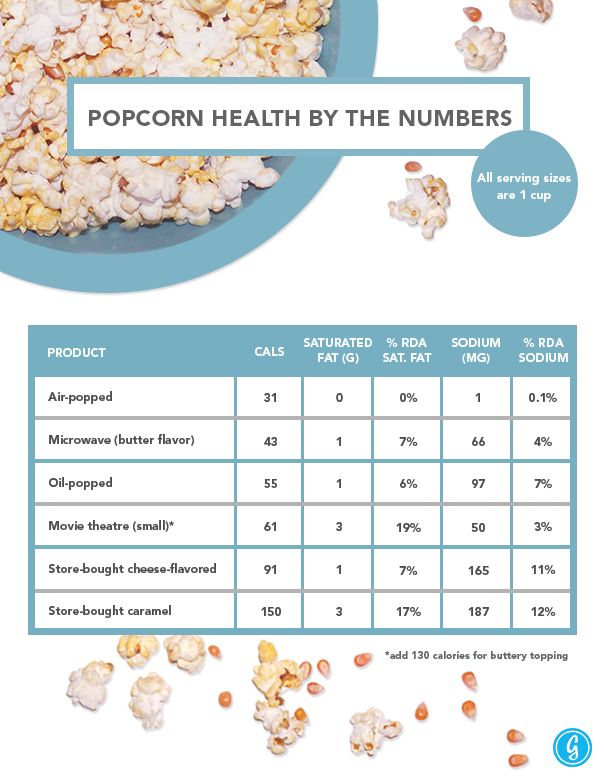
Let’s cut to the chase: a “small” movie theater popcorn isn’t always as small as it sounds, and its caloric density can be startling. While exact figures vary wildly depending on the theater chain, portion sizing, and preparation methods (especially the amount and type of oil and “butter” topping), a small popcorn can easily range from 300 to 600 calories. This figure often doesn’t even account for the optional “butter-flavored topping,” which can add another 100-200 calories per pump. For someone on a typical 2,000-calorie daily budget, a single small popcorn can represent 15-30% of their entire day’s caloric allowance – a substantial “investment” for what many consider just a snack. Recognizing this immediate caloric outlay is the first step in understanding its broader financial implications. It’s akin to realizing a seemingly minor purchase actually takes a significant chunk out of your daily spending limit.
Understanding the Nutritional “Bill”
Beyond raw calories, the nutritional profile of movie theater popcorn often presents a less-than-ideal “bill.” It’s typically high in saturated fat (from coconut oil, often used for popping), trans fats (from hydrogenated oils in the butter topping), and sodium. While fiber is present from the corn itself, it’s often overshadowed by these less desirable components. A high intake of these elements, even from an occasional treat, can contribute to elevated cholesterol, high blood pressure, and increased risk of cardiovascular disease over time. These are not merely health concerns; they are significant financial liabilities. Future medical expenses, prescription costs, and even lost income due to illness represent a direct financial impact stemming from poor dietary choices, making that “cheap” popcorn a potentially very expensive investment in the long run.
From Treat to Toxin: The Cumulative Impact
The occasional indulgence is part of a balanced life, but when these “treats” become habitual, their cumulative impact can be detrimental. Regularly consuming high-calorie, low-nutrient foods can lead to weight gain, which is a known risk factor for a host of chronic conditions, including type 2 diabetes, heart disease, and certain cancers. Each of these conditions carries a substantial financial burden, not only in direct medical costs but also in the opportunity cost of time spent on appointments, recovery, and managing symptoms. The initial “cost” of the popcorn seems negligible, but the compound interest of poor health habits can yield devastating financial outcomes, mirroring the slow drain of unnoticed small expenses on a budget.
Deconstructing the Popcorn: A Nutritional ‘Investment’ Analysis
To make informed financial decisions, we analyze investments by dissecting their components, understanding their potential returns, and comparing them to alternatives. We should apply the same rigorous analysis to our food choices, especially indulgent ones like movie theater popcorn. Understanding what exactly constitutes that small tub allows us to better assess its “value” – not just in monetary terms, but in terms of nutritional impact and long-term financial health.
Dissecting the Small: What’s Actually Inside?
The seemingly simple “small” popcorn is a surprisingly complex caloric equation. The primary culprits are typically:
-
The Corn Itself: While popcorn kernels are whole grains and relatively healthy on their own, the quantity served in a “small” can be substantial.
-
Popping Oil: Most theaters use coconut oil, which is high in saturated fat. A small serving can easily contain 10-20 grams of saturated fat.
-
Salt: Generous amounts of salt are standard, contributing significantly to daily sodium intake.
-
“Butter” Topping: This is often the biggest caloric and unhealthy fat contributor. It’s usually a hydrogenated oil blend (trans fats) with artificial flavorings, not actual butter. A single serving can add hundreds of calories and grams of unhealthy fats.
Therefore, a small popcorn isn’t just fluffy kernels; it’s a calorie, fat, and sodium delivery system that needs to be factored into our personal “nutritional budget.” Just as a financial analyst breaks down a company’s balance sheet, we must break down our food choices to understand their true implications.
The Compounding Effect of Add-ons
The “small” is rarely enjoyed in isolation. Most consumers add the aforementioned “butter” topping, often multiple pumps. Then there are the accompanying sugary sodas or candy bars. Each of these add-ons compounds the caloric and financial cost. A small popcorn plus a medium soda and a candy bar can easily push the total caloric intake for a single movie outing past 1,000-1,500 calories – potentially more than half of an adult’s daily needs. From a financial perspective, this is like taking out a small loan and then adding several high-interest credit card purchases on top; the total burden quickly becomes overwhelming and disproportionate to the initial expense.
Comparing ‘Value’: Popcorn vs. Healthier Alternatives
In financial planning, we constantly evaluate alternatives to maximize return on investment. The same applies to our nutritional choices at the cinema. Instead of a high-calorie popcorn, what healthier “investment” options exist?
-
Bringing Your Own: Many theaters allow outside snacks (check policies). Air-popped popcorn from home is significantly lower in calories and unhealthy fats. A small bag of nuts or some fruit offers fiber and nutrients with a more controlled caloric count. This strategy offers clear monetary savings and health benefits.
-
Skipping Snacks Entirely: The simplest and most financially sound option for both wallet and waistline is to forgo snacks altogether.
-
Water Instead of Soda: Choosing water over a sugary drink dramatically reduces caloric intake and saves money.
Evaluating these alternatives demonstrates a financially savvy approach to entertainment, ensuring that enjoyment doesn’t come at the expense of our health budget.
Strategic Snacking: Budgeting for Both Your Wallet and Your Waistline
Just as we budget our income and expenses, we must learn to budget our caloric intake. Strategic snacking isn’t about deprivation; it’s about informed choices that support both our financial goals and our health objectives. When it comes to movie theater popcorn, this means conscious planning and understanding the true impact of our choices.
Pre-Planning Your Cinema Snacks
The most effective financial planning happens before the spending occurs. The same principle applies to managing caloric intake. Before heading to the movies, consider:
-
Your Daily Caloric Budget: How does a small popcorn fit into your overall dietary goals for the day? Are you willing to make adjustments elsewhere?
-
Alternatives: Can you bring a healthier, more budget-friendly snack from home?
-
Portion Control: If you decide to indulge, can you share a larger popcorn with a companion to reduce individual caloric intake, or opt for the smallest size available without toppings?
This pre-planning phase transforms an impulsive purchase into a deliberate decision, aligning it with your broader personal finance and health strategies. It’s the equivalent of reviewing your monthly budget before a shopping spree.
The Financial Argument for Portion Control
Portion control directly translates to both monetary and caloric savings. A “small” popcorn is usually less expensive than a “medium” or “large,” offering immediate financial savings. More importantly, it also represents a smaller caloric investment. Often, the perceived value of upgrading to a larger size for just a dollar or two more is a marketing ploy that encourages overconsumption. From a personal finance perspective, paying more for an oversized portion that disproportionately adds to your caloric intake is a poor investment, offering diminishing returns on both satisfaction and health. Understanding this dynamic empowers consumers to resist upselling tactics and make choices that are genuinely beneficial.
DIY Popcorn: A Cost-Effective and Calorie-Conscious Choice
One of the most powerful strategies for managing both your personal finances and your health budget is to prepare food at home. Making your own popcorn using an air popper or stovetop method is dramatically cheaper per serving than cinema popcorn. More importantly, it gives you complete control over ingredients:
-
Oil: Use healthier oils like olive or avocado oil sparingly, or air-pop for no oil.
-
Salt: Control sodium levels.
-
Toppings: Use real butter in moderation, or experiment with healthier seasonings like nutritional yeast, herbs, or spices, eliminating unhealthy trans fats.
This “do-it-yourself” approach exemplifies financial prudence by cutting costs and investing in superior nutritional quality, delivering a healthier and more fiscally responsible entertainment experience.
The Long-Term Dividend: Why Informed Food Choices Pay Off Financially
Every financial advisor emphasizes the importance of long-term planning and investing. Our health is arguably our most critical long-term asset, and the choices we make about what we eat are direct investments in that asset. Understanding the caloric content of a small movie theater popcorn isn’t just about avoiding a single unhealthy meal; it’s about recognizing its place within a broader pattern of consumption that can yield either positive or negative financial dividends over a lifetime.
Reducing Future Healthcare Expenditures
The most direct long-term financial benefit of making informed food choices is the potential reduction in healthcare costs. Chronic diseases linked to poor diet – obesity, type 2 diabetes, heart disease, certain cancers – are incredibly expensive to manage. According to various health organizations, these conditions can cost individuals tens of thousands, if not hundreds of thousands, of dollars over their lifetime in medication, doctor visits, hospitalizations, and specialized treatments. By choosing healthier options more often, including being mindful of indulgences like movie popcorn, we are proactively investing in preventative care, effectively “paying down” potential future medical debt. This is one of the most compelling financial arguments for nutritional mindfulness.
Investing in Your Energy and Productivity
Beyond direct healthcare costs, good nutrition significantly impacts our energy levels, cognitive function, and overall productivity. Consuming high-sugar, high-fat foods often leads to energy crashes and sluggishness, impairing focus at work or the motivation for side hustles. Conversely, a balanced diet supports sustained energy and mental clarity, which translates directly into better performance, increased earning potential, and the capacity to pursue financial goals. Viewing food as fuel for our productivity positions healthy eating as a strategic financial investment, where the “return” is enhanced capacity for wealth creation.
The Wealth-Health Connection
The connection between wealth and health is undeniable. Individuals with better health tend to have higher lifetime earnings, spend less on healthcare, and enjoy a higher quality of life. Making informed dietary choices, such as critically evaluating the caloric and nutritional cost of an indulgence like movie theater popcorn, is a small but significant step towards cultivating a lifestyle that prioritizes both. It reflects a broader financial discipline – the ability to delay gratification, make informed decisions, and consider long-term consequences over immediate pleasure. This holistic approach to personal finance ensures that wealth accumulation is supported by robust health, creating a truly rich and sustainable life.
Optimizing Your Movie Experience: Balancing Enjoyment and Fiscal Prudence
Ultimately, the goal isn’t to demonize movie theater popcorn or eliminate all indulgences. Life is meant to be enjoyed. The objective, from a personal finance perspective, is to optimize our experiences by balancing enjoyment with fiscal and health prudence. It’s about making conscious, informed choices rather than falling victim to impulse or marketing.
Mindful Indulgence: A Personal Finance Approach
Mindful indulgence means making a deliberate decision to enjoy a treat, fully aware of its caloric and financial implications, and integrating it wisely into a broader healthy and financially responsible lifestyle. Instead of mindlessly consuming a large popcorn, a mindful approach might involve:
-
Allocating a “Treat Budget”: Just as you budget for discretionary spending, budget for occasional caloric splurges.
-
Savoring the Experience: Focus on the taste and joy, rather than simply consuming vast quantities.
-
Compensating Elsewhere: Adjusting other meals that day or engaging in extra physical activity to balance the caloric intake.
This mindful approach transforms a potential financial and health pitfall into a controlled and enjoyable event, reinforcing a sense of financial mastery over one’s choices.
The Joy of a Well-Planned Treat
There’s a distinct joy in a treat that has been well-planned and earned. When you consciously choose to have a small movie theater popcorn, knowing its caloric value and how it fits into your overall health and financial strategy, the experience becomes more satisfying. It’s not an accident or an oversight; it’s a deliberate choice. This intentionality enhances appreciation and prevents the guilt or regret that can follow an impulsive, unhealthy decision, which often leads to further poor choices, creating a negative financial and health spiral.

A Holistic View of Entertainment Expenses
Finally, considering the caloric cost of movie theater popcorn encourages a holistic view of entertainment expenses. It prompts us to think beyond just the monetary price tag and incorporate the health cost, the opportunity cost, and the long-term impact on our well-being. By applying the principles of personal finance – budgeting, planning, analyzing value, and considering long-term returns – to our dietary choices at the cinema, we empower ourselves to make decisions that truly enrich our lives, ensuring that our entertainment budget contributes positively to both our financial health and our physical vitality. The seemingly simple question of “how many calories in a small movie theater popcorn” opens a much larger conversation about smart spending, sustainable living, and investing in our most valuable asset: ourselves.
aViewFromTheCave is a participant in the Amazon Services LLC Associates Program, an affiliate advertising program designed to provide a means for sites to earn advertising fees by advertising and linking to Amazon.com. Amazon, the Amazon logo, AmazonSupply, and the AmazonSupply logo are trademarks of Amazon.com, Inc. or its affiliates. As an Amazon Associate we earn affiliate commissions from qualifying purchases.