
For high school students and their families, the College Board’s Advanced Placement (AP) program represents a significant investment of time, energy, and money. With each exam costing approximately $98, students are looking for a return on that investment. When the scores are released, the number that looms largest—often considered the “magic number” for college credit—is the 3. But what does a 3 actually mean in terms of percentages, and how does it translate into your broader educational financial planning?
The Anatomy of an AP Score: Understanding the 3
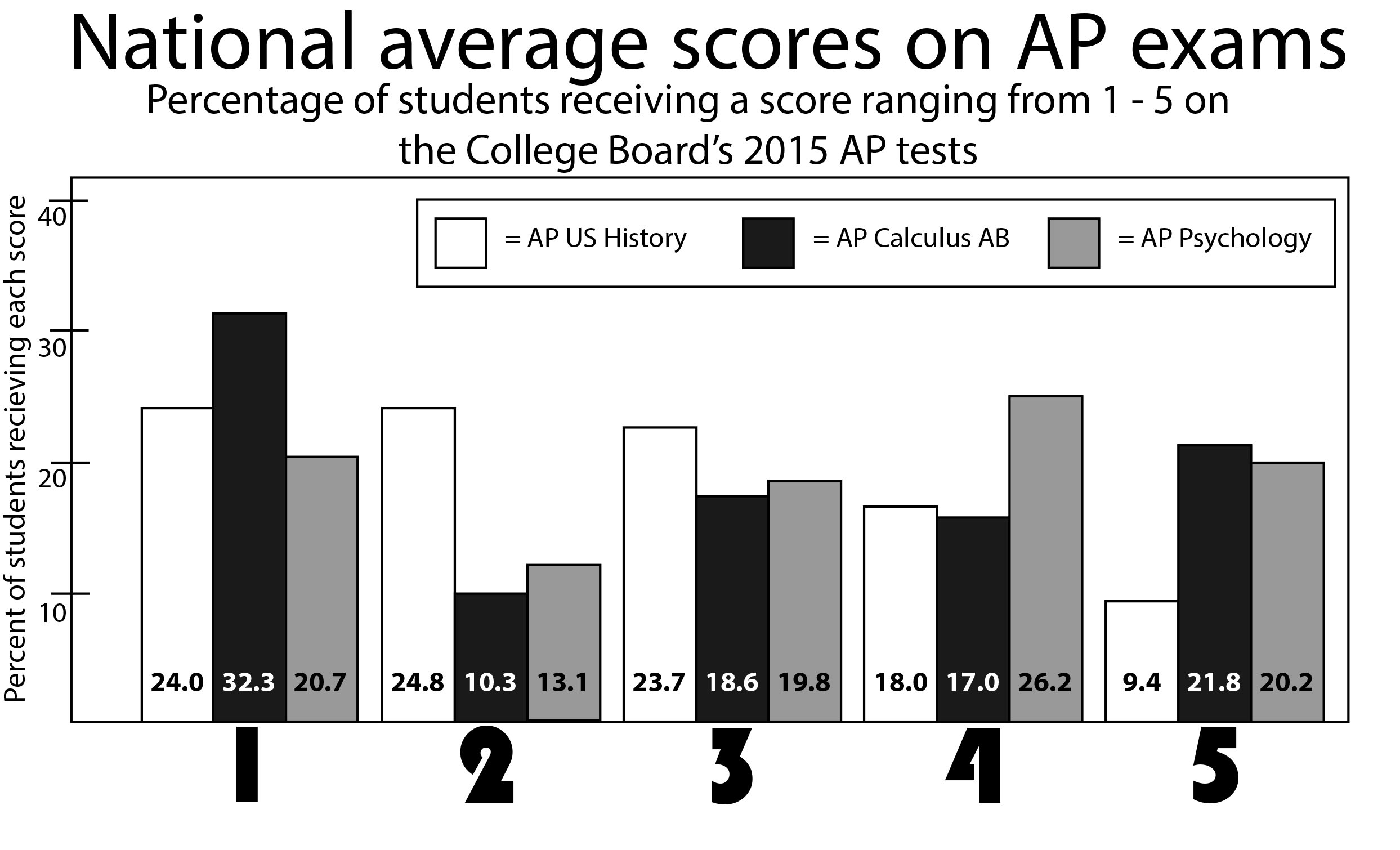
To understand what a 3 on an AP exam represents, it is vital to decouple the concept of a “percentage score” from the “AP score.” Unlike a traditional classroom setting where a 60% might result in a failing grade, the AP grading scale is a composite of a student’s performance relative to the entire population of test-takers for that year.
The Grading Methodology
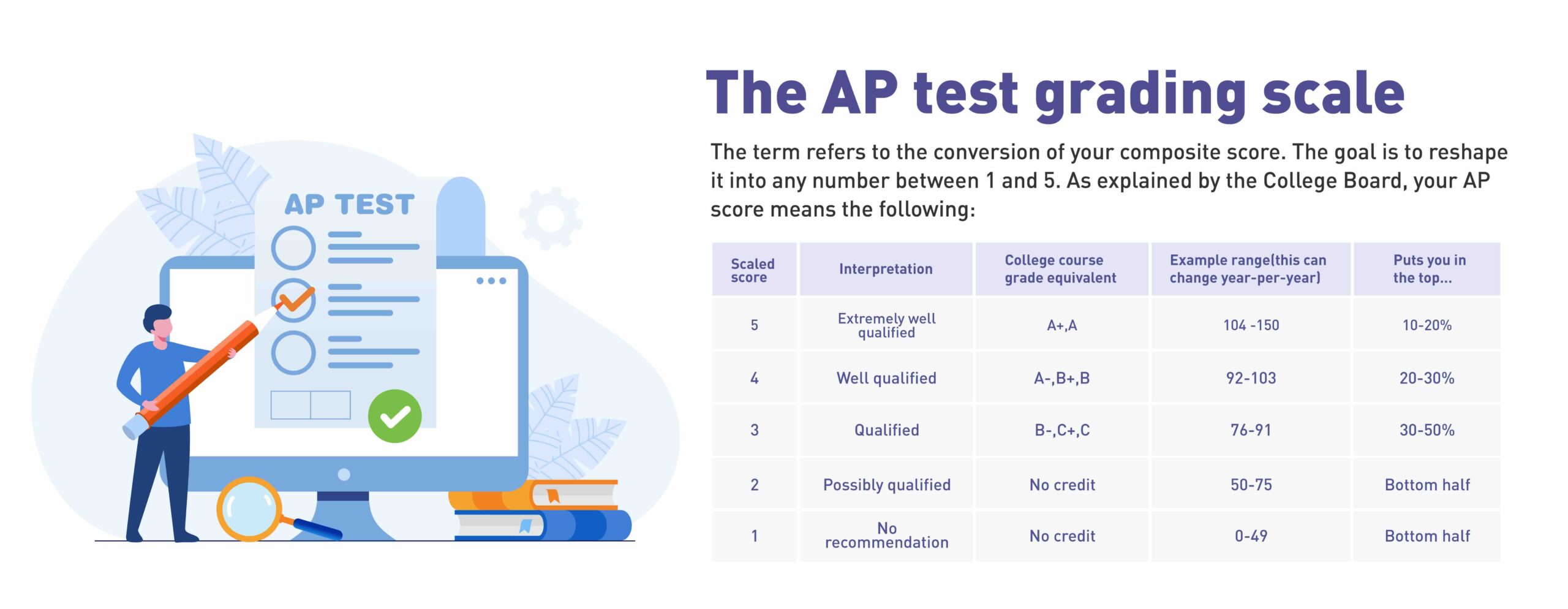
The AP exam is graded on a scale of 1 to 5. The College Board defines these scores as follows:
- 5: Extremely well qualified
- 4: Well qualified
- 3: Qualified
- 2: Possibly qualified
- 1: No recommendation
A score of 3 is the threshold for what the College Board considers “qualified.” It indicates that a student is capable of doing the work of an introductory-level college course. From a statistical perspective, the raw score—the total number of points earned on the multiple-choice and free-response sections—is converted into a weighted composite score. This composite score is then mapped to the 1-5 scale using a process called “equating.”
Is a 3 “Passing”?
While the College Board defines a 3 as “qualified,” the financial reality is dictated by the individual college or university. From a financial planning standpoint, it is critical to recognize that a 3 does not always guarantee college credit. While many public universities grant credit for a 3, many elite private institutions require a 4 or a 5 to award course credit or placement. When calculating the “return on investment” of an AP course, you must look beyond the generic “passing” label and research the specific credit policy of the institution you plan to attend.
The Financial Impact of Earning Credit
When we talk about the “percentage” of a 3 on an AP exam, we are really talking about the cost-saving potential for a college education. The decision to take an AP course is a financial decision as much as it is an academic one.
Calculating the ROI of a 3
The average cost of a three-credit college course at a public four-year university can range significantly, but even at a modest estimate of $1,000 per course, earning credit for an AP exam creates an immediate financial offset. If you achieve a 3 and your university accepts that score for credit, you have effectively purchased three credits for the price of a $98 exam.
This is where the math becomes compelling. If you score a 3, you are saving hundreds—and sometimes thousands—of dollars in tuition fees. Furthermore, the time saved by testing out of introductory courses can allow a student to graduate a semester early, potentially saving tens of thousands of dollars in room, board, and tuition costs.
The Opportunity Cost of the AP Exam
Conversely, one must consider the cost of failure or the cost of a score that does not transfer. If a student spends a full year in an AP course, invests in prep books, tutoring, and the exam fee, and ultimately receives a 1 or a 2, the financial return is negative. You have essentially paid for a course that does not reduce your future debt load. Therefore, the “value” of a 3 is the base-level floor for financial viability in the AP system.
Strategic Planning: When to Aim for a 3 and When to Aim Higher
Financial literacy in education involves understanding that not all credits are created equal. A student’s strategy should be guided by their academic goals and the financial constraints of their family.
The “Credit Transfer” Strategy
If your goal is to reduce the overall price tag of your undergraduate degree, a 3 is mathematically sufficient. Many students spend excessive amounts of stress trying to boost a 3 to a 5 for internal satisfaction, but from a strictly financial, debt-reduction perspective, a 3 is the “break-even” point. Once you have hit the 3, you have secured the credit.
The Scholarship and Admissions Context
While a 3 secures the credit, it does not necessarily secure the scholarship. If your personal branding strategy involves using AP scores as a component of your admissions portfolio to top-tier universities, a 3 may be viewed differently. In a competitive admissions environment, high scores serve as a signal of academic rigor. While the direct financial impact of credit might be the same, the indirect financial impact—gaining admission to a more prestigious institution that offers better financial aid—might favor higher scores.
The Macro View: AP Exams as Financial Assets
To treat AP exams as financial assets, students and parents must move away from viewing them as mere “tests” and start viewing them as “pre-paid tuition instruments.”
Diversifying Your Portfolio
Just as you would diversify an investment portfolio, you should manage your AP course load with a clear understanding of your goals. If you are aiming for a high-cost degree, the goal should be to maximize the number of AP exams that result in a 3 or higher. If a student is overwhelmed, it is financially more prudent to take fewer AP courses and score 3s or higher in those subjects, rather than taking a heavy load and risking lower scores across the board.
Long-Term Debt Mitigation
The primary driver of the current student debt crisis is the length of time it takes to complete a degree. By utilizing the AP system to earn credit, students are effectively shortening their time-to-degree. Every 3-point exam that translates into three or four credits is a brick removed from the wall of student debt. By viewing the AP exam percentage as a gateway to early graduation, you fundamentally shift your mindset from “passing a test” to “managing a budget.”
Conclusion: Turning Scores into Savings
In the final analysis, the “3” on an AP exam is the threshold of utility. It represents the point at which an educational investment begins to yield a tangible financial return. While students often obsess over the prestige associated with a 5, the astute financial planner understands that a 3 is the workhorse of college affordability.
By strategically selecting courses where you are likely to score at least a 3, you can create a clear, actionable plan to reduce your college bill. Whether you are aiming for early graduation or simply trying to bypass expensive introductory “weed-out” courses, the AP exam remains one of the most effective tools for controlling the cost of higher education. Focus your energy not on the perfect score, but on the score that moves the needle on your financial bottom line. Through careful planning, informed selection, and an understanding of the credit policies at your target institutions, you can turn a 3 into a significant asset in your long-term financial journey.
aViewFromTheCave is a participant in the Amazon Services LLC Associates Program, an affiliate advertising program designed to provide a means for sites to earn advertising fees by advertising and linking to Amazon.com. Amazon, the Amazon logo, AmazonSupply, and the AmazonSupply logo are trademarks of Amazon.com, Inc. or its affiliates. As an Amazon Associate we earn affiliate commissions from qualifying purchases.