
In the dynamic world of technology, where advancements leap forward at an astounding pace, certain fundamental concepts persist, shaping how we interact with and perceive digital media. Among these foundational elements is the aspect ratio, a mathematical relationship that defines the proportion of an image’s width to its height. While numerous ratios have emerged and evolved, few carry the historical weight and unique characteristics of 4:3. Far from being a mere technical specification, 4:3 has profoundly influenced the design of our screens, the aesthetics of our content, and the very way we view the world through a digital lens.
Originating in the early days of cinema and solidifying its presence with the advent of television, 4:3 (often expressed as 1.33:1) served as the unchallenged standard for decades. It dictated the form factor of countless televisions, computer monitors, and classic video games, embedding itself deep into our collective visual memory. As technology progressed, giving rise to widescreen formats like 16:9, the dominance of 4:3 waned. Yet, it never truly disappeared. Today, 4:3 continues to hold relevance in niche professional applications, artistic choices, and a potent wave of nostalgia, reminding us that sometimes, the “old” can still be remarkably effective and meaningful. This article delves into the journey of 4:3, exploring its historical roots, its impact on user experience, its eventual retreat, and its surprising modern resurgence within various tech landscapes.
The Genesis of 4:3: A Legacy of Visuals
The story of 4:3 is intrinsically linked to the birth and evolution of moving pictures and electronic displays. It wasn’t an arbitrary choice but a carefully considered standard that balanced technical constraints with the nascent art of visual storytelling, setting a foundational precedent for generations of media consumption.
Early Cinema and Television Standards
The 4:3 aspect ratio first found its footing in the silent film era, largely standardized by the Academy of Motion Picture Arts and Sciences in 1932, becoming known as the “Academy Ratio.” Before this, early films experimented with various shapes, but the Academy Ratio provided a consistent framework for filmmakers and projectionists. Its adoption was driven by several factors:
- Technical Limitations: Early film stock and cameras had inherent limitations regarding resolution and frame size. The 4:3 ratio offered a practical balance for capturing and projecting images without excessive loss of quality or distortion.
- Human Perception: While human peripheral vision is wider, the central focus of our gaze tends to be more concentrated. The 4:3 frame provided a relatively “squarish” and intimate window into the action, allowing directors to effectively compose shots focusing on characters and close-ups without wasting too much horizontal space.
- Cost-Effectiveness: Producing and distributing films uniformly simplified equipment needs across the industry, driving down costs and facilitating wider adoption.
When television emerged as a mass medium in the mid-20th century, it naturally inherited the established motion picture standard. This meant that the content created for television, from news broadcasts to dramas and sitcoms, was designed and framed for the 4:3 screen. The ubiquitous cathode ray tube (CRT) televisions and monitors that populated homes and offices for decades were almost exclusively built around this aspect ratio, cementing 4:3 as the de facto standard for visual media globally.
Technical Foundations and Display Characteristics
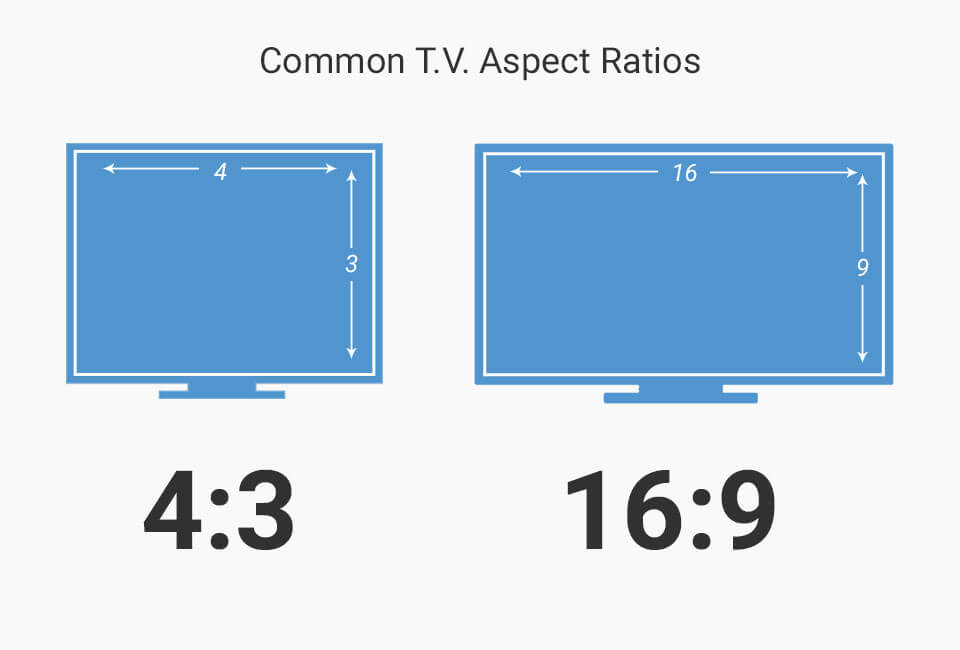
Understanding 4:3 also requires an appreciation of its technical underpinnings. The ratio means that for every 4 units of width, there are 3 units of height. This translates directly to how pixels are arranged on a display:
- Pixel Density and Real Estate: On a 4:3 monitor of a given diagonal size, the screen offers more vertical height compared to a widescreen monitor of the same diagonal measurement. For tasks that prioritize vertical space—such as reading documents, viewing web pages, or working with tall software interfaces—a 4:3 display could be surprisingly efficient. For example, a common 4:3 resolution like 1024×768 pixels emphasizes vertical rather than horizontal breadth.
- Compositional Impact: The squarer frame of 4:3 influences visual composition. Filmmakers and photographers working in this ratio often focus on vertical lines, strong central compositions, and a more intimate feel. Unlike wide cinematic vistas, 4:3 often suggests a contained, focused view, sometimes even a sense of entrapment or scrutiny, depending on the subject matter.
- Interlacing and Scanlines: In the analog days, 4:3 displays were closely tied to interlaced video signals (like NTSC and PAL), where images were painted onto the screen line by line. The 4:3 ratio was optimized for these scanning patterns, ensuring a consistent and expected visual output.
The technical choices made in the early 20th century profoundly shaped the aesthetic language of film and television for close to a century, creating a lasting legacy that continues to inform modern media production and consumption.
The Reign and Gradual Retreat of 4:3 in Modern Tech
For decades, 4:3 reigned supreme, defining the visual landscape of our homes and workplaces. However, as technology advanced and cinematic ambitions grew, a new era of widescreen displays began to emerge, challenging and eventually superseding the long-standing standard.
From CRTs to Flat Panels: The Transition Era
The turn of the millennium marked a significant pivot in display technology. The bulky, curved cathode ray tube (CRT) monitors and televisions, which inherently supported the 4:3 aspect ratio due to their electron beam scanning mechanisms, began to give way to sleek, flat-panel liquid crystal displays (LCDs). This transition wasn’t just about aesthetics; it was about opening up new possibilities for how we consume and interact with media.
- The Rise of Widescreen (16:9, 16:10): Inspired by the wider formats used in modern cinema (e.g., anamorphic lenses for a 2.39:1 aspect ratio), television manufacturers began pushing widescreen ratios, primarily 16:9. This wider format was deemed more “cinematic” and provided a more immersive viewing experience, especially for movies and high-definition content. Computer monitors also embraced wider formats like 16:10 and later 16:9, which were better suited for multitasking (side-by-side windows) and the increasingly horizontal layout of operating systems.
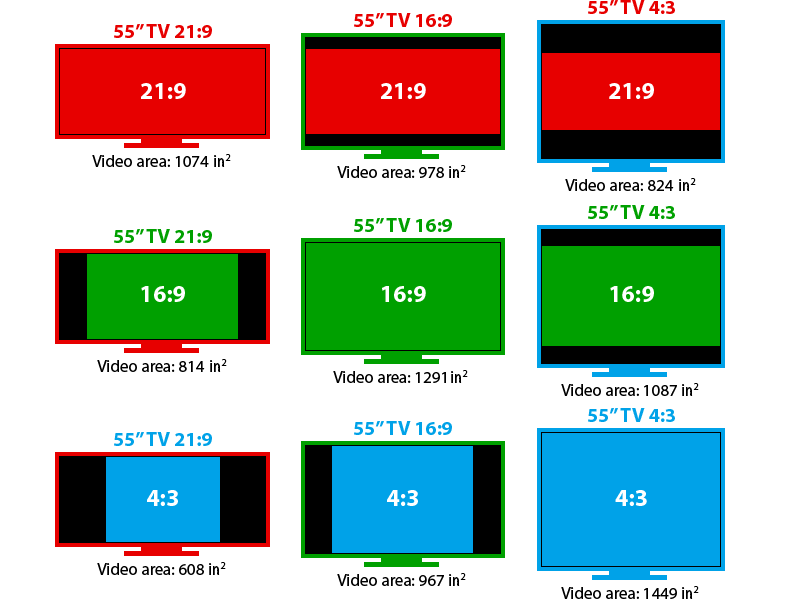
- The “Black Bars” Phenomenon: As 16:9 displays became the norm, content designed for 4:3 faced a dilemma. To display 4:3 video on a 16:9 screen, two common methods emerged:
- Pillarboxing: This involved placing black bars on either side of the 4:3 image, preserving the original aspect ratio but reducing the screen’s active display area.
- Stretching: This method scaled the 4:3 image horizontally to fill the 16:9 screen, resulting in a distorted, stretched appearance that warped faces and objects. Most users preferred pillarboxing over stretching.
Conversely, early widescreen content displayed on 4:3 TVs suffered from “letterboxing,” with black bars at the top and bottom of the screen. This era of mixed aspect ratios often led to confusion and frustration for consumers.
Gaming and Legacy Content
The shift from 4:3 to widescreen had a profound impact on the gaming industry and the preservation of legacy content.
- Classic Gaming: From the NES and SNES to the PlayStation 1 and Nintendo 64, nearly all classic video game consoles and their titles were designed specifically for 4:3 displays. Game designers meticulously crafted pixel art, UI elements, and gameplay mechanics with the confines of a 4:3 screen in mind.
- Challenges of Modern Displays: Playing these games on modern 16:9 or even ultra-widescreen monitors can present challenges. Stretching often distorts the game’s visuals, while pillarboxing, though preserving fidelity, reduces the size of the game window.
- Emulation and Retro Gaming: The retro gaming community has dedicated significant effort to preserving the authentic 4:3 experience. Emulators often include options to force 4:3 aspect ratios, and specialized CRT filters or shaders can replicate the visual nuances of old displays. Furthermore, many modern retro consoles or re-releases of classic titles offer native 4:3 output, acknowledging the importance of historical accuracy for an authentic player experience. This adherence underscores how deeply the 4:3 ratio is intertwined with the identity and feel of a generation of digital entertainment.
The retreat of 4:3 was not a sign of its failure, but rather a natural evolution driven by technological advancements and changing consumer preferences, especially the desire for a more expansive, cinematic visual experience. However, this retreat paved the way for its surprising re-evaluation in specific contexts.
The Resurgence and Niche Applications of 4:3 Today
Despite being largely superseded by widescreen formats for mainstream entertainment, the 4:3 aspect ratio has experienced a quiet resurgence in specific professional niches, artistic endeavors, and even certain consumer gadgets, proving its enduring utility and unique visual appeal.
Professional and Productivity Niches
While 16:9 dominates multimedia consumption, 4:3 (or ratios very close to it, like 5:4) retains significant advantages in environments where vertical screen real estate is paramount.
- Document Viewing and Web Browsing: For tasks like reading documents, writing, coding, or browsing web pages, a taller screen often feels more natural and efficient. It minimizes scrolling and allows more content to be visible without awkward breaks. Many professionals who deal extensively with text-based work find 4:3 or 16:10 monitors more comfortable than ultra-wide screens, especially when using a single monitor.
- Security Monitors and Industrial Displays: In surveillance systems, a 4:3 aspect ratio can sometimes be advantageous for monitoring specific areas, particularly if the cameras themselves are older or if the focus is on a vertically oriented scene. Similarly, some industrial control panels or specialized medical imaging devices continue to utilize displays with a squarer aspect ratio, prioritizing clarity and vertical data presentation.
- Tablets and Mobile Devices: Perhaps the most prominent consumer-facing example of 4:3’s enduring appeal is Apple’s iPad. For many years, the standard iPad model has maintained a 4:3 aspect ratio (or very close, like 4.16:3 for 1536×2048). This choice is deliberate: it’s ideal for holding in portrait mode for reading books or documents, providing a comfortable, book-like experience. In landscape mode, it offers ample vertical space for web browsing and apps, making it highly versatile for both consumption and productivity tasks. Other tablets have also adopted similar “squarer” ratios for similar ergonomic and functional reasons.
Artistic Choices and Nostalgia in Media Production
Beyond practical applications, 4:3 has been rediscovered as a powerful artistic tool, capable of evoking specific moods, periods, or feelings.
- Filmmaking: Contemporary directors are increasingly opting to shoot or frame portions of their films in 4:3 to achieve particular effects. For instance, Robert Eggers’ “The Lighthouse” (2019) was shot almost entirely in 1.19:1 (a very square ratio), contributing to the film’s claustrophobic atmosphere and period authenticity. Wes Anderson frequently uses 4:3 segments to signify flashbacks or intimate moments, as seen in “The Grand Budapest Hotel.” This deliberate choice breaks from modern widescreen conventions, drawing attention to the frame itself and often enhancing narrative themes of confinement, intimacy, or historical context.
- Photography and Instagram: While 3:2 and 16:9 dominate digital photography, many medium format cameras historically captured images closer to a square or 4:3 ratio. The rise of Instagram and its initial emphasis on square photographs also briefly revitalized a squarer aesthetic in casual mobile photography, demonstrating that a less wide frame can be highly effective for certain visual compositions.
- Music Videos and Social Media: Some music videos and online content creators intentionally use 4:3 to create a retro aesthetic, paying homage to older television shows or early music video channels. This conscious choice taps into a collective nostalgia, differentiating their content in a saturated widescreen landscape. The vertical video trend on platforms like TikTok also implicitly challenges the dominance of 16:9 landscape, making 4:3 feel less anachronistic for certain portrait-oriented content.
The modern appreciation for 4:3 demonstrates that aspect ratios are not merely technical constraints but powerful creative choices. They shape our perception, evoke emotions, and can profoundly influence the user experience in diverse technological contexts.
Beyond the Ratio: Understanding the Impact on User Experience and Design
The journey of 4:3 from a dominant standard to a specialized choice underscores a broader truth about technology: its specifications are never purely technical. They profoundly impact user experience, guide design philosophy, and even subtly influence our psychological relationship with digital content.
The Psychology of Aspect Ratios
Aspect ratios are more than just numbers; they are fundamental tools in visual communication, shaping how we perceive and emotionally respond to content.
- Visual Framing and Intimacy: The squarer 4:3 frame, compared to its wider counterparts, often creates a sense of intimacy and focus. It can feel like looking through a window, drawing the viewer’s attention directly to the central subject without the expansive peripheral views offered by widescreen formats. This can enhance character studies in film or create a more personal connection in photography. Conversely, widescreen ratios are often associated with grandeur, spectacle, and epic landscapes, making the viewer feel like a passive observer in a vast world.
- Narrative and Emotion: Directors and designers understand that the choice of aspect ratio can be a potent storytelling device. A shift from widescreen to 4:3 can denote a flashback, a dream sequence, or a moment of intense focus. It can evoke feelings of nostalgia, confinement, or a deliberate rejection of modern cinematic conventions, all of which contribute to the emotional impact and narrative depth of the content.
- User Comfort and Immersion: For productivity, the psychological comfort of seeing more vertical content can reduce cognitive load associated with scrolling. For entertainment, the choice between immersive widescreen and focused 4:3 impacts how “present” the viewer feels within the narrative.
Future of Aspect Ratios and Display Technology
The evolution of aspect ratios is far from over. As display technology continues to innovate, we can anticipate even more diverse and flexible approaches to visual framing.
- Ultra-widescreen and Immersive Displays: Monitors with ratios like 21:9 (ultra-wide) and even 32:9 (super ultra-wide) are gaining traction, particularly in gaming and professional multitasking, pushing the boundaries of horizontal immersion.
- Flexible and Variable Displays: Future technologies, such as rollable or foldable screens, could potentially offer dynamic aspect ratios that adapt to content or user preference on the fly. Imagine a device that transitions from a wide cinematic view for a movie to a taller, more productivity-oriented ratio for an e-book, all within the same physical device.
- Content Creation Freedom: The trend is towards greater flexibility, allowing content creators more artistic freedom to choose the ratio that best serves their vision, rather than being strictly bound by display standards. This means understanding the historical context and psychological impact of ratios like 4:3 becomes even more critical.
The enduring presence and re-evaluation of 4:3 in contemporary technology underscore that while innovations push boundaries, the fundamental principles of visual design remain timeless. Understanding “what is 4:3” is not just about appreciating a historical standard; it’s about recognizing the profound impact of design choices on how we experience and interpret the digital world around us.

Conclusion
From its humble beginnings as the universal standard for early cinema and television, the 4:3 aspect ratio has journeyed through decades of technological evolution, witnessing the rise of widescreen formats, and experiencing a nuanced resurgence in various contemporary applications. It is a testament to the enduring power of foundational design principles that a ratio once considered obsolete now finds new purpose in artistic expression, niche professional tools, and even mainstream consumer devices like the iPad.
“What is 4:3?” is more than a simple query about a numerical proportion. It’s an invitation to explore the rich history of visual media, the continuous interplay between technological constraints and creative freedom, and the subtle ways in which seemingly minor technical specifications profoundly shape our perceptions and experiences. As technology marches forward, constantly redefining our visual landscape, the 4:3 ratio stands as a powerful reminder that sometimes, the most enduring innovations are those that successfully blend utility with a timeless aesthetic. It reminds us that every frame, every screen, and every display ratio tells a story – and the 4:3 story is far from over.
aViewFromTheCave is a participant in the Amazon Services LLC Associates Program, an affiliate advertising program designed to provide a means for sites to earn advertising fees by advertising and linking to Amazon.com. Amazon, the Amazon logo, AmazonSupply, and the AmazonSupply logo are trademarks of Amazon.com, Inc. or its affiliates. As an Amazon Associate we earn affiliate commissions from qualifying purchases.