
The North American Numbering Plan (NANP) is a complex architectural framework that governs how millions of calls are routed every second. Within this massive digital grid, the 323 area code stands as a cornerstone of the Los Angeles telecommunications landscape. While many view an area code as a mere prefix, in the world of modern technology, it represents a sophisticated intersection of legacy infrastructure, cloud-based virtualization, and advanced digital security.
Understanding the 323 area code through a technological lens requires more than a map; it requires an analysis of how Central Los Angeles transitioned from physical copper wire switching to the high-speed, software-defined communication networks of today.
1. The Architectural Evolution of the 323 Network
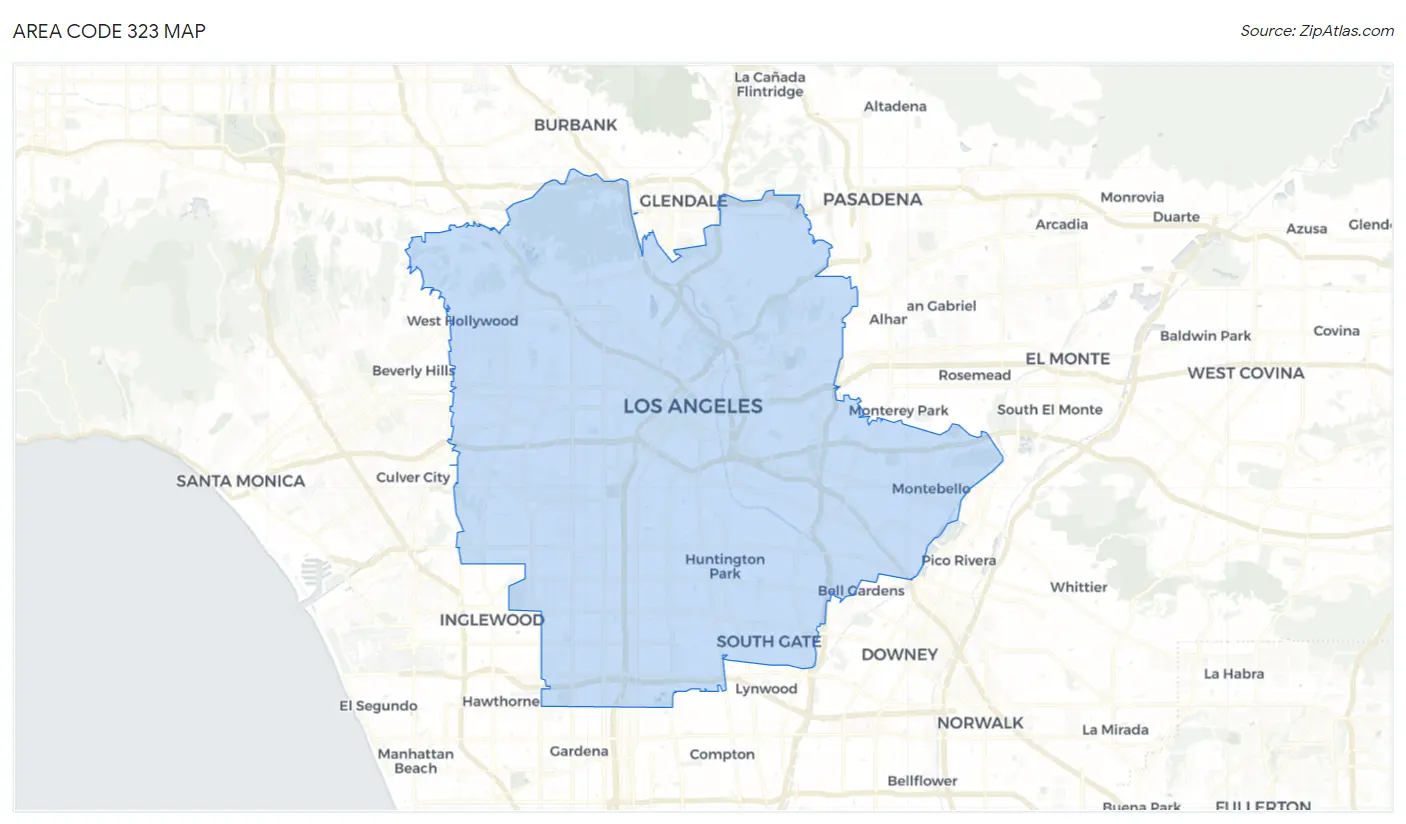
To understand the 323 area code, one must first understand the technical necessity of its creation. Carved out of the iconic 213 area code in 1998, the 323 code was a direct response to the explosion of consumer technology. In the late 90s, the surge in fax machines, early dial-up modems, and the nascent mobile phone market exhausted the available prefixes in central Los Angeles.
The Engineering of the Overlay and Split
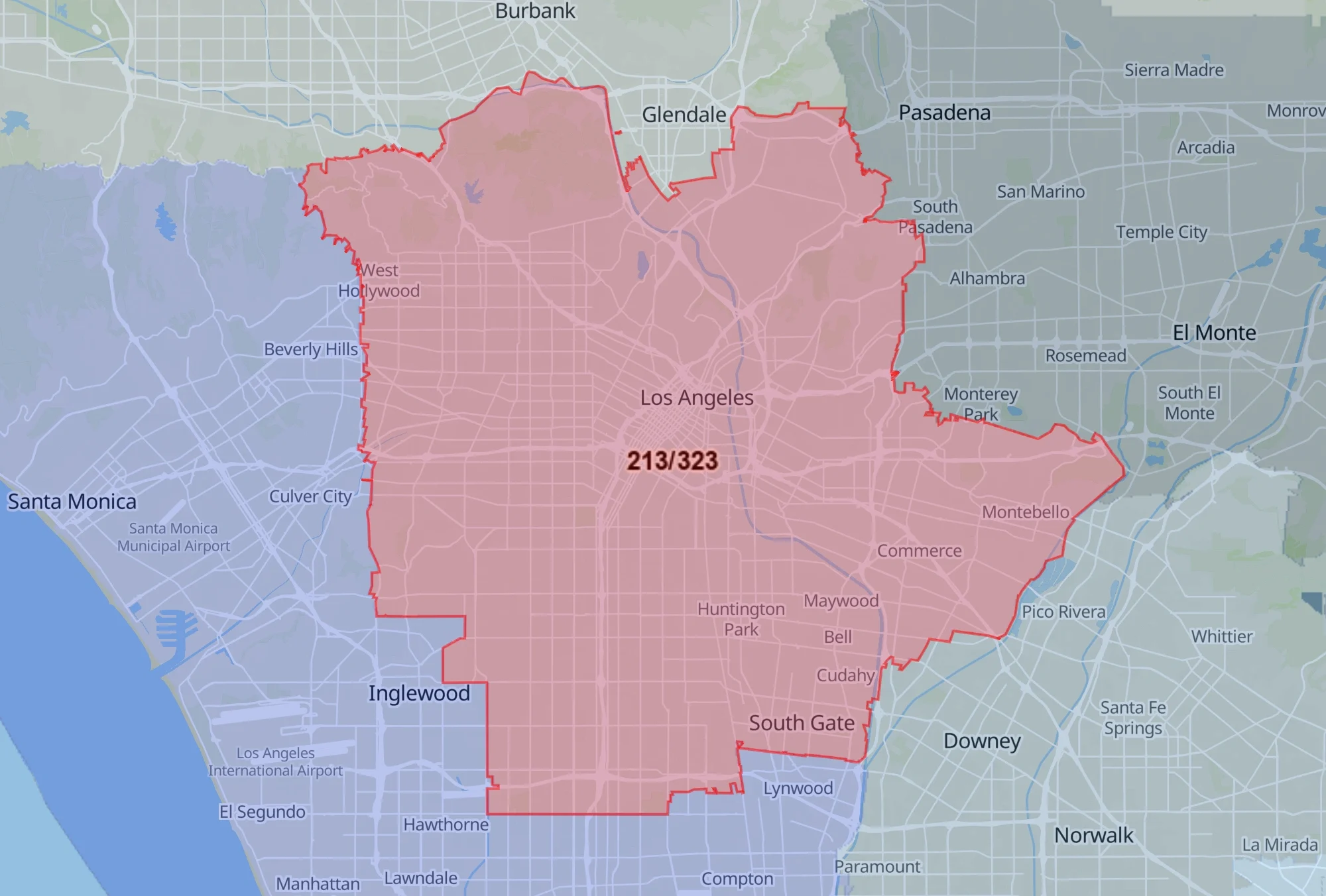
Initially, the 323 area code was implemented as a geographic split. In telecommunications engineering, a split involves physically dividing a region and reassigning hardware to a new numbering plan area (NPA). However, as technology progressed, the 323 region eventually transitioned to an overlay complex with the 213 code. From a technical standpoint, an overlay allows two area codes to serve the same geographic area, necessitated by the exhaustion of central office (CO) codes.
Central Office (CO) Codes and Routing
The 323 area code is governed by a hierarchy of switches. When a user dials a 323 number, the signal travels to a Public Switched Telephone Network (PSTN) central office. Here, digital switches—sophisticated computers running specialized telecommunications software—examine the three-digit prefix following the area code. This technical process, known as digit analysis, determines the most efficient path for the packetized voice data to reach its destination.
From Analog to Digital Switching
The 323 area code has witnessed the total transformation of switching hardware. The migration from analog crossbar switches to Electronic Switching Systems (ESS) and eventually to softswitches has defined the 323’s reliability. Modern softswitches allow for the convergence of voice and data, enabling the 323 code to function seamlessly across both traditional landlines and high-speed fiber-optic networks.
2. Virtualization and the Rise of VoIP in the 323 Region
In the current tech ecosystem, the 323 area code is no longer tethered to a specific physical copper wire in a Los Angeles basement. The advent of Voice over Internet Protocol (VoIP) has virtualized the area code, turning it into a portable digital asset.
The Mechanics of Cloud-Based Telephony
Software-as-a-Service (SaaS) providers now allow businesses and developers to provision 323 numbers via a web dashboard or an API. When a call is made to a virtual 323 number, it is not routed through traditional PSTN trunks. Instead, it is converted into IP packets and transmitted over the internet using Session Initiation Protocol (SIP). This allows a developer in Tokyo or a customer support center in London to project a local presence in Los Angeles through a 323 digital identity.
API Integration and Programmable Communication
For tech-forward enterprises, a 323 number is a component of a larger software stack. Through platforms like Twilio or MessageBird, developers can integrate 323 numbers into their applications. This allows for:
- Automated SMS Triggers: Using 323 numbers to send two-factor authentication (2FA) codes or delivery notifications.
- Interactive Voice Response (IVR): Building complex, AI-driven phone trees that handle customer inquiries without human intervention.
- Call Masking: Software that protects user privacy by using a temporary 323 number to bridge calls between two parties, such as a ride-share driver and a passenger.
Scalability and Elasticity
The virtualization of the 323 area code solves the “exhaustion” problem that plagued analog systems. In a digital environment, numbers can be decommissioned and reassigned in milliseconds. Cloud providers maintain vast “pools” of 323 numbers that can be scaled up or down based on a company’s traffic requirements, providing a level of elasticity that traditional telecom providers could never match.
3. Digital Security: Combating Fraud in the 323 Ecosystem
As the 323 area code is one of the most recognizable in the world, it is frequently targeted by malicious actors. The technology used to protect 323 users has become a frontline in the war against cybercrime, specifically focusing on robocalls and caller ID spoofing.
STIR/SHAKEN Protocols
To combat the surge in fraudulent calls appearing to originate from 323 numbers, the telecommunications industry implemented the STIR/SHAKEN framework.
- STIR (Secure Telephone Identity Revisited): A protocol that adds a digital signature to the SIP header of a call.
- SHAKEN (Signature-based Handling of Asserted information using toKENs): A set of guidelines for how carriers should handle these signatures.
Technically, when a call originates from a 323 number, the originating carrier “signs” it as legitimate. The receiving carrier verifies this certificate. If the signatures don’t match or are missing, the call is flagged as “Scam Likely” or blocked entirely. This cryptographic handshake is essential for maintaining the integrity of the 323 area code.
AI and Machine Learning in Call Filtering
Modern smartphones and carrier networks utilize machine learning algorithms to analyze traffic patterns within the 323 area code. If a single 323 number attempts to make 5,000 calls in one minute, the system’s heuristic analysis identifies this as “bot-like” behavior. These digital filters are constantly evolving to recognize the “fingerprints” of spam centers, protecting the end-user’s device from intrusive and dangerous interactions.
End-to-End Encryption (E2EE)
While traditional calls over the 323 network are not inherently encrypted, modern apps that utilize these numbers for registration (like WhatsApp or Signal) provide E2EE. The 323 number acts as the digital identifier, while the application layer handles the encryption keys. This hybrid approach ensures that while the “address” is public, the “content” of the communication remains technologically secure.
4. The 323 Code in the Era of 5G and IoT
As Los Angeles becomes a “Smart City,” the 323 area code is being integrated into the Internet of Things (IoT) and 5G infrastructure. This transition marks the shift from human-to-human communication to machine-to-machine (M2M) data exchange.
5G Infrastructure and Latency
The rollout of 5G in the 323 geographic area has drastically reduced latency for mobile devices. From a technical perspective, 5G utilizes “small cell” technology—compact antennas placed on utility poles and buildings throughout the 323 zone. These cells handle high-frequency waves that provide gigabit speeds. For users with a 323 mobile number, this means seamless transitions between cellular and Wi-Fi 6 networks, supported by an evolved packet core (EPC) that manages data flow more efficiently than 4G LTE.
IoT and M2M Communication
Thousands of devices within the 323 region, from smart utility meters to autonomous delivery robots, require network identities. While many use private IP addresses, many still rely on cellular modules that require an assigned number within the 323 or 213/628 overlay. This allows engineers to ping devices, push firmware updates, and collect telemetry data via SMS or data channels linked to the numbering plan.
Edge Computing in the LA Basin
The density of the 323 area code makes it a prime location for edge computing. By placing data processing centers closer to the end-users (the 323 prefix holders), tech companies reduce the “round-trip time” for data. This is critical for applications like augmented reality (AR) and real-time gaming, where even a few milliseconds of lag can degrade the user experience.
5. Future-Proofing the 323: Toward a Borderless Future
As we look toward the future of telecommunications, the 323 area code faces an interesting technological paradox. While it is rooted in a specific geographic history, its future is entirely borderless.
The Sunset of Copper
We are currently witnessing the “copper sunset,” where traditional telecommunications providers are decommissioning old PSTN lines in favor of fiber-optic and wireless solutions. In the 323 area, this means the eventual phase-out of legacy hardware in favor of All-IP networks. This transition is not merely a hardware upgrade; it is a fundamental rewrite of how voice data is prioritized and routed (Quality of Service, or QoS).
The Parallel with IPv6
The exhaustion of area codes in Los Angeles mirrors the exhaustion of IPv4 addresses in the broader internet. Just as the tech world moved to IPv6 to provide an almost infinite number of IP addresses, the telecommunications industry is moving toward “Ten-Digit Dialing” and more complex overlay systems. The 323 code will eventually be joined by more prefixes, all managed by unified software controllers that treat an area code more like a URL than a physical location.
Conclusion: The 323 as a Digital Gateway
The 323 area code is far more than a set of digits for identifying a Los Angeles resident. It is a vibrant, evolving piece of technology. From its origins in the physical switching stations of the late 20th century to its current state as a virtualized, API-driven, and AI-protected digital asset, 323 represents the resilience and innovation of modern telecommunications.
As we move deeper into the era of 5G, IoT, and cloud-native communication, the 323 area code will continue to serve as a vital gateway, bridging the gap between legacy reliability and the limitless potential of the digital future. Whether it is a developer in a Silicon Beach incubator or a massive enterprise managing global traffic, the technology behind the 323 code remains an essential pillar of the connected world.
aViewFromTheCave is a participant in the Amazon Services LLC Associates Program, an affiliate advertising program designed to provide a means for sites to earn advertising fees by advertising and linking to Amazon.com. Amazon, the Amazon logo, AmazonSupply, and the AmazonSupply logo are trademarks of Amazon.com, Inc. or its affiliates. As an Amazon Associate we earn affiliate commissions from qualifying purchases.