
In an increasingly interconnected world, understanding time zones is more crucial than ever, particularly within the realm of technology. The seemingly simple query, “What is 12 AM EST?”, unpacks a complex interplay of global standards, digital systems, and the everyday tools we rely on. At its core, 12 AM EST represents midnight in the Eastern Standard Time zone, marking the very beginning of a new calendar day for a significant portion of the North American continent. However, within the intricate architecture of technology, this specific moment is far more than just a chronological marker; it’s a critical reference point impacting everything from data logging and server synchronization to global collaboration and software functionality.

Understanding Time Zones in the Digital Age
The foundation of understanding any specific time like 12 AM EST lies in a global standard designed to reconcile the Earth’s natural rotation with human-made measurement systems. For technology, this standard is paramount.
The Mechanics of Coordinated Universal Time (UTC)
At the heart of global timekeeping, and consequently, all digital systems, is Coordinated Universal Time (UTC). UTC is the primary time standard by which the world regulates clocks and time. It is essentially Greenwich Mean Time (GMT) but maintained with atomic clocks for precision. Every time zone in the world is defined by its offset from UTC. For instance, a time zone might be UTC-5, meaning it is five hours behind UTC. This standardized approach allows disparate systems, located in different geographical regions, to communicate and synchronize effectively by converting local times back to a universal baseline. Without UTC, global data integrity, secure communications, and coordinated operations would be virtually impossible. Servers, databases, and network devices typically operate or log events in UTC to ensure consistency, regardless of their physical location.
The Role of Eastern Standard Time (EST)
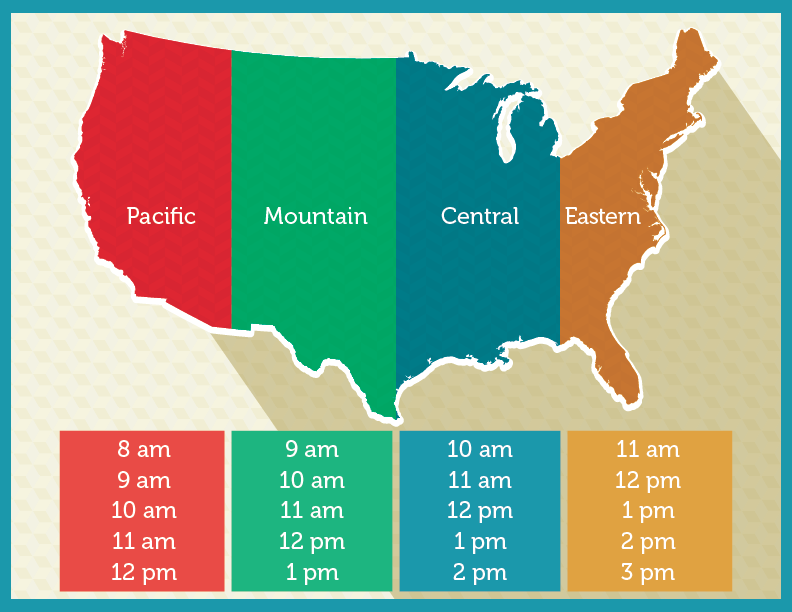
Eastern Standard Time (EST) is one of the most widely recognized and utilized time zones, particularly within the Americas. It is primarily observed in the eastern part of Canada, the eastern United States, Mexico, and some Caribbean and Central American countries. EST is defined as UTC-5. This means that when it is 5:00 AM UTC, it is 12:00 AM (midnight) in the EST zone. It’s important to distinguish EST from EDT (Eastern Daylight Time), which is UTC-4 and observed during daylight saving periods. When daylight saving is in effect, the time zone shifts from EST to EDT, moving one hour forward. However, the query “12 AM EST” specifically refers to the standard time, not the daylight saving variant. Its prominence in major financial centers, government operations, and tech hubs within the US and Canada makes it a crucial reference point for scheduling, deadlines, and digital operations across numerous industries.
12 AM EST: A Digital Marker
The significance of 12 AM EST transcends its simple definition, becoming a critical timestamp within technological frameworks.
Start of Day and Digital Deadlines
For many digital systems and processes, 12 AM EST marks the official “start of the day.” This has profound implications for daily cycles of data processing, reporting, and operational resets. For instance, daily backups might be scheduled to commence shortly after midnight EST, capitalizing on lower network traffic. Financial trading platforms, e-commerce systems, and content management systems often reset their daily statistics, activate new promotions, or begin daily data aggregation routines around this time. Furthermore, numerous digital deadlines—such as submitting online assignments, processing financial transactions, or the expiry of online offers—are frequently set to 12 AM EST, making it a critical threshold for users and automated systems alike. Missing this specific midnight deadline can result in missed opportunities, penalties, or delayed processing, underscoring its functional importance in the digital sphere.
Server Timestamps and Data Integrity
In the backend of the internet, every action, every interaction, and every piece of data created is typically tagged with a timestamp. While these timestamps are often stored in UTC for global consistency, their conversion to local time zones like EST is essential for human readability and operational context. When a server logs an event as occurring at 12 AM EST, it provides a precise, unambiguous reference point for analysis, auditing, and troubleshooting. For example, in a distributed system, if one server experiences an error at 12 AM EST, and another in a different time zone experiences a related issue, accurate timestamps are vital for correlating events and diagnosing the root cause. Data integrity hinges on these precise timestamps, ensuring that logs, transactions, and user activities are recorded in the correct chronological order, preventing data corruption and enabling reliable historical analysis. This precise recording is fundamental for compliance, security audits, and maintaining the reliability of complex digital infrastructures.
Technology’s Solutions for Time Zone Management

Given the complexities, technology has evolved robust solutions to manage and present time zones seamlessly.
Operating Systems and Software Defaults
Modern operating systems (OS) are engineered with sophisticated time zone management capabilities. They allow users to select their local time zone, and automatically adjust the system clock, including handling daylight saving transitions. This configuration then dictates how applications display time. For example, an email client or a calendar application will show the time of an event in the user’s local time, even if the event was scheduled in a different time zone. Developers leverage OS-level time zone information to present relevant times to users, often abstracting the underlying UTC conversions. However, consistency errors can still arise if an OS isn’t configured correctly or if software fails to properly interpret the system’s time zone settings, leading to confusion or incorrect timestamps.
Global Collaboration Tools and Scheduling
The rise of global remote work and international teams has underscored the indispensable role of time zone-aware collaboration tools. Platforms like Zoom, Microsoft Teams, Slack, Google Calendar, and various project management tools are designed to facilitate seamless scheduling across geographical divides. When a meeting is scheduled for 10 AM EST, these tools can automatically convert and display that time in the local time zone of each participant, showing, for example, 7 AM PT (Pacific Time) or 3 PM GMT. This functionality minimizes confusion and reduces the likelihood of missed meetings due to time zone errors, dramatically improving productivity for distributed teams. Furthermore, many of these tools allow users to view multiple time zones simultaneously, providing a quick visual reference for coordinating schedules with colleagues around the world.
AI and Natural Language Time Processing
The burgeoning field of Artificial Intelligence (AI) and natural language processing (NLP) is further simplifying how we interact with time zones. AI assistants like Siri, Google Assistant, and Alexa can interpret natural language queries such as “What time is 12 AM EST in London?” and provide instant, accurate conversions. Beyond simple queries, AI-powered scheduling tools can analyze calendars and suggest optimal meeting times that minimize inconvenience for participants across multiple time zones. This capability represents a significant leap forward, moving beyond manual conversions to intelligent, context-aware time management. As AI continues to advance, we can expect even more sophisticated tools that can predict time zone-related issues and proactively offer solutions, making global coordination even more intuitive.
Navigating Time Zone Challenges in Tech
Despite technological advancements, managing time zones in complex tech environments still presents unique challenges that require careful attention.
Avoiding Miscommunication in Distributed Teams
One of the most common pitfalls in global tech teams is time zone-induced miscommunication. A developer in Europe might interpret a deadline set for “end of day” by a manager in New York differently if the specific time zone (e.g., 12 AM EST) isn’t explicitly stated. This ambiguity can lead to missed deadlines, delayed project phases, or even incorrect feature releases. Best practices include always specifying the time zone when communicating deadlines or scheduling events (e.g., “12 AM EST on Tuesday”), using time zone conversion tools, and adopting a common reference time (like UTC) for internal discussions, with local conversions provided for individual understanding. Establishing clear communication protocols around time is as important as the technology itself.
Ensuring Data Synchronization Across Geographies
For global applications and services, maintaining data synchronization across servers located in different time zones is a critical, complex task. If a user in California updates a record at 1 PM PT, and another user in London updates the same record at 9 PM GMT (which might be the same UTC time, or very close), conflicts can arise if timestamps are not meticulously managed. Database replication, distributed ledgers, and real-time collaboration platforms rely heavily on consistent timestamping, often utilizing UTC as the canonical time reference. Discrepancies in time settings or improper handling of time zone conversions can lead to data integrity issues, stale data, or even complete system failures, particularly in high-frequency data environments like financial markets or real-time gaming. Robust error handling and strict adherence to time synchronization protocols are essential to prevent these issues.
The Future of Time in a Connected World
As technology continues to shrink the globe, the intricacies of time zones, exemplified by markers like 12 AM EST, will only become more integrated into our digital lives. From quantum computing’s need for hyper-precise timing to the ever-expanding global reach of IoT devices and autonomous systems, accurate time synchronization and seamless time zone management will remain foundational. The evolution of AI, augmented reality, and pervasive computing promises to make our interaction with time zones even more intuitive, potentially moving towards a world where geographical time differences are virtually invisible to the end-user, handled entirely by intelligent systems. Understanding “what is 12 AM EST” today is not just about a point on a clock; it’s about grasping a fundamental building block of our digitally woven existence.
aViewFromTheCave is a participant in the Amazon Services LLC Associates Program, an affiliate advertising program designed to provide a means for sites to earn advertising fees by advertising and linking to Amazon.com. Amazon, the Amazon logo, AmazonSupply, and the AmazonSupply logo are trademarks of Amazon.com, Inc. or its affiliates. As an Amazon Associate we earn affiliate commissions from qualifying purchases.